Chinese Electric Vehicle Earnings Put These ETFs in Focus

Electric Vehicle Industry Trends:
- The EV industry is facing challenges with falling sales and prices, leading to an "EV winter."
- Chinese EV makers are showing positive results with increased earnings and vehicle deliveries.
- Electric car sales in China grew by almost 35% year-over-year in the first quarter of 2024.
- Companies like Nio, Xpeng, and Tesla are implementing cost-cutting measures to navigate the industry storm.
- Nio has seen a significant increase in stock value due to delivery growth and product launches.
Financial Performance of EV Companies:
- Xpeng reported better-than-expected first-quarter numbers with increased revenues and gross margin.
- Li Auto had weaker-than-expected earnings and lower guidance for the current quarter due to heightened competition.
- Nio experienced a substantial delivery growth, leading to a surge in stock value.
Partnerships and Collaborations:
- Foreign carmakers like Toyota and Volkswagen are partnering with Chinese companies for AI and smart car technology.
- Renault is engaging in discussions with Li Auto and Xiaomi for EV and smart-vehicle technologies.
- Xiaomi, known for smartphones, unveiled its electric car to compete with Porsche and Tesla.
Focus on ETFs:
- Interest in ETFs related to autonomous and electric vehicles has increased.
- Notable ETFs include Global X Autonomous & Electric Vehicles ETF, KraneShares Electric Vehicles & Future Mobility Index ETF, iShares Self-driving EV & Tech ETF, and First Trust S-Network Future Vehicles & Technology ETF.
Investment Recommendations:
- Investors are advised to track industry news and consider entry points in ETFs focusing on autonomous and electric vehicles.
Trade with 70% Backtested Accuracy
Analyst Views on KARS
About the author

Robotics ETFs vs. EV ETFs: Which is the Safer Investment for 2026?


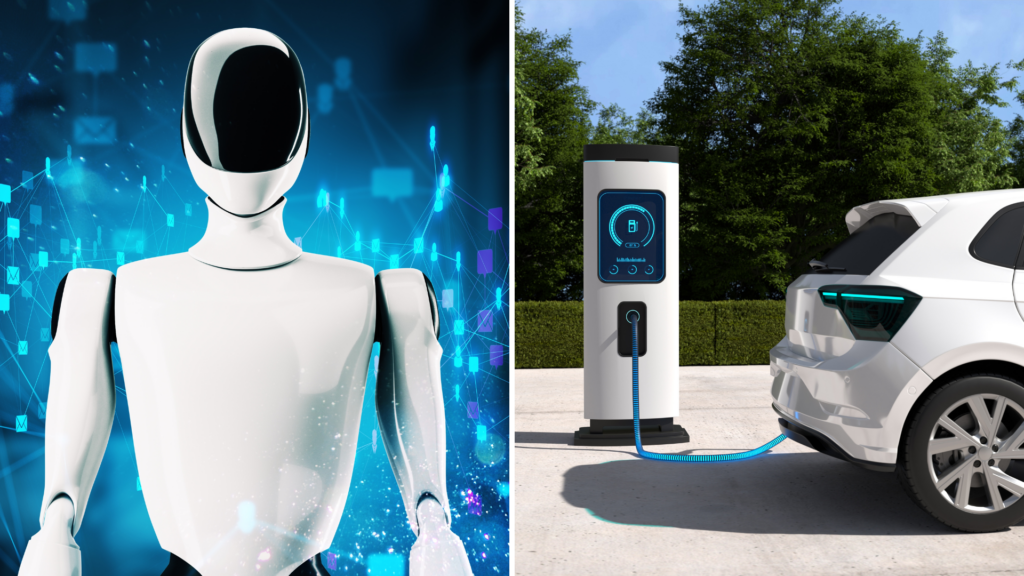
Robotics Investment Trends: The robotics sector is gaining political support in the U.S., with potential executive orders and initiatives from the Department of Commerce aimed at promoting the industry, leading to increased interest in robotics ETFs like ROBO and BOTZ.
Electric Vehicle ETF Dynamics: In contrast, electric vehicle (EV) ETFs are influenced by car sales, battery prices, and consumer demand, making them more volatile and cyclical compared to the steadier robotics investments.
Government Support for Robotics: The U.S. government views robotics and advanced manufacturing as essential for domestic production, with discussions around a national robotics commission and the potential for robotics to help address national debt.
Investment Strategy Outlook: Robotics ETFs are seen as a long-term, stable investment supported by government policy, while EV ETFs are characterized by higher risk and potential for significant price swings based on market conditions.

Morgan Stanley Lowers Tesla Rating: Is It Time to Reassess Your EV ETF Investments?


Morgan Stanley Downgrade: Morgan Stanley downgraded Tesla to Equal Weight from Overweight, setting a $425 price target, citing high stock valuation amid slowing EV adoption and increased competition, leading to a 3% drop in Tesla's shares.
EV Market Dynamics: Tesla's market share is declining, particularly in China, due to competition from local brands, while the overall EV market is experiencing robust growth, with significant sales increases from both traditional and new automakers.
Investment in EV ETFs: Given Tesla's challenges, investing in diversified EV-focused ETFs may be more prudent for investors, as these funds include major players like Ford, General Motors, and Volkswagen, which are ramping up EV investments.
Future of EVs: Despite Tesla's struggles, the global demand for electric vehicles remains strong, with projections of 116 million EVs on the road by next year, driven by increased model availability and affordability.

Li Auto Selects Hesai as Exclusive Lidar Provider for Upcoming Generation Models
Hesai Technology and Li Auto Partnership: Hesai Technology has become the exclusive lidar supplier for Li Auto's next-generation assisted driving platform, enhancing Li Auto's smart driving capabilities across all upcoming models.
Focus on Safety and Intelligence: The partnership emphasizes the integration of advanced lidar technology in new Li Auto models, which now include lidar as standard equipment to improve driver safety and vehicle intelligence.
Financial Performance: Hesai reported strong Q3 2025 results, with adjusted earnings per share of 28 cents and revenue of $111.7 million, reflecting increased demand for lidar units and improved production efficiency.
Market Positioning: The renewed agreement between Hesai and Li Auto aims to accelerate the global adoption of advanced driver-assistance systems (ADAS), positioning Hesai for continued growth in the expanding market for driver-assistance technologies.
Rivian's 25% Stock Surge Revives Interest in EV ETFs—Is It Time to Invest?

Rivian's Strong Performance: Rivian Automotive's stock surged over 25% following a strong third-quarter report, with a 78% year-over-year revenue increase to $1.56 billion and a positive gross profit of $24 million, despite a wider-than-expected loss per share.
Impact on EV ETFs: The rebound in Rivian's stock positively affected various EV-focused ETFs, which saw gains ranging from 1% to 1.8%, recovering from a previous slump due to profit-taking and concerns over rising costs.
Long-Term Market Outlook: Analysts maintain a positive long-term outlook for the EV market, with forecasts suggesting a global market cap of $1.1 trillion by 2030, and diversified ETFs providing exposure to a broader range of companies in the mobility sector.
Caution Ahead: Despite the recent surge, analysts caution that challenges such as profitability issues, high borrowing costs, and policy uncertainties could impact the EV market, indicating that the road ahead may be volatile.

Ford's Shift to Hybrids: Are Auto ETFs Ready for a Change?


Ford's Strong Q3 Performance: Ford Motor Co reported a solid third-quarter performance, with earnings of 45 cents per share and $47.18 billion in sales, surpassing Wall Street expectations and boosting investor confidence.
Production Halt of F-150 Lightning: The company has halted production of its F-150 Lightning electric pickup due to aluminum shortages, signaling a strategic shift towards more profitable gasoline and hybrid trucks.
Shift in EV Strategy: Ford plans to reallocate its EV assembly staff to increase hybrid output at the Dearborn Truck Plant, aiming to produce an additional 45,000 hybrid F-Series trucks by 2026, reflecting a focus on profitability alongside innovation.
Market Reaction and ETF Impact: Following Ford's announcements, auto and EV-related ETFs saw gains, indicating a broader market trend where investors prioritize profitability over pure electric vehicle production.
XPeng Partners with Magna to Manufacture Electric Vehicles in Austria


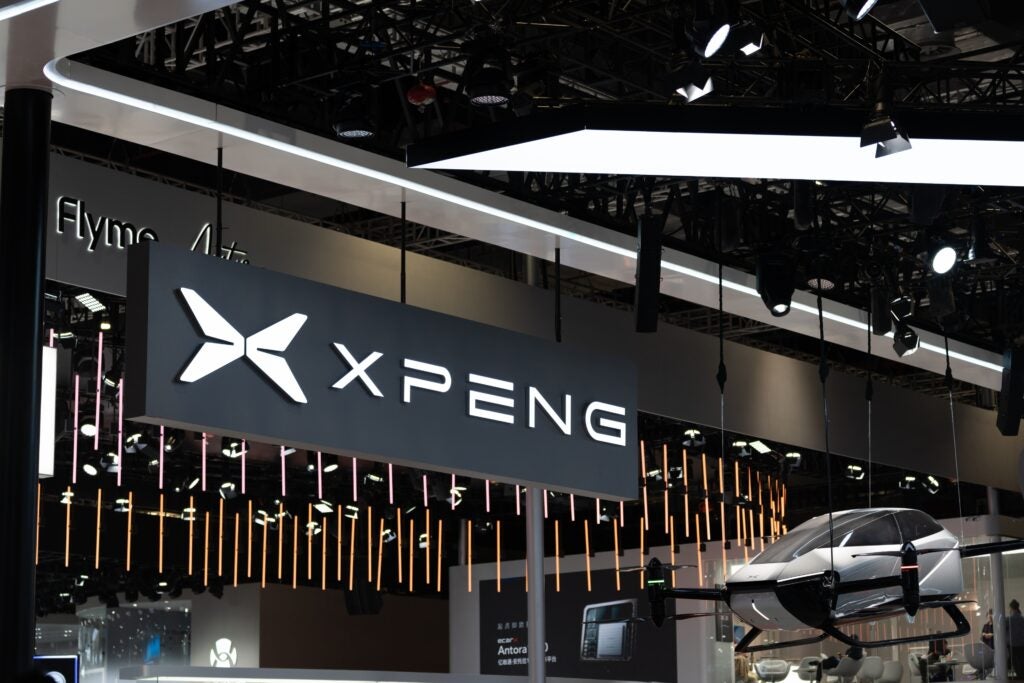
Partnership Announcement: XPeng Inc. has partnered with Magna International to assemble two electric vehicle models in Europe, marking XPeng as the first Chinese automaker to localize production at Magna's facilities in Graz, Austria, with production set to begin in Q3 2025.
Significance of Collaboration: The partnership is seen as a significant milestone for both companies, with Magna's extensive manufacturing experience and supplier network aiding XPeng's growth in the competitive European EV market, highlighting the increasing importance of localized production for Chinese automakers.
Robotics ETFs vs. EV ETFs: Which is the Safer Investment for 2026?
Robotics Investment Trends: The robotics sector is gaining political support in the U.S., with potential executive orders and initiatives from the Department of Commerce aimed at promoting the industry, leading to increased interest in robotics ETFs like ROBO and BOTZ.
Electric Vehicle ETF Dynamics: In contrast, electric vehicle (EV) ETFs are influenced by car sales, battery prices, and consumer demand, making them more volatile and cyclical compared to the steadier robotics investments.
Government Support for Robotics: The U.S. government views robotics and advanced manufacturing as essential for domestic production, with discussions around a national robotics commission and the potential for robotics to help address national debt.
Investment Strategy Outlook: Robotics ETFs are seen as a long-term, stable investment supported by government policy, while EV ETFs are characterized by higher risk and potential for significant price swings based on market conditions.
Morgan Stanley Lowers Tesla Rating: Is It Time to Reassess Your EV ETF Investments?
Morgan Stanley Downgrade: Morgan Stanley downgraded Tesla to Equal Weight from Overweight, setting a $425 price target, citing high stock valuation amid slowing EV adoption and increased competition, leading to a 3% drop in Tesla's shares.
EV Market Dynamics: Tesla's market share is declining, particularly in China, due to competition from local brands, while the overall EV market is experiencing robust growth, with significant sales increases from both traditional and new automakers.
Investment in EV ETFs: Given Tesla's challenges, investing in diversified EV-focused ETFs may be more prudent for investors, as these funds include major players like Ford, General Motors, and Volkswagen, which are ramping up EV investments.
Future of EVs: Despite Tesla's struggles, the global demand for electric vehicles remains strong, with projections of 116 million EVs on the road by next year, driven by increased model availability and affordability.
Li Auto Selects Hesai as Exclusive Lidar Provider for Upcoming Generation Models
Hesai Technology and Li Auto Partnership: Hesai Technology has become the exclusive lidar supplier for Li Auto's next-generation assisted driving platform, enhancing Li Auto's smart driving capabilities across all upcoming models.
Focus on Safety and Intelligence: The partnership emphasizes the integration of advanced lidar technology in new Li Auto models, which now include lidar as standard equipment to improve driver safety and vehicle intelligence.
Financial Performance: Hesai reported strong Q3 2025 results, with adjusted earnings per share of 28 cents and revenue of $111.7 million, reflecting increased demand for lidar units and improved production efficiency.
Market Positioning: The renewed agreement between Hesai and Li Auto aims to accelerate the global adoption of advanced driver-assistance systems (ADAS), positioning Hesai for continued growth in the expanding market for driver-assistance technologies.
Rivian's 25% Stock Surge Revives Interest in EV ETFs—Is It Time to Invest?
Rivian's Strong Performance: Rivian Automotive's stock surged over 25% following a strong third-quarter report, with a 78% year-over-year revenue increase to $1.56 billion and a positive gross profit of $24 million, despite a wider-than-expected loss per share.
Impact on EV ETFs: The rebound in Rivian's stock positively affected various EV-focused ETFs, which saw gains ranging from 1% to 1.8%, recovering from a previous slump due to profit-taking and concerns over rising costs.
Long-Term Market Outlook: Analysts maintain a positive long-term outlook for the EV market, with forecasts suggesting a global market cap of $1.1 trillion by 2030, and diversified ETFs providing exposure to a broader range of companies in the mobility sector.
Caution Ahead: Despite the recent surge, analysts caution that challenges such as profitability issues, high borrowing costs, and policy uncertainties could impact the EV market, indicating that the road ahead may be volatile.
Ford's Shift to Hybrids: Are Auto ETFs Ready for a Change?
Ford's Strong Q3 Performance: Ford Motor Co reported a solid third-quarter performance, with earnings of 45 cents per share and $47.18 billion in sales, surpassing Wall Street expectations and boosting investor confidence.
Production Halt of F-150 Lightning: The company has halted production of its F-150 Lightning electric pickup due to aluminum shortages, signaling a strategic shift towards more profitable gasoline and hybrid trucks.
Shift in EV Strategy: Ford plans to reallocate its EV assembly staff to increase hybrid output at the Dearborn Truck Plant, aiming to produce an additional 45,000 hybrid F-Series trucks by 2026, reflecting a focus on profitability alongside innovation.
Market Reaction and ETF Impact: Following Ford's announcements, auto and EV-related ETFs saw gains, indicating a broader market trend where investors prioritize profitability over pure electric vehicle production.
XPeng Partners with Magna to Manufacture Electric Vehicles in Austria
Partnership Announcement: XPeng Inc. has partnered with Magna International to assemble two electric vehicle models in Europe, marking XPeng as the first Chinese automaker to localize production at Magna's facilities in Graz, Austria, with production set to begin in Q3 2025.
Significance of Collaboration: The partnership is seen as a significant milestone for both companies, with Magna's extensive manufacturing experience and supplier network aiding XPeng's growth in the competitive European EV market, highlighting the increasing importance of localized production for Chinese automakers.