China Warns of Impact from US Semiconductor Export Bills
Written by Emily J. Thompson, Senior Investment Analyst
Updated: 3 days ago
0mins

Should l Buy LRCX?
Source: Yahoo Finance
- Legislative Threat: The Chinese Ministry of Commerce warns that proposed bipartisan export-control bills in the U.S. Congress targeting the semiconductor sector could severely destabilize global supply chains, indicating a trend of weaponizing trade restrictions under the guise of national security.
- Technology Control Bills: The House Foreign Affairs Committee's advancement of multiple bills aims to curb the flow of advanced AI and semiconductor technologies to China, particularly through stringent export restrictions on high-end chip-manufacturing equipment, potentially escalating the tech confrontation between the U.S. and China.
- Market Reaction: Global markets view this legislative push as a sign that the
Trade with 70% Backtested Accuracy
Stop guessing "Should I Buy LRCX?" and start using high-conviction signals backed by rigorous historical data.
Sign up today to access powerful investing tools and make smarter, data-driven decisions.
Analyst Views on LRCX
Wall Street analysts forecast LRCX stock price to fall
22 Analyst Rating
18 Buy
4 Hold
0 Sell
Strong Buy
Current: 259.470

Low
142.00
Averages
192.50
High
265.00
Current: 259.470
Low
142.00
Averages
192.50
High
265.00
About LRCX
Lam Research Corporation is a global supplier of wafer fabrication equipment and services to the semiconductor industry. The Company designs, manufactures, markets, refurbishes, and services semiconductor processing equipment used in the fabrication of integrated circuits. Its products and services are designed to help its customers build devices that are used in a variety of electronic products, including mobile phones, personal computers, cloud and enterprise servers, wearables, automotive vehicles and data storage devices. Its product families include ALTUS, SABRE, SPEED, Striker, VECTOR, Flex, Vantex, Kiyo, Versys Metal, Syndion, Coronus, and DV-Prime, Da Vinci, EOS, and SP Series. Its customer base includes semiconductor memory, foundries, and integrated device manufacturers that make products such as non-volatile memory, dynamic random-access memory, and logic devices. It offers services in areas like nanoscale manufacturing enablement, chemistry, plasma and fluidics, and others.
About the author

Emily J. Thompson
Emily J. Thompson, a Chartered Financial Analyst (CFA) with 12 years in investment research, graduated with honors from the Wharton School. Specializing in industrial and technology stocks, she provides in-depth analysis for Intellectia’s earnings and market brief reports.

Semiconductor Stocks Decline Amid Geopolitical Tensions


- Geopolitical Impact: Semiconductor stocks broadly declined in afternoon trading due to escalating tensions between the US and China over artificial intelligence technology, with Lam Research's shares falling 3.6%, reflecting market concerns about future uncertainties.
- Chinese Intervention: The Chinese government ordered Meta to unwind its $2 billion acquisition of AI startup Manus on national security grounds, a move seen as direct intervention to limit foreign access to its advanced technology sector, intensifying the tech rivalry between the US and China.
- Supply Chain Concerns: Ongoing worries about global supply chain disruptions stemming from the conflict involving the US, Israel, and Iran have led to rising raw material costs, prompting investor concerns about potential production delays and increased operational costs for technology hardware companies, which negatively impacted market sentiment.
- Strong Performance from Lam Research: Despite market volatility, Lam Research reported $5.84 billion in revenue for Q3, reflecting double-digit year-over-year growth, and projected revenue and earnings well above prior estimates for the coming quarters, demonstrating strong confidence in AI-driven demand.
See More

US Stocks Fluctuate Slightly, Tech Stocks Reach New All-Time Highs


- Tech Stock Surge: The S&P 500 and Nasdaq 100 indices rose by 0.12% and 0.01% respectively on Monday, reaching all-time highs, reflecting strong market optimism regarding AI infrastructure demand, which is expected to boost technology earnings.
- Oil Price Impact: WTI crude oil prices surged over 2%, exerting downward pressure on the market as President Trump canceled negotiations with Iran, raising inflation expectations that could affect the broader economic landscape.
- Rising Treasury Yields: The 10-year Treasury yield increased to 4.337% due to rising inflation expectations from higher oil prices, with markets anticipating the Fed will keep rates unchanged this week while awaiting further developments in oil prices and inflation.
- Health Insurance Stocks Rally: Health insurance stocks such as Centene, Elevance Health, and Humana all rose over 3% on Monday, providing support to the overall market and demonstrating resilience in the sector amid the current economic environment.
See More

US Stocks Dip as Rising Oil Prices Pressure Markets
- Oil Price Impact: WTI crude oil prices surged over 2%, contributing to a 0.12% drop in the S&P 500, a 0.14% decline in the Dow Jones, and a 0.30% fall in the Nasdaq 100, indicating the direct influence of oil price fluctuations on the stock market.
- US-Iran Tensions: President Trump canceled negotiations with Iran, escalating market concerns over Middle Eastern tensions, as Iranian President stated they would not negotiate under threats, potentially exacerbating the global energy crisis.
- Tech Stock Divergence: Despite the overall market decline, news of Qualcomm collaborating with OpenAI and MediaTek to develop smartphone processors buoyed chip and AI infrastructure stocks, with Micron and SanDisk receiving buy ratings, showcasing resilience in the tech sector.
- Economic Data Influence: The German consumer confidence index fell to a 3.25-year low, indicating signs of economic weakness, while markets expect the Fed to keep rates unchanged this week, reflecting a cautious outlook on future economic developments.
See More
Semiconductor ETF Surges Nearly 50% Above 200-Day Average


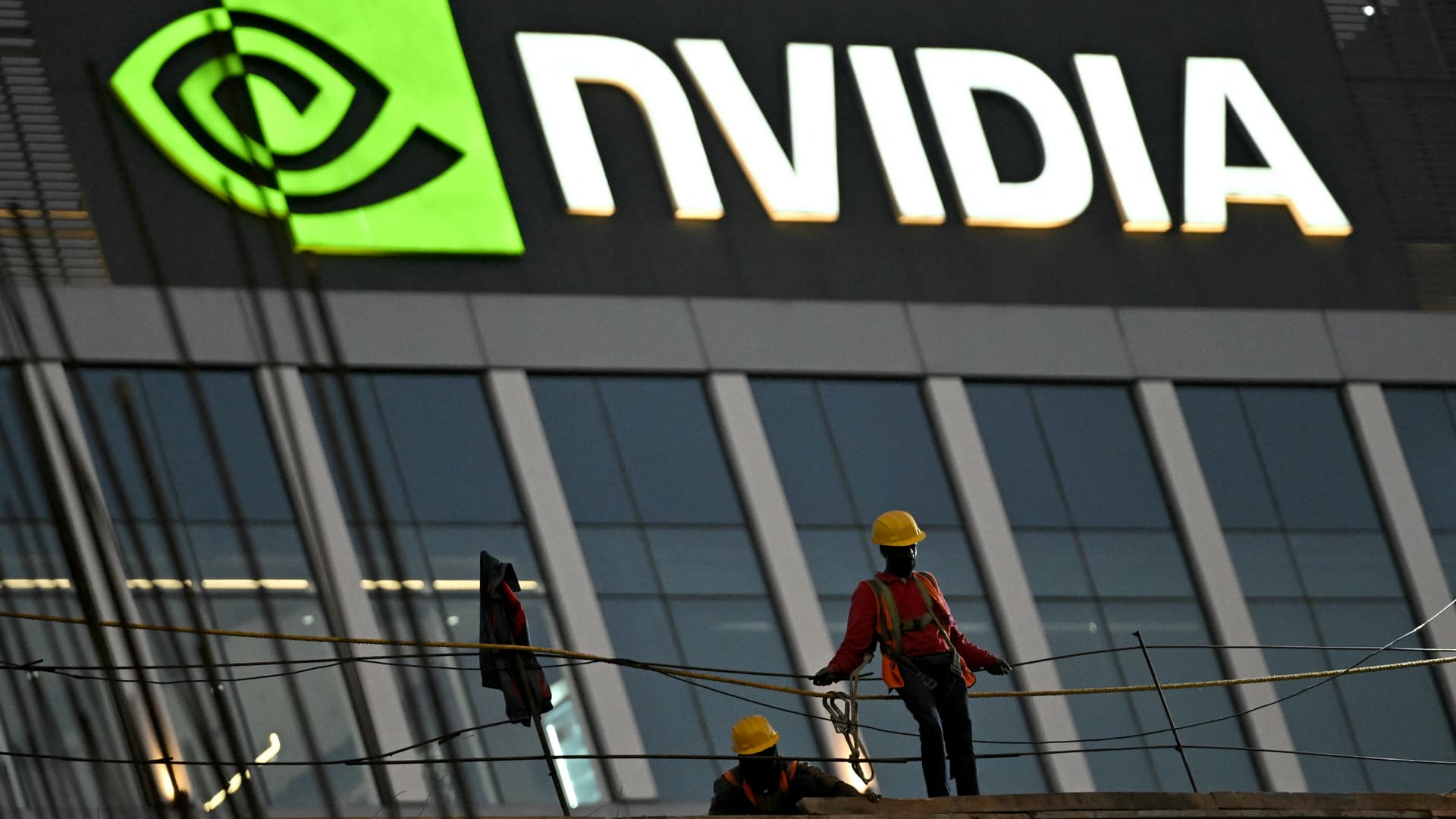
- ETF Performance: As of April 27, the Semiconductor ETF (SMH) is nearly 50% above its 200-day moving average, indicating strong market momentum, prompting investors to manage risk carefully to avoid potential pullbacks.
- Nvidia's Impressive Earnings: Nvidia (NVDA) reported a staggering $215.9 billion in full-year revenue, up 65% year-over-year, with its data center business alone contributing $193.7 billion, and Q1 revenue is expected to reach around $78 billion, reflecting robust market demand.
- Broadcom's Revenue Surge: Broadcom (AVGO) reported $19.3 billion in revenue for the latest quarter, a 29% year-over-year increase, with AI chip revenue more than doubling to $8.4 billion, and Q2 revenue is projected at $22 billion, showcasing strong growth potential.
- Intel's Significant Recovery: Intel (INTC) has surged over 100% YTD, with Q1 revenue of $13.6 billion, up 7% year-over-year, and a 22% growth in its data center and AI segment, indicating a stabilization in its business and an optimistic outlook from management.
See More

Market Capital Flow Issues Impact Healthcare Stocks

- Healthcare Stocks Hit Hard: Despite strong quarterly results from companies like Thermo Fisher and Danaher, the lack of investor confidence in the healthcare sector has led to significant stock declines, indicating a panic among investors regarding healthcare equities.
- Capital Flow Concentration: Market funds are primarily directed towards stocks tied to data center construction, resulting in persistent selling pressure on healthcare stocks such as Abbott Labs and Cardinal Health, reflecting a risk-averse sentiment among investors towards the healthcare industry.
- IPO Market Impact: Upcoming IPOs like SpaceX are likely to attract substantial capital, further weakening healthcare stock performance, reminiscent of the capital concentration seen during the internet bubble in 1999, which could lead to further declines in healthcare stock P/E ratios.
- Key Earnings Reports from Tech Giants: The upcoming earnings reports from Alphabet, Amazon, Meta, and Microsoft will be crucial; if two of these companies perform well, it may boost market sentiment, whereas poor results could exacerbate downward pressure on healthcare stocks.
See More

China Warns of Impact from US Semiconductor Export Bills
- Legislative Threat: The Chinese Ministry of Commerce warns that proposed bipartisan export-control bills in the U.S. Congress targeting the semiconductor sector could severely destabilize global supply chains, indicating a trend of weaponizing trade restrictions under the guise of national security.
- Technology Control Bills: The House Foreign Affairs Committee's advancement of multiple bills aims to curb the flow of advanced AI and semiconductor technologies to China, particularly through stringent export restrictions on high-end chip-manufacturing equipment, potentially escalating the tech confrontation between the U.S. and China.
- Market Reaction: Global markets view this legislative push as a sign that the
See More
Semiconductor Stocks Decline Amid Geopolitical Tensions
- Geopolitical Impact: Semiconductor stocks broadly declined in afternoon trading due to escalating tensions between the US and China over artificial intelligence technology, with Lam Research's shares falling 3.6%, reflecting market concerns about future uncertainties.
- Chinese Intervention: The Chinese government ordered Meta to unwind its $2 billion acquisition of AI startup Manus on national security grounds, a move seen as direct intervention to limit foreign access to its advanced technology sector, intensifying the tech rivalry between the US and China.
- Supply Chain Concerns: Ongoing worries about global supply chain disruptions stemming from the conflict involving the US, Israel, and Iran have led to rising raw material costs, prompting investor concerns about potential production delays and increased operational costs for technology hardware companies, which negatively impacted market sentiment.
- Strong Performance from Lam Research: Despite market volatility, Lam Research reported $5.84 billion in revenue for Q3, reflecting double-digit year-over-year growth, and projected revenue and earnings well above prior estimates for the coming quarters, demonstrating strong confidence in AI-driven demand.
See More
US Stocks Fluctuate Slightly, Tech Stocks Reach New All-Time Highs
- Tech Stock Surge: The S&P 500 and Nasdaq 100 indices rose by 0.12% and 0.01% respectively on Monday, reaching all-time highs, reflecting strong market optimism regarding AI infrastructure demand, which is expected to boost technology earnings.
- Oil Price Impact: WTI crude oil prices surged over 2%, exerting downward pressure on the market as President Trump canceled negotiations with Iran, raising inflation expectations that could affect the broader economic landscape.
- Rising Treasury Yields: The 10-year Treasury yield increased to 4.337% due to rising inflation expectations from higher oil prices, with markets anticipating the Fed will keep rates unchanged this week while awaiting further developments in oil prices and inflation.
- Health Insurance Stocks Rally: Health insurance stocks such as Centene, Elevance Health, and Humana all rose over 3% on Monday, providing support to the overall market and demonstrating resilience in the sector amid the current economic environment.
See More
US Stocks Dip as Rising Oil Prices Pressure Markets
- Oil Price Impact: WTI crude oil prices surged over 2%, contributing to a 0.12% drop in the S&P 500, a 0.14% decline in the Dow Jones, and a 0.30% fall in the Nasdaq 100, indicating the direct influence of oil price fluctuations on the stock market.
- US-Iran Tensions: President Trump canceled negotiations with Iran, escalating market concerns over Middle Eastern tensions, as Iranian President stated they would not negotiate under threats, potentially exacerbating the global energy crisis.
- Tech Stock Divergence: Despite the overall market decline, news of Qualcomm collaborating with OpenAI and MediaTek to develop smartphone processors buoyed chip and AI infrastructure stocks, with Micron and SanDisk receiving buy ratings, showcasing resilience in the tech sector.
- Economic Data Influence: The German consumer confidence index fell to a 3.25-year low, indicating signs of economic weakness, while markets expect the Fed to keep rates unchanged this week, reflecting a cautious outlook on future economic developments.
See More
Semiconductor ETF Surges Nearly 50% Above 200-Day Average
- ETF Performance: As of April 27, the Semiconductor ETF (SMH) is nearly 50% above its 200-day moving average, indicating strong market momentum, prompting investors to manage risk carefully to avoid potential pullbacks.
- Nvidia's Impressive Earnings: Nvidia (NVDA) reported a staggering $215.9 billion in full-year revenue, up 65% year-over-year, with its data center business alone contributing $193.7 billion, and Q1 revenue is expected to reach around $78 billion, reflecting robust market demand.
- Broadcom's Revenue Surge: Broadcom (AVGO) reported $19.3 billion in revenue for the latest quarter, a 29% year-over-year increase, with AI chip revenue more than doubling to $8.4 billion, and Q2 revenue is projected at $22 billion, showcasing strong growth potential.
- Intel's Significant Recovery: Intel (INTC) has surged over 100% YTD, with Q1 revenue of $13.6 billion, up 7% year-over-year, and a 22% growth in its data center and AI segment, indicating a stabilization in its business and an optimistic outlook from management.
See More
Market Capital Flow Issues Impact Healthcare Stocks
- Healthcare Stocks Hit Hard: Despite strong quarterly results from companies like Thermo Fisher and Danaher, the lack of investor confidence in the healthcare sector has led to significant stock declines, indicating a panic among investors regarding healthcare equities.
- Capital Flow Concentration: Market funds are primarily directed towards stocks tied to data center construction, resulting in persistent selling pressure on healthcare stocks such as Abbott Labs and Cardinal Health, reflecting a risk-averse sentiment among investors towards the healthcare industry.
- IPO Market Impact: Upcoming IPOs like SpaceX are likely to attract substantial capital, further weakening healthcare stock performance, reminiscent of the capital concentration seen during the internet bubble in 1999, which could lead to further declines in healthcare stock P/E ratios.
- Key Earnings Reports from Tech Giants: The upcoming earnings reports from Alphabet, Amazon, Meta, and Microsoft will be crucial; if two of these companies perform well, it may boost market sentiment, whereas poor results could exacerbate downward pressure on healthcare stocks.
See More
China Warns of Impact from US Semiconductor Export Bills
- Legislative Threat: The Chinese Ministry of Commerce warns that proposed bipartisan export-control bills in the U.S. Congress targeting the semiconductor sector could severely destabilize global supply chains, indicating a trend of weaponizing trade restrictions under the guise of national security.
- Technology Control Bills: The House Foreign Affairs Committee's advancement of multiple bills aims to curb the flow of advanced AI and semiconductor technologies to China, particularly through stringent export restrictions on high-end chip-manufacturing equipment, potentially escalating the tech confrontation between the U.S. and China.
- Market Reaction: Global markets view this legislative push as a sign that the
See More