Cathie Wood's ETFs Outperform Market in 2026; Netflix Loses $82 Billion in Market Cap
Written by Emily J. Thompson, Senior Investment Analyst
Updated: Jan 22 2026
0mins


Should l Buy NFLX?
Source: Fool
- Netflix Market Cap Loss: Netflix's stock has plummeted 35% since its summer peak, resulting in an $82 billion market cap loss, reflecting the market pressure following its acquisition of Warner Bros. Discovery, which has weakened investor confidence in future growth.
- Earnings Report Performance: Despite Netflix's Q4 revenue rising 18% year-over-year and net income increasing by 30%, the 2026 operating margin outlook of only 31.5% fell short of market expectations, prompting analysts to lower earnings targets for the next two years.
- Tempus AI Growth Momentum: Tempus AI has seen revenue growth of 75%, 90%, and 85% in the first three quarters of 2025, indicating strong demand for its oncology and hereditary testing products, although growth is expected to decelerate to 24% in 2026.
- Kodiak AI Market Potential: Kodiak AI, with a market cap of only $1.6 billion, focuses on the commercial trucking and public sector markets, having driven over 3 million miles in just four months, showcasing its unique business model and potential for future growth.
Trade with 70% Backtested Accuracy
Stop guessing "Should I Buy NFLX?" and start using high-conviction signals backed by rigorous historical data.
Sign up today to access powerful investing tools and make smarter, data-driven decisions.
Analyst Views on NFLX
Wall Street analysts forecast NFLX stock price to rise
38 Analyst Rating
27 Buy
10 Hold
1 Sell
Moderate Buy
Current: 97.310

Low
92.00
Averages
114.18
High
150.00
Current: 97.310
Low
92.00
Averages
114.18
High
150.00
About NFLX
Netflix, Inc. is a provider of entertainment services. The Company acquires, licenses and produces content, including original programming. It provides paid memberships in over 190 countries offering television (TV) series, films and games across a variety of genres and languages. It allows members to play, pause and resume watching as much as they want, anytime, anywhere, and can change their plans at any time. The Company offers members the ability to receive streaming content through a host of Internet-connected devices, including TVs, digital video players, TV set-top boxes and mobile devices. It is engaged in scaling its streaming service, such as introducing games and advertising on its service, as well as offering live programming. It is developing technology and utilizing third-party cloud computing, technology and other services. The Company is also engaged in scaling its own studio operations to produce original content.
About the author

Emily J. Thompson
Emily J. Thompson, a Chartered Financial Analyst (CFA) with 12 years in investment research, graduated with honors from the Wharton School. Specializing in industrial and technology stocks, she provides in-depth analysis for Intellectia’s earnings and market brief reports.
Netflix Reports Quarterly Results, Stock Drops Nearly 10%

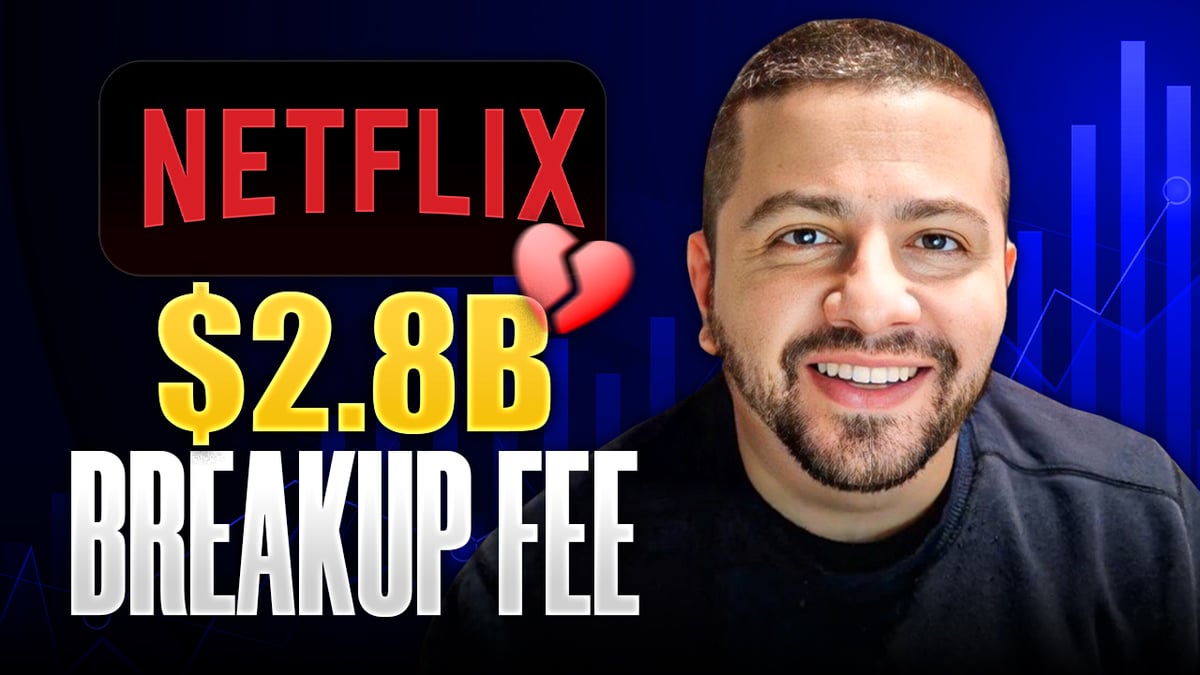
- Earnings Impact: Netflix's quarterly financial results fell short of expectations, leading to a nearly 10% drop in stock price during afternoon trading on April 16, 2026, indicating market concerns about future growth prospects.
- User Growth Slowdown: While Netflix added new subscribers during the quarter, the growth rate significantly slowed, reflecting increased market competition and rising customer acquisition costs, which could impact future revenue growth.
- Content Investment Returns: The company's substantial investment in content has not effectively translated into improved user retention rates, suggesting that its content strategy may need reevaluation to address the intensifying competition in the streaming market.
- Market Reaction: The negative investor response to the earnings report indicates that Netflix faces challenges in maintaining its market leadership, necessitating more effective strategies to restore market confidence moving forward.
See More

Netflix's Competitive Advantages and Market Position
- Brand Recognition: Netflix boasts a 92% brand awareness among U.S. video-on-demand services, bolstered by cultural hits like Stranger Things, Squid Game, and Bridgerton, which enhance user loyalty and market share globally.
- Economies of Scale: With 325 million subscribers by the end of 2025 and Q1 revenue of $12.2 billion, Netflix's impressive 32.3% operating margin allows it to effectively spread high content production costs, maintaining profitability in a competitive streaming market.
- Pricing Strategy: The recent price hike in the U.S. is part of Netflix's long-term strategy, and while the market is becoming more competitive, historical data shows that such increases are generally well-received, supporting continued growth.
- Competitive Market Environment: As competition intensifies in the streaming market, Netflix faces pressure from smaller rivals that struggle to match its content budget and scale, potentially impacting its future market performance and profitability.
See More

Netflix Q1 2026 Earnings Analysis


- Earnings Highlights: Netflix's Q1 2026 earnings report revealed a 13% year-over-year revenue growth, but the stock fell due to slowing growth and co-founder Reed Hastings stepping down, indicating investor concerns about future growth prospects.
- Termination Fee Impact: The report included a $2.8 billion termination fee from Warner Brothers Discovery, which added a positive note to the earnings but is viewed as unsustainable, potentially affecting future profit expectations.
- Ad Revenue Projections: Netflix anticipates ad revenue to reach $3 billion in 2026, nearly doubling from 2025, reflecting the company's efforts to diversify its revenue streams, although overall growth rates have not met market expectations.
- User Engagement Boost: Despite challenges, Netflix achieved an all-time high in user engagement this quarter, launching 70 live events, demonstrating positive progress in content innovation and international market expansion.
See More
Netflix's Competitive Advantages and Market Position
- Brand Influence: With a 92% brand awareness in the U.S. video-on-demand sector, Netflix has established a strong brand presence due to its early entry into the streaming market, which has driven user growth and increased market share.
- Content Creation Ability: Popular shows like 'Stranger Things' and 'Squid Game' have not only gained cultural significance globally but also enhanced the platform's visibility, further solidifying its position in the highly competitive streaming market.
- Economies of Scale: With 325 million subscribers by the end of 2025 and Q1 revenue of $12.2 billion, Netflix's 32.3% operating margin provides a significant cost advantage in content production and licensing, making it difficult for smaller competitors to keep up.
- Pricing Strategy: Netflix's recent price increase in the U.S. is part of a long-term strategy that has generally been well-received; however, maintaining user growth and balancing price hikes will be more challenging in an increasingly competitive market.
See More

Cathie Wood Increases Netflix Stake Amid Disappointing Guidance
- Increased Stake in Netflix: Cathie Wood added to her Netflix position last Friday, despite the company announcing disappointing guidance and a nearly 10% drop in stock price that day, indicating her long-term confidence in the stock.
- Earnings Report Analysis: Netflix's Q1 revenue grew 16% year-over-year to $5.3 billion, exceeding expectations; however, a mere 14% growth on a foreign-exchange neutral basis reveals underlying fragility, potentially shaking investor confidence.
- Management Change Impact: Founder and chairman Reed Hastings will step down in two months, and while he is no longer involved in daily operations, his departure could negatively affect the company's future strategy and increase market uncertainty.
- Advertising Revenue Outlook: Netflix expects ad revenue to double by 2026; despite pressures from price hikes, its ad-supported tiers are rapidly gaining popularity, showcasing the company's adaptability in a volatile market.
See More

iQIYI Plans Major Shift to AI-Generated Content

- Content Generation Transformation: iQIYI expects AI to soon generate a significant portion of its films and shows, marking the largest overhaul in its 16-year history, aimed at enhancing user experience and attracting more viewers.
- Social Media Shift: The company plans to convert its video app and website into a social media platform hosting various AI-generated content, which is expected to enhance user interaction and broaden its audience appeal.
- Investment Restructuring: Founder and CEO Gong Yu stated that while investment in professionally produced content will continue, a portion of capital will be reallocated to strengthen AI services, reflecting the company's strategic focus on AI technology and future development.
- AI Film Initiative: iQIYI aims to release a commercially successful AI-generated film this summer, showcasing its ambition in content innovation and positioning itself to enhance market competitiveness while meeting audience demand for novel content.
See More
Netflix Reports Quarterly Results, Stock Drops Nearly 10%
- Earnings Impact: Netflix's quarterly financial results fell short of expectations, leading to a nearly 10% drop in stock price during afternoon trading on April 16, 2026, indicating market concerns about future growth prospects.
- User Growth Slowdown: While Netflix added new subscribers during the quarter, the growth rate significantly slowed, reflecting increased market competition and rising customer acquisition costs, which could impact future revenue growth.
- Content Investment Returns: The company's substantial investment in content has not effectively translated into improved user retention rates, suggesting that its content strategy may need reevaluation to address the intensifying competition in the streaming market.
- Market Reaction: The negative investor response to the earnings report indicates that Netflix faces challenges in maintaining its market leadership, necessitating more effective strategies to restore market confidence moving forward.
See More
Netflix's Competitive Advantages and Market Position
- Brand Recognition: Netflix boasts a 92% brand awareness among U.S. video-on-demand services, bolstered by cultural hits like Stranger Things, Squid Game, and Bridgerton, which enhance user loyalty and market share globally.
- Economies of Scale: With 325 million subscribers by the end of 2025 and Q1 revenue of $12.2 billion, Netflix's impressive 32.3% operating margin allows it to effectively spread high content production costs, maintaining profitability in a competitive streaming market.
- Pricing Strategy: The recent price hike in the U.S. is part of Netflix's long-term strategy, and while the market is becoming more competitive, historical data shows that such increases are generally well-received, supporting continued growth.
- Competitive Market Environment: As competition intensifies in the streaming market, Netflix faces pressure from smaller rivals that struggle to match its content budget and scale, potentially impacting its future market performance and profitability.
See More
Netflix Q1 2026 Earnings Analysis
- Earnings Highlights: Netflix's Q1 2026 earnings report revealed a 13% year-over-year revenue growth, but the stock fell due to slowing growth and co-founder Reed Hastings stepping down, indicating investor concerns about future growth prospects.
- Termination Fee Impact: The report included a $2.8 billion termination fee from Warner Brothers Discovery, which added a positive note to the earnings but is viewed as unsustainable, potentially affecting future profit expectations.
- Ad Revenue Projections: Netflix anticipates ad revenue to reach $3 billion in 2026, nearly doubling from 2025, reflecting the company's efforts to diversify its revenue streams, although overall growth rates have not met market expectations.
- User Engagement Boost: Despite challenges, Netflix achieved an all-time high in user engagement this quarter, launching 70 live events, demonstrating positive progress in content innovation and international market expansion.
See More
Netflix's Competitive Advantages and Market Position
- Brand Influence: With a 92% brand awareness in the U.S. video-on-demand sector, Netflix has established a strong brand presence due to its early entry into the streaming market, which has driven user growth and increased market share.
- Content Creation Ability: Popular shows like 'Stranger Things' and 'Squid Game' have not only gained cultural significance globally but also enhanced the platform's visibility, further solidifying its position in the highly competitive streaming market.
- Economies of Scale: With 325 million subscribers by the end of 2025 and Q1 revenue of $12.2 billion, Netflix's 32.3% operating margin provides a significant cost advantage in content production and licensing, making it difficult for smaller competitors to keep up.
- Pricing Strategy: Netflix's recent price increase in the U.S. is part of a long-term strategy that has generally been well-received; however, maintaining user growth and balancing price hikes will be more challenging in an increasingly competitive market.
See More
Cathie Wood Increases Netflix Stake Amid Disappointing Guidance
- Increased Stake in Netflix: Cathie Wood added to her Netflix position last Friday, despite the company announcing disappointing guidance and a nearly 10% drop in stock price that day, indicating her long-term confidence in the stock.
- Earnings Report Analysis: Netflix's Q1 revenue grew 16% year-over-year to $5.3 billion, exceeding expectations; however, a mere 14% growth on a foreign-exchange neutral basis reveals underlying fragility, potentially shaking investor confidence.
- Management Change Impact: Founder and chairman Reed Hastings will step down in two months, and while he is no longer involved in daily operations, his departure could negatively affect the company's future strategy and increase market uncertainty.
- Advertising Revenue Outlook: Netflix expects ad revenue to double by 2026; despite pressures from price hikes, its ad-supported tiers are rapidly gaining popularity, showcasing the company's adaptability in a volatile market.
See More
iQIYI Plans Major Shift to AI-Generated Content
- Content Generation Transformation: iQIYI expects AI to soon generate a significant portion of its films and shows, marking the largest overhaul in its 16-year history, aimed at enhancing user experience and attracting more viewers.
- Social Media Shift: The company plans to convert its video app and website into a social media platform hosting various AI-generated content, which is expected to enhance user interaction and broaden its audience appeal.
- Investment Restructuring: Founder and CEO Gong Yu stated that while investment in professionally produced content will continue, a portion of capital will be reallocated to strengthen AI services, reflecting the company's strategic focus on AI technology and future development.
- AI Film Initiative: iQIYI aims to release a commercially successful AI-generated film this summer, showcasing its ambition in content innovation and positioning itself to enhance market competitiveness while meeting audience demand for novel content.
See More