Buffett Bets Big on Oil Giants Chevron and Occidental
Written by Emily J. Thompson, Senior Investment Analyst
Updated: 23 hours ago
0mins

Source: NASDAQ.COM
- Buffett's Investment Strategy: Warren Buffett's Berkshire Hathaway has acquired 6.5% of Chevron and 27% of Occidental Petroleum, making them the fourth and sixth largest holdings, respectively, reflecting confidence in the oil sector amid soaring crude prices.
- Occidental's Financial Performance: Occidental is projected to generate $1.2 billion in additional free cash flow this year without an increase in oil prices, and with rising prices, this figure is expected to increase significantly, providing funds for debt repayment and stock buybacks, showcasing its resilience in a low-price environment.
- Chevron's Growth Potential: Chevron anticipates generating $12.5 billion in incremental free cash flow this year at $70 oil, and with higher prices, its cash flow will further increase, enhancing its capacity for capital projects and shareholder returns.
- Optimistic Industry Outlook: Both companies demonstrate strong performance in low oil price environments, reaffirming Buffett's foresight in the oil sector, and as crude prices continue to rise, they are expected to achieve even higher free cash flows, further solidifying their market positions.
Trade with 70% Backtested Accuracy
Stop guessing "Should I Buy OXY?" and start using high-conviction signals backed by rigorous historical data.
Sign up today to access powerful investing tools and make smarter, data-driven decisions.
Analyst Views on OXY
Wall Street analysts forecast OXY stock price to fall
16 Analyst Rating
4 Buy
9 Hold
3 Sell
Hold
Current: 64.360

Low
38.00
Averages
47.27
High
64.00
Current: 64.360
Low
38.00
Averages
47.27
High
64.00
About OXY
Occidental Petroleum Corporation is an international energy company with assets primarily in the United States, the Middle East and North Africa. The Company is an oil and gas producer in the United States, including a producer in the Permian and DJ basins, and the offshore Gulf of Mexico. Its segments include oil and gas, and midstream and marketing. The oil and gas segment explores for, develops, and produces oil (which includes condensate), natural gas liquids (NGL) and natural gas. The Company's midstream and marketing segment purchases, markets, gathers, processes, transports, and stores oil (which includes condensate), NGL, natural gas, carbon dioxide (CO2) and power. The midstream and marketing segment provides flow assurance and maximizes the value of its oil and gas. It also optimizes its transportation and storage capacity and invests in entities that conduct similar activities. This segment also includes low-carbon venture businesses.
About the author

Emily J. Thompson
Emily J. Thompson, a Chartered Financial Analyst (CFA) with 12 years in investment research, graduated with honors from the Wharton School. Specializing in industrial and technology stocks, she provides in-depth analysis for Intellectia’s earnings and market brief reports.
The Iran Conflict May Persist: Current Investment Opportunities for Success.


- Current Market Status: The Nasdaq is currently in a correction, having dropped over 10% from its recent highs.
- Bear Market Concerns: There are increasing fears that the Nasdaq may soon enter a bear market, defined as a decline of 20%.
- Wall Street Perspective: Despite the downturn, there is a common belief on Wall Street that opportunities for profit exist in other sectors.
- Market Sentiment: The overall sentiment reflects anxiety about the tech-heavy index's performance amidst potential further declines.
See More

European Stocks Expected to Open Lower Amid Escalating Iran Conflict


- Market Expectations Decline: European stocks are anticipated to open lower on Monday as investors grapple with escalating concerns over the Iran war, with the UK's FTSE 100 expected to drop 0.2%, Germany's DAX down 0.6%, France's CAC 40 down 0.4%, and Italy's FTSE MIB down 0.4%, indicating heightened sensitivity to geopolitical risks.
- Oil Prices Surge: West Texas Intermediate crude futures rose 2.58% to $102.19 per barrel during early Asian trading hours, reflecting market concerns over potential supply disruptions due to the escalating conflict, which further intensifies investor focus on energy prices.
- Houthi Movement's Involvement: Yemen's Houthi movement has directly engaged in the conflict by launching missiles at Israel, marking a significant escalation and potentially leading to broader regional instability, which could adversely affect global market sentiment.
- G7 Emergency Meeting: G7 finance ministers, energy ministers, and central bank governors are set to hold an emergency meeting on Monday, marking the fourth ministerial-level gathering since the war began, aimed at coordinating responses to the evolving economic and energy landscape, demonstrating the international community's heightened concern over the situation.
See More
Trump's Intent to Seize Iran's Oil Market Raises Concerns

- Cautious Market Reaction: Trump's declaration of wanting to 'take Iran's oil' while suggesting a 'peace deal could be made fairly quickly' has left markets feeling uneasy, leading investors to adopt a risk-averse stance as Asia-Pacific markets fell sharply on Monday.
- Military Deployment Escalation: The Pentagon is reportedly preparing for weeks of ground operations in Iran, with thousands of American soldiers and Marines arriving in the Middle East, raising concerns about an escalation in the Iran conflict that could disrupt global supply chains and increase prices.
- Rising Oil Price Pressure: Oil prices are climbing again as the conflict intensifies, particularly after Yemen's Iran-backed Houthis fired missiles at Israel, heightening fears over energy supply disruptions that could impact the global economy.
- Shipping Route Risks: The Strait of Hormuz, a vital shipping route, is being impeded by the ongoing war, with industry leaders warning that if it does not reopen by mid-April, supply disruptions could worsen significantly, affecting operations across various sectors.
See More
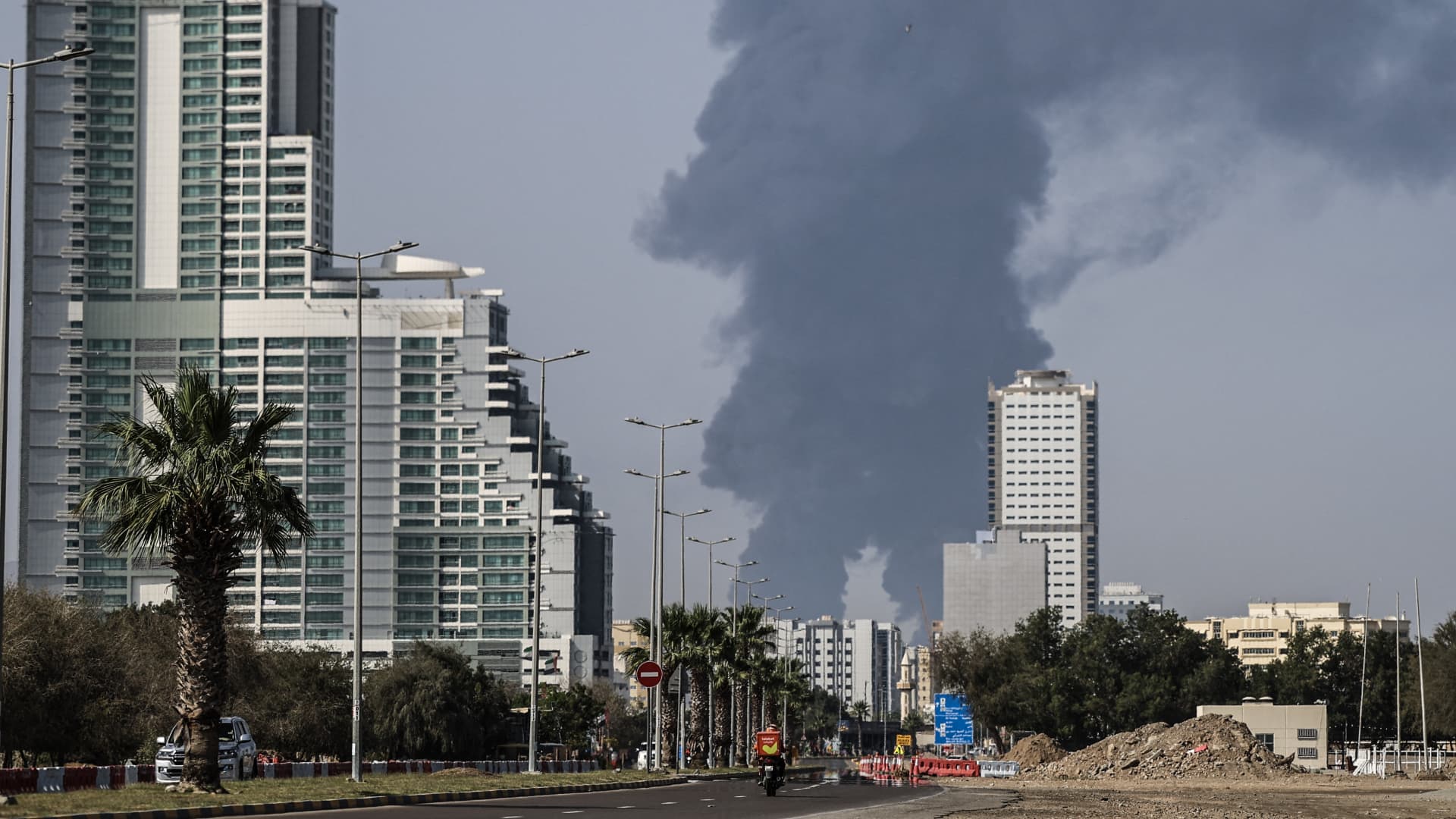
Middle East Tensions Escalate, Oil Prices Surge
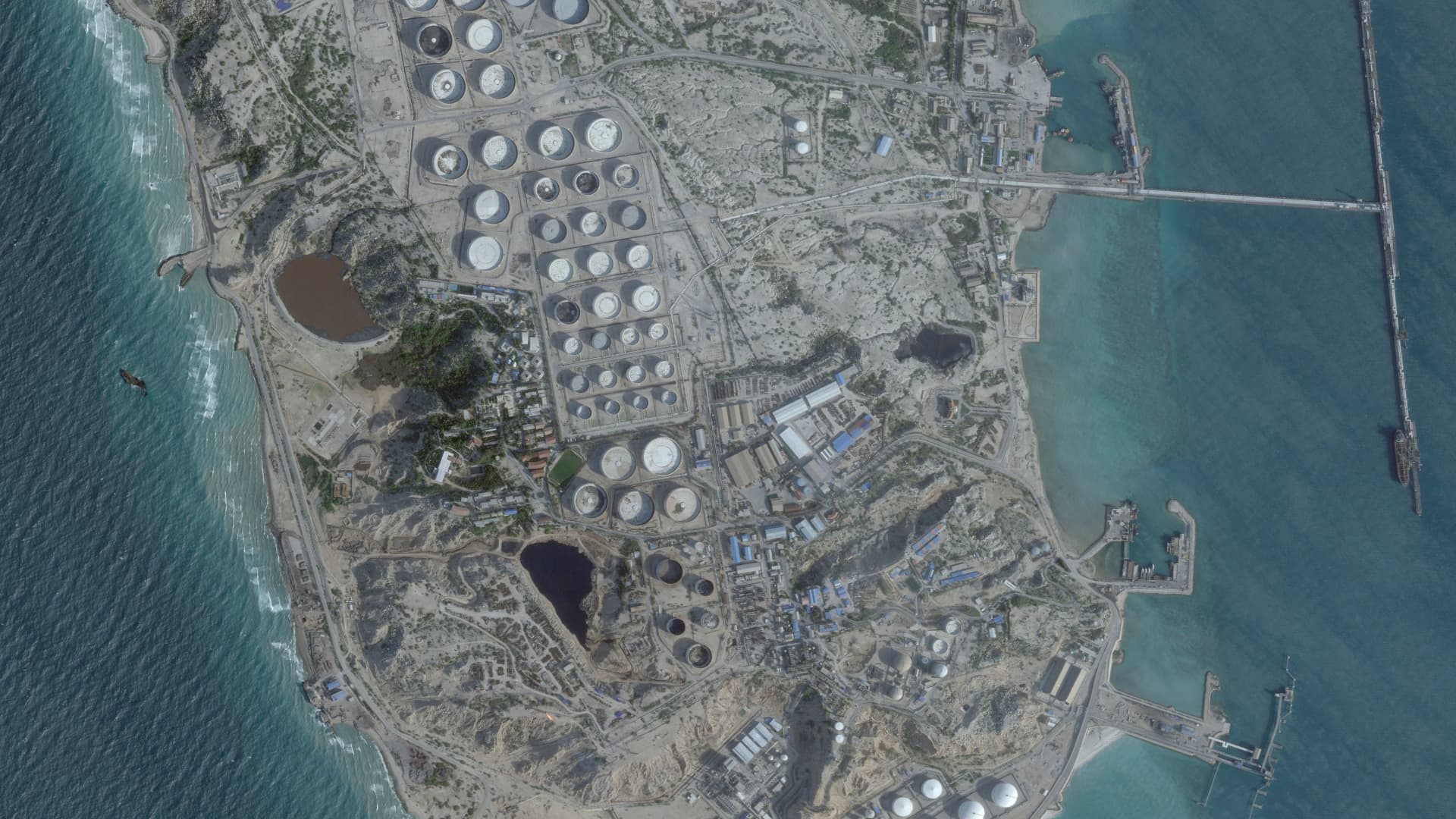
- U.S. Troop Increase: President Trump indicated the possibility of deploying ground forces to Iran's Kharg Island, with 3,500 U.S. troops already in the region, signaling an escalation in military presence that could heighten tensions and impact global energy markets.
- Surging Oil Prices: Brent crude futures rose 2.92% to $115.86 per barrel, while U.S. West Texas Intermediate futures increased by 3.20% to $102.80 per barrel, reflecting market concerns over escalating tensions in the Middle East that could lead to higher energy costs.
- Infrastructure Attacks: An attack on a power generation and desalination plant in Kuwait resulted in the death of an Indian worker, highlighting the threat posed by Iranian aggression to critical infrastructure, which could disrupt water and electricity supplies and escalate regional conflict.
- Houthi Forces Involvement: The Houthi forces from Yemen launched ballistic missiles targeting Israel, further intensifying regional tensions and indicating a broader conflict that could have significant implications for global markets.
See More
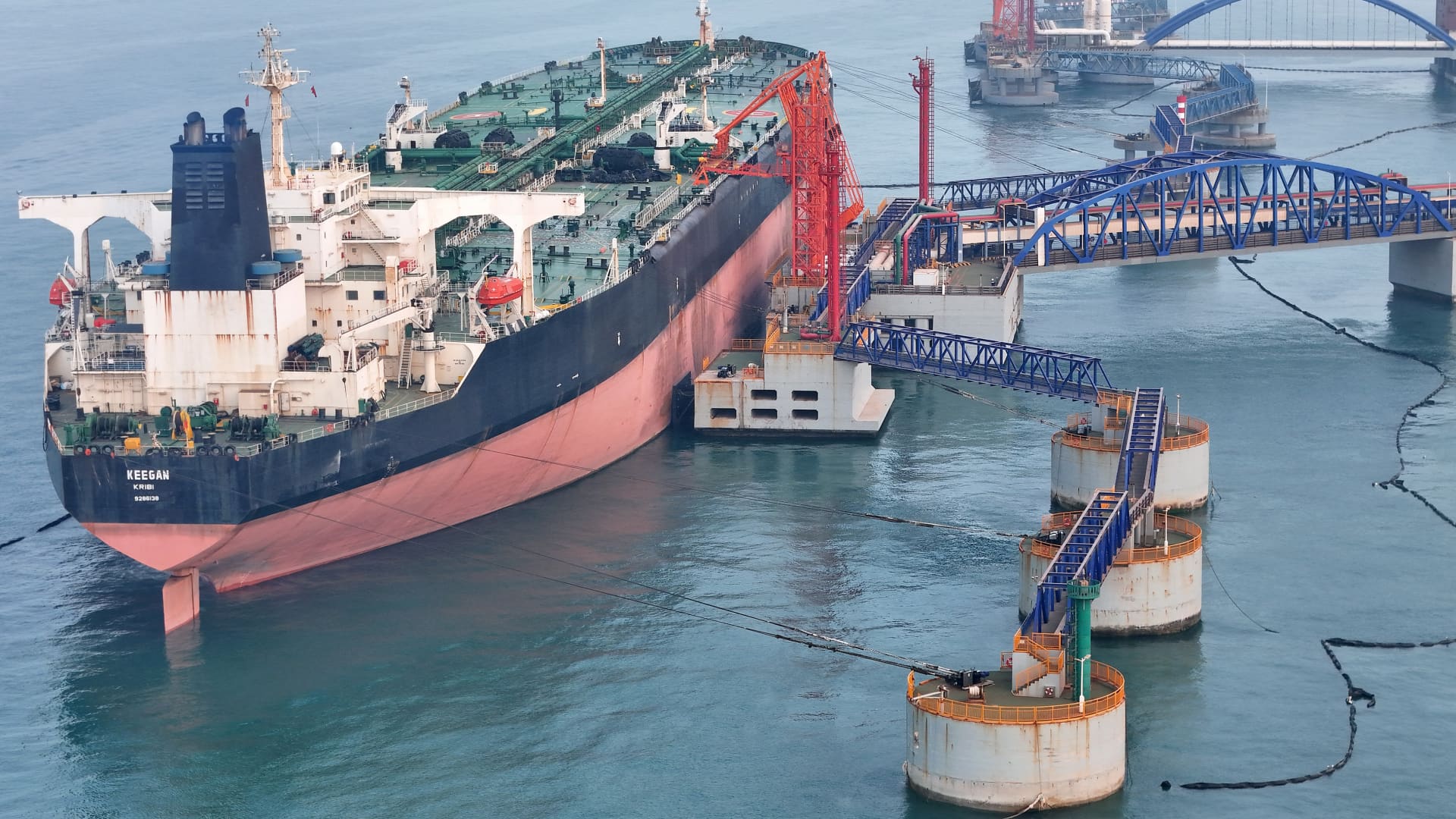
Escalating Impact of Iran War on Oil Markets

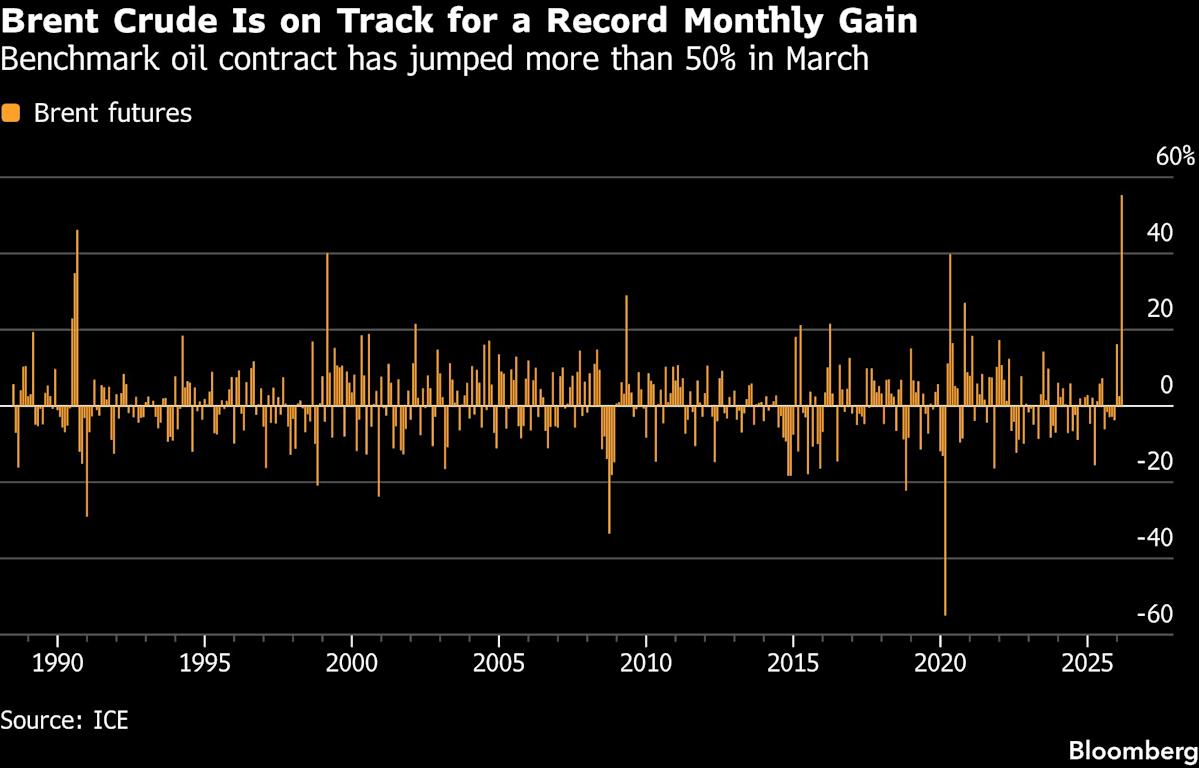
- Surge in Oil Prices: U.S. crude prices have surged over 50% since late February, with Brent up more than 55%, indicating that market concerns over the Iran war are escalating and could lead to greater disruptions in global supply chains.
- Ground Operation Preparations: The Pentagon is preparing for weeks of ground operations in Iran, with thousands of American soldiers and Marines arriving in the Middle East, which could exacerbate market uncertainty and impact oil prices.
- Strait of Hormuz Risks: Industry leaders warn that the vital shipping route of the Strait of Hormuz must reopen by mid-April, or supply disruptions could worsen significantly, further driving up oil prices.
- Market Reaction Fatigue: Following reports of potential ground operations, U.S. equity futures fell on Sunday evening, and Asia-Pacific markets also declined at Monday's open, reflecting investor fatigue over the conflict's headlines and concerns about the future.
See More
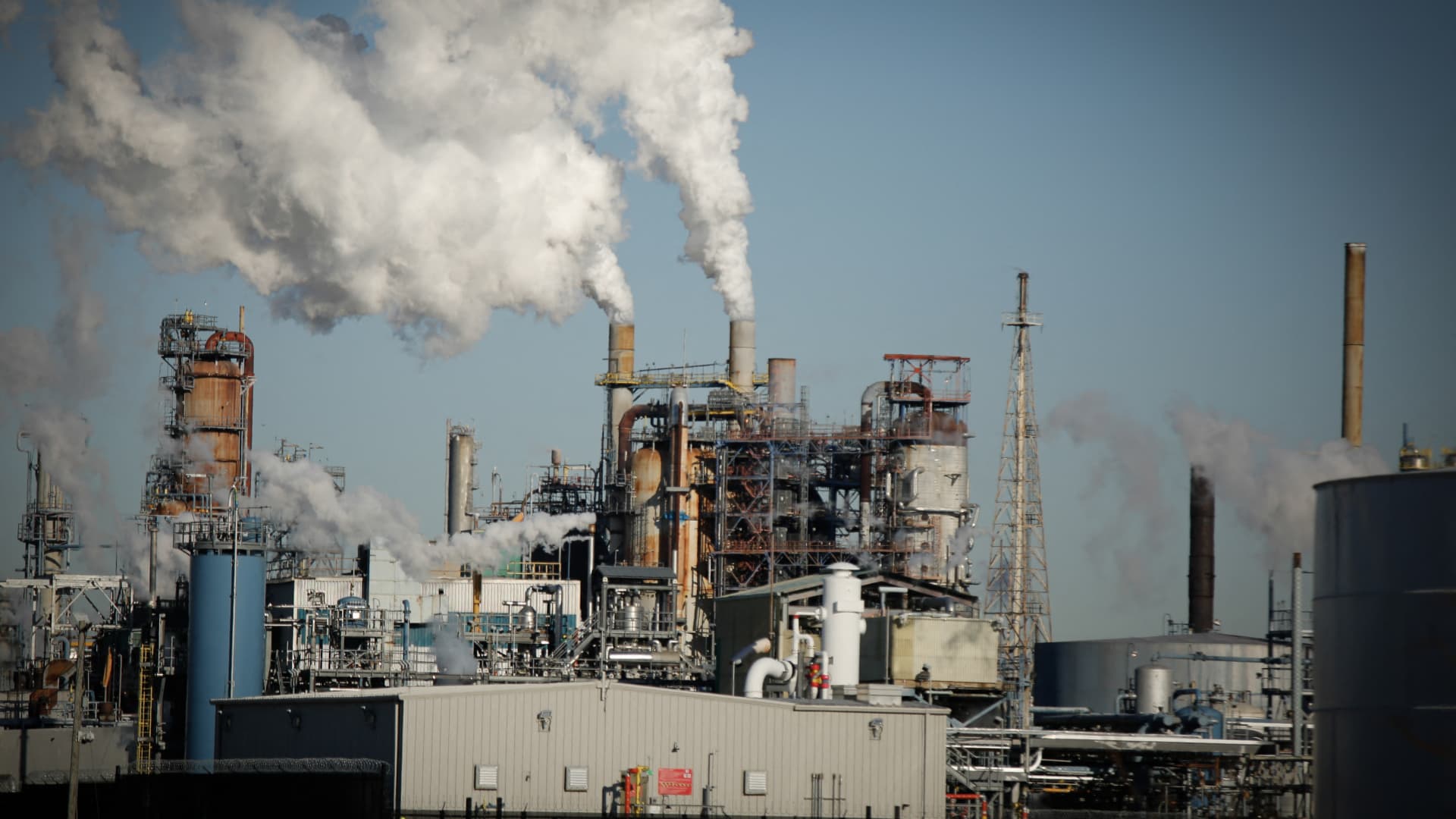
Houthi Missile Strike on Israel Drives Oil Prices Higher
- Oil Price Surge: Following the Houthi missile strike on Israel, Brent crude futures rose by 2.92% to $115.86 per barrel, while WTI futures increased by 3.20% to $102.80 per barrel, indicating a market response to heightened geopolitical risks.
- Conflict Escalation: The Houthis' direct involvement in the U.S.-Israel war against Iran marks a significant escalation, as they targeted sensitive Israeli military sites, potentially leading to increased expectations for oil prices since the conflict began on February 28.
- Market Sentiment: Ed Yardeni of Yardeni Research noted that global equities are beginning to reflect a
See More
The Iran Conflict May Persist: Current Investment Opportunities for Success.
- Current Market Status: The Nasdaq is currently in a correction, having dropped over 10% from its recent highs.
- Bear Market Concerns: There are increasing fears that the Nasdaq may soon enter a bear market, defined as a decline of 20%.
- Wall Street Perspective: Despite the downturn, there is a common belief on Wall Street that opportunities for profit exist in other sectors.
- Market Sentiment: The overall sentiment reflects anxiety about the tech-heavy index's performance amidst potential further declines.
See More
European Stocks Expected to Open Lower Amid Escalating Iran Conflict
- Market Expectations Decline: European stocks are anticipated to open lower on Monday as investors grapple with escalating concerns over the Iran war, with the UK's FTSE 100 expected to drop 0.2%, Germany's DAX down 0.6%, France's CAC 40 down 0.4%, and Italy's FTSE MIB down 0.4%, indicating heightened sensitivity to geopolitical risks.
- Oil Prices Surge: West Texas Intermediate crude futures rose 2.58% to $102.19 per barrel during early Asian trading hours, reflecting market concerns over potential supply disruptions due to the escalating conflict, which further intensifies investor focus on energy prices.
- Houthi Movement's Involvement: Yemen's Houthi movement has directly engaged in the conflict by launching missiles at Israel, marking a significant escalation and potentially leading to broader regional instability, which could adversely affect global market sentiment.
- G7 Emergency Meeting: G7 finance ministers, energy ministers, and central bank governors are set to hold an emergency meeting on Monday, marking the fourth ministerial-level gathering since the war began, aimed at coordinating responses to the evolving economic and energy landscape, demonstrating the international community's heightened concern over the situation.
See More
Trump's Intent to Seize Iran's Oil Market Raises Concerns
- Cautious Market Reaction: Trump's declaration of wanting to 'take Iran's oil' while suggesting a 'peace deal could be made fairly quickly' has left markets feeling uneasy, leading investors to adopt a risk-averse stance as Asia-Pacific markets fell sharply on Monday.
- Military Deployment Escalation: The Pentagon is reportedly preparing for weeks of ground operations in Iran, with thousands of American soldiers and Marines arriving in the Middle East, raising concerns about an escalation in the Iran conflict that could disrupt global supply chains and increase prices.
- Rising Oil Price Pressure: Oil prices are climbing again as the conflict intensifies, particularly after Yemen's Iran-backed Houthis fired missiles at Israel, heightening fears over energy supply disruptions that could impact the global economy.
- Shipping Route Risks: The Strait of Hormuz, a vital shipping route, is being impeded by the ongoing war, with industry leaders warning that if it does not reopen by mid-April, supply disruptions could worsen significantly, affecting operations across various sectors.
See More
Middle East Tensions Escalate, Oil Prices Surge
- U.S. Troop Increase: President Trump indicated the possibility of deploying ground forces to Iran's Kharg Island, with 3,500 U.S. troops already in the region, signaling an escalation in military presence that could heighten tensions and impact global energy markets.
- Surging Oil Prices: Brent crude futures rose 2.92% to $115.86 per barrel, while U.S. West Texas Intermediate futures increased by 3.20% to $102.80 per barrel, reflecting market concerns over escalating tensions in the Middle East that could lead to higher energy costs.
- Infrastructure Attacks: An attack on a power generation and desalination plant in Kuwait resulted in the death of an Indian worker, highlighting the threat posed by Iranian aggression to critical infrastructure, which could disrupt water and electricity supplies and escalate regional conflict.
- Houthi Forces Involvement: The Houthi forces from Yemen launched ballistic missiles targeting Israel, further intensifying regional tensions and indicating a broader conflict that could have significant implications for global markets.
See More
Escalating Impact of Iran War on Oil Markets
- Surge in Oil Prices: U.S. crude prices have surged over 50% since late February, with Brent up more than 55%, indicating that market concerns over the Iran war are escalating and could lead to greater disruptions in global supply chains.
- Ground Operation Preparations: The Pentagon is preparing for weeks of ground operations in Iran, with thousands of American soldiers and Marines arriving in the Middle East, which could exacerbate market uncertainty and impact oil prices.
- Strait of Hormuz Risks: Industry leaders warn that the vital shipping route of the Strait of Hormuz must reopen by mid-April, or supply disruptions could worsen significantly, further driving up oil prices.
- Market Reaction Fatigue: Following reports of potential ground operations, U.S. equity futures fell on Sunday evening, and Asia-Pacific markets also declined at Monday's open, reflecting investor fatigue over the conflict's headlines and concerns about the future.
See More
Houthi Missile Strike on Israel Drives Oil Prices Higher
- Oil Price Surge: Following the Houthi missile strike on Israel, Brent crude futures rose by 2.92% to $115.86 per barrel, while WTI futures increased by 3.20% to $102.80 per barrel, indicating a market response to heightened geopolitical risks.
- Conflict Escalation: The Houthis' direct involvement in the U.S.-Israel war against Iran marks a significant escalation, as they targeted sensitive Israeli military sites, potentially leading to increased expectations for oil prices since the conflict began on February 28.
- Market Sentiment: Ed Yardeni of Yardeni Research noted that global equities are beginning to reflect a
See More