Brinker International, Cisco And 3 Stocks To Watch Heading Into Wednesday
Written by Emily J. Thompson, Senior Investment Analyst
Updated: Aug 13 2025
0mins


Should l Buy CSCO?
Source: Benzinga
Earnings Reports: Brinker International and Performance Food Group are expected to report quarterly earnings today, with Brinker projected at $2.38 per share and Performance Food Group at $1.45 per share. Both companies saw slight increases in their stock prices during after-hours trading.
Mixed Financial Results: Carparts.Com reported disappointing second-quarter results and is not providing future guidance, leading to an 11.9% drop in its stock. CoreWeave also had mixed results, beating revenue expectations but missing on earnings, resulting in a 10.4% decline in its stock price.
Trade with 70% Backtested Accuracy
Stop guessing "Should I Buy CSCO?" and start using high-conviction signals backed by rigorous historical data.
Sign up today to access powerful investing tools and make smarter, data-driven decisions.
Analyst Views on CSCO
Wall Street analysts forecast CSCO stock price to rise
13 Analyst Rating
10 Buy
3 Hold
0 Sell
Strong Buy
Current: 87.710

Low
76.00
Averages
91.30
High
100.00
Current: 87.710
Low
76.00
Averages
91.30
High
100.00
About CSCO
Cisco Systems, Inc. designs and sells a range of technologies that power the Internet. The Company is integrating its product portfolios across networking, security, collaboration, applications and cloud. The Company's segments include the Americas; Europe, Middle East, and Africa (EMEA), and Asia Pacific, Japan, and China (APJC). Its Networking product category represents its core networking technologies of switching, routing, wireless, fifth generation (5G), silicon, optics solutions and compute products. Its Security product category consists of its cloud and application security, industrial security, network security, and user and device security offerings. Its Collaboration product category consists of its meetings, collaboration devices, calling, contact center and platform as a service (CPaaS) offering. Its Observability product category consists of its full stack observability offerings.
About the author

Emily J. Thompson
Emily J. Thompson, a Chartered Financial Analyst (CFA) with 12 years in investment research, graduated with honors from the Wharton School. Specializing in industrial and technology stocks, she provides in-depth analysis for Intellectia’s earnings and market brief reports.

Latest Stock Updates from Analyst Blog


- Broadcom's Strong Growth: Broadcom's shares have risen 19.1% over the past six months, lagging behind the semiconductor industry's 27.3% growth, driven by robust demand for AI semiconductors and successful VMware integration, with Q2 fiscal 2026 AI revenues expected to surge 140% year-over-year to $10.7 billion.
- JPMorgan's Steady Performance: JPMorgan's stock has gained 5.5% in the last six months, below the investment banking industry's 8.6% increase, although its Q1 results showed solid revenue momentum, with 2026 tech spending projected at $19.8 billion despite pressure from declining interest rates.
- Cisco's Market Advantage: Cisco's shares have increased by 23.3% over the past six months, outperforming the computer networking industry's 22.6% growth, benefiting from strong product orders from hyperscalers, with AI infrastructure revenue expected to exceed $3 billion in fiscal 2026, despite intensifying competition.
- CompX International's Stable Performance: CompX International's stock has risen 2.6% over the past six months, outperforming the office supplies industry's -7.8% average, supported by stable demand in government and industrial sectors, although facing inflationary pressures and rising inventory levels.
See More

Nokia Stock Rises 2.81% Amid Institutional Repositioning


- Stock Price Increase: Nokia (NOK) closed at $10.61 today, up 2.91%, reflecting market optimism ahead of its upcoming Q1 2026 earnings report, particularly regarding AI and optical networking.
- Surge in Trading Volume: Today's trading volume reached 89 million shares, approximately 54% above the three-month average, indicating increased investor interest likely driven by institutional repositioning.
- Industry Trends: With rising demand for optical and AI-driven networking infrastructure, Nokia is expected to showcase strong growth potential in its upcoming earnings report, further solidifying its market position.
- Complex Market Environment: Despite the growth in demand for optical and AI networks, Nokia faces ongoing profitability challenges, as evidenced by Ericsson's significant profit decline due to restructuring and rising component costs, highlighting the competitive pressures in the industry.
See More

Nokia Stock Rises as Investors Eye Upcoming Earnings
- Stock Price Increase: Nokia closed at $10.61 on Monday, up 2.91%, primarily driven by disclosures of institutional repositioning by Waterfront Wealth, indicating a growing optimism in the market regarding its future performance.
- Surge in Trading Volume: The company's trading volume reached 87 million shares, which is 54% higher than the three-month average of 56.5 million shares, suggesting a significant increase in investor interest that may lead to greater volatility ahead of its earnings report.
- Industry Trends: With rising demand for optical and AI-driven networking infrastructure, Nokia's upcoming Q1 2026 earnings report is expected to reflect strong growth momentum, although the industry remains mixed as competitors like Ericsson face profit declines due to restructuring pressures.
- Investor Caution: Despite the optimistic outlook for Nokia, it was not included in The Motley Fool Stock Advisor's list of top investment stocks, advising investors to carefully consider market risks before making investment decisions.
See More

Q2 Metals Reveals Inferred Mineral Resource Estimate for Cisco Lithium Project: 295 Million Tonnes at 1.36% Li₂O Grade

- Project Announcement: Meta has announced the estimation of inferred mineral resources for the Ciscolithium project.
- Resource Estimate: The project is estimated to contain 295 million tonnes of mineral resources grading 1.36% lithium oxide (Li₂O).
See More

Analysis of Cisco Systems' Latest 13F Filings
- Position Changes: In the latest 13F filings, 27 hedge funds held Cisco Systems (CSCO), with 11 increasing their positions and 7 decreasing them as of March 31, 2026, indicating a divergence in market sentiment towards the stock.
- Aggregate Holdings Decline: The total CSCO shares held by hedge funds dropped to 44,412,838 from 53,776,806, a decrease of 9,363,968 shares or approximately 17.41%, reflecting a more cautious outlook on Cisco in the market.
- New Positions: Among the latest 13F filers, 3 funds established new positions in Cisco, suggesting potential optimism despite the overall decline in holdings, which could indicate a strategic bet on the company's future performance.
- Market Sentiment Caution: While 13F filings only disclose long positions, the short strategies of hedge funds may remain hidden, necessitating careful analysis to avoid misinterpreting market sentiment.
See More
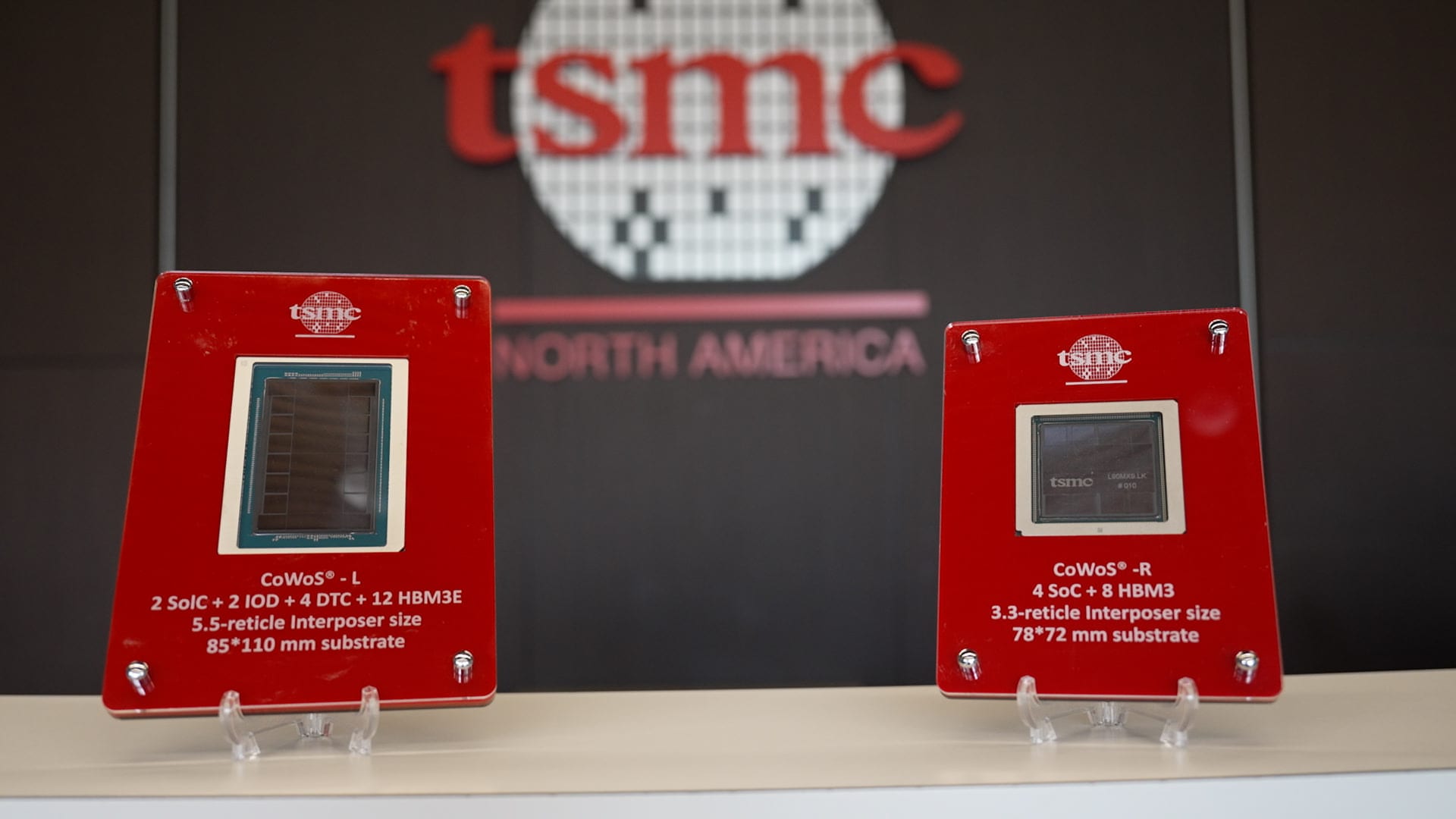
TSMC and ASML Report Strong Earnings but Stocks Decline


- Record Profits for TSMC: TSMC reported a 58% year-over-year profit increase in Q1, reaching a new high, indicating robust demand for AI chips; however, its stock fell about 2%, reflecting market caution regarding future expectations.
- Rising Revenue from High-Performance Computing: The high-performance computing segment accounted for 61% of TSMC's total revenue in Q1, up from 55% in the previous quarter, highlighting the company's strengthened position in the AI market, despite an 11% decline in smartphone revenue.
- ASML Delivery Expectations: ASML anticipates delivering 80 low numerical aperture EUV machines in 2027, a figure that fell short of market expectations for 90 units, leading to a 3% drop in stock price following the earnings report.
- Increased Capital Expenditure Plans: TSMC expects capital expenditures to reach $52-$56 billion in 2026, significantly up from $40.5 billion in 2025, demonstrating the company's commitment to expanding advanced chip manufacturing capacity, although the market remains cautious about achieving its targeted 30% annual growth.
See More
Latest Stock Updates from Analyst Blog
- Broadcom's Strong Growth: Broadcom's shares have risen 19.1% over the past six months, lagging behind the semiconductor industry's 27.3% growth, driven by robust demand for AI semiconductors and successful VMware integration, with Q2 fiscal 2026 AI revenues expected to surge 140% year-over-year to $10.7 billion.
- JPMorgan's Steady Performance: JPMorgan's stock has gained 5.5% in the last six months, below the investment banking industry's 8.6% increase, although its Q1 results showed solid revenue momentum, with 2026 tech spending projected at $19.8 billion despite pressure from declining interest rates.
- Cisco's Market Advantage: Cisco's shares have increased by 23.3% over the past six months, outperforming the computer networking industry's 22.6% growth, benefiting from strong product orders from hyperscalers, with AI infrastructure revenue expected to exceed $3 billion in fiscal 2026, despite intensifying competition.
- CompX International's Stable Performance: CompX International's stock has risen 2.6% over the past six months, outperforming the office supplies industry's -7.8% average, supported by stable demand in government and industrial sectors, although facing inflationary pressures and rising inventory levels.
See More
Nokia Stock Rises 2.81% Amid Institutional Repositioning
- Stock Price Increase: Nokia (NOK) closed at $10.61 today, up 2.91%, reflecting market optimism ahead of its upcoming Q1 2026 earnings report, particularly regarding AI and optical networking.
- Surge in Trading Volume: Today's trading volume reached 89 million shares, approximately 54% above the three-month average, indicating increased investor interest likely driven by institutional repositioning.
- Industry Trends: With rising demand for optical and AI-driven networking infrastructure, Nokia is expected to showcase strong growth potential in its upcoming earnings report, further solidifying its market position.
- Complex Market Environment: Despite the growth in demand for optical and AI networks, Nokia faces ongoing profitability challenges, as evidenced by Ericsson's significant profit decline due to restructuring and rising component costs, highlighting the competitive pressures in the industry.
See More
Nokia Stock Rises as Investors Eye Upcoming Earnings
- Stock Price Increase: Nokia closed at $10.61 on Monday, up 2.91%, primarily driven by disclosures of institutional repositioning by Waterfront Wealth, indicating a growing optimism in the market regarding its future performance.
- Surge in Trading Volume: The company's trading volume reached 87 million shares, which is 54% higher than the three-month average of 56.5 million shares, suggesting a significant increase in investor interest that may lead to greater volatility ahead of its earnings report.
- Industry Trends: With rising demand for optical and AI-driven networking infrastructure, Nokia's upcoming Q1 2026 earnings report is expected to reflect strong growth momentum, although the industry remains mixed as competitors like Ericsson face profit declines due to restructuring pressures.
- Investor Caution: Despite the optimistic outlook for Nokia, it was not included in The Motley Fool Stock Advisor's list of top investment stocks, advising investors to carefully consider market risks before making investment decisions.
See More
Q2 Metals Reveals Inferred Mineral Resource Estimate for Cisco Lithium Project: 295 Million Tonnes at 1.36% Li₂O Grade
- Project Announcement: Meta has announced the estimation of inferred mineral resources for the Ciscolithium project.
- Resource Estimate: The project is estimated to contain 295 million tonnes of mineral resources grading 1.36% lithium oxide (Li₂O).
See More
Analysis of Cisco Systems' Latest 13F Filings
- Position Changes: In the latest 13F filings, 27 hedge funds held Cisco Systems (CSCO), with 11 increasing their positions and 7 decreasing them as of March 31, 2026, indicating a divergence in market sentiment towards the stock.
- Aggregate Holdings Decline: The total CSCO shares held by hedge funds dropped to 44,412,838 from 53,776,806, a decrease of 9,363,968 shares or approximately 17.41%, reflecting a more cautious outlook on Cisco in the market.
- New Positions: Among the latest 13F filers, 3 funds established new positions in Cisco, suggesting potential optimism despite the overall decline in holdings, which could indicate a strategic bet on the company's future performance.
- Market Sentiment Caution: While 13F filings only disclose long positions, the short strategies of hedge funds may remain hidden, necessitating careful analysis to avoid misinterpreting market sentiment.
See More
TSMC and ASML Report Strong Earnings but Stocks Decline
- Record Profits for TSMC: TSMC reported a 58% year-over-year profit increase in Q1, reaching a new high, indicating robust demand for AI chips; however, its stock fell about 2%, reflecting market caution regarding future expectations.
- Rising Revenue from High-Performance Computing: The high-performance computing segment accounted for 61% of TSMC's total revenue in Q1, up from 55% in the previous quarter, highlighting the company's strengthened position in the AI market, despite an 11% decline in smartphone revenue.
- ASML Delivery Expectations: ASML anticipates delivering 80 low numerical aperture EUV machines in 2027, a figure that fell short of market expectations for 90 units, leading to a 3% drop in stock price following the earnings report.
- Increased Capital Expenditure Plans: TSMC expects capital expenditures to reach $52-$56 billion in 2026, significantly up from $40.5 billion in 2025, demonstrating the company's commitment to expanding advanced chip manufacturing capacity, although the market remains cautious about achieving its targeted 30% annual growth.
See More