Biman Bangladesh Airlines Places Largest Order for 14 Boeing Aircraft
Written by Emily J. Thompson, Senior Investment Analyst
Updated: 5 days ago
0mins
Should l Buy BA?
Source: PRnewswire
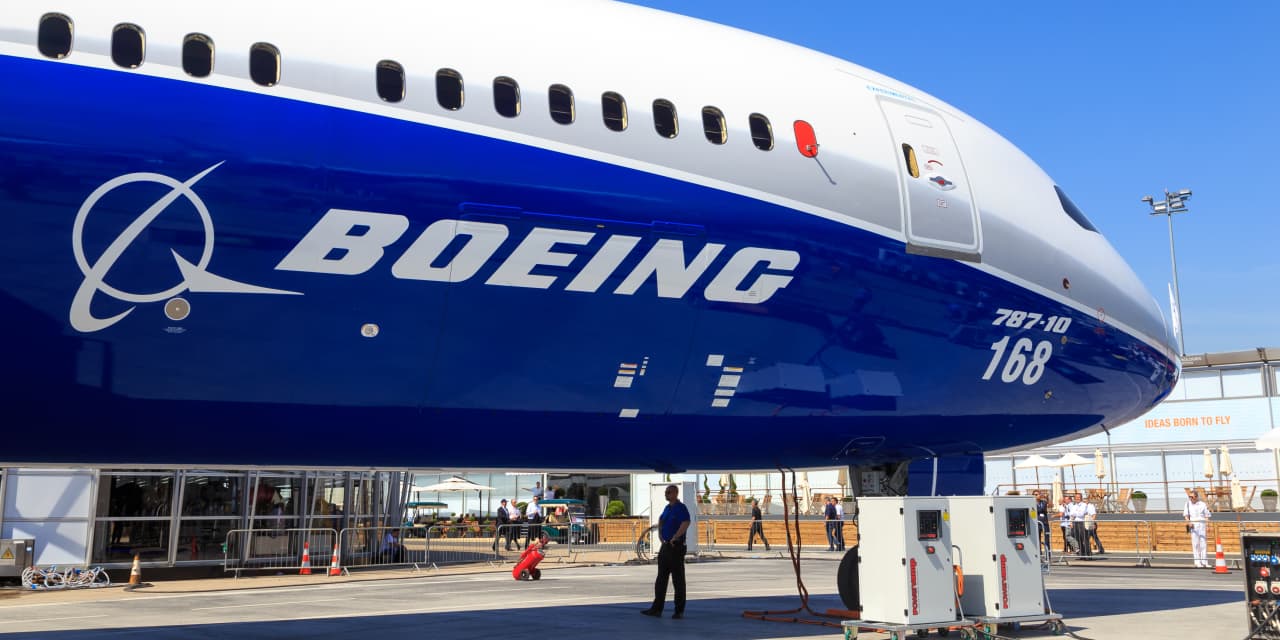
- Historic Order: Biman Bangladesh Airlines has placed its largest-ever order for 14 Boeing 787 Dreamliner and 737 MAX aircraft, aimed at expanding and modernizing its fleet, enhancing operational performance, and strengthening its international route network.
- Fuel Efficiency Gains: The new models, including the 787-10 and 737-8, will deliver a 20-25% improvement in fuel usage, with the 787-10 offering the lowest cost per seat, thereby boosting passenger and cargo capacity to meet growing regional demand.
- Enhanced Passenger Experience: The 787-10 features a comfortable cabin with the largest windows, lower cabin altitude, and technology that mitigates turbulence, designed to improve passenger comfort and further enhance the airline's competitive edge in the market.
- Promising Market Outlook: Boeing's market outlook indicates that South Asia's widebody fleet will triple over the next 20 years, with Biman Bangladesh Airlines poised to play a crucial role in meeting the anticipated growth in air travel demand, thereby solidifying the country's position in the global aviation market.
Trade with 70% Backtested Accuracy
Stop guessing "Should I Buy BA?" and start using high-conviction signals backed by rigorous historical data.
Sign up today to access powerful investing tools and make smarter, data-driven decisions.
Analyst Views on BA
Wall Street analysts forecast BA stock price to rise
16 Analyst Rating
14 Buy
1 Hold
1 Sell
Strong Buy
Current: 224.380

Low
150.00
Averages
269.14
High
298.00
Current: 224.380
Low
150.00
Averages
269.14
High
298.00
About BA
The Boeing Company is an aerospace company. Its segments include Commercial Airplanes (BCA), Defense, Space & Security (BDS), and Global Services (BGS). Its BCA segment develops, produces and markets commercial jet aircraft principally for the commercial airline industry worldwide. Its family of commercial jet aircraft in production includes the 737 narrow-body model and the 767, 777 and 787 wide-body models. Its BDS segment is engaged in the research, development, production and modification of manned and unmanned military aircraft and weapons systems for strike, surveillance and mobility. Its BGS segment provides services to its commercial and defense customers worldwide. It sustains aerospace platforms and systems with a range of products and services, including supply chain and logistics management, engineering, maintenance and modifications, upgrades and conversions, spare parts, pilot and maintenance training systems and services, technical and maintenance documents, and others.
About the author

Emily J. Thompson
Emily J. Thompson, a Chartered Financial Analyst (CFA) with 12 years in investment research, graduated with honors from the Wharton School. Specializing in industrial and technology stocks, she provides in-depth analysis for Intellectia’s earnings and market brief reports.

Alaska Airlines Fully Adopts Boeing's Virtual Airplane for Pilot Training

- Innovative Training Partnership: Alaska Airlines has signed a formal licensing agreement with Boeing to fully adopt the Virtual Airplane (VA) training platform, marking a deep collaboration that enhances flexibility and effectiveness in pilot training.
- Modular Training Solution: The Virtual Airplane serves as a device-agnostic, modular training solution that allows pilots to practice high-fidelity procedures anytime and anywhere, thereby improving pilot readiness and reducing simulator familiarization time.
- Integration and Improvement: Alaska Airlines plans to fully integrate the Virtual Airplane technology into its ground school curriculum, further enhancing training effectiveness and pilot proficiency to ensure flight safety and operational efficiency.
- Future Expansion Plans: Currently, the Procedures Trainer module is available for Boeing 737 MAX training, with plans to expand to additional Boeing models in the near future, demonstrating Boeing's ongoing commitment to innovation in aviation training.
See More

Market Update: Stocks Rise as Oil Prices Fall

- War Ending Anticipation: Stock futures rose as Axios reported that the Iran war may soon end, with the S&P 500 and Nasdaq hitting record highs yesterday, reflecting investor optimism about economic recovery prospects.
- Aerospace Stock Surge: Travel and aerospace stocks are poised to benefit if the war concludes, with Boeing shares up about 4% and Delta Airlines rising 6%, indicating strong market expectations for a rebound in air travel demand.
- Optical Technology Deal: Corning and Nvidia announced a significant deal, with Corning set to build three new plants, increasing its domestic optical manufacturing capacity tenfold, leading to a 15% surge in Corning's stock, highlighting strong demand for optical technology over copper.
- AI Market Growth: AMD's second-quarter guidance exceeded expectations, predicting the server CPU market will reach $120 billion by 2030, with AMD shares soaring 15%, indicating sustained growth in the semiconductor industry driven by AI technology.
See More
New Developments in China Eastern Airlines Crash Investigation
- Fuel Supply Interruption: The NTSB's recent data indicates that the fuel supply to both engines of China Eastern Airlines flight MU5735 was simultaneously cut off before the crash in March 2022, resulting in the deaths of all 132 people on board, highlighting severe safety risks in aviation.
- Flight Data Insights: The NTSB report reveals that while cruising at 29,000 feet, the fuel switches for both engines moved from the run to cutoff position, causing a decrease in engine speeds, suggesting potential human error or system failure.
- Slow Investigation Progress: Despite the NTSB's preliminary findings, Chinese regulators have not released a comprehensive report in over two years, and the lack of transparency may undermine public trust in aviation safety.
- Black Box Analysis: The flight data recorder from the crashed Boeing 737-800 has been sent to the NTSB laboratory for analysis, as Boeing is an American manufacturer, which may affect international cooperation and trust in the investigation results.
See More

U.S. Approves $540 Million C-17 Sale to Canada
- Transaction Size: The U.S. State Department has approved a $540 million sale of C-17 sustainment services and related equipment to Canada, indicating strong defense collaboration between the two nations.
- Primary Contractor: Boeing will serve as the principal contractor for this deal, which is expected to enhance its competitive position in the international defense market through the provision of services and equipment.
- Strategic Implications: This transaction not only boosts Canada's military capabilities but may also foster defense cooperation between the U.S. and its allies, further solidifying North American defense integration.
- Market Impact: Following the approval of this deal, Boeing's stock price may experience a positive impact, reflecting investor confidence in the growth potential of its defense business.
See More

U.S. Army Drives Integration of Weapons Systems with AI

- Integration Hackathon: Army Secretary Dan Driscoll has initiated the “Right to Integrate Hackathon” to address the issue of military technology operating in silos, collaborating with firms like Palantir and Anduril to enhance seamless communication and AI integration in weapon systems.
- Phase One Focus: The first phase will target air defense systems, drones, and missiles, involving over 50 platforms, with major defense contractors like Lockheed Martin and Northrop Grumman participating, highlighting the military's urgent need for modernization.
- Open Architecture Testing: Anduril's Lattice platform will serve as a test system to validate integration, aiming to accelerate deployment and improve AI-driven decision support while ensuring human control, reflecting a strong emphasis on rapid response capabilities.
- Procurement Modernization: This initiative signifies a modernization of Pentagon procurement processes, shifting from closed systems to a more interoperable and adaptable battlefield network, thereby enhancing overall operational efficiency and flexibility.
See More
Alaska Airlines Signs License Agreement for Boeing's Virtual Airplane
- Partnership Deepening: Alaska Airlines signed a formal license agreement with Boeing at the World Aviation Training Summit in Orlando, marking a significant evolution in their collaboration on the Virtual Airplane, which is expected to enhance pilot training efficiency and safety.
- Innovative Training Platform: The Virtual Airplane, a device-agnostic modular training solution, allows pilots to practice high-fidelity procedures anytime and anywhere, thereby standardizing training and reducing simulator familiarization time, ultimately improving pilot readiness.
- Modular Tool Suite: The first module, Procedures Trainer, is now available for Boeing 737 MAX training, with plans to expand to additional Boeing models, further enhancing training flexibility and effectiveness to meet the evolving needs of the aviation industry.
- Commitment to Safety and Innovation: Boeing's VP Chris Broom emphasized that Alaska Airlines' commitment to innovation and safety has been crucial in the development of the Virtual Airplane, and their partnership will modernize pilot training and enhance overall operational readiness.
See More
Alaska Airlines Fully Adopts Boeing's Virtual Airplane for Pilot Training
- Innovative Training Partnership: Alaska Airlines has signed a formal licensing agreement with Boeing to fully adopt the Virtual Airplane (VA) training platform, marking a deep collaboration that enhances flexibility and effectiveness in pilot training.
- Modular Training Solution: The Virtual Airplane serves as a device-agnostic, modular training solution that allows pilots to practice high-fidelity procedures anytime and anywhere, thereby improving pilot readiness and reducing simulator familiarization time.
- Integration and Improvement: Alaska Airlines plans to fully integrate the Virtual Airplane technology into its ground school curriculum, further enhancing training effectiveness and pilot proficiency to ensure flight safety and operational efficiency.
- Future Expansion Plans: Currently, the Procedures Trainer module is available for Boeing 737 MAX training, with plans to expand to additional Boeing models in the near future, demonstrating Boeing's ongoing commitment to innovation in aviation training.
See More
Market Update: Stocks Rise as Oil Prices Fall
- War Ending Anticipation: Stock futures rose as Axios reported that the Iran war may soon end, with the S&P 500 and Nasdaq hitting record highs yesterday, reflecting investor optimism about economic recovery prospects.
- Aerospace Stock Surge: Travel and aerospace stocks are poised to benefit if the war concludes, with Boeing shares up about 4% and Delta Airlines rising 6%, indicating strong market expectations for a rebound in air travel demand.
- Optical Technology Deal: Corning and Nvidia announced a significant deal, with Corning set to build three new plants, increasing its domestic optical manufacturing capacity tenfold, leading to a 15% surge in Corning's stock, highlighting strong demand for optical technology over copper.
- AI Market Growth: AMD's second-quarter guidance exceeded expectations, predicting the server CPU market will reach $120 billion by 2030, with AMD shares soaring 15%, indicating sustained growth in the semiconductor industry driven by AI technology.
See More
New Developments in China Eastern Airlines Crash Investigation
- Fuel Supply Interruption: The NTSB's recent data indicates that the fuel supply to both engines of China Eastern Airlines flight MU5735 was simultaneously cut off before the crash in March 2022, resulting in the deaths of all 132 people on board, highlighting severe safety risks in aviation.
- Flight Data Insights: The NTSB report reveals that while cruising at 29,000 feet, the fuel switches for both engines moved from the run to cutoff position, causing a decrease in engine speeds, suggesting potential human error or system failure.
- Slow Investigation Progress: Despite the NTSB's preliminary findings, Chinese regulators have not released a comprehensive report in over two years, and the lack of transparency may undermine public trust in aviation safety.
- Black Box Analysis: The flight data recorder from the crashed Boeing 737-800 has been sent to the NTSB laboratory for analysis, as Boeing is an American manufacturer, which may affect international cooperation and trust in the investigation results.
See More
U.S. Approves $540 Million C-17 Sale to Canada
- Transaction Size: The U.S. State Department has approved a $540 million sale of C-17 sustainment services and related equipment to Canada, indicating strong defense collaboration between the two nations.
- Primary Contractor: Boeing will serve as the principal contractor for this deal, which is expected to enhance its competitive position in the international defense market through the provision of services and equipment.
- Strategic Implications: This transaction not only boosts Canada's military capabilities but may also foster defense cooperation between the U.S. and its allies, further solidifying North American defense integration.
- Market Impact: Following the approval of this deal, Boeing's stock price may experience a positive impact, reflecting investor confidence in the growth potential of its defense business.
See More
U.S. Army Drives Integration of Weapons Systems with AI
- Integration Hackathon: Army Secretary Dan Driscoll has initiated the “Right to Integrate Hackathon” to address the issue of military technology operating in silos, collaborating with firms like Palantir and Anduril to enhance seamless communication and AI integration in weapon systems.
- Phase One Focus: The first phase will target air defense systems, drones, and missiles, involving over 50 platforms, with major defense contractors like Lockheed Martin and Northrop Grumman participating, highlighting the military's urgent need for modernization.
- Open Architecture Testing: Anduril's Lattice platform will serve as a test system to validate integration, aiming to accelerate deployment and improve AI-driven decision support while ensuring human control, reflecting a strong emphasis on rapid response capabilities.
- Procurement Modernization: This initiative signifies a modernization of Pentagon procurement processes, shifting from closed systems to a more interoperable and adaptable battlefield network, thereby enhancing overall operational efficiency and flexibility.
See More
Alaska Airlines Signs License Agreement for Boeing's Virtual Airplane
- Partnership Deepening: Alaska Airlines signed a formal license agreement with Boeing at the World Aviation Training Summit in Orlando, marking a significant evolution in their collaboration on the Virtual Airplane, which is expected to enhance pilot training efficiency and safety.
- Innovative Training Platform: The Virtual Airplane, a device-agnostic modular training solution, allows pilots to practice high-fidelity procedures anytime and anywhere, thereby standardizing training and reducing simulator familiarization time, ultimately improving pilot readiness.
- Modular Tool Suite: The first module, Procedures Trainer, is now available for Boeing 737 MAX training, with plans to expand to additional Boeing models, further enhancing training flexibility and effectiveness to meet the evolving needs of the aviation industry.
- Commitment to Safety and Innovation: Boeing's VP Chris Broom emphasized that Alaska Airlines' commitment to innovation and safety has been crucial in the development of the Virtual Airplane, and their partnership will modernize pilot training and enhance overall operational readiness.
See More