Emerson price target lowered to $105 from $110 at Barclays
Written by Emily J. Thompson, Senior Investment Analyst
Updated: Mar 26 2025
0mins
Should l Buy EMR?
Analyst Rating Update: Barclays analyst Julian Mitchell has reduced the price target for Emerson from $110 to $105 and maintains an Underweight rating on the stock.
Market Outlook: The adjustment reflects anticipated revenue and margin pressures, along with declining investor expectations in the multi-industry sector ahead of Q1 results.
Trade with 70% Backtested Accuracy
Stop guessing "Should I Buy EMR?" and start using high-conviction signals backed by rigorous historical data.
Sign up today to access powerful investing tools and make smarter, data-driven decisions.
Analyst Views on EMR
Wall Street analysts forecast EMR stock price to rise
14 Analyst Rating
7 Buy
6 Hold
1 Sell
Moderate Buy
Current: 125.400

Low
125.00
Averages
150.46
High
170.00
Current: 125.400
Low
125.00
Averages
150.46
High
170.00
About EMR
Emerson Electric Co. is a global technology and software company that provides solutions for customers in a wide range of end markets around the world. The Company operates through seven segments under two business groups, such as Intelligent Devices and Software and Control. Its Intelligent Devices business includes Final Control, Measurement & Analytical, Discrete Automation, and Safety & Productivity. Software and Control business includes Control Systems & Software, Test & Measurement, and AspenTech. Its Final Control segment is a global provider of control valves, isolation valves, shutoff valves, pressure relief valves, pressure safety valves, actuators, and regulators for process and hybrid industries. Its Measurement & Analytical segment is a supplier of intelligent instrumentation measuring the physical properties of liquids or gases. AspenTech segment provides asset optimization software that enables industrial manufacturers to design, operate and maintain their operations.
About the author

Emily J. Thompson
Emily J. Thompson, a Chartered Financial Analyst (CFA) with 12 years in investment research, graduated with honors from the Wharton School. Specializing in industrial and technology stocks, she provides in-depth analysis for Intellectia’s earnings and market brief reports.

"Vertiv and Six Additional Stocks Worth Investing In Amid Market Turmoil"


- Industrial Stocks Performance: Industrial stocks, previously seen as a rising star, have recently struggled in the market.
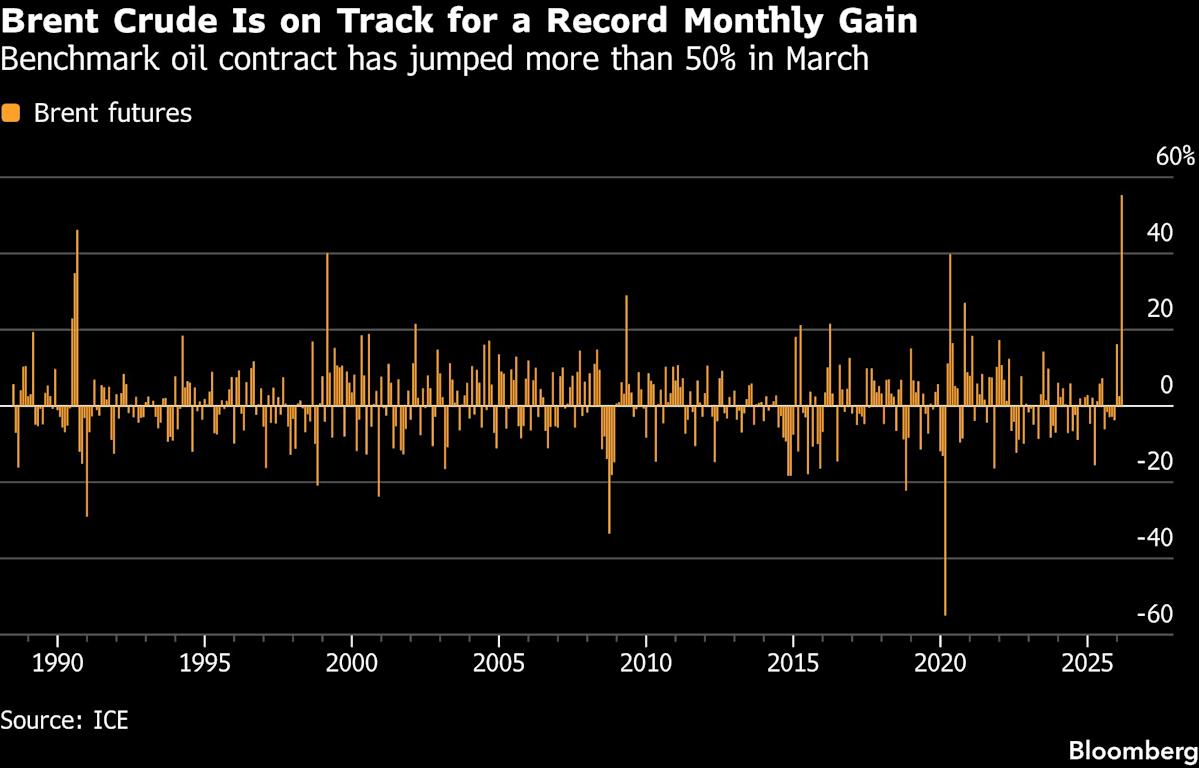
- Impact of Oil Prices: Soaring oil prices have contributed significantly to the downturn in industrial stocks.
- Inflation Concerns: Fears of inflation are adding to the challenges faced by the industrial sector.
- Market Sentiment: A general malaise in the markets is exacerbated by ongoing conflicts in the Middle East.
See More

"Searching the Rubble for 7 Industrial Stocks Worth Investing In"


- Industrial Stocks Performance: Industrial stocks, previously seen as a rising star, have recently struggled due to various economic pressures.
- Impact of Oil Prices: Soaring oil prices have contributed significantly to the downturn in industrial stocks.
- Inflation Concerns: Fears of inflation are adding to the challenges faced by the industrial sector.
- Market Sentiment: A general malaise in the markets, exacerbated by ongoing conflicts in the Middle East, is affecting investor confidence.
See More

Industrials Post Best Start in 25 Years, Outlook Ahead


- Strong Sector Performance: In 2026, industrials have emerged as a star in the stock market, with the State Street Industrial Select Sector SPDR ETF (XLI) rallying over 5% year-to-date, showcasing robust market demand among the S&P 500 sectors.
- Significant Stock Gains: Among the top 20 stocks by market cap, 14 have risen this year, with GE Vernova up 37%, Caterpillar up 25%, and Lockheed Martin up 26%, reflecting a strong recovery in the sector and increased investor confidence.
- Market Challenges Intensify: Despite the strong performance of industrials, the S&P 500 index has declined nearly 4% due to geopolitical risks and ongoing concerns in artificial intelligence and private credit, highlighting the complexity and uncertainty of the market environment.
- Cautious Future Growth: Trivariate Research notes that industrials are trading at a forward price-to-earnings ratio of about 24, indicating high valuations, and future earnings revisions are necessary to sustain current performance, adding to investor scrutiny and challenges.
See More

Analysis of High-Quality Dividend Stocks

- Dividend Kings Concept: Dividend Kings are stocks that have raised their per-share dividends for at least 50 consecutive years, indicating these companies can maintain profitability through economic fluctuations, thus providing a reliable income source for investors.
- Procter & Gamble Performance: Procter & Gamble (PG) has increased its dividend for 69 consecutive years, with a forward-looking dividend yield of 2.6%, ensuring market share and resisting competitive pressures through its well-known consumer brands.
- Coca-Cola vs. PepsiCo: Coca-Cola (KO) is a top dividend stock in the consumer staples sector, while PepsiCo (PEP) currently offers a higher yield of 3.5%; despite underperformance in its food and snack business, new product launches are expected to help extend its 54-year dividend growth track record.
- Kimberly-Clark and Emerson Electric: Kimberly-Clark (KMB) has a strong 54-year dividend growth history with a forward yield of 4.6%; Emerson Electric (EMR) has raised its dividend for 68 years, and although its yield is only 1.5%, its stable demand in industrial automation makes it a solid choice for long-term investors.
See More
Top Five Dividend Kings to Consider for Investment
- Definition of Dividend Kings: Dividend Kings are stocks that have raised their per-share dividends annually for at least 50 consecutive years, indicating their ability to maintain and grow dividends even during economic downturns, showcasing financial stability and competitive strength.
- Procter & Gamble's Performance: Procter & Gamble (PG) has increased its dividend for 69 consecutive years, with a current yield of 2.6%, and its strong brand portfolio and market share ensure a steady cash flow and investor confidence, making it a reliable choice for income-focused investors.
- PepsiCo's Potential: PepsiCo (PEP) faces challenges in its food and snack business but boasts a 54-year dividend growth record and a 3.1% yield, suggesting that with the introduction of new products, it is well-positioned to continue its growth trajectory, appealing to those seeking stable income.
- Emerson Electric's Stability: Emerson Electric (EMR) has raised its dividend for 68 consecutive years, currently yielding 1.5%, and its consistent profitability in the industrial automation sector, along with its adaptability to AI demand, makes it an attractive option for long-term investors.
See More

BlackSky Technology Stock Decline Analysis

- Earnings Performance: BlackSky reported a quarterly loss of $0.02 per share, beating the analyst consensus estimate of a $0.21 loss, yet its revenue of $35.214 million fell short of the $37.056 million expectation, indicating challenges in revenue growth that could impact future investor confidence.
- Stock Price Trends: Currently trading at $17.79, BlackSky is 17.8% below its 20-day SMA of $21.57 and 21.2% below its 50-day SMA of $22.51, reflecting bearish sentiment in the market that may lead to further selling pressure.
- Industry Performance Comparison: While the Communication Services sector saw a modest gain of $0.46, BlackSky significantly underperformed, with a year-over-year growth of 22.8% trailing the peer average of 32.46%, highlighting the company's competitive disadvantages and the need for strategic adjustments to improve market positioning.
- Analyst Ratings: Despite maintaining a Buy rating with a price target of $24.80, recent adjustments in target prices reflect a cautious outlook on future earnings, which may affect investor confidence in the stock.
See More
"Vertiv and Six Additional Stocks Worth Investing In Amid Market Turmoil"
- Industrial Stocks Performance: Industrial stocks, previously seen as a rising star, have recently struggled in the market.
- Impact of Oil Prices: Soaring oil prices have contributed significantly to the downturn in industrial stocks.
- Inflation Concerns: Fears of inflation are adding to the challenges faced by the industrial sector.
- Market Sentiment: A general malaise in the markets is exacerbated by ongoing conflicts in the Middle East.
See More
"Searching the Rubble for 7 Industrial Stocks Worth Investing In"
- Industrial Stocks Performance: Industrial stocks, previously seen as a rising star, have recently struggled due to various economic pressures.
- Impact of Oil Prices: Soaring oil prices have contributed significantly to the downturn in industrial stocks.
- Inflation Concerns: Fears of inflation are adding to the challenges faced by the industrial sector.
- Market Sentiment: A general malaise in the markets, exacerbated by ongoing conflicts in the Middle East, is affecting investor confidence.
See More
Industrials Post Best Start in 25 Years, Outlook Ahead
- Strong Sector Performance: In 2026, industrials have emerged as a star in the stock market, with the State Street Industrial Select Sector SPDR ETF (XLI) rallying over 5% year-to-date, showcasing robust market demand among the S&P 500 sectors.
- Significant Stock Gains: Among the top 20 stocks by market cap, 14 have risen this year, with GE Vernova up 37%, Caterpillar up 25%, and Lockheed Martin up 26%, reflecting a strong recovery in the sector and increased investor confidence.
- Market Challenges Intensify: Despite the strong performance of industrials, the S&P 500 index has declined nearly 4% due to geopolitical risks and ongoing concerns in artificial intelligence and private credit, highlighting the complexity and uncertainty of the market environment.
- Cautious Future Growth: Trivariate Research notes that industrials are trading at a forward price-to-earnings ratio of about 24, indicating high valuations, and future earnings revisions are necessary to sustain current performance, adding to investor scrutiny and challenges.
See More
Analysis of High-Quality Dividend Stocks
- Dividend Kings Concept: Dividend Kings are stocks that have raised their per-share dividends for at least 50 consecutive years, indicating these companies can maintain profitability through economic fluctuations, thus providing a reliable income source for investors.
- Procter & Gamble Performance: Procter & Gamble (PG) has increased its dividend for 69 consecutive years, with a forward-looking dividend yield of 2.6%, ensuring market share and resisting competitive pressures through its well-known consumer brands.
- Coca-Cola vs. PepsiCo: Coca-Cola (KO) is a top dividend stock in the consumer staples sector, while PepsiCo (PEP) currently offers a higher yield of 3.5%; despite underperformance in its food and snack business, new product launches are expected to help extend its 54-year dividend growth track record.
- Kimberly-Clark and Emerson Electric: Kimberly-Clark (KMB) has a strong 54-year dividend growth history with a forward yield of 4.6%; Emerson Electric (EMR) has raised its dividend for 68 years, and although its yield is only 1.5%, its stable demand in industrial automation makes it a solid choice for long-term investors.
See More
Top Five Dividend Kings to Consider for Investment
- Definition of Dividend Kings: Dividend Kings are stocks that have raised their per-share dividends annually for at least 50 consecutive years, indicating their ability to maintain and grow dividends even during economic downturns, showcasing financial stability and competitive strength.
- Procter & Gamble's Performance: Procter & Gamble (PG) has increased its dividend for 69 consecutive years, with a current yield of 2.6%, and its strong brand portfolio and market share ensure a steady cash flow and investor confidence, making it a reliable choice for income-focused investors.
- PepsiCo's Potential: PepsiCo (PEP) faces challenges in its food and snack business but boasts a 54-year dividend growth record and a 3.1% yield, suggesting that with the introduction of new products, it is well-positioned to continue its growth trajectory, appealing to those seeking stable income.
- Emerson Electric's Stability: Emerson Electric (EMR) has raised its dividend for 68 consecutive years, currently yielding 1.5%, and its consistent profitability in the industrial automation sector, along with its adaptability to AI demand, makes it an attractive option for long-term investors.
See More
BlackSky Technology Stock Decline Analysis
- Earnings Performance: BlackSky reported a quarterly loss of $0.02 per share, beating the analyst consensus estimate of a $0.21 loss, yet its revenue of $35.214 million fell short of the $37.056 million expectation, indicating challenges in revenue growth that could impact future investor confidence.
- Stock Price Trends: Currently trading at $17.79, BlackSky is 17.8% below its 20-day SMA of $21.57 and 21.2% below its 50-day SMA of $22.51, reflecting bearish sentiment in the market that may lead to further selling pressure.
- Industry Performance Comparison: While the Communication Services sector saw a modest gain of $0.46, BlackSky significantly underperformed, with a year-over-year growth of 22.8% trailing the peer average of 32.46%, highlighting the company's competitive disadvantages and the need for strategic adjustments to improve market positioning.
- Analyst Ratings: Despite maintaining a Buy rating with a price target of $24.80, recent adjustments in target prices reflect a cautious outlook on future earnings, which may affect investor confidence in the stock.
See More