AstraZeneca and Sanofi Expand R&D Operations in China
Written by Emily J. Thompson, Senior Investment Analyst
Updated: Mar 20 2026
0mins
Source: seekingalpha
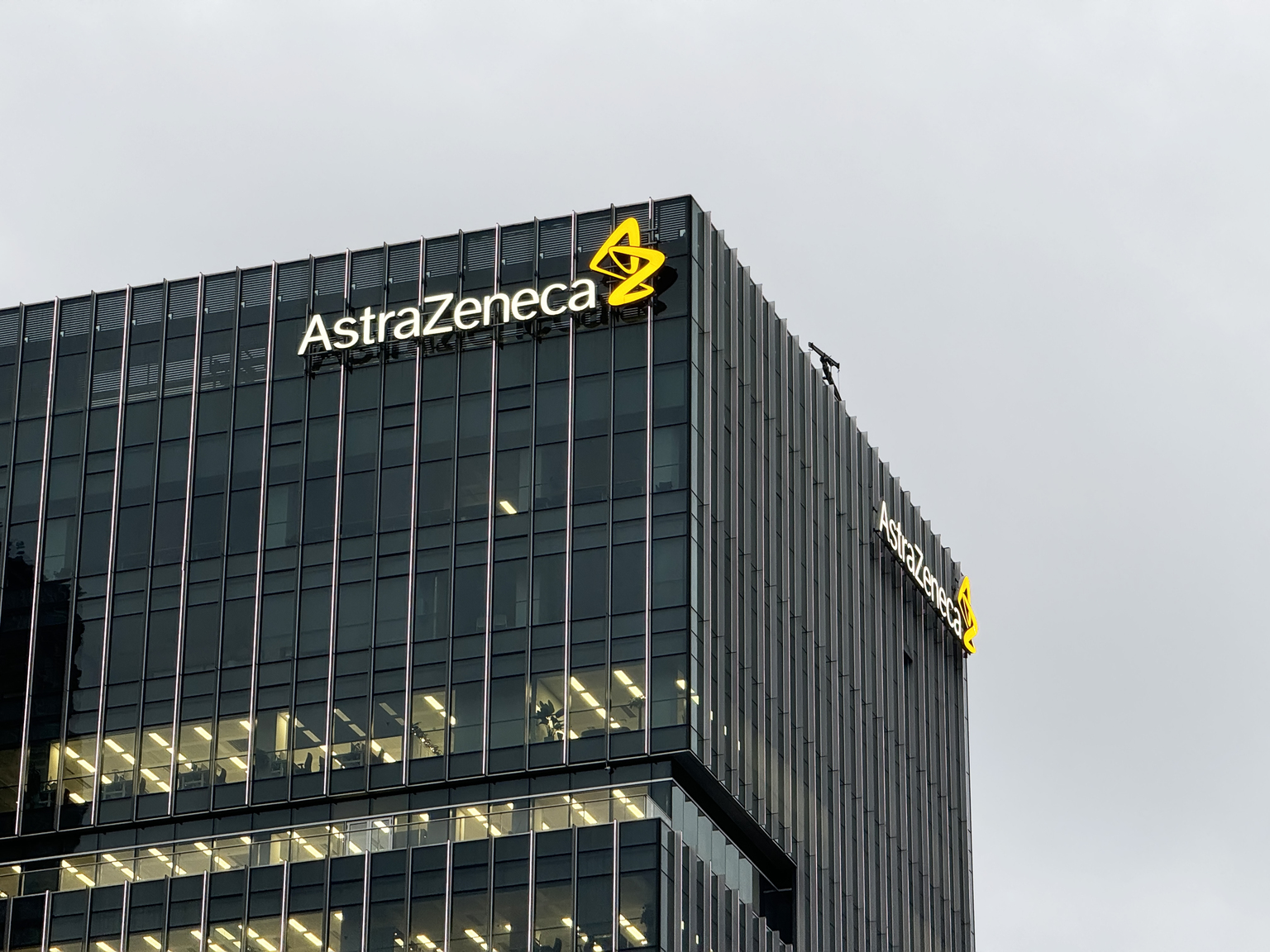
- Innovation Center Development: AstraZeneca announced plans to establish an innovation center in Shanghai, along with a cell therapy manufacturing and supply base, making it the first global drugmaker with end-to-end cell therapy facilities in China, which is expected to significantly enhance its competitiveness in the Asia-Pacific market.
- Cancer Drug Production Base: AstraZeneca also plans to build a production and supply base for radioconjugate drugs in Guangzhou, aimed at providing cancer medications for the Chinese and Asia-Pacific markets, further solidifying its position in the rapidly growing Chinese pharmaceutical sector.
- Sanofi's New Center: Sanofi launched an innovation and operation center in Chengdu, southwestern China, which is expected to support its R&D, clinical operations, and manufacturing and supply chain services in China, demonstrating a strong commitment to the Chinese market.
- Market Trend Analysis: According to Goldman Sachs, Chinese biopharma companies accounted for 46% of new drug molecules entering human studies in the first half of 2025, reflecting the increasing focus and investment of Western pharmaceutical companies in the Chinese market.
Trade with 70% Backtested Accuracy
Stop guessing "Should I Buy AZN?" and start using high-conviction signals backed by rigorous historical data.
Sign up today to access powerful investing tools and make smarter, data-driven decisions.
Analyst Views on AZN
Wall Street analysts forecast AZN stock price to rise
14 Analyst Rating
13 Buy
0 Hold
1 Sell
Strong Buy
Current: 183.400

Low
157.61
Averages
213.64
High
252.18
Current: 183.400
Low
157.61
Averages
213.64
High
252.18
About AZN
AstraZeneca PLC is a United Kingdom-based science-led biopharmaceutical company. The Company focuses on the discovery, development, and commercialization of prescription medicines. The Company operates across therapy areas, including Oncology; Cardiovascular, Renal and Metabolism (CVRM); Respiratory and Immunology (R&I); Vaccines and Immune Therapies (V&I), and Rare Disease. In the Oncology area, its key products include Tagrisso, Imfinzi, Calquence, Lynparza, and Enhertu. The key products of CVRM area include Farxiga/Forxiga, Brilinta/Brilique, Crestor, and Lokelma. In the R&I area, the key products are Symbicort, Fasenra, Breztri/Trixeo, and Tezspire. In the V&I Therapies area, the products are Beyfortus and FluMist. The products in the Rare Disease area are Ultomiris, Soliris, Strensiq, and Koselugo. It has about 191 projects in its development pipeline, including 19 new molecular entities (NMEs) in the late-stage pipeline. The Company distributes its products in over 125 countries.
About the author

Emily J. Thompson
Emily J. Thompson, a Chartered Financial Analyst (CFA) with 12 years in investment research, graduated with honors from the Wharton School. Specializing in industrial and technology stocks, she provides in-depth analysis for Intellectia’s earnings and market brief reports.

FDA Accelerates Biosimilar Drug Development and Approves New Treatments


- Accelerated Biosimilar Development: On March 9, 2026, the FDA recommended streamlining unnecessary clinical pharmacokinetic studies when scientifically justified, aiming to expedite biosimilar drug development and improve medicine affordability, thereby enhancing market competitiveness.
- Alternative to Animal Testing: The FDA released draft guidance on March 18, 2026, to assist drug developers in validating new approach methodologies as alternatives to animal testing, reflecting its commitment to scientific rigor and humane practices, which could reshape drug development standards.
- New Therapy Approval: On March 10, 2026, the FDA approved Wellcovorin as the first treatment for cerebral folate deficiency, a rare neurological condition, marking a significant advancement in neuroscience and potentially offering new hope for patients.
- Gene Therapy Innovation: The FDA approved Rocket Pharma's Kresladi on March 26, 2026, as the first gene therapy for Severe Leukocyte Adhesion Deficiency Type I, showcasing the potential of gene therapy in treating rare diseases and possibly driving stock price increases for related biotech companies.
See More
AstraZeneca's Antibody Therapy Achieves Phase 3 Trial Success
- Trial Success: AstraZeneca's antibody therapy tozorakimab successfully met key goals in two Phase 3 trials for chronic obstructive pulmonary disease (COPD), demonstrating a significant reduction in annualized COPD exacerbations among over 2,000 patients.
- Treatment Regimen: The OBERON and TITANIA trials evaluated the efficacy of 300 mg tozorakimab versus placebo administered every four weeks, showing effective improvement in patient conditions on top of standard care.
- Good Safety Profile: AstraZeneca reported that the therapy was generally well tolerated with a favorable safety profile, laying a solid foundation for future clinical applications and enhancing the company's competitiveness in the respiratory disease sector.
- Ongoing Research: AstraZeneca is currently conducting two additional late-stage trials for tozorakimab and plans to present full results from OBERON and TITANIA at an upcoming medical conference, further advancing the therapy's market potential.
See More
First IL-33-Targeting Biologic Shows Significant Reduction in COPD Exacerbations
- Clinical Trial Results: The Phase III OBERON and TITANIA trials demonstrated that tozorakimab significantly reduced the annualized rate of moderate-to-severe COPD exacerbations in former smokers, indicating its potential to transform COPD treatment paradigms across diverse populations.
- Favorable Safety Profile: Tozorakimab exhibited good tolerability and safety during the trials, suggesting its applicability in COPD patients and the potential to provide new treatment options that mitigate the risks associated with exacerbations.
- Global COPD Burden: With COPD being the third leading cause of death globally, affecting nearly 400 million people, and over 50% of patients experiencing exacerbations despite standard care, the urgent need for new therapies and market opportunities is underscored.
- Future Research Directions: Ongoing Phase III trials, PROSPERO and MIRANDA, aim to further validate tozorakimab's efficacy in COPD and other respiratory diseases, advancing the role of biologics in respiratory care.
See More

AstraZeneca Reports Positive COPD Trial Results
- Trial Success: AstraZeneca's Phase III OBERON and TITANIA trials for COPD demonstrated that tozorakimab significantly reduced the annualized rate of moderate-to-severe exacerbations compared to placebo, indicating its potential as a new therapeutic option.
- Broad Patient Population: The drug showed efficacy in both former smokers and the overall population, including current smokers, across all blood eosinophil counts and stages of lung function severity, highlighting its broad applicability and clinical relevance.
- Favorable Safety Profile: Tozorakimab was generally well tolerated during the trials, exhibiting a favorable safety profile, which bolsters confidence in its future use in COPD treatment.
- Ongoing Research: AstraZeneca is conducting additional Phase III trials, PROSPERO and MIRANDA, to further validate tozorakimab's efficacy in COPD, while also exploring its potential in severe viral lower respiratory tract disease, showcasing its versatility in multiple indications.
See More

AstraZeneca and Sanofi Expand R&D Operations in China

- Innovation Center Development: AstraZeneca announced plans to establish an innovation center in Shanghai, along with a cell therapy manufacturing and supply base, making it the first global drugmaker with end-to-end cell therapy facilities in China, which is expected to significantly enhance its competitiveness in the Asia-Pacific market.
- Cancer Drug Production Base: AstraZeneca also plans to build a production and supply base for radioconjugate drugs in Guangzhou, aimed at providing cancer medications for the Chinese and Asia-Pacific markets, further solidifying its position in the rapidly growing Chinese pharmaceutical sector.
- Sanofi's New Center: Sanofi launched an innovation and operation center in Chengdu, southwestern China, which is expected to support its R&D, clinical operations, and manufacturing and supply chain services in China, demonstrating a strong commitment to the Chinese market.
- Market Trend Analysis: According to Goldman Sachs, Chinese biopharma companies accounted for 46% of new drug molecules entering human studies in the first half of 2025, reflecting the increasing focus and investment of Western pharmaceutical companies in the Chinese market.
See More

Senhwa Biosciences Achieves Breakthrough in Photodynamic Therapy

- Research Breakthrough: Senhwa Biosciences' first-in-class investigational drug Pidnarulex (CX-5461) has made significant progress in photodynamic therapy (PDT), with findings selected for presentation at the 2026 AACR Annual Meeting, highlighting its clinical development potential recognized by the international scientific community.
- Increased Cytotoxicity: Preclinical studies show that CX-5461 generates reactive oxygen species (ROS) when exposed to UV light, increasing cytotoxicity against cancer cells by approximately ten-fold, indicating its effectiveness and potential applications in cancer treatment.
- New Mechanism Discovery: The binding of CX-5461 to G-quadruplex DNA structures works synergistically with light-induced ROS generation, significantly enhancing anti-tumor activity and prolonging survival, demonstrating its potential as a novel photosensitizer.
- Broad Market Prospects: The global photodynamic therapy market is projected to grow from approximately USD 3.54 billion in 2024 to USD 5.89 billion by 2032, with a CAGR of about 7-8%, reflecting increasing demand for precision oncology and minimally invasive therapies, prompting Senhwa to advance related research and international collaborations.
See More
FDA Accelerates Biosimilar Drug Development and Approves New Treatments
- Accelerated Biosimilar Development: On March 9, 2026, the FDA recommended streamlining unnecessary clinical pharmacokinetic studies when scientifically justified, aiming to expedite biosimilar drug development and improve medicine affordability, thereby enhancing market competitiveness.
- Alternative to Animal Testing: The FDA released draft guidance on March 18, 2026, to assist drug developers in validating new approach methodologies as alternatives to animal testing, reflecting its commitment to scientific rigor and humane practices, which could reshape drug development standards.
- New Therapy Approval: On March 10, 2026, the FDA approved Wellcovorin as the first treatment for cerebral folate deficiency, a rare neurological condition, marking a significant advancement in neuroscience and potentially offering new hope for patients.
- Gene Therapy Innovation: The FDA approved Rocket Pharma's Kresladi on March 26, 2026, as the first gene therapy for Severe Leukocyte Adhesion Deficiency Type I, showcasing the potential of gene therapy in treating rare diseases and possibly driving stock price increases for related biotech companies.
See More
AstraZeneca's Antibody Therapy Achieves Phase 3 Trial Success
- Trial Success: AstraZeneca's antibody therapy tozorakimab successfully met key goals in two Phase 3 trials for chronic obstructive pulmonary disease (COPD), demonstrating a significant reduction in annualized COPD exacerbations among over 2,000 patients.
- Treatment Regimen: The OBERON and TITANIA trials evaluated the efficacy of 300 mg tozorakimab versus placebo administered every four weeks, showing effective improvement in patient conditions on top of standard care.
- Good Safety Profile: AstraZeneca reported that the therapy was generally well tolerated with a favorable safety profile, laying a solid foundation for future clinical applications and enhancing the company's competitiveness in the respiratory disease sector.
- Ongoing Research: AstraZeneca is currently conducting two additional late-stage trials for tozorakimab and plans to present full results from OBERON and TITANIA at an upcoming medical conference, further advancing the therapy's market potential.
See More
First IL-33-Targeting Biologic Shows Significant Reduction in COPD Exacerbations
- Clinical Trial Results: The Phase III OBERON and TITANIA trials demonstrated that tozorakimab significantly reduced the annualized rate of moderate-to-severe COPD exacerbations in former smokers, indicating its potential to transform COPD treatment paradigms across diverse populations.
- Favorable Safety Profile: Tozorakimab exhibited good tolerability and safety during the trials, suggesting its applicability in COPD patients and the potential to provide new treatment options that mitigate the risks associated with exacerbations.
- Global COPD Burden: With COPD being the third leading cause of death globally, affecting nearly 400 million people, and over 50% of patients experiencing exacerbations despite standard care, the urgent need for new therapies and market opportunities is underscored.
- Future Research Directions: Ongoing Phase III trials, PROSPERO and MIRANDA, aim to further validate tozorakimab's efficacy in COPD and other respiratory diseases, advancing the role of biologics in respiratory care.
See More
AstraZeneca Reports Positive COPD Trial Results
- Trial Success: AstraZeneca's Phase III OBERON and TITANIA trials for COPD demonstrated that tozorakimab significantly reduced the annualized rate of moderate-to-severe exacerbations compared to placebo, indicating its potential as a new therapeutic option.
- Broad Patient Population: The drug showed efficacy in both former smokers and the overall population, including current smokers, across all blood eosinophil counts and stages of lung function severity, highlighting its broad applicability and clinical relevance.
- Favorable Safety Profile: Tozorakimab was generally well tolerated during the trials, exhibiting a favorable safety profile, which bolsters confidence in its future use in COPD treatment.
- Ongoing Research: AstraZeneca is conducting additional Phase III trials, PROSPERO and MIRANDA, to further validate tozorakimab's efficacy in COPD, while also exploring its potential in severe viral lower respiratory tract disease, showcasing its versatility in multiple indications.
See More
AstraZeneca and Sanofi Expand R&D Operations in China
- Innovation Center Development: AstraZeneca announced plans to establish an innovation center in Shanghai, along with a cell therapy manufacturing and supply base, making it the first global drugmaker with end-to-end cell therapy facilities in China, which is expected to significantly enhance its competitiveness in the Asia-Pacific market.
- Cancer Drug Production Base: AstraZeneca also plans to build a production and supply base for radioconjugate drugs in Guangzhou, aimed at providing cancer medications for the Chinese and Asia-Pacific markets, further solidifying its position in the rapidly growing Chinese pharmaceutical sector.
- Sanofi's New Center: Sanofi launched an innovation and operation center in Chengdu, southwestern China, which is expected to support its R&D, clinical operations, and manufacturing and supply chain services in China, demonstrating a strong commitment to the Chinese market.
- Market Trend Analysis: According to Goldman Sachs, Chinese biopharma companies accounted for 46% of new drug molecules entering human studies in the first half of 2025, reflecting the increasing focus and investment of Western pharmaceutical companies in the Chinese market.
See More
Senhwa Biosciences Achieves Breakthrough in Photodynamic Therapy
- Research Breakthrough: Senhwa Biosciences' first-in-class investigational drug Pidnarulex (CX-5461) has made significant progress in photodynamic therapy (PDT), with findings selected for presentation at the 2026 AACR Annual Meeting, highlighting its clinical development potential recognized by the international scientific community.
- Increased Cytotoxicity: Preclinical studies show that CX-5461 generates reactive oxygen species (ROS) when exposed to UV light, increasing cytotoxicity against cancer cells by approximately ten-fold, indicating its effectiveness and potential applications in cancer treatment.
- New Mechanism Discovery: The binding of CX-5461 to G-quadruplex DNA structures works synergistically with light-induced ROS generation, significantly enhancing anti-tumor activity and prolonging survival, demonstrating its potential as a novel photosensitizer.
- Broad Market Prospects: The global photodynamic therapy market is projected to grow from approximately USD 3.54 billion in 2024 to USD 5.89 billion by 2032, with a CAGR of about 7-8%, reflecting increasing demand for precision oncology and minimally invasive therapies, prompting Senhwa to advance related research and international collaborations.
See More