Asia-Pacific Markets Set to Open Lower Amid Rising Oil Prices
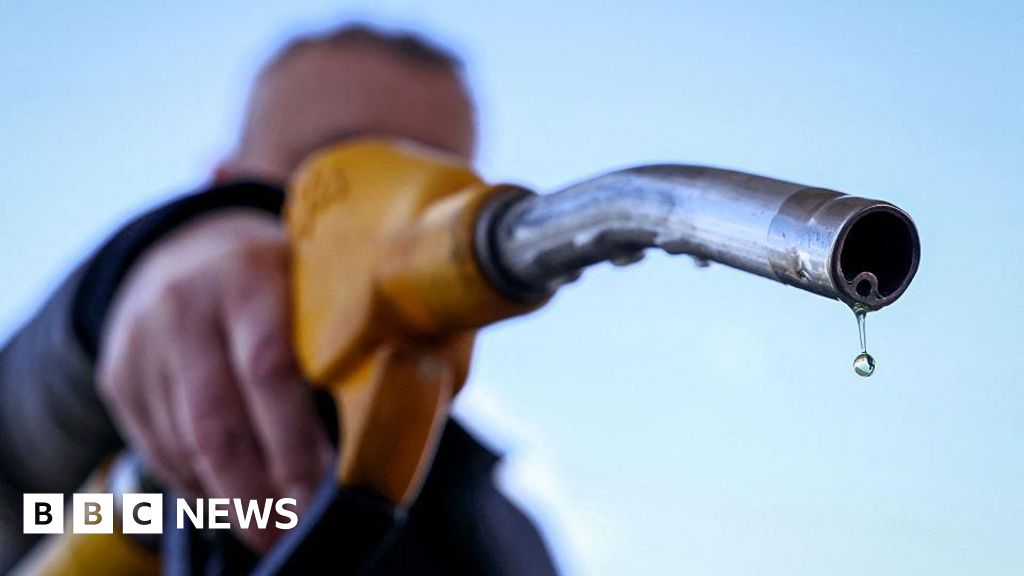
- Rising Oil Prices: The Iran conflict has pushed oil prices above $80 per barrel, with Brent futures rising 3.54% to $84.31, directly impacting global market sentiment and potentially causing volatility in related energy stocks.
- Global Trade Uncertainty: New York Attorney General and 23 state prosecutors have sued to block Trump's global tariff regime, following a ruling that companies are entitled to tariff refunds, which could exacerbate market concerns over trade policies.
- Australian Market Decline: Australia's S&P/ASX 200 index fell 1.15% in early trading, primarily dragged down by basic materials stocks, reflecting investor concerns over economic slowdown that may influence future investment decisions.
- U.S. Market Pullback: All three major U.S. indexes declined, with the Dow Jones Industrial Average falling 1.61%, indicating market sensitivity to global economic slowdown, particularly affecting companies like Boeing and Caterpillar, which may lead to further downward pressure in Asia-Pacific markets.
Trade with 70% Backtested Accuracy
Analyst Views on XOM

About XOM
About the author

ExxonMobil Board Proposes Redomiciliation to Texas

- Unanimous Board Decision: ExxonMobil's Board of Directors unanimously recommends shareholders approve the change of the company's legal domicile from New Jersey to Texas, believing this alignment with leadership and core operations since 1989 will enhance shareholder value.
- Texas Advantages: The Board highlighted Texas's recent efforts to create a favorable policy and regulatory environment for businesses, enabling the company to maximize shareholder value, with Texas's legal framework being stronger in certain aspects compared to New Jersey.
- Shareholder Rights Protection: The proposed redomiciliation will not affect business operations, management, strategy, assets, or employee locations, with the Board confirming that shareholder rights under Texas law are largely comparable to those in New Jersey, and in some areas, stronger.
- Shareholder Voting Arrangement: The proposal will be voted on at the 2026 Annual Meeting of Shareholders, with detailed information provided in the preliminary proxy statement filed with the U.S. Securities and Exchange Commission, ensuring shareholders are well-informed about the voting process.
Exxon Mobil Shifts Legal Domicile to Texas
- Legal Domicile Change: Exxon Mobil announced its plan to shift its legal domicile from New Jersey to Texas, aligning with its leadership and core operations since 1989, which aims to enhance shareholder value and optimize corporate governance.
- Employee Distribution Optimization: Currently, approximately 30% of its global workforce is based in Texas, and all U.S. research facilities are located in the state, which will further solidify the company's operational foundation in Texas and improve efficiency.
- Enhanced Legal Protections: CEO Darren Woods noted that the move will protect the company from shareholder 'abuse,' as Texas's newly established business court and related laws will make it more challenging to sue board members, thereby strengthening corporate governance stability.
- Increased Industry Support: Woods emphasized that Texas has a deeper understanding of the oil and gas industry and is more invested in its success, and this strategic shift will help the company secure a more advantageous position in future market competition.

U.S. Treasury Yields Decline as Oil Prices Plummet


- Treasury Yield Changes: U.S. Treasury yields fell as the 10-year yield dropped nearly 2 basis points to 4.117%, the 30-year bond yield decreased to 4.734%, and the 2-year note yield declined by almost 3 basis points to 3.563%, reflecting market uncertainty about future economic conditions.
- Oil Price Fluctuations: President Trump warned that Iran would face 'TWENTY TIMES HARDER' consequences if it attempted to halt shipments through the Strait of Hormuz, causing market panic and leading to a temporary 10% drop in oil prices.
- G7 Emergency Meeting: G7 energy ministers are set to meet virtually to discuss a potential release of emergency oil reserves to address supply disruptions caused by the Iran conflict, with previous finance ministers' discussions deemed 'positive' despite no concrete decisions made.
- Role of IEA: The International Energy Agency's Executive Director participated in the G7 finance ministers' meeting to discuss the global economic outlook and the intensifying Middle East conflict, noting that IEA member countries hold over 1.2 billion barrels of public emergency oil stocks that could be released to alleviate supply pressures.

Oil Prices Decline Amid Geopolitical Tensions

- Oil Price Decline: Oil prices continued to fall on Tuesday as investors assessed President Trump's comments about a potential end to the war, indicating market sensitivity to geopolitical risks that could negatively impact the energy sector's profitability.
- Korean Market Recovery: The South Korean Kospi index surged over 5%, leading gains in the Asia-Pacific region, reflecting market optimism in response to Trump's remarks, although overall market uncertainty remains.
- Energy Price Controls: The South Korean government imposed a price cap on fuel products for the first time in 30 years to address soaring gasoline prices, a policy that may affect energy supply chains and consumer spending.
- Bank of England Policy Stalled: The outbreak of war in Iran has hindered the Bank of England's anticipated interest rate cut next week, demonstrating the direct impact of geopolitical events on monetary policy decisions.

Middle East Tensions Boost European Stock Market Open

- European Market Surge: European stock index futures are set to open higher, with the pan-European Stoxx 50 futures up 1.3%, and France's CAC 40 and Germany's DAX rising by 1.5% and 1.2% respectively, indicating a positive market sentiment amid Middle East tensions.
- Oil Price Fluctuations: Following President Trump's comments about potentially controlling the Strait of Hormuz, oil prices plummeted by 10%, with Brent crude falling to $92.25 per barrel; however, prices remain elevated above $100, reflecting concerns over supply chain security.
- U.S. Market Performance: While Asia-Pacific markets rebounded, U.S. stock futures declined, highlighting investor uncertainty regarding future market conditions, particularly in light of oil price volatility and geopolitical tensions.
- Upcoming Earnings Reports: Earnings reports from Saudi Aramco, Volkswagen, and Lindt are on the horizon, with the market closely monitoring these figures to assess corporate performance and outlook in the current economic climate.

Big Oil Stocks Remain Relatively Unchanged Since the Start of the War. What's Behind This?

Oil Price Surge: Oil prices have increased by 37% since the onset of the Iran war, reaching a significant high by Monday's close.
Oil Stocks Performance: Despite the rise in oil prices, major oil companies like Exxon Mobil, Chevron, TotalEnergies, BP, and Shell have only seen an average stock increase of 1.4% since the war began.
Market Expectations: The minimal movement in big oil stocks contrasts with the common expectation that stock prices of leading oil companies would rise in tandem with oil price increases.
Investor Sentiment: This discrepancy raises questions about investor sentiment and market dynamics in the oil sector amidst geopolitical tensions.
ExxonMobil Board Proposes Redomiciliation to Texas
- Unanimous Board Decision: ExxonMobil's Board of Directors unanimously recommends shareholders approve the change of the company's legal domicile from New Jersey to Texas, believing this alignment with leadership and core operations since 1989 will enhance shareholder value.
- Texas Advantages: The Board highlighted Texas's recent efforts to create a favorable policy and regulatory environment for businesses, enabling the company to maximize shareholder value, with Texas's legal framework being stronger in certain aspects compared to New Jersey.
- Shareholder Rights Protection: The proposed redomiciliation will not affect business operations, management, strategy, assets, or employee locations, with the Board confirming that shareholder rights under Texas law are largely comparable to those in New Jersey, and in some areas, stronger.
- Shareholder Voting Arrangement: The proposal will be voted on at the 2026 Annual Meeting of Shareholders, with detailed information provided in the preliminary proxy statement filed with the U.S. Securities and Exchange Commission, ensuring shareholders are well-informed about the voting process.
Exxon Mobil Shifts Legal Domicile to Texas
- Legal Domicile Change: Exxon Mobil announced its plan to shift its legal domicile from New Jersey to Texas, aligning with its leadership and core operations since 1989, which aims to enhance shareholder value and optimize corporate governance.
- Employee Distribution Optimization: Currently, approximately 30% of its global workforce is based in Texas, and all U.S. research facilities are located in the state, which will further solidify the company's operational foundation in Texas and improve efficiency.
- Enhanced Legal Protections: CEO Darren Woods noted that the move will protect the company from shareholder 'abuse,' as Texas's newly established business court and related laws will make it more challenging to sue board members, thereby strengthening corporate governance stability.
- Increased Industry Support: Woods emphasized that Texas has a deeper understanding of the oil and gas industry and is more invested in its success, and this strategic shift will help the company secure a more advantageous position in future market competition.
U.S. Treasury Yields Decline as Oil Prices Plummet
- Treasury Yield Changes: U.S. Treasury yields fell as the 10-year yield dropped nearly 2 basis points to 4.117%, the 30-year bond yield decreased to 4.734%, and the 2-year note yield declined by almost 3 basis points to 3.563%, reflecting market uncertainty about future economic conditions.
- Oil Price Fluctuations: President Trump warned that Iran would face 'TWENTY TIMES HARDER' consequences if it attempted to halt shipments through the Strait of Hormuz, causing market panic and leading to a temporary 10% drop in oil prices.
- G7 Emergency Meeting: G7 energy ministers are set to meet virtually to discuss a potential release of emergency oil reserves to address supply disruptions caused by the Iran conflict, with previous finance ministers' discussions deemed 'positive' despite no concrete decisions made.
- Role of IEA: The International Energy Agency's Executive Director participated in the G7 finance ministers' meeting to discuss the global economic outlook and the intensifying Middle East conflict, noting that IEA member countries hold over 1.2 billion barrels of public emergency oil stocks that could be released to alleviate supply pressures.
Oil Prices Decline Amid Geopolitical Tensions
- Oil Price Decline: Oil prices continued to fall on Tuesday as investors assessed President Trump's comments about a potential end to the war, indicating market sensitivity to geopolitical risks that could negatively impact the energy sector's profitability.
- Korean Market Recovery: The South Korean Kospi index surged over 5%, leading gains in the Asia-Pacific region, reflecting market optimism in response to Trump's remarks, although overall market uncertainty remains.
- Energy Price Controls: The South Korean government imposed a price cap on fuel products for the first time in 30 years to address soaring gasoline prices, a policy that may affect energy supply chains and consumer spending.
- Bank of England Policy Stalled: The outbreak of war in Iran has hindered the Bank of England's anticipated interest rate cut next week, demonstrating the direct impact of geopolitical events on monetary policy decisions.
Middle East Tensions Boost European Stock Market Open
- European Market Surge: European stock index futures are set to open higher, with the pan-European Stoxx 50 futures up 1.3%, and France's CAC 40 and Germany's DAX rising by 1.5% and 1.2% respectively, indicating a positive market sentiment amid Middle East tensions.
- Oil Price Fluctuations: Following President Trump's comments about potentially controlling the Strait of Hormuz, oil prices plummeted by 10%, with Brent crude falling to $92.25 per barrel; however, prices remain elevated above $100, reflecting concerns over supply chain security.
- U.S. Market Performance: While Asia-Pacific markets rebounded, U.S. stock futures declined, highlighting investor uncertainty regarding future market conditions, particularly in light of oil price volatility and geopolitical tensions.
- Upcoming Earnings Reports: Earnings reports from Saudi Aramco, Volkswagen, and Lindt are on the horizon, with the market closely monitoring these figures to assess corporate performance and outlook in the current economic climate.
Big Oil Stocks Remain Relatively Unchanged Since the Start of the War. What's Behind This?
Oil Price Surge: Oil prices have increased by 37% since the onset of the Iran war, reaching a significant high by Monday's close.
Oil Stocks Performance: Despite the rise in oil prices, major oil companies like Exxon Mobil, Chevron, TotalEnergies, BP, and Shell have only seen an average stock increase of 1.4% since the war began.
Market Expectations: The minimal movement in big oil stocks contrasts with the common expectation that stock prices of leading oil companies would rise in tandem with oil price increases.
Investor Sentiment: This discrepancy raises questions about investor sentiment and market dynamics in the oil sector amidst geopolitical tensions.