Arm and AMD Poised for Data Center CPU Market Growth
Written by Emily J. Thompson, Senior Investment Analyst
Updated: 2 days ago
0mins
Source: NASDAQ.COM
- Massive Market Opportunity: Arm Holdings anticipates the data center CPU market will grow to $100 billion by 2031, aiming to capture $15 billion in revenue from its new CPU chips, highlighting its strong potential in the rapidly evolving AI infrastructure market.
- Leading Technological Innovation: Arm's announcement to design its own CPU chips leverages its intellectual property expertise from the smartphone sector, enhancing its competitiveness in the growing demand for AI agents, particularly in power efficiency and core counts.
- AMD's Market Leadership: AMD has established itself as a leader in the data center CPU market, generating $16.6 billion in revenue last year, and is poised to capture a larger share of the projected $100 billion market, especially through its new Venice architecture and robust GPU partnerships.
- Future Growth Prospects: As AI infrastructure rapidly develops, CPU manufacturers are set to become the next big beneficiaries, with both Arm and AMD possessing strong technological foundations and market demand, indicating potential upward movement in their stock prices.
Trade with 70% Backtested Accuracy
Stop guessing "Should I Buy ARM?" and start using high-conviction signals backed by rigorous historical data.
Sign up today to access powerful investing tools and make smarter, data-driven decisions.
Analyst Views on ARM
Wall Street analysts forecast ARM stock price to rise
24 Analyst Rating
19 Buy
4 Hold
1 Sell
Strong Buy
Current: 149.110

Low
120.00
Averages
160.58
High
201.00
Current: 149.110
Low
120.00
Averages
160.58
High
201.00
About ARM
Arm Holdings plc is engaged in operating a global computing platform. It architects, develops, and licenses high-performance and energy-efficient Arm compute platforms. The Company’s principal operations and activities are the licensing, marketing, research and development of central processing unit (CPU) design intellectual property (IP), graphics processors, system IP, market optimized platform IP, and associated software, tools and other related services. Its complementary products include GPU and NPU accelerators, interconnect, and others. Its primary product offerings are CPU products that address diverse performance, power, and cost requirements. It offers a family of GPU and NPU products providing efficient computing acceleration and an optimal visual experience across a wide range of devices. Its CPU, GPU, and System IP products integrated into a foundational compute platform optimized for a specific end market.
About the author

Emily J. Thompson
Emily J. Thompson, a Chartered Financial Analyst (CFA) with 12 years in investment research, graduated with honors from the Wharton School. Specializing in industrial and technology stocks, she provides in-depth analysis for Intellectia’s earnings and market brief reports.

US Stocks Fluctuate Slightly Amid Ceasefire Talks and Falling Oil Prices


- Market Movements: The S&P 500 Index rose by 0.19%, while the Dow Jones Industrial Average dipped by 0.04%, and the Nasdaq 100 Index increased by 0.50%, indicating slight fluctuations in the market amid strong economic data, reflecting cautious optimism among investors regarding future economic prospects.
- Strong Employment Data: March nonfarm payrolls surged by 178,000, significantly exceeding expectations of 65,000, and the unemployment rate unexpectedly fell by 0.1% to 4.3%, demonstrating resilience in the U.S. labor market, which may positively influence market sentiment.
- Declining Oil Prices: Crude oil prices fell by over 1% amid ceasefire negotiations in the Iran conflict, which could affect energy market stability; the International Energy Agency warned that even if the war ends, it will take time for normal flows through the Strait of Hormuz to resume, impacting global supply chains.
- Tech Stock Performance: Chipmakers and AI infrastructure stocks are climbing, with Seagate Technology's stock rising over 7%, showcasing ongoing market confidence in the tech sector, which may drive further investment and innovation in related companies.
See More
Market Dynamics and Rating Updates

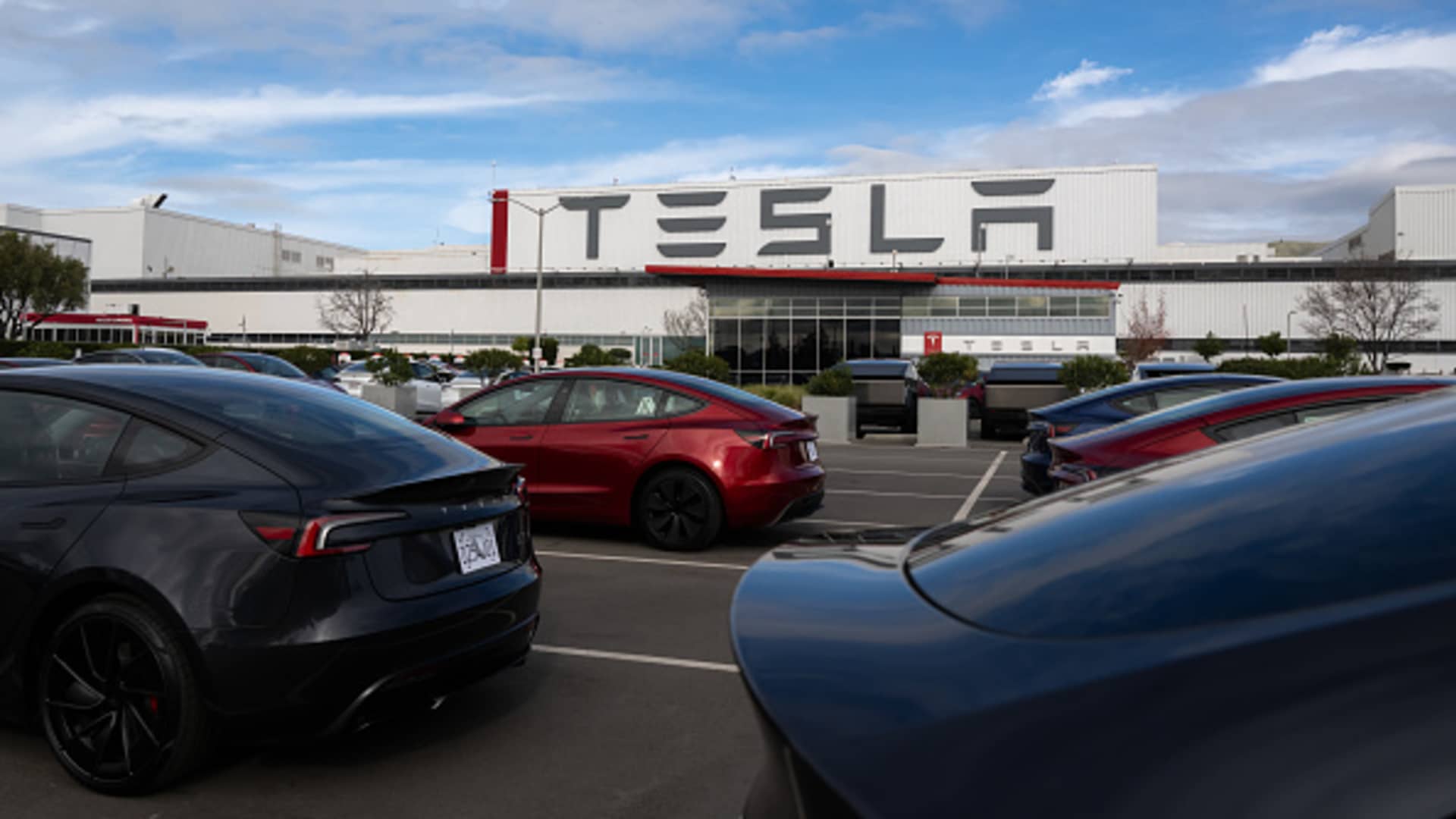
- Tesla Rating Maintained: JPMorgan retains a sell rating on Tesla after the company's first-quarter deliveries fell short of expectations, with a price target of $145 implying a 60% downside, indicating market concerns over EV demand.
- Plastics Makers Downgraded: Bank of America downgraded Dow Inc and LyondellBasell from hold to sell, citing unsustainable gains from Middle East supply disruptions, predicting that petrochemical prices will peak and earnings will normalize.
- Netflix Upgrade: Goldman Sachs upgraded Netflix from hold to buy, as analysts believe the end of the Warner Bros deal will enable Netflix to achieve sustained low double-digit revenue growth in the coming years, with increased buyback activity expected.
- AMD Price Target Cut: Citi lowered AMD's price target from $260 to $248 while maintaining a hold rating, reflecting caution over a flat 2026 despite strong CPU demand from agentic AI, amid new competition in the data center CPU market.
See More

Trump Threatens Iran as Oil Prices Dip

- Mixed Futures Market: The futures market showed mixed results, reflecting divergent investor expectations about future economic conditions, which could lead to market instability and affect investor confidence.
- Oil Price Decline: Oil prices dipped slightly, likely due to heightened concerns over a slowdown in global demand, which could impact the profitability and stock performance of related energy companies.
- Trump's Threatening Remarks: President Trump's threats against Iran have drawn market attention, potentially escalating geopolitical tensions that could affect energy supply and price fluctuations in the Middle East.
- Ceasefire Negotiation Developments: Reports of ceasefire talks may influence market sentiment; if negotiations succeed, it could alleviate concerns over oil prices, but failure could exacerbate market uncertainty.
See More

Hyperscalers Transition to Arm Architecture for AI Infrastructure


- Structural Market Shift: Counterpoint Research notes that hyperscalers are increasingly moving away from Intel and AMD's legacy x86 CPUs towards Arm architecture to optimize costs and efficiency, which is expected to significantly impact the entire semiconductor supply chain.
- Cloud Giants Leading the Charge: Major cloud players like Google, Amazon, Microsoft, and Meta are redesigning their AI server stacks around Arm-based CPUs, indicating a growing demand for custom hardware in AI workloads as they transition from traditional x86 processors.
- Arm Architecture Advantages: Arm Holdings is gaining traction as its architecture delivers significantly better performance per watt compared to traditional x86 systems, with companies like Google and AWS deploying Arm processors in their AI infrastructure, highlighting Arm's central role in AI server design.
- Future Outlook: Projections suggest that by 2029, Arm-based CPUs could account for 90% of host CPU deployments in custom AI ASIC servers, a trend that will drive increased demand for semiconductor manufacturing and further solidify Arm's market position.
See More

Trump Threatens Iran, Tensions Rise Over Strait of Hormuz

- Trump's Threatening Statement: President Trump stated on Tuesday that Iran will face huge attacks if the Strait of Hormuz is not opened, indicating a hardline U.S. stance that could escalate tensions in the Middle East.
- Market Reaction: While a market rally attempt is underway, investors should monitor whether Trump's threats will impact oil prices and global market sentiment, particularly against a backdrop of rising geopolitical risks.
- Geopolitical Implications: The Strait of Hormuz is a crucial oil transport route, and Trump's remarks may trigger international concern over the security situation in the region, potentially affecting the global energy supply chain.
- Future Outlook: As the situation develops, market participants need to closely watch U.S.-Iran interactions, as any further military actions could have profound implications for the global economy.
See More

Trump Threatens Major Actions Against Iran
- Escalating Military Threats: President Trump threatened on Tuesday that Iran will face 'hell' if the Strait of Hormuz is not opened, escalating tensions in the Middle East and potentially causing oil price fluctuations that could impact global markets.
- Market Reaction Monitoring: While a market rally attempt is underway, investors should watch how Trump's statements affect market sentiment, particularly as geopolitical risks rise, which may lead to increased risk aversion among investors.
- Geopolitical Risks: Trump's threats could prompt other nations to reassess their relationships with Iran, especially those reliant on the Strait of Hormuz for oil transportation, thereby affecting the global energy supply chain.
- International Relations Strain: This move may further deteriorate U.S.-Iran relations, increasing the likelihood of conflict and impacting global economic stability and investor confidence.
See More
US Stocks Fluctuate Slightly Amid Ceasefire Talks and Falling Oil Prices
- Market Movements: The S&P 500 Index rose by 0.19%, while the Dow Jones Industrial Average dipped by 0.04%, and the Nasdaq 100 Index increased by 0.50%, indicating slight fluctuations in the market amid strong economic data, reflecting cautious optimism among investors regarding future economic prospects.
- Strong Employment Data: March nonfarm payrolls surged by 178,000, significantly exceeding expectations of 65,000, and the unemployment rate unexpectedly fell by 0.1% to 4.3%, demonstrating resilience in the U.S. labor market, which may positively influence market sentiment.
- Declining Oil Prices: Crude oil prices fell by over 1% amid ceasefire negotiations in the Iran conflict, which could affect energy market stability; the International Energy Agency warned that even if the war ends, it will take time for normal flows through the Strait of Hormuz to resume, impacting global supply chains.
- Tech Stock Performance: Chipmakers and AI infrastructure stocks are climbing, with Seagate Technology's stock rising over 7%, showcasing ongoing market confidence in the tech sector, which may drive further investment and innovation in related companies.
See More
Market Dynamics and Rating Updates
- Tesla Rating Maintained: JPMorgan retains a sell rating on Tesla after the company's first-quarter deliveries fell short of expectations, with a price target of $145 implying a 60% downside, indicating market concerns over EV demand.
- Plastics Makers Downgraded: Bank of America downgraded Dow Inc and LyondellBasell from hold to sell, citing unsustainable gains from Middle East supply disruptions, predicting that petrochemical prices will peak and earnings will normalize.
- Netflix Upgrade: Goldman Sachs upgraded Netflix from hold to buy, as analysts believe the end of the Warner Bros deal will enable Netflix to achieve sustained low double-digit revenue growth in the coming years, with increased buyback activity expected.
- AMD Price Target Cut: Citi lowered AMD's price target from $260 to $248 while maintaining a hold rating, reflecting caution over a flat 2026 despite strong CPU demand from agentic AI, amid new competition in the data center CPU market.
See More
Trump Threatens Iran as Oil Prices Dip
- Mixed Futures Market: The futures market showed mixed results, reflecting divergent investor expectations about future economic conditions, which could lead to market instability and affect investor confidence.
- Oil Price Decline: Oil prices dipped slightly, likely due to heightened concerns over a slowdown in global demand, which could impact the profitability and stock performance of related energy companies.
- Trump's Threatening Remarks: President Trump's threats against Iran have drawn market attention, potentially escalating geopolitical tensions that could affect energy supply and price fluctuations in the Middle East.
- Ceasefire Negotiation Developments: Reports of ceasefire talks may influence market sentiment; if negotiations succeed, it could alleviate concerns over oil prices, but failure could exacerbate market uncertainty.
See More
Hyperscalers Transition to Arm Architecture for AI Infrastructure
- Structural Market Shift: Counterpoint Research notes that hyperscalers are increasingly moving away from Intel and AMD's legacy x86 CPUs towards Arm architecture to optimize costs and efficiency, which is expected to significantly impact the entire semiconductor supply chain.
- Cloud Giants Leading the Charge: Major cloud players like Google, Amazon, Microsoft, and Meta are redesigning their AI server stacks around Arm-based CPUs, indicating a growing demand for custom hardware in AI workloads as they transition from traditional x86 processors.
- Arm Architecture Advantages: Arm Holdings is gaining traction as its architecture delivers significantly better performance per watt compared to traditional x86 systems, with companies like Google and AWS deploying Arm processors in their AI infrastructure, highlighting Arm's central role in AI server design.
- Future Outlook: Projections suggest that by 2029, Arm-based CPUs could account for 90% of host CPU deployments in custom AI ASIC servers, a trend that will drive increased demand for semiconductor manufacturing and further solidify Arm's market position.
See More
Trump Threatens Iran, Tensions Rise Over Strait of Hormuz
- Trump's Threatening Statement: President Trump stated on Tuesday that Iran will face huge attacks if the Strait of Hormuz is not opened, indicating a hardline U.S. stance that could escalate tensions in the Middle East.
- Market Reaction: While a market rally attempt is underway, investors should monitor whether Trump's threats will impact oil prices and global market sentiment, particularly against a backdrop of rising geopolitical risks.
- Geopolitical Implications: The Strait of Hormuz is a crucial oil transport route, and Trump's remarks may trigger international concern over the security situation in the region, potentially affecting the global energy supply chain.
- Future Outlook: As the situation develops, market participants need to closely watch U.S.-Iran interactions, as any further military actions could have profound implications for the global economy.
See More
Trump Threatens Major Actions Against Iran
- Escalating Military Threats: President Trump threatened on Tuesday that Iran will face 'hell' if the Strait of Hormuz is not opened, escalating tensions in the Middle East and potentially causing oil price fluctuations that could impact global markets.
- Market Reaction Monitoring: While a market rally attempt is underway, investors should watch how Trump's statements affect market sentiment, particularly as geopolitical risks rise, which may lead to increased risk aversion among investors.
- Geopolitical Risks: Trump's threats could prompt other nations to reassess their relationships with Iran, especially those reliant on the Strait of Hormuz for oil transportation, thereby affecting the global energy supply chain.
- International Relations Strain: This move may further deteriorate U.S.-Iran relations, increasing the likelihood of conflict and impacting global economic stability and investor confidence.
See More