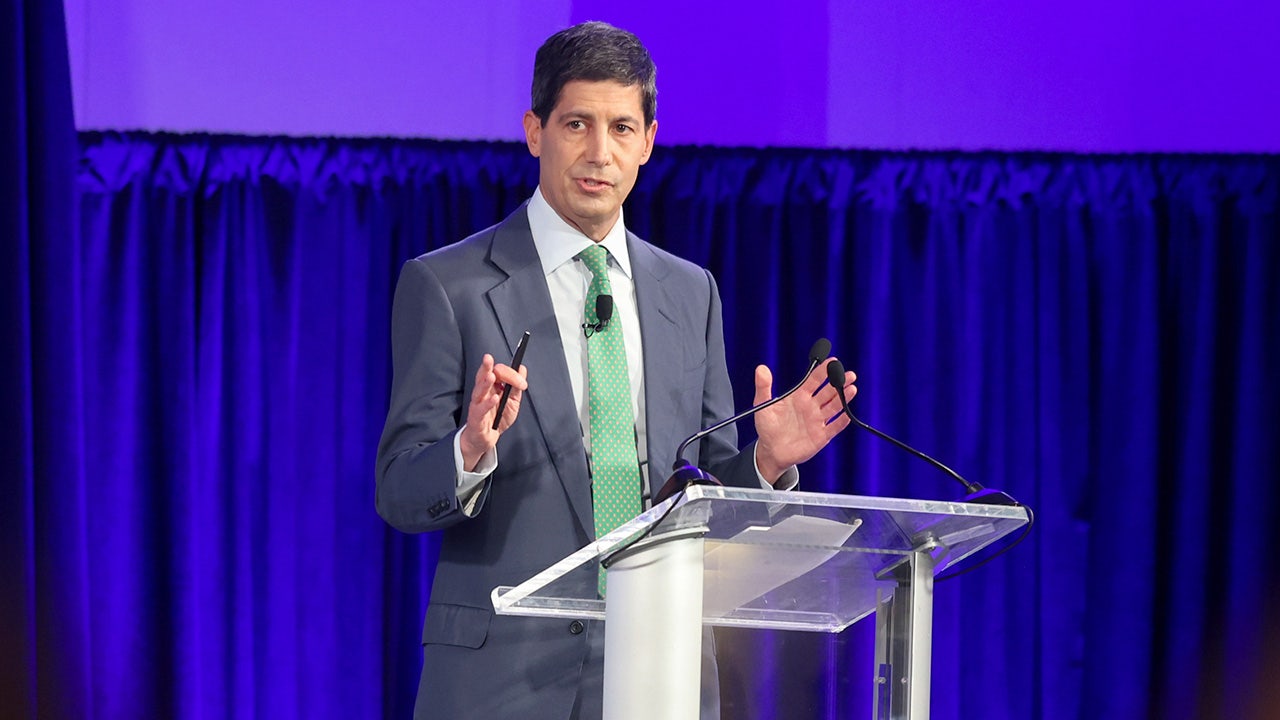
Analysts Recommend Aurora Innovation as a Top Stock Pick
Written by Emily J. Thompson, Senior Investment Analyst
Updated: Feb 19 2026
0mins
Should l Buy AUR?
Source: Yahoo Finance
- Price Target Reduction: TD Cowen lowered its price target for Aurora Innovation from $5.50 to $4.70 while maintaining a Hold rating, citing softer 2026 guidance than previously estimated, which reflects market caution regarding the company's future growth potential.
- Driverless Milestone Achieved: Aurora successfully completed 250,000 driverless miles in commercial trucking operations on US public roads with a perfect safety record, showcasing the maturity of its technology and market application potential, which is expected to lay the groundwork for future revenue growth.
- Optimistic Financial Outlook: Despite reporting $1 million in revenue and a $238 million operating loss in Q4, management anticipates significant financial ramp-up by 2026, targeting over 200 fully driverless trucks by year-end, projected to generate approximately $80 million in revenue.
- Investment and Cost Management: The company continues to navigate a high investment phase with a quarterly cash burn of $146 million; however, Aurora is preparing to launch a more cost-efficient third-generation hardware kit in 2027, demonstrating its commitment to long-term growth.
Trade with 70% Backtested Accuracy
Stop guessing "Should I Buy AUR?" and start using high-conviction signals backed by rigorous historical data.
Sign up today to access powerful investing tools and make smarter, data-driven decisions.
Analyst Views on AUR
Wall Street analysts forecast AUR stock price to rise
7 Analyst Rating
4 Buy
3 Hold
0 Sell
Moderate Buy
Current: 5.220

Low
4.00
Averages
10.36
High
15.00
Current: 5.220
Low
4.00
Averages
10.36
High
15.00
About AUR
Aurora Innovation, Inc. develops the Aurora Driver, which is designed as a platform to adapt and interoperate among a multitude of vehicle types and applications. The Aurora Driver is an advanced and scalable suite of self-driving hardware, software, and data services to transform the global transportation market. The Company has integrated the Aurora Driver into numerous different vehicle platforms designed to meet its requirements: from passenger vehicles to light commercial vehicles to Class 8 trucks. The Company's Aurora Driver for Freight is a driverless trucking subscription service, as its first commercial product. Its second core market focuses on passenger mobility, initially targeting the ride hailing space with Aurora Driver for Rides, its driverless ride hailing subscription service. Its third core market is local goods delivery, which spans several sub-segments, including last-mile parcel and post, prepared food, grocery, and business-to-business (B2B) delivery.
About the author

Emily J. Thompson
Emily J. Thompson, a Chartered Financial Analyst (CFA) with 12 years in investment research, graduated with honors from the Wharton School. Specializing in industrial and technology stocks, she provides in-depth analysis for Intellectia’s earnings and market brief reports.

Aurora Leads the Charge in Autonomous Trucking


- Industry Pioneer: Aurora Innovation has successfully validated driverless operations between Dallas and Houston since deploying its first autonomous trucks in April last year, marking its leadership in the autonomous trucking sector and is expected to drive significant business growth.
- Business Expansion: By validating autonomous freight movement on the 1,000-mile route from Fort Worth to Phoenix, Aurora has surpassed 'hours of service' limitations and anticipates operating over 200 driverless trucks by year-end, projecting annual revenue to reach $80 million.
- Technological Innovation: QuantumScape has accelerated its manufacturing speed by 25 times through its Cobra process and launched a new automated pilot line, aiming to commercialize solid-state batteries, which could play a crucial role in the convergence of electric and driverless vehicles.
- Market Opportunity: Uber Technologies has established partnerships with over 20 autonomous vehicle tech companies, leveraging its strong market share and user base to mitigate development risks, and is expected to enhance profitability of its existing business through the utilization of driverless vehicles.
See More
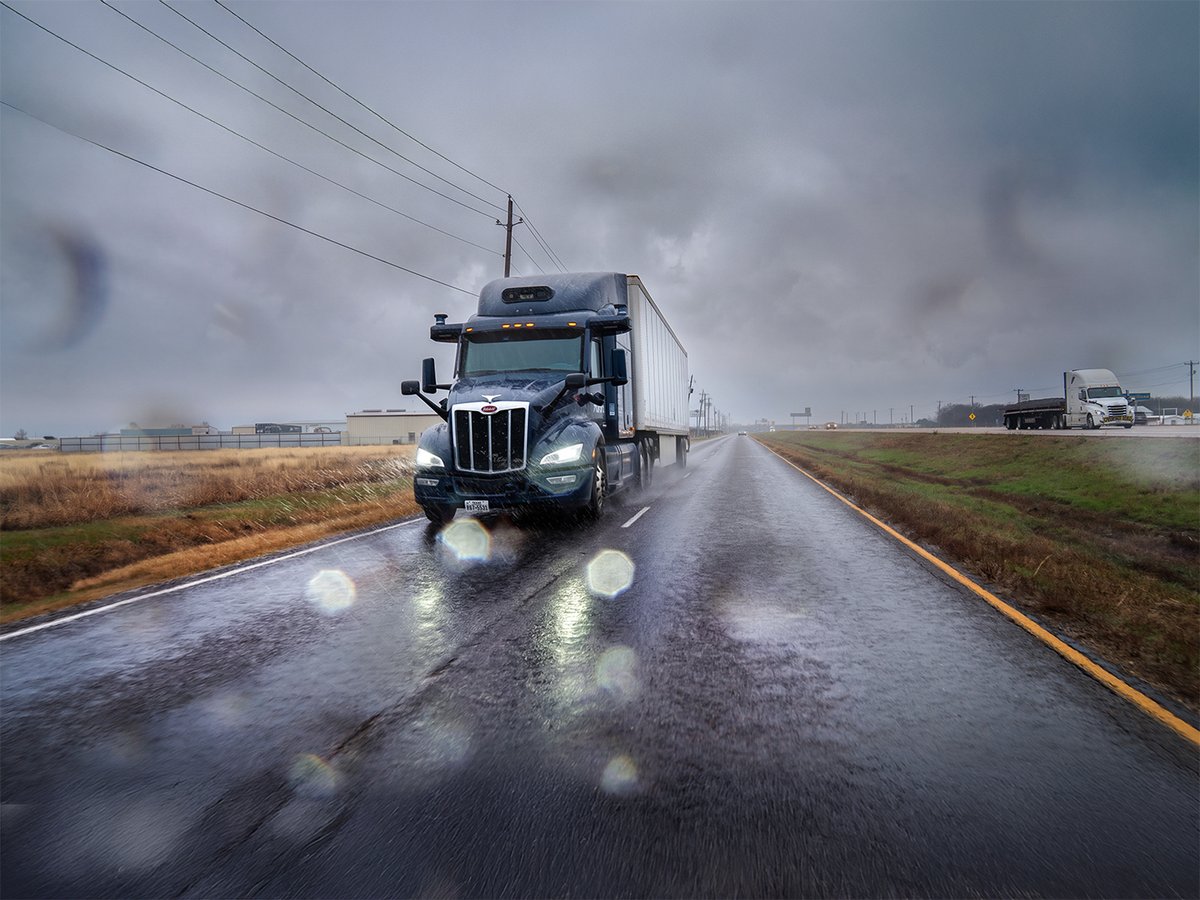
Rapid Growth in the Driverless Vehicle Industry
- Pioneering Autonomous Trucks: Aurora Innovation has validated driverless operations between Dallas and Houston since its first deployment in April last year, and it expects a 400% revenue increase to a forecasted $14 million to $16 million by 2026, showcasing strong growth potential in the autonomous freight market.
- Outstanding Safety Record: As of January 2026, Aurora has logged over 250,000 driverless miles with zero collisions attributed to the Aurora Driver, establishing a solid foundation for future business expansion and enhancing investor confidence.
- Uber's Capital-Light Strategy: Uber Technologies leverages its dominant position in rideshare and delivery, partnering with autonomous tech firms like Aurora and Waymo to mitigate development risks while aiming to enhance profitability through driverless vehicles, making it an attractive option for risk-averse investors.
- Quantum Battery Technology Breakthrough: QuantumScape is developing solid-state battery technology that could significantly improve EV battery density and safety; despite facing fierce competition, its partnership with Volkswagen Group and accelerated production capabilities position it uniquely in the autonomous EV market.
See More
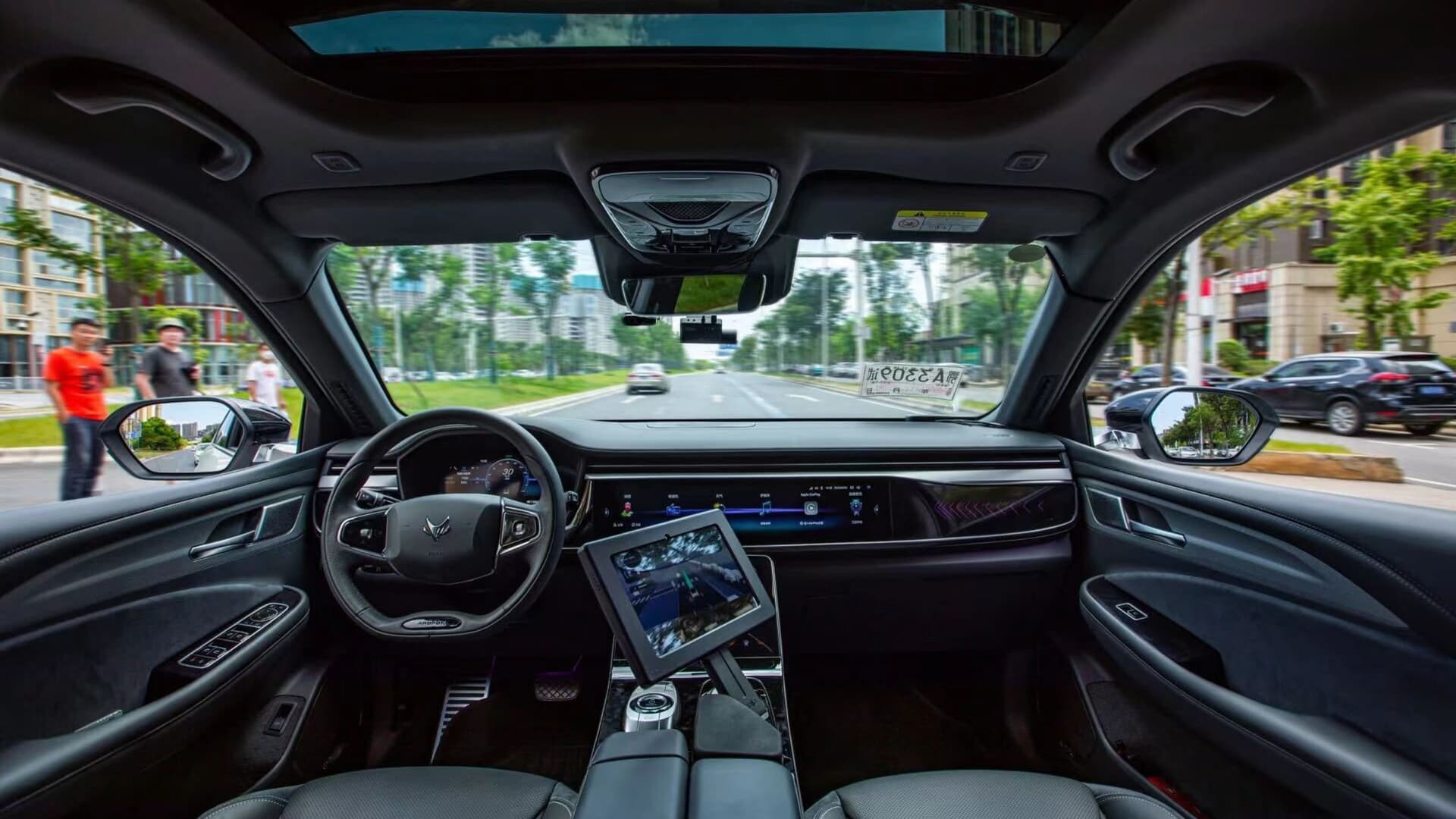
Baidu's Apollo Go Faces System Malfunction Incident

- System Malfunction Incident: In Wuhan, Baidu's Apollo Go robotaxis stalled mid-traffic due to system malfunctions, trapping passengers and causing multiple traffic collisions, highlighting the potential risks of autonomous driving technology in real-world applications.
- Passenger Safety Assurance: Despite the malfunction, local traffic police confirmed that passengers safely exited the vehicles, indicating emergency response capabilities during crises, yet the incident remains under investigation, potentially affecting public trust in driverless technology.
- Competitive Market Pressure: With over 1,000 vehicles deployed in China, Apollo Go faces fierce competition from rivals like WeRide and Pony.AI, which could impact its market share and future investment attractiveness.
- International Expansion Challenges: Although Apollo Go is testing in multiple international cities and partnering with Uber and Lyft, this incident may negatively affect its reputation in overseas markets, particularly for its autonomous services in Abu Dhabi and Dubai.
See More

Texas Emerges as Leading Testing Ground for Autonomous Freight

- Autonomous Freight Innovation: Texas has emerged as a hotbed for companies transitioning from pilot testing to commercial driverless truck operations due to favorable regulations and long straight highways, showcasing the state's leadership in autonomous freight.
- Aurora's Expansion Plans: Aurora Innovation aims to expand its driverless fleet from 10 to approximately 200 trucks by the end of 2026, currently conducting night and adverse weather driving in Texas, marking a significant acceleration in its commercialization efforts.
- Kodiak's Long-Haul Service: Kodiak operates 10 driverless trucks in Texas and plans to launch long-haul driverless trucking services in the second half of the year, utilizing the state's highways for supervised freight, demonstrating its potential in autonomous commercialization.
- Einride's Collaborative Testing: Einride has partnered with SH 130 Concession Company to create a testbed on the Austin-San Antonio corridor focused on safety validation of autonomous highway operations, further solidifying Texas's position in the autonomous freight sector.
See More
Zoox to Launch Robotaxi Service in Austin and Miami
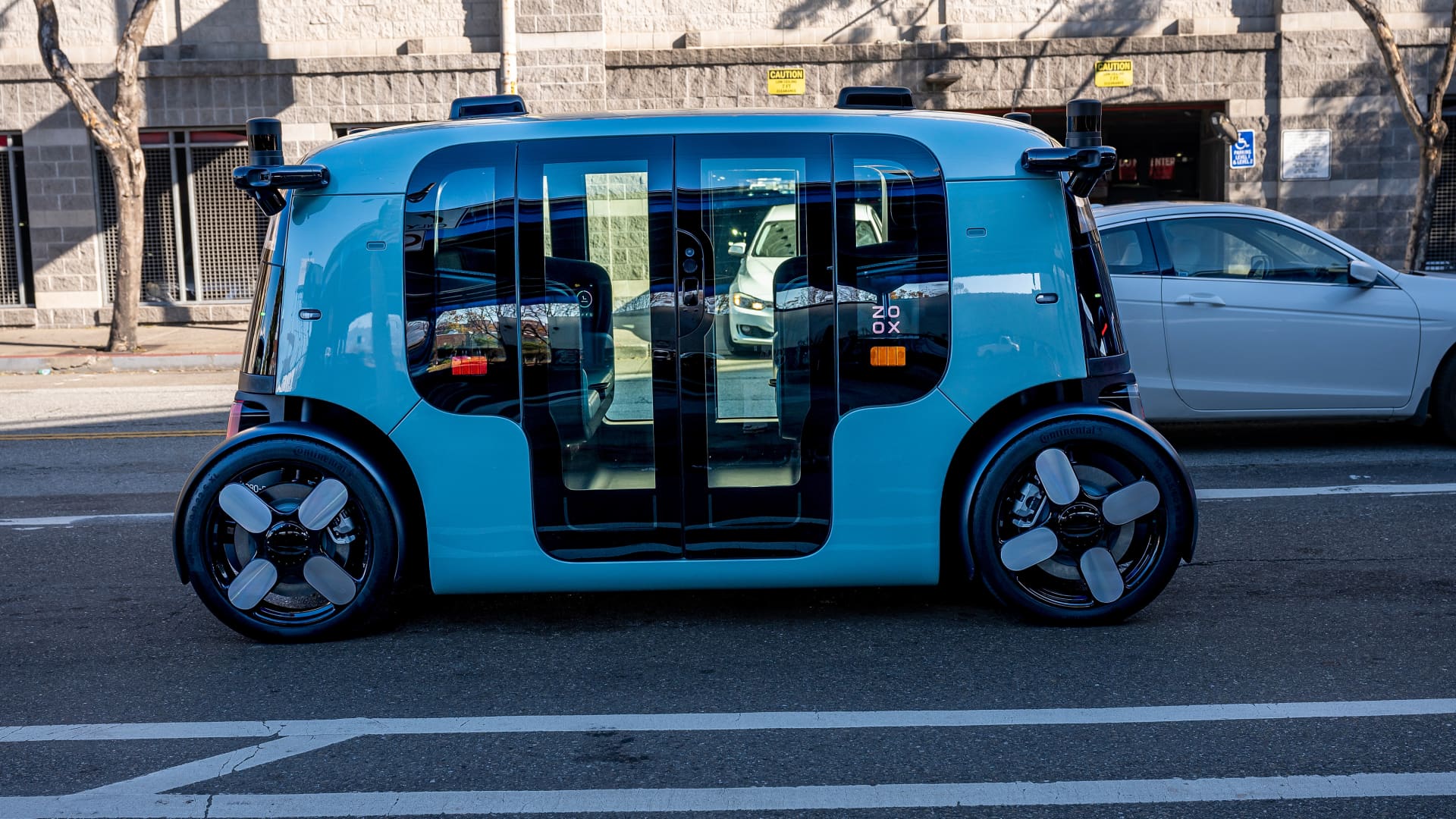
- Service Area Expansion: Zoox announced the upcoming launch of its robotaxi service in Austin and Miami, initially limited to Zoox employees and their families, before opening to the public, indicating the company's ongoing progress in the autonomous driving sector.
- User Base Growth: As of late March, Zoox has provided free driverless rides to 350,000 passengers, with approximately 500,000 people on the waitlist, highlighting strong market demand and potential growth opportunities for its services.
- Increased Competitive Pressure: Zoox faces intense competition from Alphabet's Waymo, which offers 400,000 paid rides weekly across six U.S. cities, necessitating Zoox to accelerate its paid service launch to maintain market competitiveness.
- Technology Testing and Partnerships: Zoox is testing its autonomous technology in 10 U.S. cities and has partnered with Uber to provide services through Uber's ride-hailing app in Las Vegas, expected to enhance its market penetration and user experience.
See More
AI Sparks Potential Blue-Collar Renaissance Amid Job Disruption Fears

- Blue-Collar Employment Revival: Oppenheimer analysts suggest that while AI may rapidly displace white-collar jobs, it could simultaneously drive demand for blue-collar roles, particularly in manufacturing, with employment projected to remain below pre-pandemic levels by 2026.
- Investment Theme Analysis: Oppenheimer outlined five investable themes, including the physical-to-digital connection, emphasizing the value of sensors and data pipelines, with companies in this space expected to benefit from automation trends, including Aeva Technologies and Tesla.
- Automation Tools Opportunity: The analysts identified automation tools that can reskill transitioning workforces, recommending companies like Caterpillar and Rockwell Automation, which enhance worksite experiences through task automation and AI agents.
- Autonomous Systems Development: Oppenheimer also highlighted companies supporting autonomous physical systems, such as Mobileye Global and Aurora Innovation, noting that as fully autonomous solutions are commercialized, human roles will still be essential for remote monitoring and maintenance to ensure safety and problem resolution.
See More
Aurora Leads the Charge in Autonomous Trucking
- Industry Pioneer: Aurora Innovation has successfully validated driverless operations between Dallas and Houston since deploying its first autonomous trucks in April last year, marking its leadership in the autonomous trucking sector and is expected to drive significant business growth.
- Business Expansion: By validating autonomous freight movement on the 1,000-mile route from Fort Worth to Phoenix, Aurora has surpassed 'hours of service' limitations and anticipates operating over 200 driverless trucks by year-end, projecting annual revenue to reach $80 million.
- Technological Innovation: QuantumScape has accelerated its manufacturing speed by 25 times through its Cobra process and launched a new automated pilot line, aiming to commercialize solid-state batteries, which could play a crucial role in the convergence of electric and driverless vehicles.
- Market Opportunity: Uber Technologies has established partnerships with over 20 autonomous vehicle tech companies, leveraging its strong market share and user base to mitigate development risks, and is expected to enhance profitability of its existing business through the utilization of driverless vehicles.
See More
Rapid Growth in the Driverless Vehicle Industry
- Pioneering Autonomous Trucks: Aurora Innovation has validated driverless operations between Dallas and Houston since its first deployment in April last year, and it expects a 400% revenue increase to a forecasted $14 million to $16 million by 2026, showcasing strong growth potential in the autonomous freight market.
- Outstanding Safety Record: As of January 2026, Aurora has logged over 250,000 driverless miles with zero collisions attributed to the Aurora Driver, establishing a solid foundation for future business expansion and enhancing investor confidence.
- Uber's Capital-Light Strategy: Uber Technologies leverages its dominant position in rideshare and delivery, partnering with autonomous tech firms like Aurora and Waymo to mitigate development risks while aiming to enhance profitability through driverless vehicles, making it an attractive option for risk-averse investors.
- Quantum Battery Technology Breakthrough: QuantumScape is developing solid-state battery technology that could significantly improve EV battery density and safety; despite facing fierce competition, its partnership with Volkswagen Group and accelerated production capabilities position it uniquely in the autonomous EV market.
See More
Baidu's Apollo Go Faces System Malfunction Incident
- System Malfunction Incident: In Wuhan, Baidu's Apollo Go robotaxis stalled mid-traffic due to system malfunctions, trapping passengers and causing multiple traffic collisions, highlighting the potential risks of autonomous driving technology in real-world applications.
- Passenger Safety Assurance: Despite the malfunction, local traffic police confirmed that passengers safely exited the vehicles, indicating emergency response capabilities during crises, yet the incident remains under investigation, potentially affecting public trust in driverless technology.
- Competitive Market Pressure: With over 1,000 vehicles deployed in China, Apollo Go faces fierce competition from rivals like WeRide and Pony.AI, which could impact its market share and future investment attractiveness.
- International Expansion Challenges: Although Apollo Go is testing in multiple international cities and partnering with Uber and Lyft, this incident may negatively affect its reputation in overseas markets, particularly for its autonomous services in Abu Dhabi and Dubai.
See More
Texas Emerges as Leading Testing Ground for Autonomous Freight
- Autonomous Freight Innovation: Texas has emerged as a hotbed for companies transitioning from pilot testing to commercial driverless truck operations due to favorable regulations and long straight highways, showcasing the state's leadership in autonomous freight.
- Aurora's Expansion Plans: Aurora Innovation aims to expand its driverless fleet from 10 to approximately 200 trucks by the end of 2026, currently conducting night and adverse weather driving in Texas, marking a significant acceleration in its commercialization efforts.
- Kodiak's Long-Haul Service: Kodiak operates 10 driverless trucks in Texas and plans to launch long-haul driverless trucking services in the second half of the year, utilizing the state's highways for supervised freight, demonstrating its potential in autonomous commercialization.
- Einride's Collaborative Testing: Einride has partnered with SH 130 Concession Company to create a testbed on the Austin-San Antonio corridor focused on safety validation of autonomous highway operations, further solidifying Texas's position in the autonomous freight sector.
See More
Zoox to Launch Robotaxi Service in Austin and Miami
- Service Area Expansion: Zoox announced the upcoming launch of its robotaxi service in Austin and Miami, initially limited to Zoox employees and their families, before opening to the public, indicating the company's ongoing progress in the autonomous driving sector.
- User Base Growth: As of late March, Zoox has provided free driverless rides to 350,000 passengers, with approximately 500,000 people on the waitlist, highlighting strong market demand and potential growth opportunities for its services.
- Increased Competitive Pressure: Zoox faces intense competition from Alphabet's Waymo, which offers 400,000 paid rides weekly across six U.S. cities, necessitating Zoox to accelerate its paid service launch to maintain market competitiveness.
- Technology Testing and Partnerships: Zoox is testing its autonomous technology in 10 U.S. cities and has partnered with Uber to provide services through Uber's ride-hailing app in Las Vegas, expected to enhance its market penetration and user experience.
See More
AI Sparks Potential Blue-Collar Renaissance Amid Job Disruption Fears
- Blue-Collar Employment Revival: Oppenheimer analysts suggest that while AI may rapidly displace white-collar jobs, it could simultaneously drive demand for blue-collar roles, particularly in manufacturing, with employment projected to remain below pre-pandemic levels by 2026.
- Investment Theme Analysis: Oppenheimer outlined five investable themes, including the physical-to-digital connection, emphasizing the value of sensors and data pipelines, with companies in this space expected to benefit from automation trends, including Aeva Technologies and Tesla.
- Automation Tools Opportunity: The analysts identified automation tools that can reskill transitioning workforces, recommending companies like Caterpillar and Rockwell Automation, which enhance worksite experiences through task automation and AI agents.
- Autonomous Systems Development: Oppenheimer also highlighted companies supporting autonomous physical systems, such as Mobileye Global and Aurora Innovation, noting that as fully autonomous solutions are commercialized, human roles will still be essential for remote monitoring and maintenance to ensure safety and problem resolution.
See More