Analysts Anticipate JVAL Will Reach $49
Written by Emily J. Thompson, Senior Investment Analyst
Updated: Jul 17 2025
0mins

Should l Buy MOS?
Source: NASDAQ.COM
JPMorgan US Value Factor ETF Analysis: The JPMorgan US Value Factor ETF (JVAL) has an implied analyst target price of $49.26 per unit, indicating a potential upside of 10.25% from its recent trading price of $44.68.
Notable Holdings with Upside Potential: Key underlying holdings such as U-Haul Holding Co, Rithm Capital Corp, and Mosaic Co show significant upside potential based on average analyst target prices, suggesting further research is needed to assess the validity of these targets.
Trade with 70% Backtested Accuracy
Stop guessing "Should I Buy MOS?" and start using high-conviction signals backed by rigorous historical data.
Sign up today to access powerful investing tools and make smarter, data-driven decisions.
Analyst Views on MOS
Wall Street analysts forecast MOS stock price to rise
13 Analyst Rating
6 Buy
7 Hold
0 Sell
Moderate Buy
Current: 26.510

Low
24.00
Averages
32.38
High
43.00
Current: 26.510
Low
24.00
Averages
32.38
High
43.00
About MOS
The Mosaic Company is a producer and marketer of concentrated phosphate and potash crop nutrients. The Company’s segments include Phosphates, Potash and Mosaic Fertilizantes. The Phosphates segment sells phosphate-based crop nutrients and animal feed ingredients throughout North America and internationally. The Potash business segment owns and operates potash mines and production facilities in Canada and the United States, which produces potash-based crop nutrients, animal feed ingredients and industrial products, and is sold both in domestic and international. The Mosaic Fertilizantes Segment produces and sells phosphate- and potash-based crop nutrients, and animal feed ingredients, in Brazil. In addition to phosphate rock mines and chemical plants, this segment consists of sales offices, crop nutrient blending and bagging facilities, port terminals and warehouses in Brazil and Paraguay. This segment also serves as a distribution outlet for its Phosphates and Potash segments.
About the author

Emily J. Thompson
Emily J. Thompson, a Chartered Financial Analyst (CFA) with 12 years in investment research, graduated with honors from the Wharton School. Specializing in industrial and technology stocks, she provides in-depth analysis for Intellectia’s earnings and market brief reports.
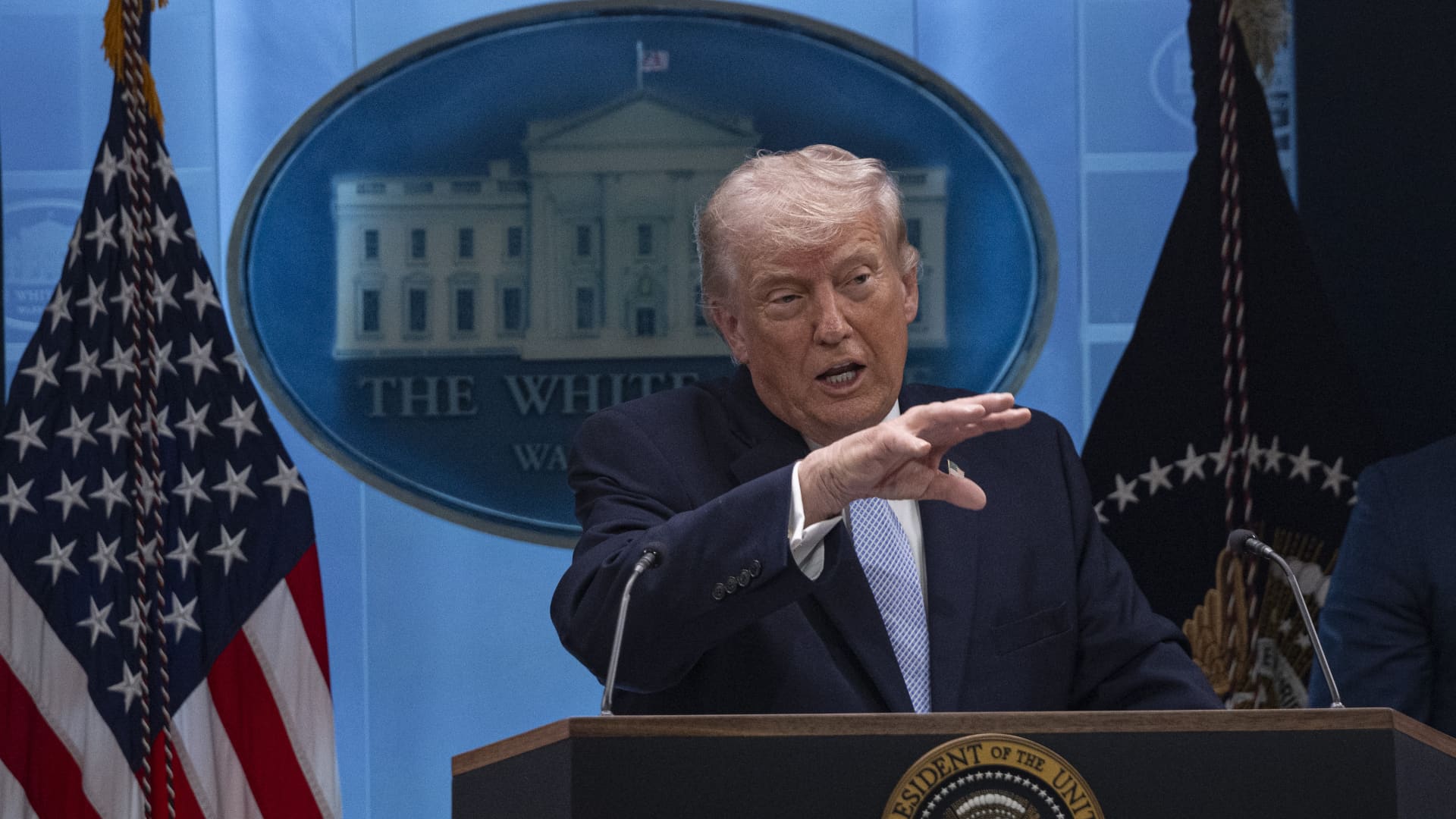
Trump Announces Iran Ceasefire, Markets Rally


- Market Reaction: Trump's announcement to suspend attacks on Iran led to a market rally, with oil prices plummeting over 14% to below $100 per barrel, alleviating global supply chain pressures caused by the conflict.
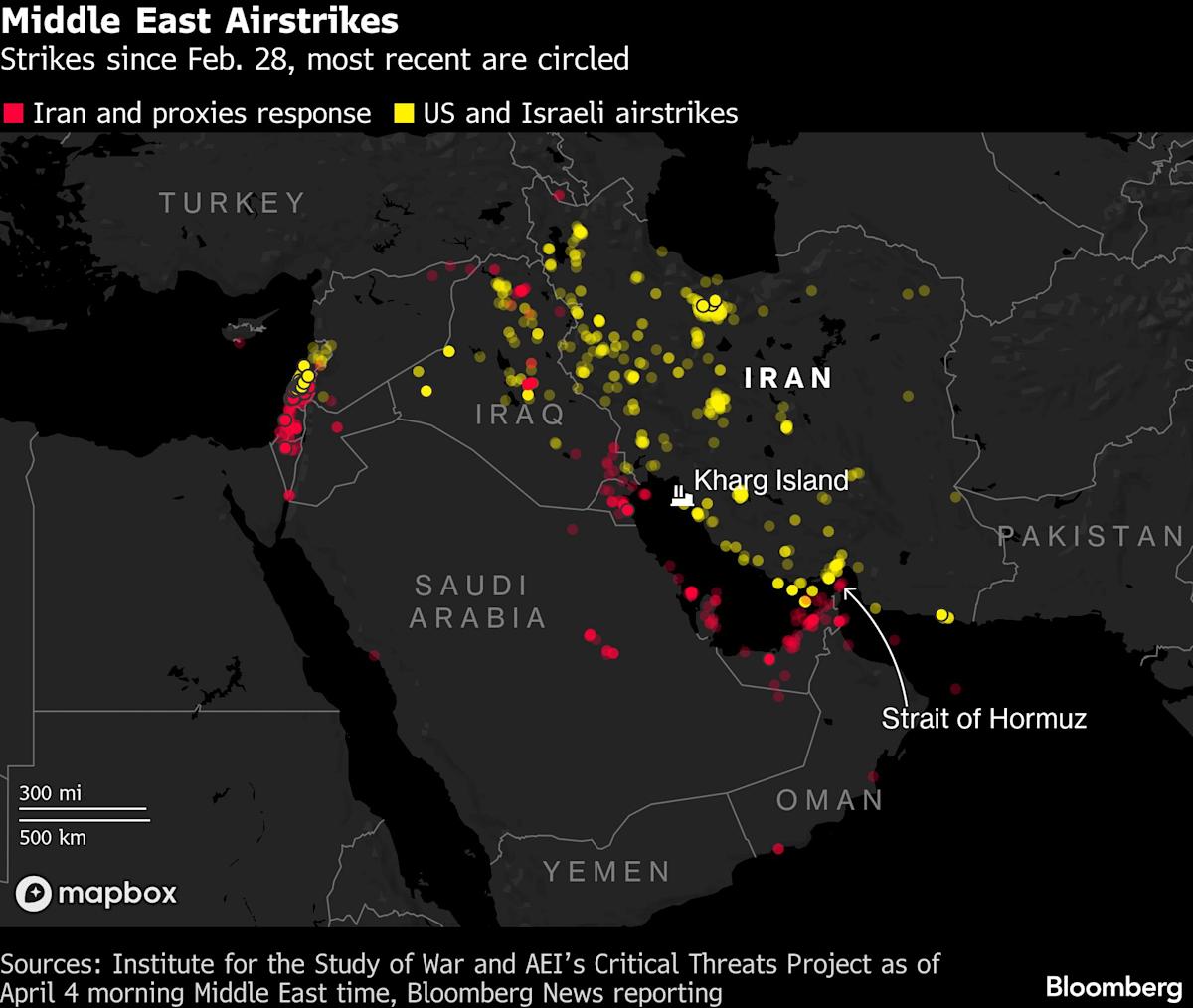
- Ceasefire Agreement: Iran agreed to abide by the ceasefire, allowing safe passage through the Strait of Hormuz, a crucial artery for global oil flows, indicating a de-escalation in regional tensions.
- Diplomatic Mediation: Pakistan played a mediating role in the conflict, facilitating a two-week ceasefire agreement, with Trump noting it was based on Iran's 10-point proposal, underscoring the importance of diplomatic efforts.
- Impact of Oil Price Volatility: The conflict has caused U.S. jet fuel prices to nearly double, prompting some airlines to consider cutting international flights, reflecting the market's sensitivity to oil price fluctuations.
See More

Danone CEO Warns of Middle East Conflict Impact

- Price Hike Warning: Danone CEO Antoine de Saint-Affrique indicated that due to the uncertainty surrounding the Middle East conflict, the company may consider price increases in the future, although no decision has been made yet, highlighting the company's acute awareness of potential cost pressures ahead.
- Inflation Impact: The International Monetary Fund warned that even if the conflict resolves quickly, the Iran war will inevitably lead to higher inflation and slower economic growth, with food and non-alcoholic drink inflation projected to reach 9%, marking the highest level since 2023.
- Brand Investment Strategy: Amid increasing macroeconomic uncertainty, de Saint-Affrique emphasized that Danone will continue to invest in its brands to maintain market relevance and competitive advantage, particularly in the face of competition from cheaper private labels.
- Acquisition Plans: Danone announced its acquisition of protein shake maker Huelfor, aiming to optimize its position in the fast-growing nutrition market, thereby enhancing its competitiveness in the health brand sector.
See More
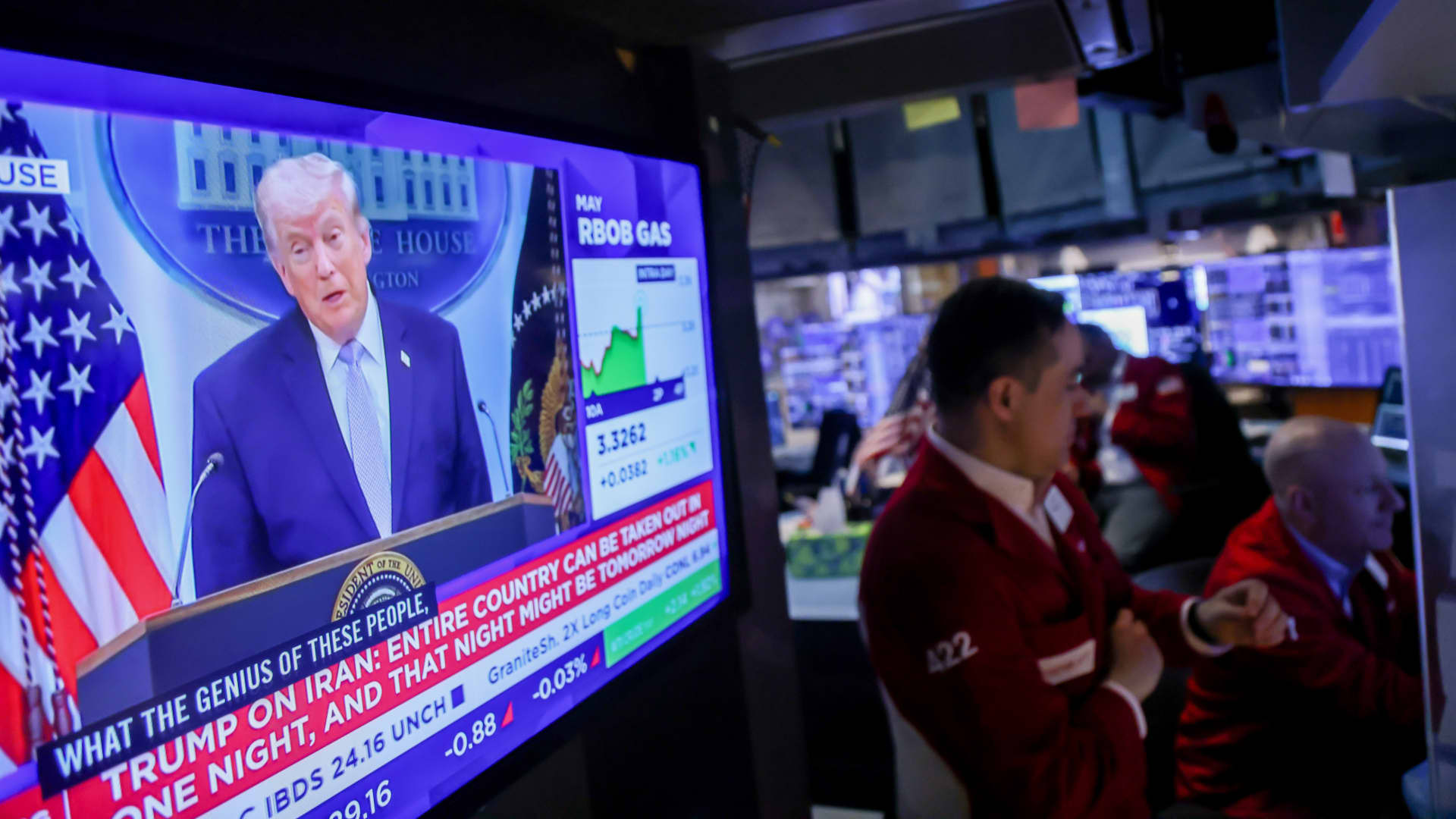
Trump Escalates Threats Against Iran Amid Negotiations
- Trump's Tough Stance: President Trump stated in a press conference that he might attack Iran's energy and transportation infrastructure if the Strait of Hormuz is not reopened by Tuesday night, intensifying market uncertainty surrounding geopolitical tensions.
- Iran's Ceasefire Proposal: Although the U.S. has received Iran's latest ceasefire proposal, Trump described it as 'not good enough,' indicating significant divisions remain in negotiations that could impact future diplomatic efforts.
- Oil Price Surge: Oil prices continued to rise amid these developments, with shipping through the Strait of Hormuz gradually resuming as eight tankers transited on Monday, up from an average of fewer than two per day in March, yet still a fraction of the 20 million barrels per day seen in 2025.
- Market Volatility: Asia-Pacific markets experienced volatile trading on Tuesday, with major indexes flipping to losses in the morning session, reflecting investor concerns over geopolitical developments, while U.S. futures indicated a mixed opening ahead.
See More
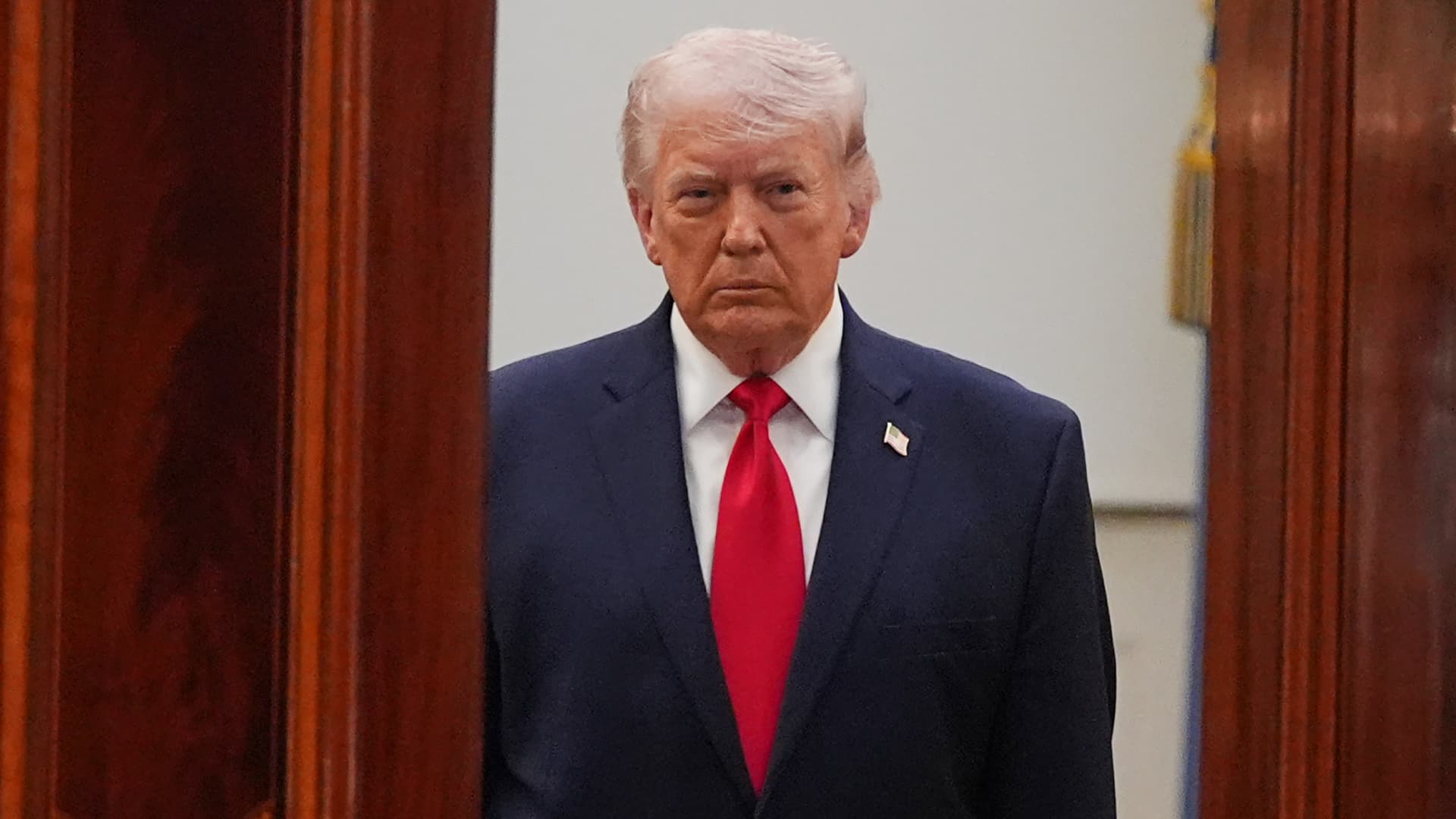
Trump's Pressure on Iran Influences Market Reactions
- Escalating Threats: Trump reiterated threats against Iran, demanding the reopening of the Strait of Hormuz by 8 p.m. ET Tuesday or face attacks on its infrastructure, potentially increasing market uncertainty.
- Cautious Market Response: Despite Trump's threats causing a slight rise in oil prices, the S&P 500 rose for the fourth consecutive day as investors weighed the possibility of de-escalation, indicating cautious optimism in the market.
- AI Momentum: Broadcom's expanded chip partnership with Google and Anthropic underscores strong demand for AI infrastructure, becoming a key market driver that may influence the performance of related tech stocks.
- Field Observation Report: Citrini Research sent an analyst to the Strait of Hormuz, discovering that despite tensions, around 15 ships are still passing daily, suggesting that the critical oil artery's transport activity is not completely halted, which could affect market expectations for oil prices.
See More
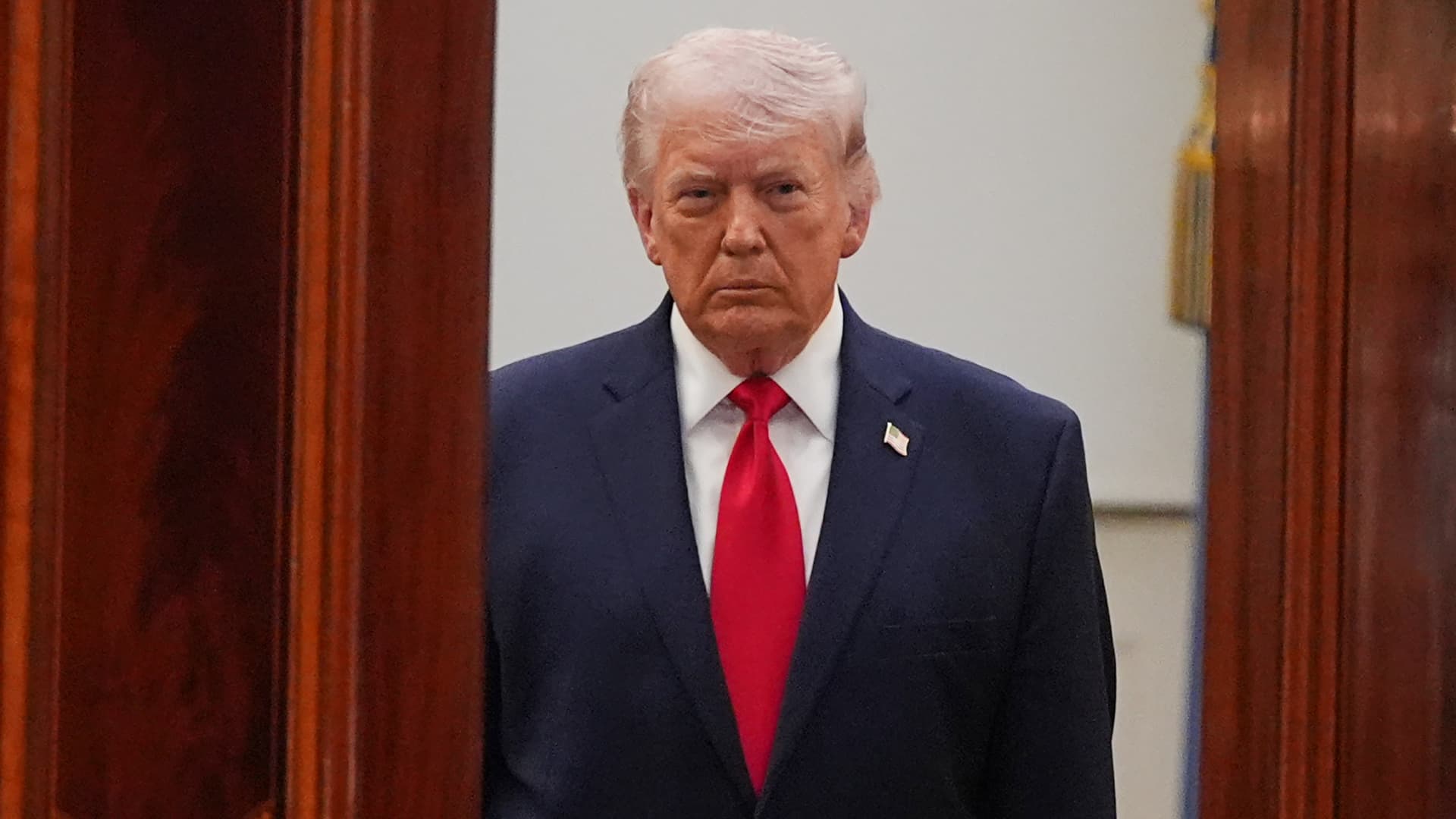
Trump's Hardline Stance on Iran War Intensifies
- Escalating Conflict: Trump's social media post threatens military action against Iran's power plants and bridges if the Strait of Hormuz is not reopened by Tuesday, provoking strong backlash from opposition leaders and civil society groups.
- Surging Oil Prices: The ongoing blockade of the Strait of Hormuz has pushed U.S. crude prices above $114 per barrel on Sunday, highlighting the significant impact of the regional conflict on global energy markets.
- Military Engagement: Iran continues to strike economic and infrastructure targets in neighboring Gulf Arab countries and shot down an American F-15E fighter jet over the weekend, with Trump confirming that the missing service member has been rescued, further escalating tensions.
- Federal Reserve Nomination: Trump's nominee Kevin Warsh is set for a Senate Banking Committee hearing on April 16, despite a separate criminal probe into the Fed, indicating a complex economic policy landscape under the Trump administration.
See More
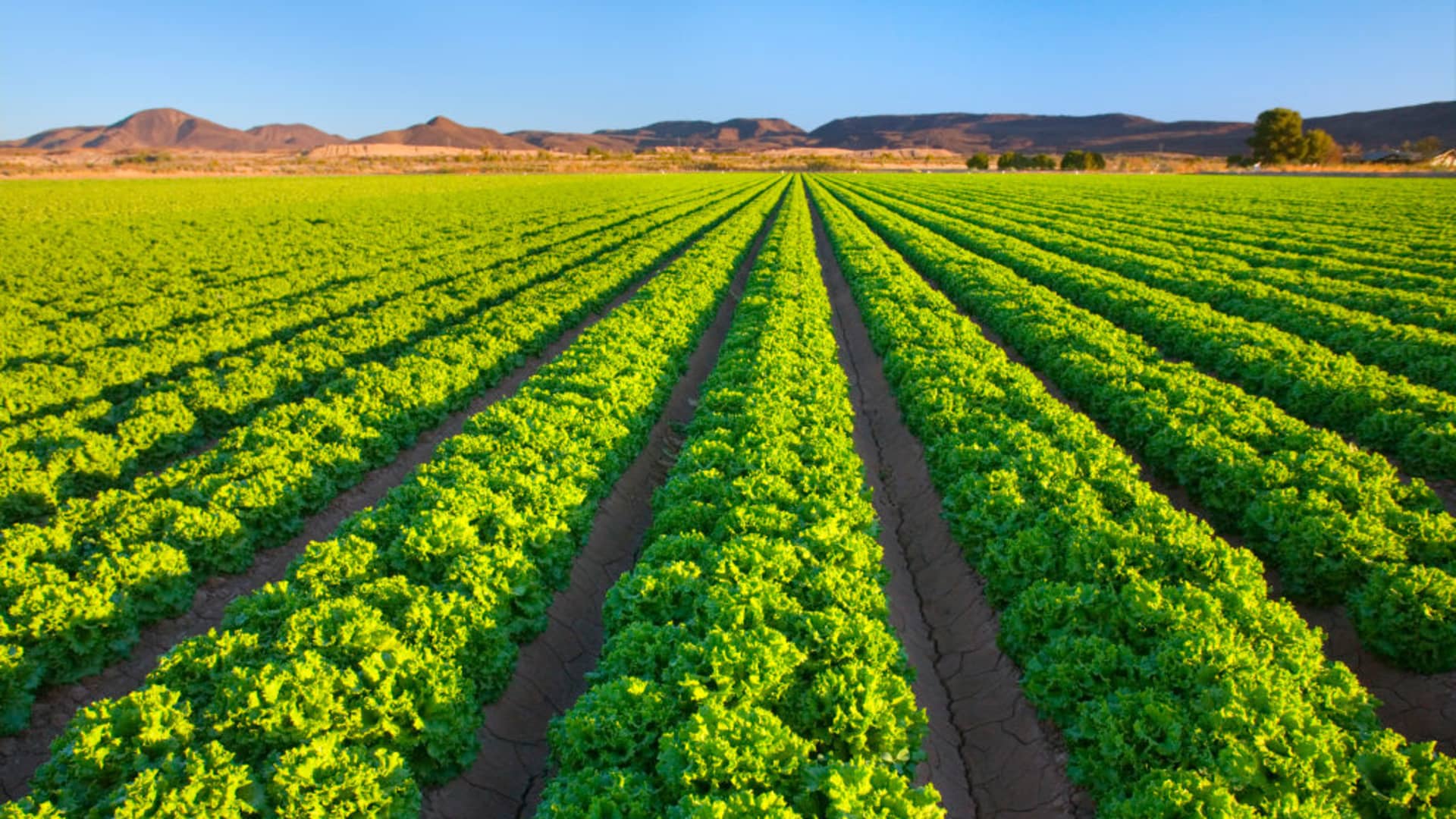
Surging Energy Prices Amid Iran War Raise Food Cost Concerns

- Surge in Energy Prices: Since the onset of the Middle East conflict, international Brent crude futures have surged by 50%, while West Texas Intermediate futures have increased by 66%, raising concerns on Wall Street about the potential impact on future food prices.
- Rising Fertilizer Costs: UBS economist Arend Kapteyn noted that the spike in energy prices is driving up fertilizer costs, particularly affecting the transport of urea and ammonia through the Strait of Hormuz, with fertilizer prices expected to rise by 48% year over year.
- Food Price Pressure: As fertilizer costs increase, global food prices are projected to rise by 12% year over year, directly impacting consumers, especially in advanced economies and emerging markets.
- Inflation Expectations Rise: Kapteyn anticipates that inflation in advanced economies could increase by 50 basis points, while emerging markets may see inflation rise by up to 240 basis points, indicating that sustained energy price increases will have profound effects on the global economy.
See More
Trump Announces Iran Ceasefire, Markets Rally
- Market Reaction: Trump's announcement to suspend attacks on Iran led to a market rally, with oil prices plummeting over 14% to below $100 per barrel, alleviating global supply chain pressures caused by the conflict.
- Ceasefire Agreement: Iran agreed to abide by the ceasefire, allowing safe passage through the Strait of Hormuz, a crucial artery for global oil flows, indicating a de-escalation in regional tensions.
- Diplomatic Mediation: Pakistan played a mediating role in the conflict, facilitating a two-week ceasefire agreement, with Trump noting it was based on Iran's 10-point proposal, underscoring the importance of diplomatic efforts.
- Impact of Oil Price Volatility: The conflict has caused U.S. jet fuel prices to nearly double, prompting some airlines to consider cutting international flights, reflecting the market's sensitivity to oil price fluctuations.
See More
Danone CEO Warns of Middle East Conflict Impact
- Price Hike Warning: Danone CEO Antoine de Saint-Affrique indicated that due to the uncertainty surrounding the Middle East conflict, the company may consider price increases in the future, although no decision has been made yet, highlighting the company's acute awareness of potential cost pressures ahead.
- Inflation Impact: The International Monetary Fund warned that even if the conflict resolves quickly, the Iran war will inevitably lead to higher inflation and slower economic growth, with food and non-alcoholic drink inflation projected to reach 9%, marking the highest level since 2023.
- Brand Investment Strategy: Amid increasing macroeconomic uncertainty, de Saint-Affrique emphasized that Danone will continue to invest in its brands to maintain market relevance and competitive advantage, particularly in the face of competition from cheaper private labels.
- Acquisition Plans: Danone announced its acquisition of protein shake maker Huelfor, aiming to optimize its position in the fast-growing nutrition market, thereby enhancing its competitiveness in the health brand sector.
See More
Trump Escalates Threats Against Iran Amid Negotiations
- Trump's Tough Stance: President Trump stated in a press conference that he might attack Iran's energy and transportation infrastructure if the Strait of Hormuz is not reopened by Tuesday night, intensifying market uncertainty surrounding geopolitical tensions.
- Iran's Ceasefire Proposal: Although the U.S. has received Iran's latest ceasefire proposal, Trump described it as 'not good enough,' indicating significant divisions remain in negotiations that could impact future diplomatic efforts.
- Oil Price Surge: Oil prices continued to rise amid these developments, with shipping through the Strait of Hormuz gradually resuming as eight tankers transited on Monday, up from an average of fewer than two per day in March, yet still a fraction of the 20 million barrels per day seen in 2025.
- Market Volatility: Asia-Pacific markets experienced volatile trading on Tuesday, with major indexes flipping to losses in the morning session, reflecting investor concerns over geopolitical developments, while U.S. futures indicated a mixed opening ahead.
See More
Trump's Pressure on Iran Influences Market Reactions
- Escalating Threats: Trump reiterated threats against Iran, demanding the reopening of the Strait of Hormuz by 8 p.m. ET Tuesday or face attacks on its infrastructure, potentially increasing market uncertainty.
- Cautious Market Response: Despite Trump's threats causing a slight rise in oil prices, the S&P 500 rose for the fourth consecutive day as investors weighed the possibility of de-escalation, indicating cautious optimism in the market.
- AI Momentum: Broadcom's expanded chip partnership with Google and Anthropic underscores strong demand for AI infrastructure, becoming a key market driver that may influence the performance of related tech stocks.
- Field Observation Report: Citrini Research sent an analyst to the Strait of Hormuz, discovering that despite tensions, around 15 ships are still passing daily, suggesting that the critical oil artery's transport activity is not completely halted, which could affect market expectations for oil prices.
See More
Trump's Hardline Stance on Iran War Intensifies
- Escalating Conflict: Trump's social media post threatens military action against Iran's power plants and bridges if the Strait of Hormuz is not reopened by Tuesday, provoking strong backlash from opposition leaders and civil society groups.
- Surging Oil Prices: The ongoing blockade of the Strait of Hormuz has pushed U.S. crude prices above $114 per barrel on Sunday, highlighting the significant impact of the regional conflict on global energy markets.
- Military Engagement: Iran continues to strike economic and infrastructure targets in neighboring Gulf Arab countries and shot down an American F-15E fighter jet over the weekend, with Trump confirming that the missing service member has been rescued, further escalating tensions.
- Federal Reserve Nomination: Trump's nominee Kevin Warsh is set for a Senate Banking Committee hearing on April 16, despite a separate criminal probe into the Fed, indicating a complex economic policy landscape under the Trump administration.
See More
Surging Energy Prices Amid Iran War Raise Food Cost Concerns
- Surge in Energy Prices: Since the onset of the Middle East conflict, international Brent crude futures have surged by 50%, while West Texas Intermediate futures have increased by 66%, raising concerns on Wall Street about the potential impact on future food prices.
- Rising Fertilizer Costs: UBS economist Arend Kapteyn noted that the spike in energy prices is driving up fertilizer costs, particularly affecting the transport of urea and ammonia through the Strait of Hormuz, with fertilizer prices expected to rise by 48% year over year.
- Food Price Pressure: As fertilizer costs increase, global food prices are projected to rise by 12% year over year, directly impacting consumers, especially in advanced economies and emerging markets.
- Inflation Expectations Rise: Kapteyn anticipates that inflation in advanced economies could increase by 50 basis points, while emerging markets may see inflation rise by up to 240 basis points, indicating that sustained energy price increases will have profound effects on the global economy.
See More