Analysis of the Tech Sell-Off Reasons
Written by Emily J. Thompson, Senior Investment Analyst
Updated: Feb 05 2026
0mins


Should l Buy AMZN?
Source: Fool
- Nasdaq Decline: The Nasdaq index fell 1.5% yesterday amid growing fears of AI disruption, with SaaS stocks particularly hard hit, as the S&P 500 software and services index has dropped nearly 13% over the past six sessions, indicating a waning confidence in the tech sector.
- Earnings Impact on GOOG and QCOM: Alphabet's stock fell as much as 7% after hours but recovered slightly before market open, with 2026 capex expected to be double last year's $91 billion, reflecting an aggressive investment strategy that may impact short-term stock performance; Qualcomm dropped nearly 10% pre-market due to CEO warnings about memory supply and pricing constraints.
- Quantum Stocks Hit Hard: IonQ's stock fell 8.14% yesterday following a short-seller report claiming most of its revenue comes from acquired non-quantum computing businesses, raising doubts about the commercial viability of the quantum sector, with competitors D-Wave Quantum and Rigetti Computing also closing over 5% lower.
- Amazon's Strong Performance: Amazon has outperformed the S&P 500 by 69% since January 2023, and despite concerns over holiday season performance and cloud growth, its strong quarterly results demonstrate resilience in the market, with investors looking forward to future strategic updates.
Trade with 70% Backtested Accuracy
Stop guessing "Should I Buy AMZN?" and start using high-conviction signals backed by rigorous historical data.
Sign up today to access powerful investing tools and make smarter, data-driven decisions.
Analyst Views on AMZN
Wall Street analysts forecast AMZN stock price to rise
44 Analyst Rating
41 Buy
3 Hold
0 Sell
Strong Buy
Current: 213.490

Low
175.00
Averages
280.01
High
325.00
Current: 213.490
Low
175.00
Averages
280.01
High
325.00
About AMZN
Amazon.com, Inc. provides a range of products and services to customers. The products offered through its stores include merchandise and content it has purchased for resale and products offered by third-party sellers. The Company’s segments include North America, International and Amazon Web Services (AWS). It serves consumers through its online and physical stores and focuses on selection, price, and convenience. Customers access its offerings through its websites, mobile apps, Alexa, devices, streaming, and physically visiting its stores. It also manufactures and sells electronic devices, including Kindle, Fire tablet, Fire TV, Echo, Ring, Blink, and eero, and develops and produces media content. It serves developers and enterprises of all sizes, including start-ups, government agencies, and academic institutions, through AWS, which offers a set of on-demand technology services, including compute, storage, database, analytics, and machine learning, and other services.
About the author

Emily J. Thompson
Emily J. Thompson, a Chartered Financial Analyst (CFA) with 12 years in investment research, graduated with honors from the Wharton School. Specializing in industrial and technology stocks, she provides in-depth analysis for Intellectia’s earnings and market brief reports.

Amazon Pharmacy Expands Weight Loss Medication Offerings

- Medication Expansion: Amazon Pharmacy is now offering Eli Lilly's Zepbound KwikPen for same-day delivery in nearly 3,000 locations, allowing customers to purchase it starting at $299 per month with a valid prescription, significantly enhancing access to weight loss medications.
- Same-Day Delivery Service: By providing same-day delivery, Amazon Pharmacy enables customers to conveniently obtain Zepbound KwikPen, addressing the market demand for rapid medication delivery and thereby improving customer experience.
- Diverse Medication Options: In addition to Zepbound, Amazon Pharmacy also offers FDA-approved GLP-1 medications, including Mounjaro, Wegovy, and Ozempic, further enriching its weight loss product line to meet varying customer needs.
- Market Reaction: Although Amazon's shares briefly rose on the news, they subsequently surrendered gains due to broader market weakness, indicating a cautious market sentiment regarding the impact of new product launches on future stock performance.
See More
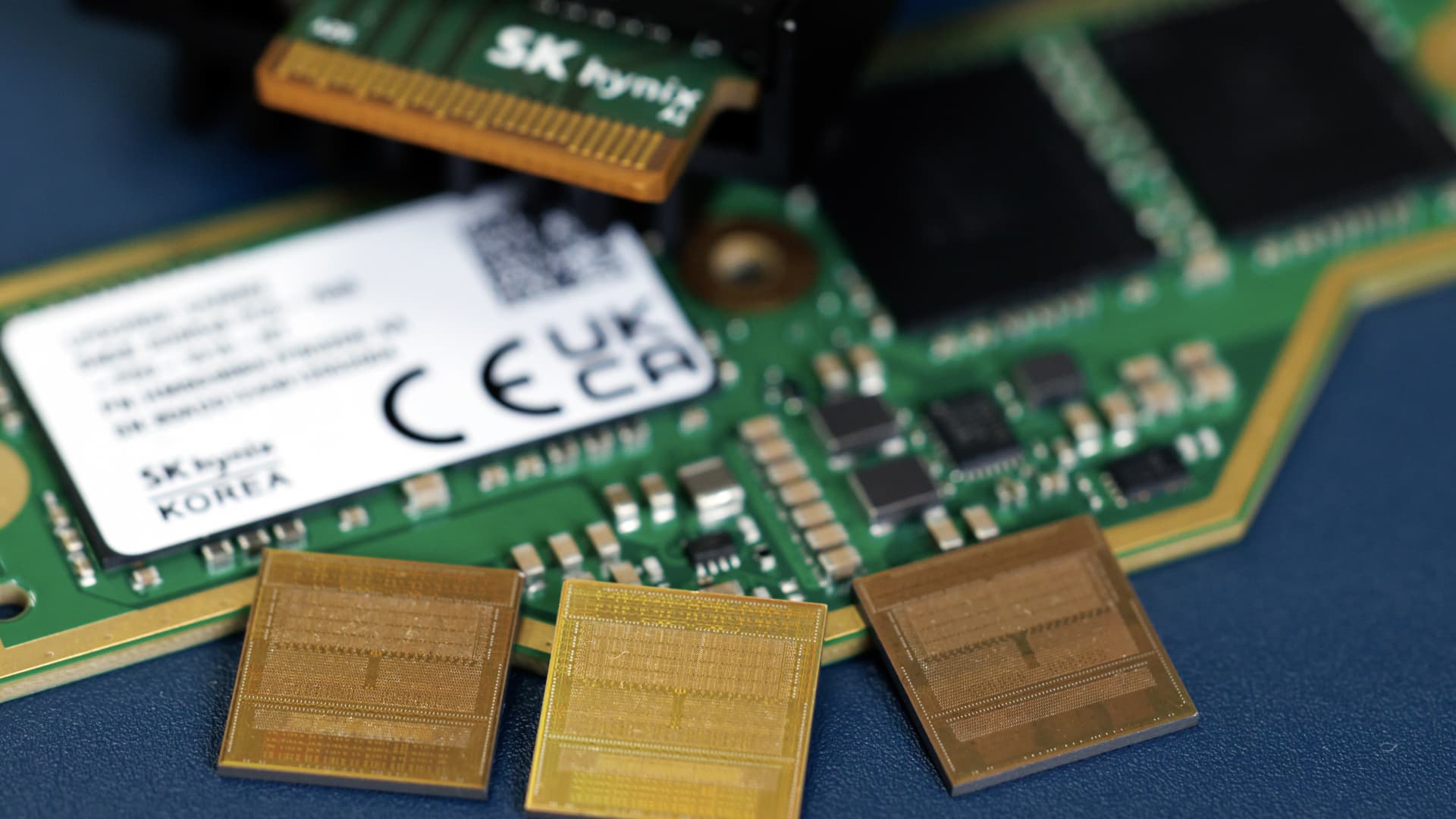
Middle East Conflict Intensifies Semiconductor Industry Impact


- Supply Chain Risks: The ongoing conflict in the Middle East poses significant risks to the semiconductor industry, particularly regarding the supply of critical materials like helium and bromine, with potential disruptions in helium production due to the closure of the Strait of Hormuz, which could lead to shocks in global semiconductor manufacturing.
- Market Value Loss: Since the onset of the conflict, SK Hynix and Samsung have collectively lost over $200 billion in market value, and although their stock prices have recently rebounded, concerns about future demand persist, potentially undermining investor confidence.
- Rising Energy Costs: Brent crude prices surged above $100, and the increase in energy costs will significantly raise operational expenses for AI data centers, which may lead to a reduction in demand for memory chips, thereby impacting the overall semiconductor market performance.
- DRAM Price Pressure: With rising production costs and shortages of key materials, DRAM prices may face downward pressure; although Samsung and SK Hynix currently have long-term supply contracts, the ongoing conflict could delay AI infrastructure builds, affecting future revenue expectations.
See More

Middle East Conflict Disrupts Semiconductor Supply Chain
- Supply Chain Risks: Analysts warn that a prolonged conflict in the Middle East could disrupt the semiconductor industry's access to key materials like helium and bromine, with helium's supply interruption posing significant risks to global semiconductor manufacturing.
- Demand Impact from Rising Energy Costs: Higher energy prices could dampen demand for AI data center buildouts, particularly affecting memory chipmakers like Samsung and SK Hynix, which may face declining demand and profitability.
- Market Reaction and Stock Volatility: Since the onset of the conflict, Samsung and SK Hynix have seen over $200 billion wiped off their combined market value, and despite a rebound on Tuesday, uncertainty regarding future demand continues to create investor anxiety.
- Potential Production Cost Increases: Analysts note that electricity costs account for half of a data center's operating expenses, and if memory prices rise due to supply chain instability while energy costs also increase, customers may cut capital spending, further suppressing semiconductor demand.
See More
Latest Wall Street Rating Updates

- BofA Downgrades Qualcomm: Bank of America has downgraded Qualcomm from neutral to underperform with a price target of $145, citing lukewarm projected sales and EPS growth of only 2% and 1% CAGR from 2025 to 2028, significantly lagging the semiconductor sector's expected 17% growth.
- Deutsche Bank Upgrades Teladoc: Deutsche Bank upgraded Teladoc from hold to buy, highlighting an attractive risk/reward profile due to compelling valuation and a deliverable strategy for its BetterHelp business, indicating a strong potential for future growth.
- TD Cowen Upgrades Rivian: TD Cowen upgraded Rivian from hold to buy, projecting full-scale demand for its R2 model to reach between 212,000 and 335,000 units, suggesting significant upside potential against 2027 consensus estimates.
- Morgan Stanley Reiterates Microsoft Overweight: Morgan Stanley reiterated its overweight rating on Microsoft, emphasizing the readiness of its Office product suite for the upcoming Agentic AI offerings, with general availability expected on May 1, 2026, priced at $99 per user per month.
See More

Apple's iPhone Production in India Surges

- Production Surge: Apple increased its iPhone production in India to 55 million units in 2025, a 53% rise from 36 million in 2024, now accounting for about a quarter of its total iPhone output, significantly reducing reliance on China amid tariff pressures.
- Supply Chain Expansion: The company is engaging in preliminary talks with Indian chipmakers to strengthen its supply chain, with CG Semi participating in discussions, which could integrate local vendors deeper into Apple's production ecosystem.
- Market Growth Potential: With a population exceeding 1.4 billion, India presents a substantial growth opportunity for Apple, as rising incomes are expected to boost demand for products like the iPhone, where Apple currently holds about 10% of the smartphone market.
- Payment Service Prospects: Apple Pay is likely to support India's Unified Payments Interface, enhancing demand for Apple products, especially following the opening of Apple's sixth store in Mumbai, which could further increase market penetration.
See More

AT&T's $250 Billion Investment in Network Expansion Raises Concerns for Investors.

- AT&T's Investment Plans: AT&T plans to invest $250 billion in network expansion over the next five years.
- Market Concerns: This significant spending forecast may raise concerns in the market, particularly amid existing anxieties regarding Big Tech's spending strategies.
See More
Amazon Pharmacy Expands Weight Loss Medication Offerings
- Medication Expansion: Amazon Pharmacy is now offering Eli Lilly's Zepbound KwikPen for same-day delivery in nearly 3,000 locations, allowing customers to purchase it starting at $299 per month with a valid prescription, significantly enhancing access to weight loss medications.
- Same-Day Delivery Service: By providing same-day delivery, Amazon Pharmacy enables customers to conveniently obtain Zepbound KwikPen, addressing the market demand for rapid medication delivery and thereby improving customer experience.
- Diverse Medication Options: In addition to Zepbound, Amazon Pharmacy also offers FDA-approved GLP-1 medications, including Mounjaro, Wegovy, and Ozempic, further enriching its weight loss product line to meet varying customer needs.
- Market Reaction: Although Amazon's shares briefly rose on the news, they subsequently surrendered gains due to broader market weakness, indicating a cautious market sentiment regarding the impact of new product launches on future stock performance.
See More
Middle East Conflict Intensifies Semiconductor Industry Impact
- Supply Chain Risks: The ongoing conflict in the Middle East poses significant risks to the semiconductor industry, particularly regarding the supply of critical materials like helium and bromine, with potential disruptions in helium production due to the closure of the Strait of Hormuz, which could lead to shocks in global semiconductor manufacturing.
- Market Value Loss: Since the onset of the conflict, SK Hynix and Samsung have collectively lost over $200 billion in market value, and although their stock prices have recently rebounded, concerns about future demand persist, potentially undermining investor confidence.
- Rising Energy Costs: Brent crude prices surged above $100, and the increase in energy costs will significantly raise operational expenses for AI data centers, which may lead to a reduction in demand for memory chips, thereby impacting the overall semiconductor market performance.
- DRAM Price Pressure: With rising production costs and shortages of key materials, DRAM prices may face downward pressure; although Samsung and SK Hynix currently have long-term supply contracts, the ongoing conflict could delay AI infrastructure builds, affecting future revenue expectations.
See More
Middle East Conflict Disrupts Semiconductor Supply Chain
- Supply Chain Risks: Analysts warn that a prolonged conflict in the Middle East could disrupt the semiconductor industry's access to key materials like helium and bromine, with helium's supply interruption posing significant risks to global semiconductor manufacturing.
- Demand Impact from Rising Energy Costs: Higher energy prices could dampen demand for AI data center buildouts, particularly affecting memory chipmakers like Samsung and SK Hynix, which may face declining demand and profitability.
- Market Reaction and Stock Volatility: Since the onset of the conflict, Samsung and SK Hynix have seen over $200 billion wiped off their combined market value, and despite a rebound on Tuesday, uncertainty regarding future demand continues to create investor anxiety.
- Potential Production Cost Increases: Analysts note that electricity costs account for half of a data center's operating expenses, and if memory prices rise due to supply chain instability while energy costs also increase, customers may cut capital spending, further suppressing semiconductor demand.
See More
Latest Wall Street Rating Updates
- BofA Downgrades Qualcomm: Bank of America has downgraded Qualcomm from neutral to underperform with a price target of $145, citing lukewarm projected sales and EPS growth of only 2% and 1% CAGR from 2025 to 2028, significantly lagging the semiconductor sector's expected 17% growth.
- Deutsche Bank Upgrades Teladoc: Deutsche Bank upgraded Teladoc from hold to buy, highlighting an attractive risk/reward profile due to compelling valuation and a deliverable strategy for its BetterHelp business, indicating a strong potential for future growth.
- TD Cowen Upgrades Rivian: TD Cowen upgraded Rivian from hold to buy, projecting full-scale demand for its R2 model to reach between 212,000 and 335,000 units, suggesting significant upside potential against 2027 consensus estimates.
- Morgan Stanley Reiterates Microsoft Overweight: Morgan Stanley reiterated its overweight rating on Microsoft, emphasizing the readiness of its Office product suite for the upcoming Agentic AI offerings, with general availability expected on May 1, 2026, priced at $99 per user per month.
See More
Apple's iPhone Production in India Surges
- Production Surge: Apple increased its iPhone production in India to 55 million units in 2025, a 53% rise from 36 million in 2024, now accounting for about a quarter of its total iPhone output, significantly reducing reliance on China amid tariff pressures.
- Supply Chain Expansion: The company is engaging in preliminary talks with Indian chipmakers to strengthen its supply chain, with CG Semi participating in discussions, which could integrate local vendors deeper into Apple's production ecosystem.
- Market Growth Potential: With a population exceeding 1.4 billion, India presents a substantial growth opportunity for Apple, as rising incomes are expected to boost demand for products like the iPhone, where Apple currently holds about 10% of the smartphone market.
- Payment Service Prospects: Apple Pay is likely to support India's Unified Payments Interface, enhancing demand for Apple products, especially following the opening of Apple's sixth store in Mumbai, which could further increase market penetration.
See More
AT&T's $250 Billion Investment in Network Expansion Raises Concerns for Investors.
- AT&T's Investment Plans: AT&T plans to invest $250 billion in network expansion over the next five years.
- Market Concerns: This significant spending forecast may raise concerns in the market, particularly amid existing anxieties regarding Big Tech's spending strategies.
See More