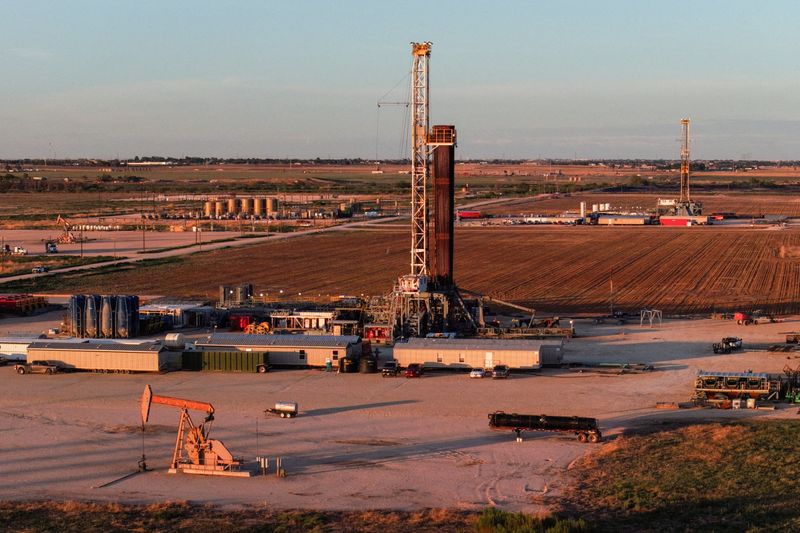
Analysis of Hedge Fund Holdings Changes
Written by Emily J. Thompson, Senior Investment Analyst
Updated: 1 day ago
0mins
Should l Buy XOM?
Source: NASDAQ.COM
- Overview of Holdings: As of March 31, 2026, 38 hedge funds held Exxon Mobil (XOM), indicating widespread interest in the stock and reflecting market confidence in its future performance.
- Changes in Positions: In the latest 13F filings, 15 funds increased their XOM holdings while 15 decreased them, showcasing a divergence in market sentiment that could impact short-term price volatility.
- New Positions: This batch of filings revealed that three funds initiated new positions in XOM, suggesting potential optimism from new investors that could support future price increases.
- Aggregate Holdings Change: The total shares held by hedge funds increased from 357,250,001 to 366,814,352, representing a 2.68% rise, indicating sustained investment interest in XOM and reflecting confidence in its long-term growth potential.
Trade with 70% Backtested Accuracy
Stop guessing "Should I Buy XOM?" and start using high-conviction signals backed by rigorous historical data.
Sign up today to access powerful investing tools and make smarter, data-driven decisions.
Analyst Views on XOM
Wall Street analysts forecast XOM stock price to fall
19 Analyst Rating
12 Buy
7 Hold
0 Sell
Moderate Buy
Current: 146.580

Low
114.00
Averages
132.17
High
158.00
Current: 146.580
Low
114.00
Averages
132.17
High
158.00
About XOM
Exxon Mobil Corporation is an energy provider and chemical manufacturer. The Company’s principal business involves exploration for, and production of, crude oil and natural gas; the manufacture, trade, transport and sale of crude oil, natural gas, petroleum products, petrochemicals and a wide variety of specialty products; and pursuit of lower-emission and other new business opportunities, including carbon capture and storage, hydrogen, lower-emission fuels, Proxxima systems, carbon materials, and lithium. Its Upstream segment explores for and produces crude oil and natural gas. The Energy Products, Chemical Products, and Specialty Products segments manufacture and sell petroleum products and petrochemicals. Energy Products segment includes fuels, aromatics, and catalysts and licensing. Chemical Products segment consists of olefins, polyolefins, and intermediates. Specialty Products segment includes finished lubricants, basestocks and waxes, synthetics, and elastomers and resins.
About the author

Emily J. Thompson
Emily J. Thompson, a Chartered Financial Analyst (CFA) with 12 years in investment research, graduated with honors from the Wharton School. Specializing in industrial and technology stocks, she provides in-depth analysis for Intellectia’s earnings and market brief reports.

HALO Stocks Significantly Impacted by AI Developments


- HALO Stock Concept: HALO stocks refer to companies with heavy assets and low obsolescence risk, theoretically immune to AI replacement; recent news of Anthropic's new AI tool caused IBM's stock to drop 13% in a single day, highlighting market concerns.
- Energy Company Performance: For instance, ExxonMobil's stock has risen 24% this year, largely driven by the Iran war and soaring oil prices, indicating that energy companies are poised to benefit from the growing demand for AI, despite overall consumer spending trends.
- Consumer Goods Challenges: McDonald's stock has declined about 7% year-to-date, impacted by low consumer sentiment and rising gasoline prices; despite its substantial assets, it faces challenges from weakening consumer demand, illustrating the vulnerabilities of HALO stocks.
- Strong Performance of Equipment Manufacturers: Caterpillar and Deere have shown exceptional performance in 2026, with stock increases of 59% and 26%, respectively, significantly outperforming the S&P 500's 7%, indicating their crucial role in the AI build-out.
See More

Analysis of HALO Stocks Market Performance
- HALO Stocks Concept Review: HALO stocks refer to companies with heavy assets that are less likely to be replaced by AI; the recent launch of new AI agents by Anthropic has reignited market interest in these stocks, particularly as financial data companies like Thomson Reuters and Moody's saw declines due to concerns.
- Strong Performance of Energy Companies: For instance, ExxonMobil's stock rose 24% in 2026, primarily driven by soaring oil prices due to the Iran war, indicating that energy companies maintain significant market resilience amid growing AI demand.
- Challenges for Consumer Goods Companies: Despite McDonald's substantial physical assets, its stock has dropped about 7% in 2026, reflecting the negative impact of high gasoline prices on consumer spending, particularly among its target demographic.
- Robust Growth in Construction and Agriculture Equipment: Caterpillar and Deere have seen stock increases of 59% and 26% in 2026, respectively, significantly outperforming the broader market, highlighting their essential role in infrastructure development amid the AI revolution.
See More
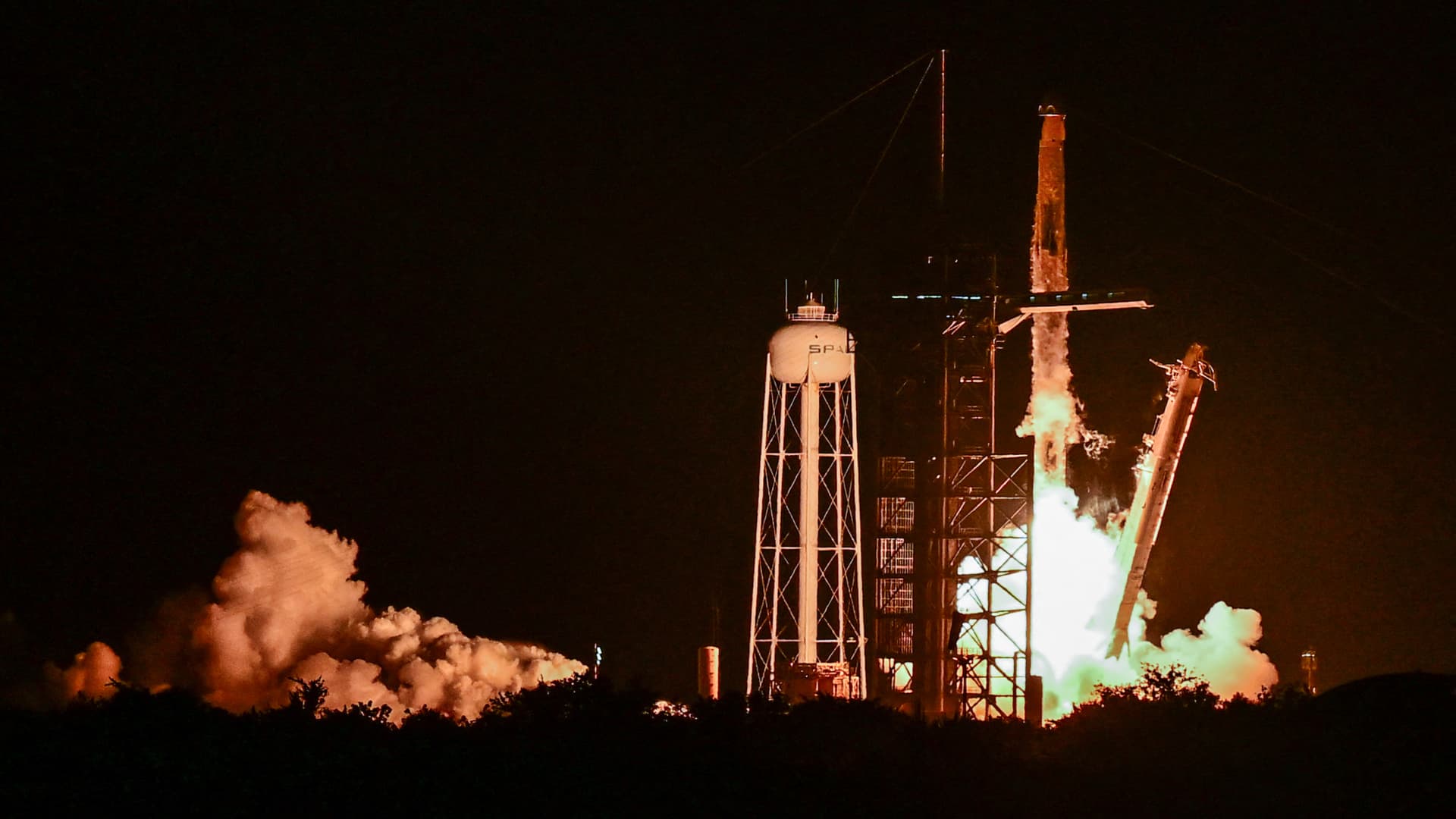
Linde's Strategic Positioning with SpaceX's IPO

- Market Opportunity: Linde's space business is rapidly growing, with expectations that SpaceX's IPO could double its commercial aerospace business to over $1 billion, highlighting its significance in emerging markets.
- Investment Expansion: Linde is investing $100 million in a new plant in Texas to enhance its gas supply capabilities for SpaceX, ensuring timely deliveries and strengthening its competitive position in the space industry.
- Historical Legacy: Founded in 1879, Linde has over 60 years of experience in the space sector, contributing to key missions from the Apollo program to Artemis II, showcasing its deep-rooted involvement in aerospace.
- Future Outlook: With SpaceX planning to significantly increase launch frequencies in the coming years, Linde anticipates benefiting from this trend, further solidifying its market position as an indispensable gas supplier in the space industry.
See More

Iran War Reshapes Global Energy Landscape


- Energy Security Priority: The Iranian blockade of the Strait of Hormuz has resulted in a loss of nearly one billion barrels of oil, highlighting the fragility of the global energy system and prompting governments and companies to prioritize energy security, leading to increased investment in oil exploration and production.
- Supply Diversification Demand: The closure of the Strait has underscored Asian economies' dependence on Middle Eastern crude oil and LNG, prompting nations to reassess their energy security and seek diversified supplies to mitigate risks in the future.
- Inventory Rebuilding Plans: Due to war impacts, global oil inventories have been hit, and countries are expected to rebuild stockpiles above historical levels to ensure energy security, further driving demand for U.S. crude.
- African Investment Opportunities: Elevated oil prices will stimulate investments in offshore and deepwater opportunities in Africa, the Americas, and Asia, with SLB's CEO noting Africa as a key long-term investment area, anticipating a favorable shift in portfolio allocations towards the region.
See More

Analysis of Hedge Fund Holdings Changes
- Overview of Holdings: As of March 31, 2026, 38 hedge funds held Exxon Mobil (XOM), indicating widespread interest in the stock and reflecting market confidence in its future performance.
- Changes in Positions: In the latest 13F filings, 15 funds increased their XOM holdings while 15 decreased them, showcasing a divergence in market sentiment that could impact short-term price volatility.
- New Positions: This batch of filings revealed that three funds initiated new positions in XOM, suggesting potential optimism from new investors that could support future price increases.
- Aggregate Holdings Change: The total shares held by hedge funds increased from 357,250,001 to 366,814,352, representing a 2.68% rise, indicating sustained investment interest in XOM and reflecting confidence in its long-term growth potential.
See More

Middle East Conflict Causes Global Oil Shortage

- Global Oil Shortage: Shell CEO Wael Sawan reported a current oil shortage of nearly one billion barrels, primarily due to locked-in and unproduced crude, with the gap deepening daily, indicating a long recovery process ahead.
- Limited Consumption Impact: Despite reduced oil supplies, jet fuel consumption in the airline industry has only declined by about 5%, reflecting a relatively mild demand destruction, yet the market faces the largest supply disruption in history.
- Strait of Hormuz Blockade: The International Energy Agency noted that Iran has effectively blockaded the Strait of Hormuz, impacting about 20% of global oil supplies, with normal export recovery expected to take months, disrupting global supply chains.
- Future Shortage Risks: ConocoPhillips executives warned that as summer approaches, import-dependent countries may face severe fuel shortages, particularly between June and July, as the impact of lost Middle Eastern oil supplies becomes increasingly apparent.
See More
HALO Stocks Significantly Impacted by AI Developments
- HALO Stock Concept: HALO stocks refer to companies with heavy assets and low obsolescence risk, theoretically immune to AI replacement; recent news of Anthropic's new AI tool caused IBM's stock to drop 13% in a single day, highlighting market concerns.
- Energy Company Performance: For instance, ExxonMobil's stock has risen 24% this year, largely driven by the Iran war and soaring oil prices, indicating that energy companies are poised to benefit from the growing demand for AI, despite overall consumer spending trends.
- Consumer Goods Challenges: McDonald's stock has declined about 7% year-to-date, impacted by low consumer sentiment and rising gasoline prices; despite its substantial assets, it faces challenges from weakening consumer demand, illustrating the vulnerabilities of HALO stocks.
- Strong Performance of Equipment Manufacturers: Caterpillar and Deere have shown exceptional performance in 2026, with stock increases of 59% and 26%, respectively, significantly outperforming the S&P 500's 7%, indicating their crucial role in the AI build-out.
See More
Analysis of HALO Stocks Market Performance
- HALO Stocks Concept Review: HALO stocks refer to companies with heavy assets that are less likely to be replaced by AI; the recent launch of new AI agents by Anthropic has reignited market interest in these stocks, particularly as financial data companies like Thomson Reuters and Moody's saw declines due to concerns.
- Strong Performance of Energy Companies: For instance, ExxonMobil's stock rose 24% in 2026, primarily driven by soaring oil prices due to the Iran war, indicating that energy companies maintain significant market resilience amid growing AI demand.
- Challenges for Consumer Goods Companies: Despite McDonald's substantial physical assets, its stock has dropped about 7% in 2026, reflecting the negative impact of high gasoline prices on consumer spending, particularly among its target demographic.
- Robust Growth in Construction and Agriculture Equipment: Caterpillar and Deere have seen stock increases of 59% and 26% in 2026, respectively, significantly outperforming the broader market, highlighting their essential role in infrastructure development amid the AI revolution.
See More
Linde's Strategic Positioning with SpaceX's IPO
- Market Opportunity: Linde's space business is rapidly growing, with expectations that SpaceX's IPO could double its commercial aerospace business to over $1 billion, highlighting its significance in emerging markets.
- Investment Expansion: Linde is investing $100 million in a new plant in Texas to enhance its gas supply capabilities for SpaceX, ensuring timely deliveries and strengthening its competitive position in the space industry.
- Historical Legacy: Founded in 1879, Linde has over 60 years of experience in the space sector, contributing to key missions from the Apollo program to Artemis II, showcasing its deep-rooted involvement in aerospace.
- Future Outlook: With SpaceX planning to significantly increase launch frequencies in the coming years, Linde anticipates benefiting from this trend, further solidifying its market position as an indispensable gas supplier in the space industry.
See More
Iran War Reshapes Global Energy Landscape
- Energy Security Priority: The Iranian blockade of the Strait of Hormuz has resulted in a loss of nearly one billion barrels of oil, highlighting the fragility of the global energy system and prompting governments and companies to prioritize energy security, leading to increased investment in oil exploration and production.
- Supply Diversification Demand: The closure of the Strait has underscored Asian economies' dependence on Middle Eastern crude oil and LNG, prompting nations to reassess their energy security and seek diversified supplies to mitigate risks in the future.
- Inventory Rebuilding Plans: Due to war impacts, global oil inventories have been hit, and countries are expected to rebuild stockpiles above historical levels to ensure energy security, further driving demand for U.S. crude.
- African Investment Opportunities: Elevated oil prices will stimulate investments in offshore and deepwater opportunities in Africa, the Americas, and Asia, with SLB's CEO noting Africa as a key long-term investment area, anticipating a favorable shift in portfolio allocations towards the region.
See More
Analysis of Hedge Fund Holdings Changes
- Overview of Holdings: As of March 31, 2026, 38 hedge funds held Exxon Mobil (XOM), indicating widespread interest in the stock and reflecting market confidence in its future performance.
- Changes in Positions: In the latest 13F filings, 15 funds increased their XOM holdings while 15 decreased them, showcasing a divergence in market sentiment that could impact short-term price volatility.
- New Positions: This batch of filings revealed that three funds initiated new positions in XOM, suggesting potential optimism from new investors that could support future price increases.
- Aggregate Holdings Change: The total shares held by hedge funds increased from 357,250,001 to 366,814,352, representing a 2.68% rise, indicating sustained investment interest in XOM and reflecting confidence in its long-term growth potential.
See More
Middle East Conflict Causes Global Oil Shortage
- Global Oil Shortage: Shell CEO Wael Sawan reported a current oil shortage of nearly one billion barrels, primarily due to locked-in and unproduced crude, with the gap deepening daily, indicating a long recovery process ahead.
- Limited Consumption Impact: Despite reduced oil supplies, jet fuel consumption in the airline industry has only declined by about 5%, reflecting a relatively mild demand destruction, yet the market faces the largest supply disruption in history.
- Strait of Hormuz Blockade: The International Energy Agency noted that Iran has effectively blockaded the Strait of Hormuz, impacting about 20% of global oil supplies, with normal export recovery expected to take months, disrupting global supply chains.
- Future Shortage Risks: ConocoPhillips executives warned that as summer approaches, import-dependent countries may face severe fuel shortages, particularly between June and July, as the impact of lost Middle Eastern oil supplies becomes increasingly apparent.
See More