American Airlines Implements New Measures
Written by Emily J. Thompson, Senior Investment Analyst
Updated: 2 days ago
0mins
Source: Yahoo Finance
- New Measures Launched: American Airlines (AAL), United Airlines (UAL), and Delta Air Lines (DAL) are rolling out new measures aimed at enhancing customer experience and operational efficiency, although specific details have yet to be disclosed.
- Increased Market Competition: As the airline industry recovers, the efforts of these three major airlines to improve service quality and customer satisfaction reflect heightened market competition, which may impact their respective market shares.
- Emphasis on Customer Feedback: The implementation of these new measures indicates that airlines are placing greater importance on customer feedback to better meet passenger needs in the post-pandemic era, thereby enhancing customer loyalty.
- Response to Industry Trends: This move aligns with the overall trend in the airline industry, where companies are adopting measures to adapt to the evolving market environment and consumer preferences, potentially leading to positive impacts on future business growth.
Trade with 70% Backtested Accuracy
Stop guessing "Should I Buy UAL?" and start using high-conviction signals backed by rigorous historical data.
Sign up today to access powerful investing tools and make smarter, data-driven decisions.
Analyst Views on UAL
Wall Street analysts forecast UAL stock price to rise
16 Analyst Rating
15 Buy
1 Hold
0 Sell
Strong Buy
Current: 93.670

Low
115.00
Averages
139.07
High
156.00
Current: 93.670
Low
115.00
Averages
139.07
High
156.00
About UAL
United Airlines Holdings, Inc. is a holding company. The Company transports people and cargo throughout North America and to destinations in Asia, Europe, Africa, the Pacific, the Middle East and Latin America. The Company, through United Airlines, Inc., and its regional carriers, operates across over six continents, with hubs at Chicago O'Hare International Airport (ORD), Denver International Airport (DEN), George Bush Intercontinental Airport (IAH), Los Angeles International Airport (LAX), Newark Liberty International Airport (EWR), San Francisco International Airport (SFO), Washington Dulles International Airport (IAD) and A.B. Won Pat International Airport (GUM). Its hub and spoke system allow it to transport passengers between a large number of destinations with frequent services. The Company has contractual relationships with various regional carriers to provide regional aircraft service branded as United Express. It provides freight and mail transportation services (Air Cargo).
About the author

Emily J. Thompson
Emily J. Thompson, a Chartered Financial Analyst (CFA) with 12 years in investment research, graduated with honors from the Wharton School. Specializing in industrial and technology stocks, she provides in-depth analysis for Intellectia’s earnings and market brief reports.
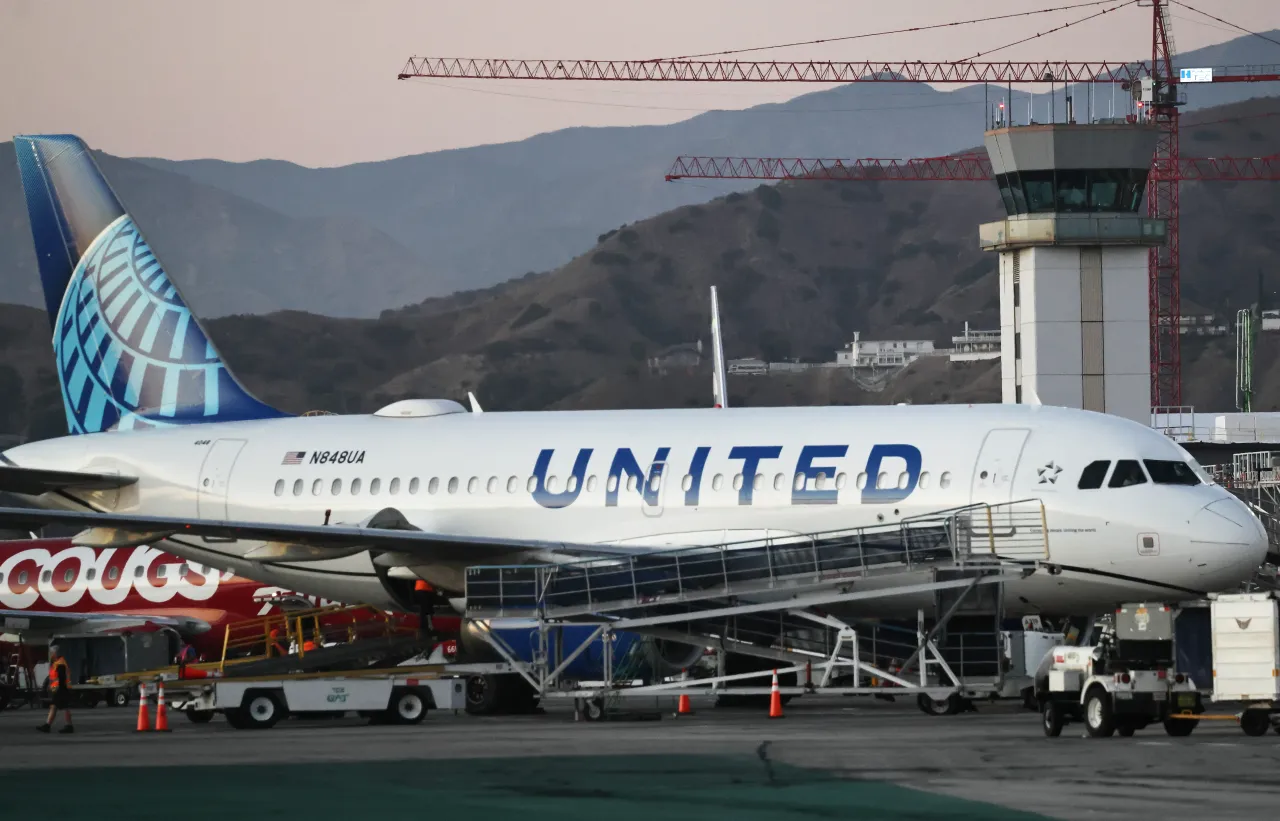
United Airlines Steps Up Amid Spirit Shutdown

- Flight Cancellation Response: United Airlines is offering discounted one-way fares for Spirit passengers for the next two weeks, aiming to alleviate travel disruptions caused by Spirit's shutdown while providing support programs for employees to ensure a smooth transition for customers and staff.
- Falling Oil Prices Benefit: The easing geopolitical tensions in the Middle East have led to declining oil prices, with Brent crude futures around $108.57 per barrel and WTI futures at approximately $102, which is expected to significantly improve profit margins for airlines, particularly for those operating large fleets.
- Positive Market Reaction: United Airlines' stock edged up 0.3% ahead of Monday's trading, reflecting market recognition of its leadership role following Spirit's closure, with analysts suggesting this could lead to increased revenue opportunities for United.
- Retail Investor Sentiment: Despite UAL's stock declining over 17% year-to-date, retail sentiment on Stocktwits remains neutral, with some users suggesting that Spirit's shutdown could provide United Airlines with potential revenue growth, especially on familiar routes.
See More

U.S. Stocks Close Higher, Led by Tech Gains

- Tech Stock Surge: Intel's stock soared over 12% after Apple held exploratory talks with Intel and Samsung Electronics for U.S. processor production, indicating strong market confidence in tech stocks and driving gains across chipmakers.
- Oil Price Decline: WTI crude oil prices fell more than 3% as the ceasefire in the Middle East eased geopolitical risks, providing support for the stock market and reflecting market demand for stability amid fluctuating oil prices.
- New Home Sales Growth: U.S. March new home sales rose 7.4% month-over-month to 682,000, surpassing expectations of 652,000, indicating a robust recovery in the housing market that could bolster economic confidence.
- Positive Earnings Outlook: As of Tuesday, 83% of the 354 S&P 500 companies that reported Q1 earnings exceeded estimates, with projected earnings growth of 12% year-over-year, demonstrating sustained corporate profitability that may further drive stock market gains.
See More
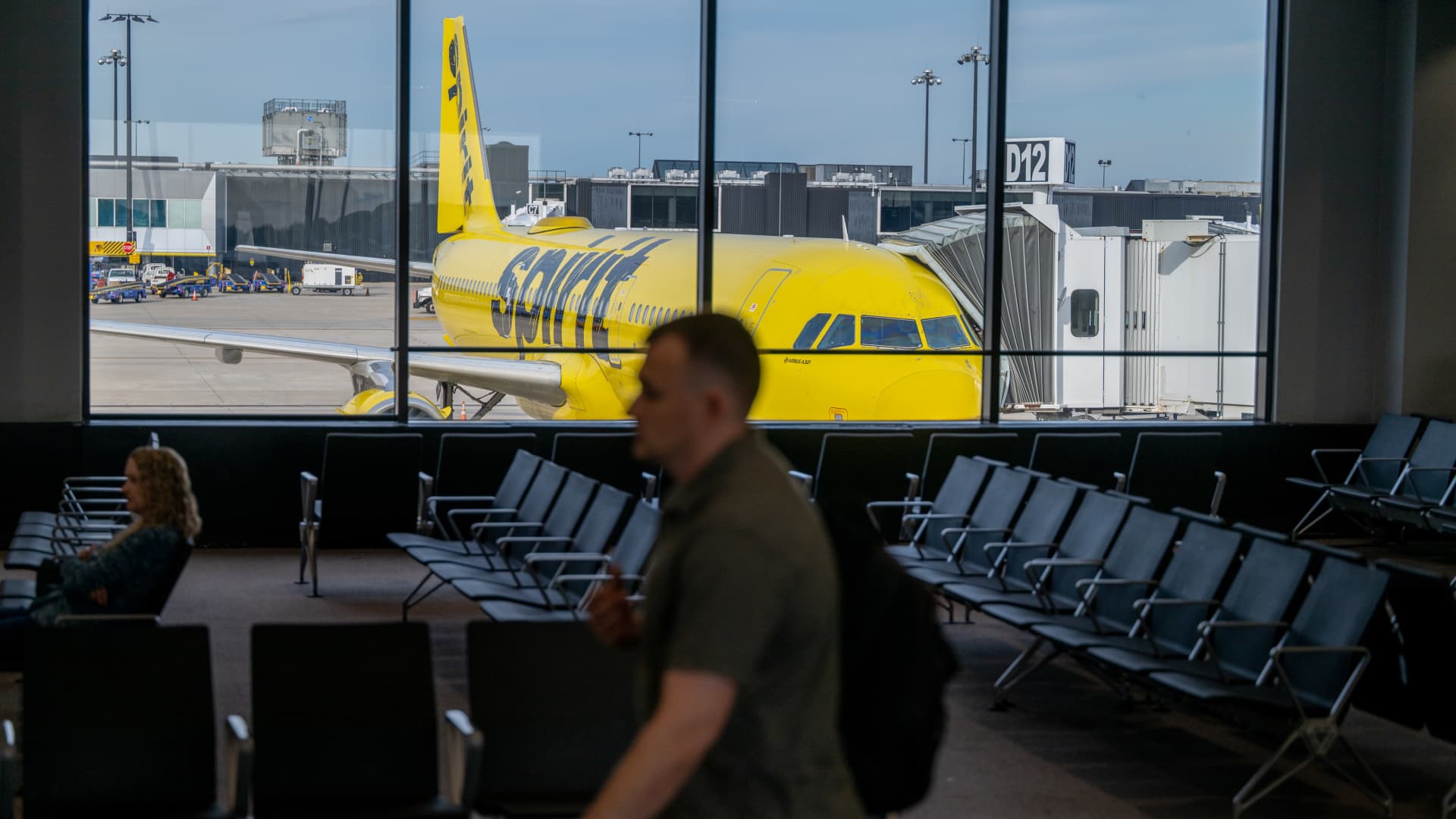
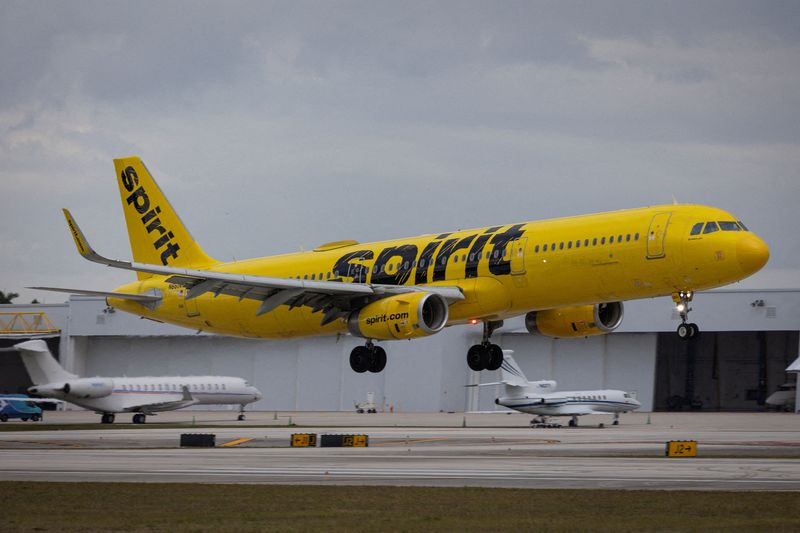
Spirit Airlines Begins Bankruptcy Process After Historic Collapse
- Bankruptcy Process Initiated: Spirit Airlines officially shut down on May 2, 2026, after over three decades of operation, beginning a lengthy bankruptcy process with a projected wind-down budget of approximately $217 million, highlighting the severe financial distress faced by the company.
- Impact on Employees and Operations: The bankruptcy resulted in about 17,000 direct and indirect job losses, and the airline transported approximately 50,000 passengers on the day before its closure, illustrating the widespread impact on operations and the significant toll on employees' families.
- Rising Costs as a Catalyst: Spirit's attorney indicated that a surge in jet fuel prices following the U.S.-Israel attacks on Iran in February added $100 million in incremental costs, forcing the airline to shut down after years of heavy debt burdens, reflecting the harsh realities of both internal and external pressures in the industry.
- Failed Government Bailout Negotiations: Although there were discussions for a potential $500 million government loan to rescue the airline, negotiations fell apart late last week, exacerbating the company's predicament and underscoring the vulnerability of the airline industry amid economic fluctuations.
See More
Spirit Airlines Files for Bankruptcy with $217 Million Wind-Down Budget
- Bankruptcy Wind-Down Budget: Spirit Airlines disclosed a wind-down budget of approximately $217 million in its bankruptcy filing, expected to last until February 2028, covering employee and aircraft-related expenses, highlighting the company's significant financial distress.
- Operational Shutdown Impact: The airline officially ceased operations early Saturday, stranding tens of thousands of passengers, reflecting its long-standing financial pressures and operational challenges, particularly amid heavy debt loads and surging costs.
- Employee Job Losses: The closure resulted in approximately 17,000 direct and indirect employees losing their jobs, with the presiding judge noting the severe impact on employees and their families, underscoring the complexities and hardships of the bankruptcy process.
- Failed Government Bailout Negotiations: The collapse of negotiations for a $500 million government loan left Spirit Airlines with no choice but to shut down, illustrating the dire consequences of lacking effective financial support during industry crises.
See More
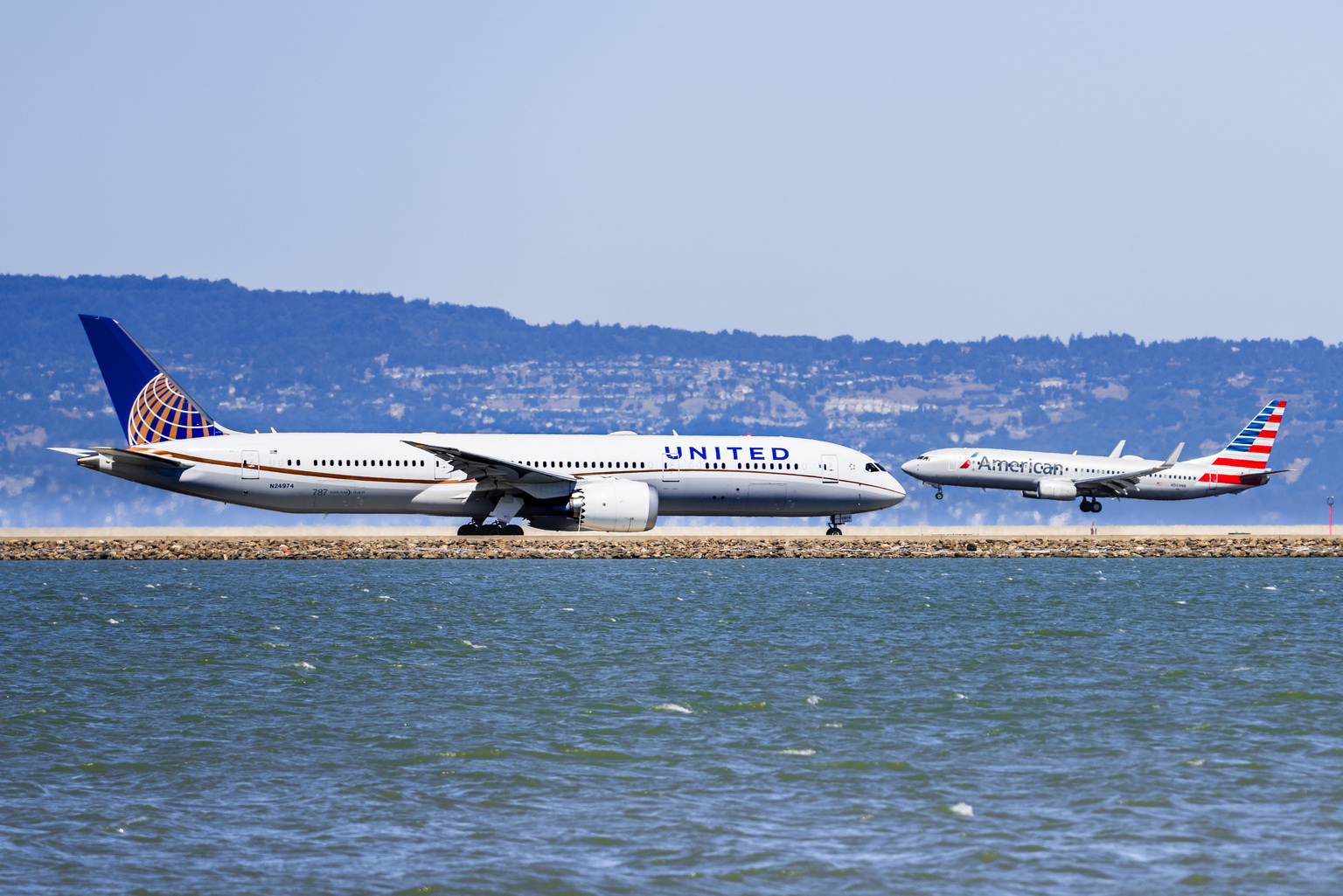
United Airlines CEO Proposes Merger with American Airlines
- Merger Vision: United Airlines CEO Scott Kirby's proposal for a merger with American Airlines presents a 'bold vision for the future of air travel,' which could transform passenger experiences and community relations, while also highlighting discontent among American Airlines pilots towards management.
- Profitability Gap: American Airlines has lagged behind Delta Air Lines and United Airlines in profitability for years, prompting unions to push for management changes and a more ambitious strategy to close this gap, indicating significant pressure within the industry for improvement.
- Union's Position: Nick Silva, president of the Allied Pilots Association, expressed concerns over management's lack of a long-term strategy and indicated the union's openness to exploring any path that allows pilots to work for an airline that 'not only competes but leads the industry.'
- Opposition to Merger: Despite the perceived boldness of Kirby's merger proposal, American Airlines rejected it last month, citing potential negative impacts on competition and consumers, reflecting the divisions within the industry regarding such consolidations.
See More
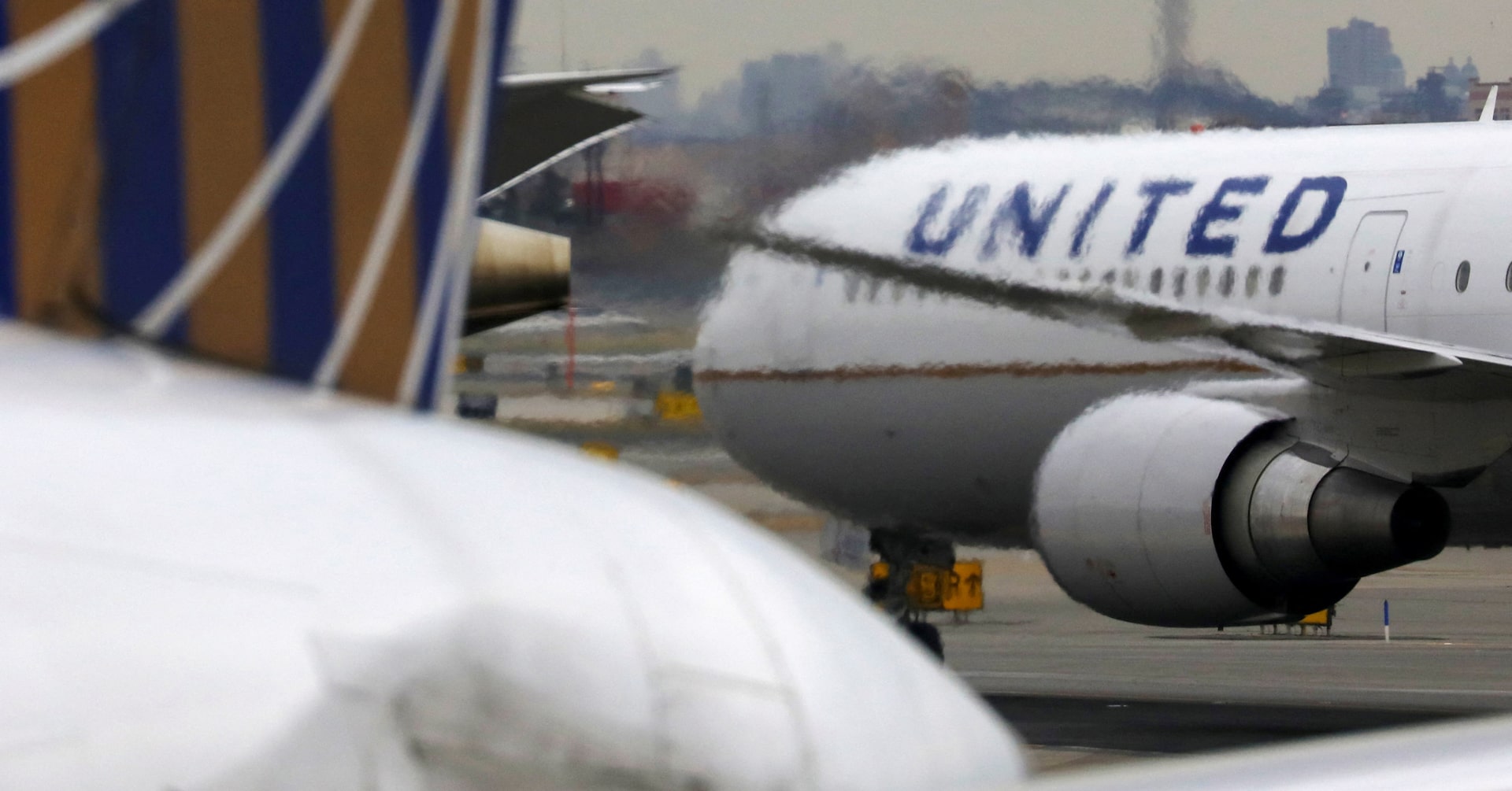
American Airlines Pilots Union Comments on Merger Proposal

- Bold Vision for Merger: Nick Silva, President of the Allied Pilots Association, highlighted in an email that United Airlines CEO Scott Kirby's merger proposal reflects the kind of 'bold vision' American Airlines needs, although the union stops short of endorsing the merger, indicating a push for a more ambitious strategy within the airline.
- Increased Competitive Pressure: American Airlines has lagged behind Delta Air Lines and United Airlines in profitability for years, with the union framing this gap as a governance issue, pressing the board for accountability and showcasing dissatisfaction with the current leadership.
- Calls for Leadership Change: The union issued a no-confidence vote against CEO Robert Isom in February, demanding leadership changes, which underscores the union's concerns regarding the airline's strategy and execution, emphasizing the need for stronger leadership to enhance the company's market position.
- Openness to Strategic Alternatives: Silva expressed that the union is open to any strategic alternatives that could advance American Airlines, urging management to thoroughly review all potential options rather than dismissing them defensively, indicating a willingness to explore new paths for the airline's future.
See More
United Airlines Steps Up Amid Spirit Shutdown
- Flight Cancellation Response: United Airlines is offering discounted one-way fares for Spirit passengers for the next two weeks, aiming to alleviate travel disruptions caused by Spirit's shutdown while providing support programs for employees to ensure a smooth transition for customers and staff.
- Falling Oil Prices Benefit: The easing geopolitical tensions in the Middle East have led to declining oil prices, with Brent crude futures around $108.57 per barrel and WTI futures at approximately $102, which is expected to significantly improve profit margins for airlines, particularly for those operating large fleets.
- Positive Market Reaction: United Airlines' stock edged up 0.3% ahead of Monday's trading, reflecting market recognition of its leadership role following Spirit's closure, with analysts suggesting this could lead to increased revenue opportunities for United.
- Retail Investor Sentiment: Despite UAL's stock declining over 17% year-to-date, retail sentiment on Stocktwits remains neutral, with some users suggesting that Spirit's shutdown could provide United Airlines with potential revenue growth, especially on familiar routes.
See More
U.S. Stocks Close Higher, Led by Tech Gains
- Tech Stock Surge: Intel's stock soared over 12% after Apple held exploratory talks with Intel and Samsung Electronics for U.S. processor production, indicating strong market confidence in tech stocks and driving gains across chipmakers.
- Oil Price Decline: WTI crude oil prices fell more than 3% as the ceasefire in the Middle East eased geopolitical risks, providing support for the stock market and reflecting market demand for stability amid fluctuating oil prices.
- New Home Sales Growth: U.S. March new home sales rose 7.4% month-over-month to 682,000, surpassing expectations of 652,000, indicating a robust recovery in the housing market that could bolster economic confidence.
- Positive Earnings Outlook: As of Tuesday, 83% of the 354 S&P 500 companies that reported Q1 earnings exceeded estimates, with projected earnings growth of 12% year-over-year, demonstrating sustained corporate profitability that may further drive stock market gains.
See More
Spirit Airlines Begins Bankruptcy Process After Historic Collapse
- Bankruptcy Process Initiated: Spirit Airlines officially shut down on May 2, 2026, after over three decades of operation, beginning a lengthy bankruptcy process with a projected wind-down budget of approximately $217 million, highlighting the severe financial distress faced by the company.
- Impact on Employees and Operations: The bankruptcy resulted in about 17,000 direct and indirect job losses, and the airline transported approximately 50,000 passengers on the day before its closure, illustrating the widespread impact on operations and the significant toll on employees' families.
- Rising Costs as a Catalyst: Spirit's attorney indicated that a surge in jet fuel prices following the U.S.-Israel attacks on Iran in February added $100 million in incremental costs, forcing the airline to shut down after years of heavy debt burdens, reflecting the harsh realities of both internal and external pressures in the industry.
- Failed Government Bailout Negotiations: Although there were discussions for a potential $500 million government loan to rescue the airline, negotiations fell apart late last week, exacerbating the company's predicament and underscoring the vulnerability of the airline industry amid economic fluctuations.
See More
Spirit Airlines Files for Bankruptcy with $217 Million Wind-Down Budget
- Bankruptcy Wind-Down Budget: Spirit Airlines disclosed a wind-down budget of approximately $217 million in its bankruptcy filing, expected to last until February 2028, covering employee and aircraft-related expenses, highlighting the company's significant financial distress.
- Operational Shutdown Impact: The airline officially ceased operations early Saturday, stranding tens of thousands of passengers, reflecting its long-standing financial pressures and operational challenges, particularly amid heavy debt loads and surging costs.
- Employee Job Losses: The closure resulted in approximately 17,000 direct and indirect employees losing their jobs, with the presiding judge noting the severe impact on employees and their families, underscoring the complexities and hardships of the bankruptcy process.
- Failed Government Bailout Negotiations: The collapse of negotiations for a $500 million government loan left Spirit Airlines with no choice but to shut down, illustrating the dire consequences of lacking effective financial support during industry crises.
See More
United Airlines CEO Proposes Merger with American Airlines
- Merger Vision: United Airlines CEO Scott Kirby's proposal for a merger with American Airlines presents a 'bold vision for the future of air travel,' which could transform passenger experiences and community relations, while also highlighting discontent among American Airlines pilots towards management.
- Profitability Gap: American Airlines has lagged behind Delta Air Lines and United Airlines in profitability for years, prompting unions to push for management changes and a more ambitious strategy to close this gap, indicating significant pressure within the industry for improvement.
- Union's Position: Nick Silva, president of the Allied Pilots Association, expressed concerns over management's lack of a long-term strategy and indicated the union's openness to exploring any path that allows pilots to work for an airline that 'not only competes but leads the industry.'
- Opposition to Merger: Despite the perceived boldness of Kirby's merger proposal, American Airlines rejected it last month, citing potential negative impacts on competition and consumers, reflecting the divisions within the industry regarding such consolidations.
See More
American Airlines Pilots Union Comments on Merger Proposal
- Bold Vision for Merger: Nick Silva, President of the Allied Pilots Association, highlighted in an email that United Airlines CEO Scott Kirby's merger proposal reflects the kind of 'bold vision' American Airlines needs, although the union stops short of endorsing the merger, indicating a push for a more ambitious strategy within the airline.
- Increased Competitive Pressure: American Airlines has lagged behind Delta Air Lines and United Airlines in profitability for years, with the union framing this gap as a governance issue, pressing the board for accountability and showcasing dissatisfaction with the current leadership.
- Calls for Leadership Change: The union issued a no-confidence vote against CEO Robert Isom in February, demanding leadership changes, which underscores the union's concerns regarding the airline's strategy and execution, emphasizing the need for stronger leadership to enhance the company's market position.
- Openness to Strategic Alternatives: Silva expressed that the union is open to any strategic alternatives that could advance American Airlines, urging management to thoroughly review all potential options rather than dismissing them defensively, indicating a willingness to explore new paths for the airline's future.
See More