Amazon and Alphabet's Investment Potential in Anthropic
Written by Emily J. Thompson, Senior Investment Analyst
Updated: 1 day ago
0mins

Should l Buy AMZN?
Source: Fool
- Investment Opportunity: Amazon and Alphabet have invested in Anthropic through cloud computing resources, holding approximately 18% and 14% stakes respectively, and as Anthropic's private valuation rises, both companies will benefit from the value increase upon its eventual public offering.
- Cloud Platform Advantage: Amazon and Alphabet's cloud computing platforms are favored for their custom AI chips, which provide better performance and lower costs compared to Nvidia GPUs when properly configured, ensuring significant growth potential for their cloud computing businesses.
- Core Business Support: Both companies are funding their data center buildouts using cash flows from their core businesses rather than relying on massive debt, a strategy that enhances their financial stability and supports the expansion of their cloud computing divisions.
- Optimistic Market Outlook: As demand for AI computing power increases, Amazon and Alphabet's cloud computing businesses are set to grow, and their investment in Anthropic positions them to outperform the market over the next five years, potentially yielding substantial returns.
Trade with 70% Backtested Accuracy
Stop guessing "Should I Buy AMZN?" and start using high-conviction signals backed by rigorous historical data.
Sign up today to access powerful investing tools and make smarter, data-driven decisions.
Analyst Views on AMZN
Wall Street analysts forecast AMZN stock price to rise
44 Analyst Rating
41 Buy
3 Hold
0 Sell
Strong Buy
Current: 249.700

Low
175.00
Averages
280.01
High
325.00
Current: 249.700
Low
175.00
Averages
280.01
High
325.00
About AMZN
Amazon.com, Inc. provides a range of products and services to customers. The products offered through its stores include merchandise and content it has purchased for resale and products offered by third-party sellers. The Company’s segments include North America, International and Amazon Web Services (AWS). It serves consumers through its online and physical stores and focuses on selection, price, and convenience. Customers access its offerings through its websites, mobile apps, Alexa, devices, streaming, and physically visiting its stores. It also manufactures and sells electronic devices, including Kindle, Fire tablet, Fire TV, Echo, Ring, Blink, and eero, and develops and produces media content. It serves developers and enterprises of all sizes, including start-ups, government agencies, and academic institutions, through AWS, which offers a set of on-demand technology services, including compute, storage, database, analytics, and machine learning, and other services.
About the author

Emily J. Thompson
Emily J. Thompson, a Chartered Financial Analyst (CFA) with 12 years in investment research, graduated with honors from the Wharton School. Specializing in industrial and technology stocks, she provides in-depth analysis for Intellectia’s earnings and market brief reports.

Amazon Faces Economic Volatility Challenges

- Sales Growth: Amazon anticipates a net sales figure of $717 billion for 2025, reflecting a 9% year-over-year increase, indicating robust retail performance despite tariffs and economic volatility, showcasing its market adaptability.
- Capital Expenditure Plan: The company plans to invest $200 billion in capital expenditures for 2026, which led to a stock price drop in early February; however, this investment will enhance its infrastructure and service capabilities, supporting future growth.
- Market Sentiment Shift: Amazon's stock has surged 25% since March 27, reflecting investor confidence in the company's long-term potential, even as its price-to-earnings ratio increased from 15.5 to 19.1, indicating optimism about future earnings.
- Importance of Retail Business: While Amazon Web Services garners significant attention, its retail operations still account for over 80% of the U.S. retail market, highlighting substantial growth potential and demonstrating the success of the company's diversified business strategy.
See More

Alphabet's AI Spending Triggers Stock Price Volatility


- Surge in AI Spending: Alphabet is projected to spend up to $185 billion on cloud infrastructure in 2023, yet its stock fell nearly 10% in the week from March 20 to 27, reflecting market concerns over its cash flow.
- Advertising Revenue Growth: Despite spending pressures, Alphabet's advertising revenue reached $82.2 billion in Q4 2024, up 13.5% from $72.4 billion a year earlier, indicating robust performance in its advertising business.
- Market Share Advantage: With a commanding 89.8% market share in search and 66.7% in Chrome, Alphabet maintains a significant competitive edge in the internet sector, even as it navigates the challenges of AI investments.
- Analysts Optimistic on Outlook: Among 68 surveyed analysts, 61 rated Alphabet as a buy, suggesting a positive market sentiment regarding its long-term investment potential, despite potential short-term volatility.
See More
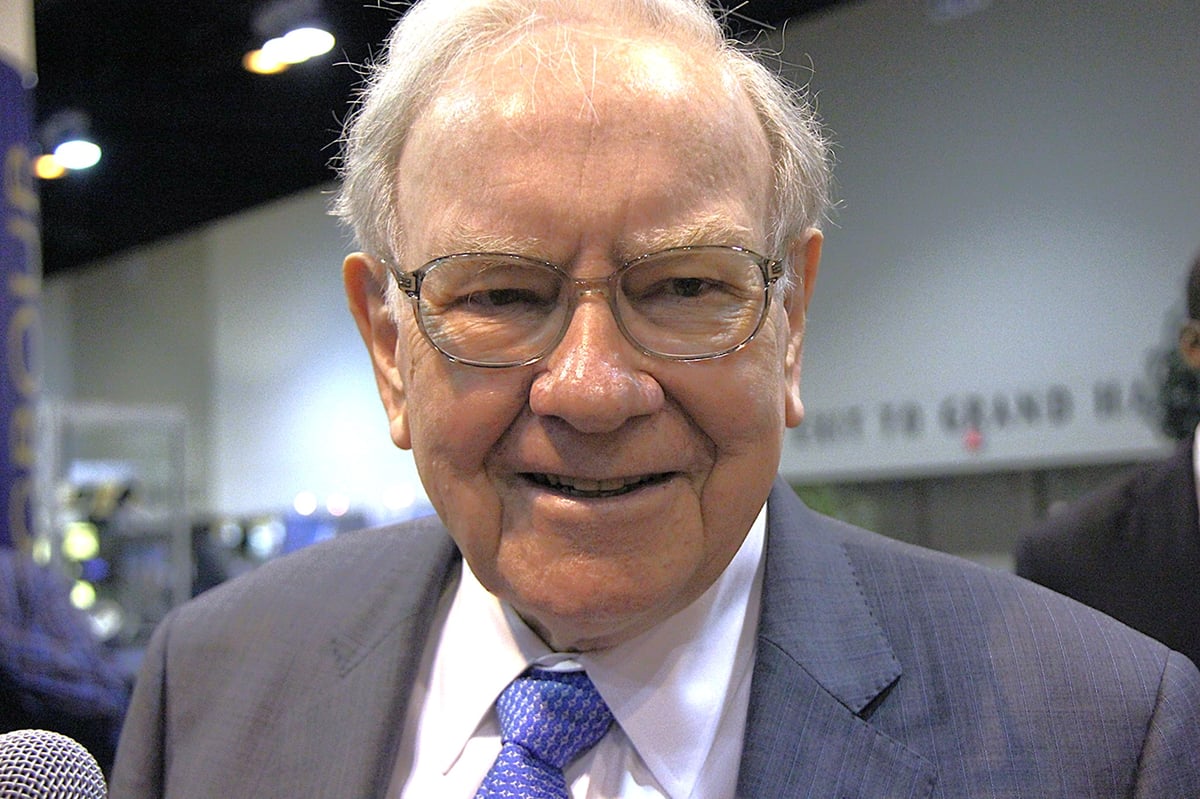
Buffett Sells Amazon, Invests in New York Times

- Amazon Share Shift: Berkshire Hathaway sold over 7 million shares of Amazon, valued at approximately $1.8 billion, shortly before Buffett stepped down as CEO, indicating a cautious stance towards tech stocks while paving the way for portfolio diversification.
- New Investment Choice: Berkshire opened a new position in The New York Times Company, acquiring over 5 million shares at an average price of $61.09, with current trading around $78, showcasing potential returns and Buffett's confidence in digital media.
- Digital Subscription Growth: The New York Times reported 12.21 million digital subscribers in its latest quarter, an increase of 450,000, with digital subscriptions accounting for 47.5% of total quarterly revenue, reflecting successful transformation towards digitalization.
- Ad Revenue Surge: Digital ad revenue increased by 24.9% year-over-year to $147.2 million, further driving overall revenue growth, indicating strong performance and future growth potential in the digital media sector.
See More

Buffett Sells Amazon Shares and Buys New York Times Stock
- Amazon Stock Sale: In his final quarter as CEO, Warren Buffett approved the sale of over 7 million shares of Amazon, valued at approximately $1.8 billion, reflecting a reassessment of tech stocks that could impact Berkshire's portfolio diversity.
- New Investment Position: Berkshire opened a new position in The New York Times Company, acquiring over 5 million shares at an average price of $61.09, with current trading around $78, indicating potential gains and Buffett's confidence in digital media.
- Digital Subscription Growth: The New York Times reported 12.78 million subscribers, with 12.21 million being digital-only, meaning digital subscriptions account for 47.5% of quarterly revenue, showcasing the company's success in digital transformation and enhancing its market competitiveness.
- Ad Revenue Surge: Digital ad revenue increased by 24.9% year-over-year to $147.2 million, further driving overall revenue growth and demonstrating the effectiveness of the digital strategy and future growth potential.
See More

HSBC Names Top Stock Picks for Earnings Season

- Earnings Season Outlook: HSBC projects a 12.3% year-over-year growth in first-quarter earnings per share, surpassing the 11.4% average since 2009, indicating strong market optimism that could drive further stock market gains.
- Alphabet Performance Expectations: HSBC's buy rating and $385 price target for Alphabet imply a 15% upside, with anticipated AI demand expected to boost capital expenditures and revenue growth, further solidifying its market position.
- Amazon Growth Potential: HSBC's buy rating and $280 price target for Amazon suggest a 12% upside, as its cloud and AI businesses are poised to benefit from rapid infrastructure development, enhancing its competitive edge in the market.
- Monster Beverage Market Outlook: HSBC's buy rating and $98 price target for Monster Beverage indicate a 31% upside, as the energy drink market continues to expand, with Monster poised to accelerate growth through brand acquisitions and international market expansion.
See More

Silicon Valley AI Agents Face Complex Challenges
- Cost Issues with AI Agents: At the AI summit in Silicon Valley, Meibel CEO Kevin McGrath highlighted that the biggest challenge with AI agents is the over-reliance on large language models (LLMs), which can lead companies to waste millions of tokens on unsuitable tasks, thereby increasing operational costs.
- Operational Complexity: Google software engineer Deep Shah emphasized that deploying AI agent systems faces multiple challenges, particularly inference costs; if systems are poorly designed, companies may end up burning cash instead of saving it while operating AI agents.
- Market Transformation and Collaboration: ThinkingAI recently rebranded as an AI agent management platform and partnered with MiniMax, which went public in Hong Kong, aiming to expand from the video game sector to other industries excited about AI agents but lacking expertise, reflecting the market's thirst for AI technology.
- Security Concerns and Market Response: ThinkingAI co-founder Chris Han noted that despite OpenClaw's growing popularity in China, its complexity and security flaws make it unsuitable for enterprise-level needs, indicating a pressing demand for secure and reliable AI solutions in the market.
See More
Amazon Faces Economic Volatility Challenges
- Sales Growth: Amazon anticipates a net sales figure of $717 billion for 2025, reflecting a 9% year-over-year increase, indicating robust retail performance despite tariffs and economic volatility, showcasing its market adaptability.
- Capital Expenditure Plan: The company plans to invest $200 billion in capital expenditures for 2026, which led to a stock price drop in early February; however, this investment will enhance its infrastructure and service capabilities, supporting future growth.
- Market Sentiment Shift: Amazon's stock has surged 25% since March 27, reflecting investor confidence in the company's long-term potential, even as its price-to-earnings ratio increased from 15.5 to 19.1, indicating optimism about future earnings.
- Importance of Retail Business: While Amazon Web Services garners significant attention, its retail operations still account for over 80% of the U.S. retail market, highlighting substantial growth potential and demonstrating the success of the company's diversified business strategy.
See More
Alphabet's AI Spending Triggers Stock Price Volatility
- Surge in AI Spending: Alphabet is projected to spend up to $185 billion on cloud infrastructure in 2023, yet its stock fell nearly 10% in the week from March 20 to 27, reflecting market concerns over its cash flow.
- Advertising Revenue Growth: Despite spending pressures, Alphabet's advertising revenue reached $82.2 billion in Q4 2024, up 13.5% from $72.4 billion a year earlier, indicating robust performance in its advertising business.
- Market Share Advantage: With a commanding 89.8% market share in search and 66.7% in Chrome, Alphabet maintains a significant competitive edge in the internet sector, even as it navigates the challenges of AI investments.
- Analysts Optimistic on Outlook: Among 68 surveyed analysts, 61 rated Alphabet as a buy, suggesting a positive market sentiment regarding its long-term investment potential, despite potential short-term volatility.
See More
Buffett Sells Amazon, Invests in New York Times
- Amazon Share Shift: Berkshire Hathaway sold over 7 million shares of Amazon, valued at approximately $1.8 billion, shortly before Buffett stepped down as CEO, indicating a cautious stance towards tech stocks while paving the way for portfolio diversification.
- New Investment Choice: Berkshire opened a new position in The New York Times Company, acquiring over 5 million shares at an average price of $61.09, with current trading around $78, showcasing potential returns and Buffett's confidence in digital media.
- Digital Subscription Growth: The New York Times reported 12.21 million digital subscribers in its latest quarter, an increase of 450,000, with digital subscriptions accounting for 47.5% of total quarterly revenue, reflecting successful transformation towards digitalization.
- Ad Revenue Surge: Digital ad revenue increased by 24.9% year-over-year to $147.2 million, further driving overall revenue growth, indicating strong performance and future growth potential in the digital media sector.
See More
Buffett Sells Amazon Shares and Buys New York Times Stock
- Amazon Stock Sale: In his final quarter as CEO, Warren Buffett approved the sale of over 7 million shares of Amazon, valued at approximately $1.8 billion, reflecting a reassessment of tech stocks that could impact Berkshire's portfolio diversity.
- New Investment Position: Berkshire opened a new position in The New York Times Company, acquiring over 5 million shares at an average price of $61.09, with current trading around $78, indicating potential gains and Buffett's confidence in digital media.
- Digital Subscription Growth: The New York Times reported 12.78 million subscribers, with 12.21 million being digital-only, meaning digital subscriptions account for 47.5% of quarterly revenue, showcasing the company's success in digital transformation and enhancing its market competitiveness.
- Ad Revenue Surge: Digital ad revenue increased by 24.9% year-over-year to $147.2 million, further driving overall revenue growth and demonstrating the effectiveness of the digital strategy and future growth potential.
See More
HSBC Names Top Stock Picks for Earnings Season
- Earnings Season Outlook: HSBC projects a 12.3% year-over-year growth in first-quarter earnings per share, surpassing the 11.4% average since 2009, indicating strong market optimism that could drive further stock market gains.
- Alphabet Performance Expectations: HSBC's buy rating and $385 price target for Alphabet imply a 15% upside, with anticipated AI demand expected to boost capital expenditures and revenue growth, further solidifying its market position.
- Amazon Growth Potential: HSBC's buy rating and $280 price target for Amazon suggest a 12% upside, as its cloud and AI businesses are poised to benefit from rapid infrastructure development, enhancing its competitive edge in the market.
- Monster Beverage Market Outlook: HSBC's buy rating and $98 price target for Monster Beverage indicate a 31% upside, as the energy drink market continues to expand, with Monster poised to accelerate growth through brand acquisitions and international market expansion.
See More
Silicon Valley AI Agents Face Complex Challenges
- Cost Issues with AI Agents: At the AI summit in Silicon Valley, Meibel CEO Kevin McGrath highlighted that the biggest challenge with AI agents is the over-reliance on large language models (LLMs), which can lead companies to waste millions of tokens on unsuitable tasks, thereby increasing operational costs.
- Operational Complexity: Google software engineer Deep Shah emphasized that deploying AI agent systems faces multiple challenges, particularly inference costs; if systems are poorly designed, companies may end up burning cash instead of saving it while operating AI agents.
- Market Transformation and Collaboration: ThinkingAI recently rebranded as an AI agent management platform and partnered with MiniMax, which went public in Hong Kong, aiming to expand from the video game sector to other industries excited about AI agents but lacking expertise, reflecting the market's thirst for AI technology.
- Security Concerns and Market Response: ThinkingAI co-founder Chris Han noted that despite OpenClaw's growing popularity in China, its complexity and security flaws make it unsuitable for enterprise-level needs, indicating a pressing demand for secure and reliable AI solutions in the market.
See More