Aluminum Prices Surge 9% Amid U.S.-Israel-Iran Conflict
Written by Emily J. Thompson, Senior Investment Analyst
Updated: Mar 04 2026
0mins

Should l Buy KALU?
Source: stocktwits
- Aluminum Price Surge: Since the onset of the U.S., Israel, and Iran conflict, aluminum prices have risen over 9%, with spot prices reaching $3,329.3 per ton, the highest since April 2022, indicating significant market concerns over supply disruptions.
- Middle East Supply Risks: Qatalum has initiated a controlled shutdown of its output due to escalating regional conflicts, warning that a full restart could take six to twelve months and issuing force majeure notices to customers, potentially tightening aluminum supplies for Europe and the U.S.
- Market Dependency: Europe relies on Gulf countries for approximately 30% of its aluminum imports, while the U.S. sources over 20%, making both regions vulnerable to supply risks amid heightened tensions, particularly if disruptions occur in the Strait of Hormuz.
- Stock Market Reaction: The surge in aluminum prices has led to Century Aluminium's stock rising over 7%, reaching its highest level since August 2008, while Kaiser Aluminium shares gained 2%, hitting an all-time high, reflecting optimistic market sentiment towards the aluminum sector.
Trade with 70% Backtested Accuracy
Stop guessing "Should I Buy KALU?" and start using high-conviction signals backed by rigorous historical data.
Sign up today to access powerful investing tools and make smarter, data-driven decisions.
Analyst Views on KALU
Wall Street analysts forecast KALU stock price to fall
2 Analyst Rating
1 Buy
1 Hold
0 Sell
Moderate Buy
Current: 153.220

Low
105.00
Averages
106.50
High
108.00
Current: 153.220
Low
105.00
Averages
106.50
High
108.00
About KALU
Kaiser Aluminum Corporation is a producer of semi-fabricated specialty aluminum products. The Company's fabricated aluminum mill products include flat-rolled (plate, sheet, and coil), extruded (rod, bar, hollows, and shapes), drawn (rod, bar, pipe, tube and wire) and certain cast aluminum products. Its business focuses on producing rolled, extruded, and drawn aluminum products used principally for aerospace and defense, aluminum beverage and food packaging, general engineering that includes consumer durables, electronics and products for electrical and machinery and equipment applications, and automotive products. It provides its products for a range of market applications, including aerospace and high strength (Aero/HS products); beverage and food packaging products (Packaging); general engineering (GE products); automotive (Automotive Extrusions); and other products. Its Automotive Extrusions consist of extruded aluminum products for many North American automotive applications.
About the author

Emily J. Thompson
Emily J. Thompson, a Chartered Financial Analyst (CFA) with 12 years in investment research, graduated with honors from the Wharton School. Specializing in industrial and technology stocks, she provides in-depth analysis for Intellectia’s earnings and market brief reports.

Kaiser Aluminum to Announce Q1 Earnings on April 22
- Earnings Announcement Date: Kaiser Aluminum (KALU) is set to release its Q1 2023 earnings report on April 22 after market close, with a consensus EPS estimate of $1.96, reflecting a robust 36.1% year-over-year growth that underscores the company's strong performance in the aluminum sector.
- Revenue Expectations: The anticipated revenue for Q1 is $999.9 million, representing a 28.7% year-over-year increase, primarily driven by sustained demand in the packaging and aerospace sectors, highlighting the company's competitive edge in these key markets.
- Performance Forecast Revisions: Over the past three months, KALU's EPS estimates have seen two upward revisions with no downward adjustments, indicating analysts' growing confidence in the company's profitability, although there has been one downward revision in revenue estimates, reflecting a cautious market outlook on revenue growth.
- Historical Performance Review: KALU has beaten EPS and revenue estimates 50% of the time over the last two years, providing investors with a degree of confidence, even as uncertainties in the future market environment persist.
See More
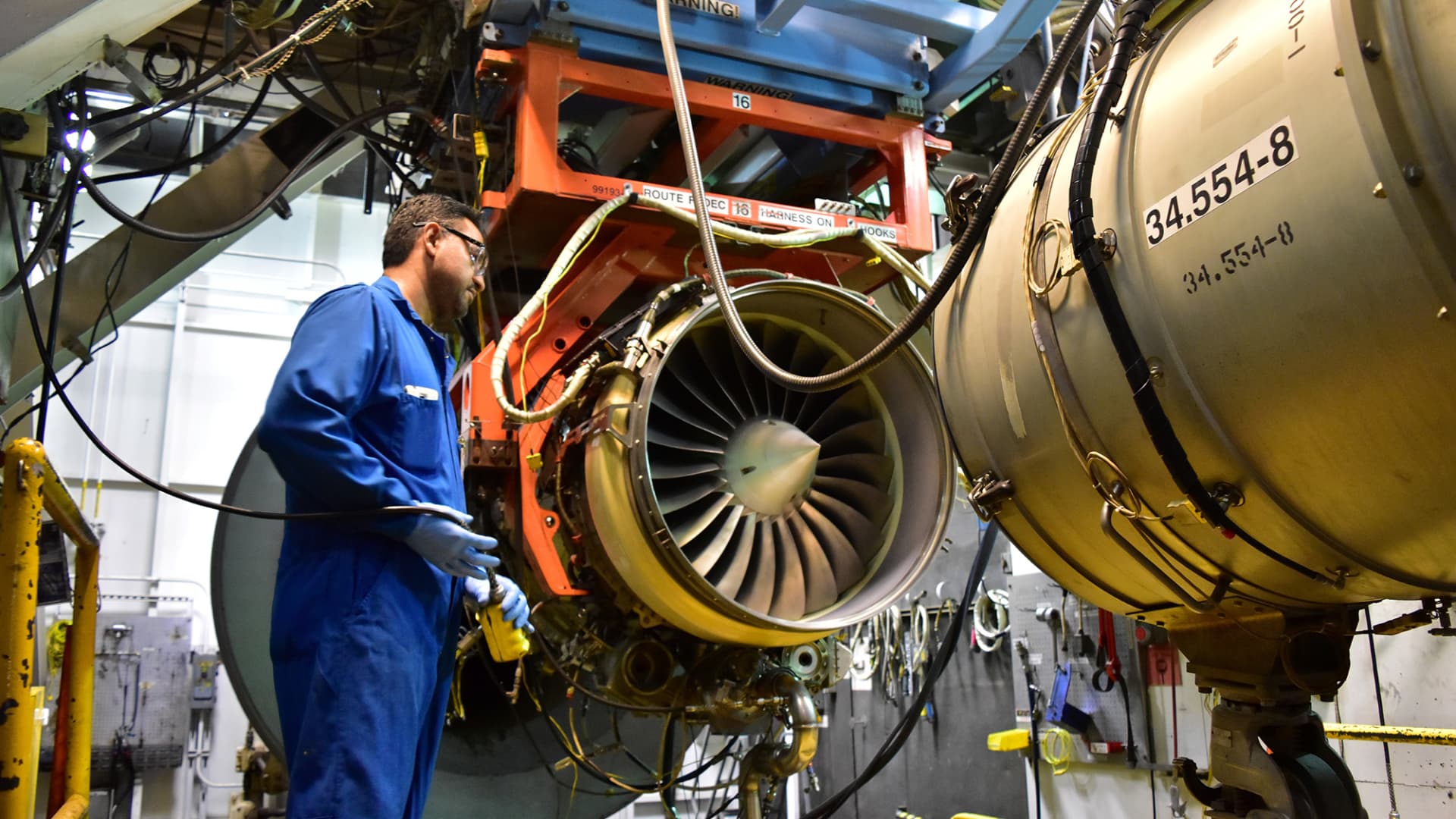
Wall Street Earnings Season Faces Major Test

- Earnings Season Significance: Wall Street is set for a packed earnings season featuring key companies like Capital One and Boeing, with investors eager to glean insights into the economic impact of the Iran war from these reports.
- Capital One Performance Focus: Capital One is scheduled to report earnings on Tuesday, with market attention on its consumer health metrics and the progress of its acquisitions of Discover and Brex, particularly amid rising economic uncertainties.
- Boeing Earnings Outlook: Boeing is expected to release its earnings report on Wednesday, with market focus on order volumes in both its commercial and defense sectors, as well as free cash flow performance, especially after previous unexpected losses.
- GE Vernova Order Growth: GE Vernova will report alongside Boeing, with first-quarter new orders anticipated to reach $14.4 billion, reflecting a 65% year-over-year increase, indicating strong market performance amid rising electricity demand.
See More
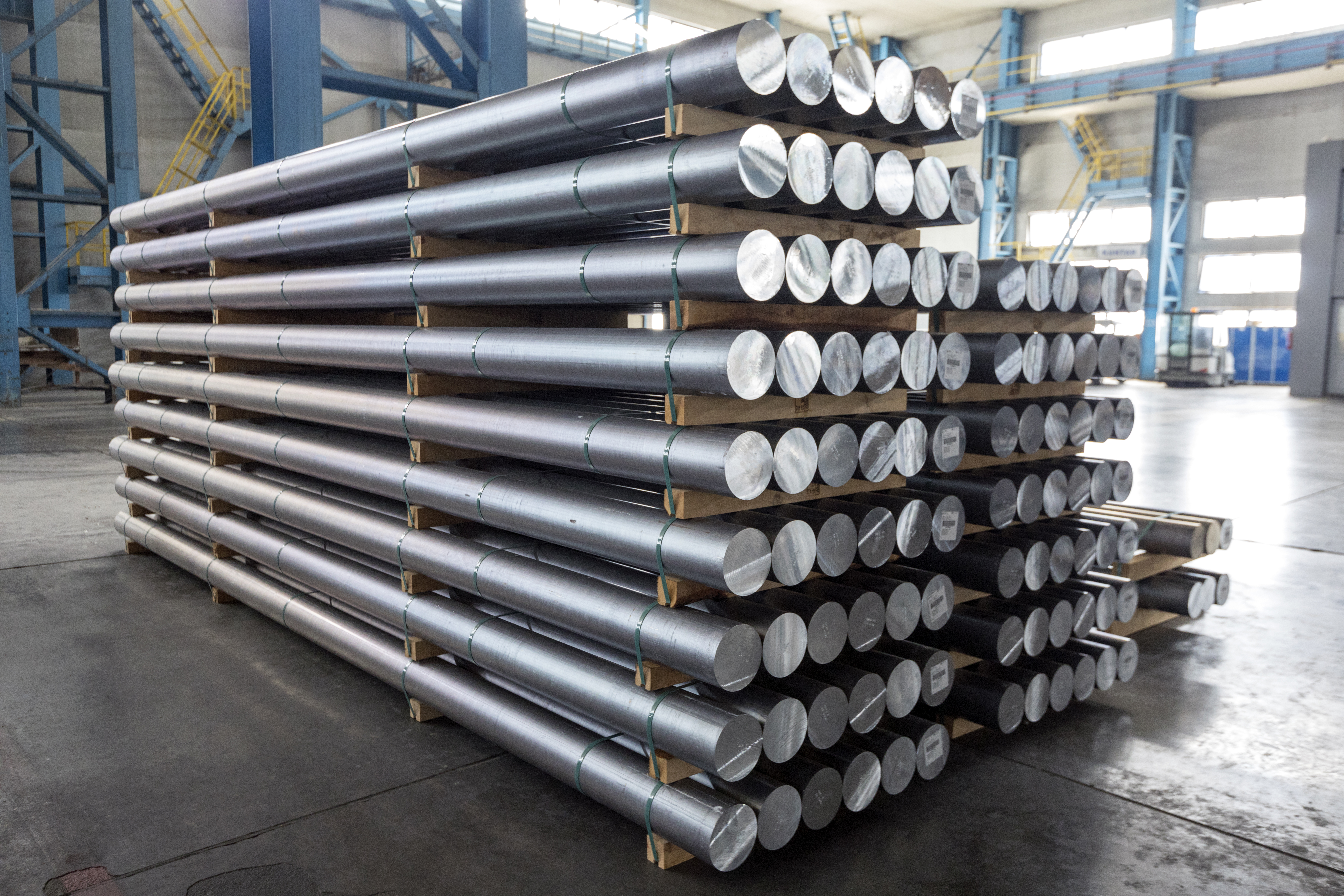
Kaiser Aluminum Shares Rise 4.8% on Overweight Rating Initiation
- Rating Upgrade: KeyBanc initiated coverage on Kaiser Aluminum (KALU) with an Overweight rating and a $170 price target, forecasting significant improvements in EBITDA and margins in 2026-27, reflecting ongoing market demand growth and effective execution of growth strategies at Warrick and Trentwood.
- Packaging Business Growth: As Warrick stabilizes, Kaiser Aluminum's packaging segment is expected to benefit from a richer product mix and strong market demand, driving enhanced conversion revenue and EBITDA margins, with long-term packaging agreements already signed related to Roll Coat Line #4.
- Aerospace Market Outlook: Aerospace OEM production is expected to remain robust, and semiconductor plate inventories are lean, poised for recovery in 2026-27, leading KeyBanc analysts to view this investment timing as prudent to capitalize on upcoming demand.
- Tariff Support: Section 232 tariffs of 50% on products made almost entirely of aluminum further support lower import levels and record-high domestic pricing, with analysts noting a ~35% average MWTP increase in 2025 and larger expected gains in 2026.
See More
Latest Rating Changes on Wall Street


- ResMed Upgrade: JPMorgan upgrades ResMed to overweight, highlighting its position as a global leader in the obstructive sleep apnea market, primarily generating revenue from CPAP devices and masks, along with a portfolio of respiratory health solutions, indicating strong market competitiveness.
- Nvidia Reiteration: Evercore ISI reiterates Nvidia as outperform, noting that despite recent underperformance, its potential in AI demand and compute cycles remains robust, underscoring its significance and investment value in future markets.
- Okta Upgrade: Raymond James upgrades Okta to outperform, suggesting that the shift of AI into enterprise applications will significantly enhance Okta's market opportunities, particularly in identity security, indicating potential market expansion.
- PayPal Downgrade: Mizuho downgrades PayPal to neutral, citing competitive and fundamental pressures, reflecting market concerns about its future growth, which may impact investor confidence.
See More

Kaiser Aluminum Declares Quarterly Cash Dividend
- Quarterly Cash Dividend: Kaiser Aluminum's Board of Directors has declared a cash dividend of $0.77 per share, payable on May 15, 2026, which aims to enhance shareholder returns and attract more investor interest.
- Record Date for Shareholders: The record date for this dividend is set for April 24, 2026, ensuring that shareholders holding stock before this date will receive the dividend, thereby enhancing the company's credibility in the capital markets.
- Company Background: Headquartered in Franklin, Tennessee, Kaiser Aluminum is a leading producer of semi-fabricated specialty aluminum products, serving multiple industries including aerospace and automotive, showcasing strong market competitiveness.
- Market Position: Kaiser Aluminum's stock is included in the Russell 2000 and S&P Small Cap 600 indices, reflecting its significant position in the small-cap market, which helps to bolster investor confidence.
See More

Analyst Ratings Impact on KALU's Performance
- Analyst Rating Summary: The ranking of KALU within the Metals Channel Global Mining Titans Index reflects a compilation of opinions from major brokerages, indicating varied market interpretations of its future performance, where a low rank could suggest poor stock performance but also present contrarian opportunities for bullish investors.
- Market Performance Comparison: Currently, KALU's stock is up approximately 1.1%, demonstrating relative stability compared to Southern Copper Corp, which is up about 3%, and Howmet Aerospace Inc, which is down about 0.2%, highlighting its performance amidst mixed market conditions.
- Diverse Investor Interpretations: A low analyst ranking does not necessarily imply that KALU's stock will continue to underperform, as investors may see potential for a rebound, especially during bearish market sentiment, which could attract more attention from contrarian investors.
- Price History Analysis: A three-month price history chart of KALU provides insights into its stock price fluctuations, offering investors a comprehensive view of market performance to make more informed investment decisions.
See More
Kaiser Aluminum to Announce Q1 Earnings on April 22
- Earnings Announcement Date: Kaiser Aluminum (KALU) is set to release its Q1 2023 earnings report on April 22 after market close, with a consensus EPS estimate of $1.96, reflecting a robust 36.1% year-over-year growth that underscores the company's strong performance in the aluminum sector.
- Revenue Expectations: The anticipated revenue for Q1 is $999.9 million, representing a 28.7% year-over-year increase, primarily driven by sustained demand in the packaging and aerospace sectors, highlighting the company's competitive edge in these key markets.
- Performance Forecast Revisions: Over the past three months, KALU's EPS estimates have seen two upward revisions with no downward adjustments, indicating analysts' growing confidence in the company's profitability, although there has been one downward revision in revenue estimates, reflecting a cautious market outlook on revenue growth.
- Historical Performance Review: KALU has beaten EPS and revenue estimates 50% of the time over the last two years, providing investors with a degree of confidence, even as uncertainties in the future market environment persist.
See More
Wall Street Earnings Season Faces Major Test
- Earnings Season Significance: Wall Street is set for a packed earnings season featuring key companies like Capital One and Boeing, with investors eager to glean insights into the economic impact of the Iran war from these reports.
- Capital One Performance Focus: Capital One is scheduled to report earnings on Tuesday, with market attention on its consumer health metrics and the progress of its acquisitions of Discover and Brex, particularly amid rising economic uncertainties.
- Boeing Earnings Outlook: Boeing is expected to release its earnings report on Wednesday, with market focus on order volumes in both its commercial and defense sectors, as well as free cash flow performance, especially after previous unexpected losses.
- GE Vernova Order Growth: GE Vernova will report alongside Boeing, with first-quarter new orders anticipated to reach $14.4 billion, reflecting a 65% year-over-year increase, indicating strong market performance amid rising electricity demand.
See More
Kaiser Aluminum Shares Rise 4.8% on Overweight Rating Initiation
- Rating Upgrade: KeyBanc initiated coverage on Kaiser Aluminum (KALU) with an Overweight rating and a $170 price target, forecasting significant improvements in EBITDA and margins in 2026-27, reflecting ongoing market demand growth and effective execution of growth strategies at Warrick and Trentwood.
- Packaging Business Growth: As Warrick stabilizes, Kaiser Aluminum's packaging segment is expected to benefit from a richer product mix and strong market demand, driving enhanced conversion revenue and EBITDA margins, with long-term packaging agreements already signed related to Roll Coat Line #4.
- Aerospace Market Outlook: Aerospace OEM production is expected to remain robust, and semiconductor plate inventories are lean, poised for recovery in 2026-27, leading KeyBanc analysts to view this investment timing as prudent to capitalize on upcoming demand.
- Tariff Support: Section 232 tariffs of 50% on products made almost entirely of aluminum further support lower import levels and record-high domestic pricing, with analysts noting a ~35% average MWTP increase in 2025 and larger expected gains in 2026.
See More
Latest Rating Changes on Wall Street
- ResMed Upgrade: JPMorgan upgrades ResMed to overweight, highlighting its position as a global leader in the obstructive sleep apnea market, primarily generating revenue from CPAP devices and masks, along with a portfolio of respiratory health solutions, indicating strong market competitiveness.
- Nvidia Reiteration: Evercore ISI reiterates Nvidia as outperform, noting that despite recent underperformance, its potential in AI demand and compute cycles remains robust, underscoring its significance and investment value in future markets.
- Okta Upgrade: Raymond James upgrades Okta to outperform, suggesting that the shift of AI into enterprise applications will significantly enhance Okta's market opportunities, particularly in identity security, indicating potential market expansion.
- PayPal Downgrade: Mizuho downgrades PayPal to neutral, citing competitive and fundamental pressures, reflecting market concerns about its future growth, which may impact investor confidence.
See More
Kaiser Aluminum Declares Quarterly Cash Dividend
- Quarterly Cash Dividend: Kaiser Aluminum's Board of Directors has declared a cash dividend of $0.77 per share, payable on May 15, 2026, which aims to enhance shareholder returns and attract more investor interest.
- Record Date for Shareholders: The record date for this dividend is set for April 24, 2026, ensuring that shareholders holding stock before this date will receive the dividend, thereby enhancing the company's credibility in the capital markets.
- Company Background: Headquartered in Franklin, Tennessee, Kaiser Aluminum is a leading producer of semi-fabricated specialty aluminum products, serving multiple industries including aerospace and automotive, showcasing strong market competitiveness.
- Market Position: Kaiser Aluminum's stock is included in the Russell 2000 and S&P Small Cap 600 indices, reflecting its significant position in the small-cap market, which helps to bolster investor confidence.
See More
Analyst Ratings Impact on KALU's Performance
- Analyst Rating Summary: The ranking of KALU within the Metals Channel Global Mining Titans Index reflects a compilation of opinions from major brokerages, indicating varied market interpretations of its future performance, where a low rank could suggest poor stock performance but also present contrarian opportunities for bullish investors.
- Market Performance Comparison: Currently, KALU's stock is up approximately 1.1%, demonstrating relative stability compared to Southern Copper Corp, which is up about 3%, and Howmet Aerospace Inc, which is down about 0.2%, highlighting its performance amidst mixed market conditions.
- Diverse Investor Interpretations: A low analyst ranking does not necessarily imply that KALU's stock will continue to underperform, as investors may see potential for a rebound, especially during bearish market sentiment, which could attract more attention from contrarian investors.
- Price History Analysis: A three-month price history chart of KALU provides insights into its stock price fluctuations, offering investors a comprehensive view of market performance to make more informed investment decisions.
See More