Alcoa Sees Surge in Aluminum Orders Amid Supply Disruptions
Written by Emily J. Thompson, Senior Investment Analyst
Updated: Mar 17 2026
0mins
Should l Buy AA?
Source: seekingalpha
- Order Surge: Alcoa's CFO Molly Beerman noted at a JPMorgan conference that the closure of the Strait of Hormuz has led to a significant increase in aluminum orders and inquiries from customers, particularly those relying on Middle Eastern smelters, which is expected to boost the company's performance in the second half of the year.
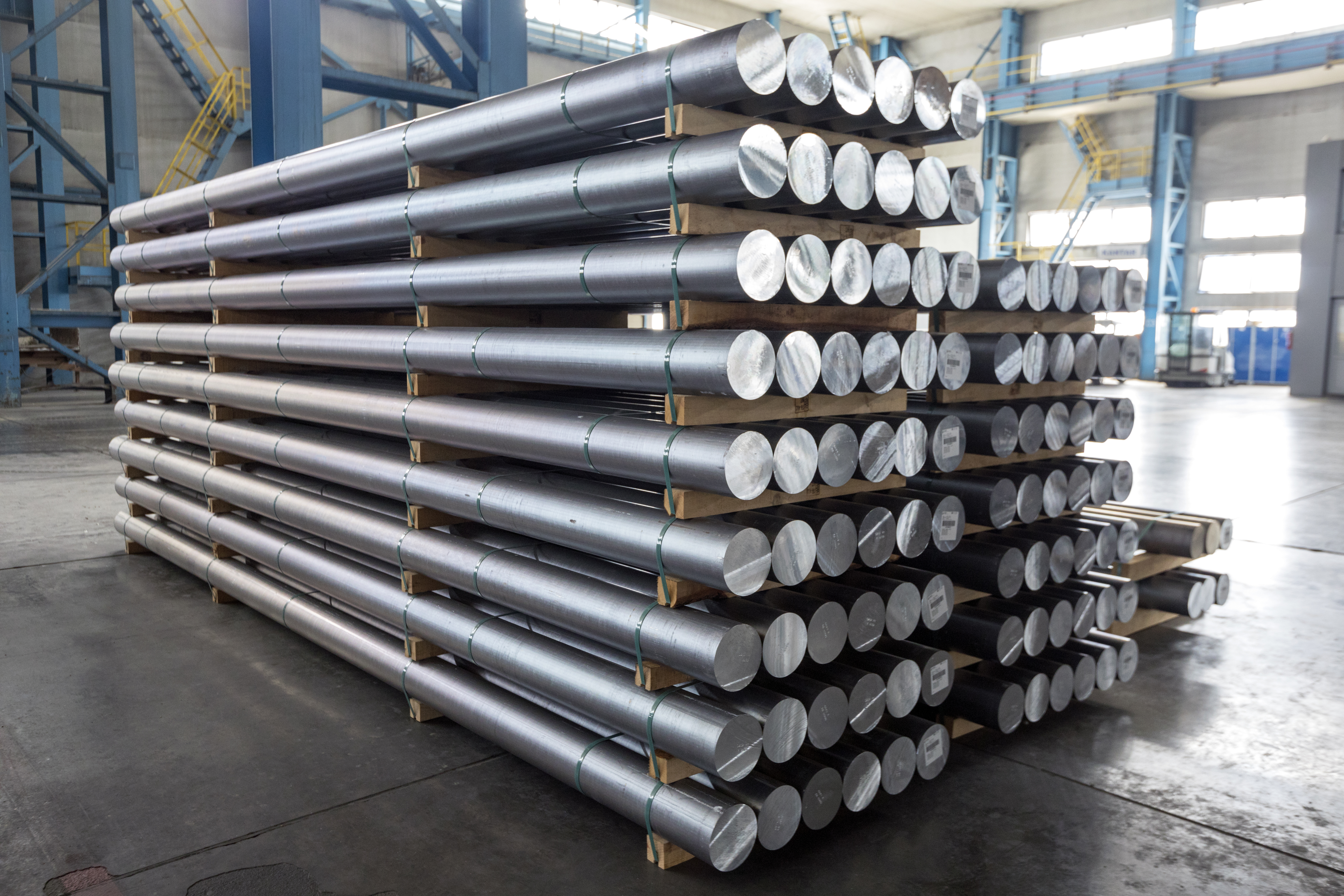
- Supply-Demand Shift: Smelters in the Persian Gulf produce over 5 million tons of aluminum annually, accounting for about 9% of global supply, and production curtailments due to raw material conservation are leading to an estimated 1.9 million-ton deficit in the market, further tightening supply.
- Price Forecast: Bart Melek, head of commodity strategy at TD Securities, predicts that aluminum prices on the London Metal Exchange will rise from an average of $2,631 per ton last year to $3,481 this year, reflecting strong demand and supply constraints in the market.
- Supply Chain Adjustment: Alcoa ships approximately 4 million metric tons of aluminum to the Middle East each year, and with the closure of the Strait of Hormuz, this supply is finding alternative markets, presenting new growth opportunities for the company in the global aluminum landscape.
Trade with 70% Backtested Accuracy
Stop guessing "Should I Buy AA?" and start using high-conviction signals backed by rigorous historical data.
Sign up today to access powerful investing tools and make smarter, data-driven decisions.
Analyst Views on AA
Wall Street analysts forecast AA stock price to fall
8 Analyst Rating
2 Buy
4 Hold
2 Sell
Hold
Current: 58.410

Low
38.00
Averages
57.63
High
78.00
Current: 58.410
Low
38.00
Averages
57.63
High
78.00
About AA
Alcoa Corporation is a vertically integrated aluminum company comprised of bauxite mining, alumina refining, aluminum production (smelting and casting), and energy generation. The Company’s operations are comprised of two business segments: Alumina and Aluminum. The Alumina segment primarily consists of its bauxite mines and alumina refineries, which generally include the mining of bauxite and other aluminous ores, as well as the refining, production, and sale of smelter grade and non-metallurgical alumina. The alumina produced by this segment is sold to internal and external aluminum smelter customers; a portion of the alumina is sold to external customers who process it into industrial chemical products. The Aluminum segment consists of the Company’s aluminum smelting and casting operations along with the Company’s energy production assets in Brazil, Canada, and the United States. It has direct and indirect ownership of 26 operating locations across nine countries on six continents.
About the author

Emily J. Thompson
Emily J. Thompson, a Chartered Financial Analyst (CFA) with 12 years in investment research, graduated with honors from the Wharton School. Specializing in industrial and technology stocks, she provides in-depth analysis for Intellectia’s earnings and market brief reports.
Mixed U.S. Stock Indices Amid Rising Oil Prices


- Mixed Stock Performance: The S&P 500 Index fell by 0.29%, while the Dow Jones Industrial Average rose by 0.26%, and the Nasdaq 100 Index decreased by 0.67%, indicating a complex market reaction to Federal Reserve policies and international tensions.
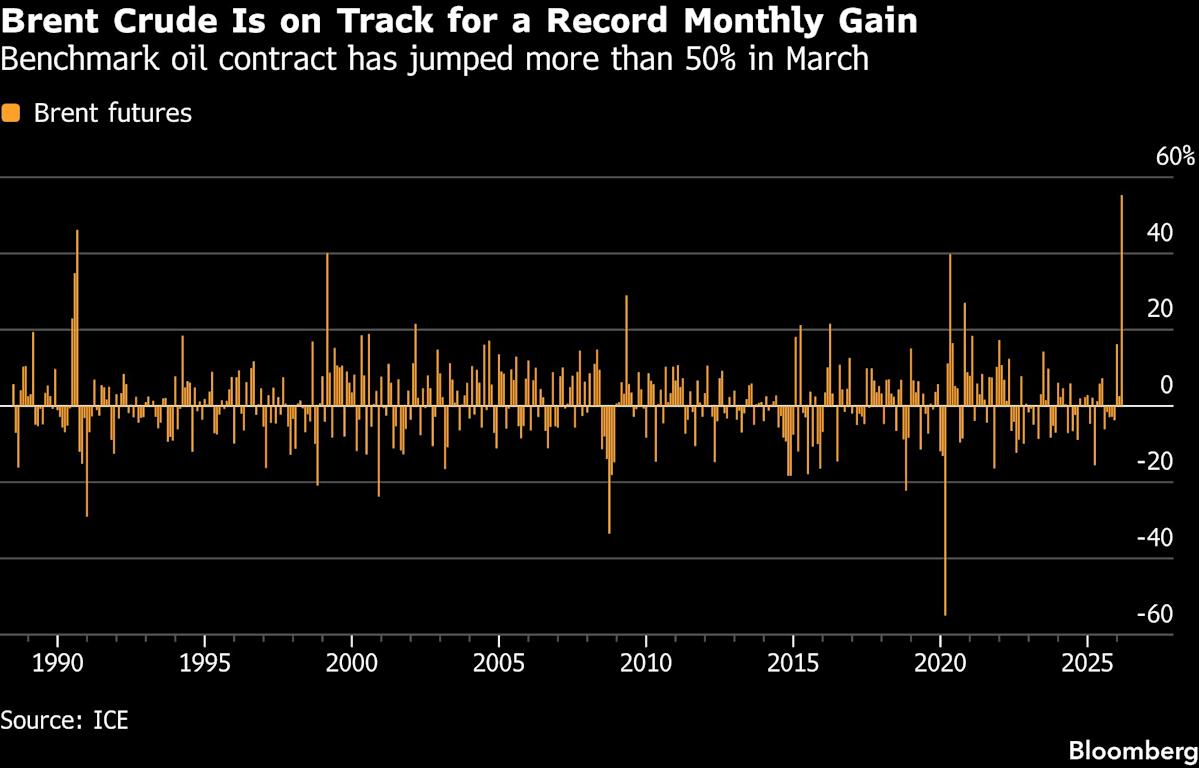
- Rising Oil Prices: Crude oil prices surged over 2% to a three-week high due to disruptions in oil and gas flows through the Strait of Hormuz caused by the Iran conflict, which could negatively impact global economic growth.
- Weak Manufacturing Activity: The Dallas Fed manufacturing activity index dropped from -0.4 to -0.2, falling short of the expected increase to 2.0, suggesting challenges in economic recovery that may influence future policy decisions.
- Escalating International Tensions: U.S. and Israeli military actions against Iran have intensified, with 3,500 sailors and Marines deployed to the Middle East, potentially leading to further volatility in energy markets and impacting global supply chains.
See More
Middle East Aluminum Attacks Drive Prices to Four-Year Highs


- Surge in Aluminum Prices: Following Iran's attacks on two aluminum production sites in the Middle East, aluminum prices on the London Metal Exchange surged to nearly four-year highs, resulting in an 11% increase in Alcoa's stock and a 10.5% rise in Century Aluminum, reflecting strong market reactions to potential supply disruptions.
- Damage Assessment: Emirates Global Aluminium reported
See More

US Stocks Rise as Oil Prices Hit Three-Week High
- Market Gains: The S&P 500 Index rose by 0.58%, the Dow Jones Industrial Average increased by 0.91%, and the Nasdaq 100 Index climbed by 0.30%, reflecting a positive market sentiment amid expectations that the Fed may keep interest rates unchanged.
- Declining Bond Yields: The 10-year Treasury note yield fell by 10 basis points to 4.33%, driven by concerns that the ongoing war in the Middle East could lead to a fuel shortage, potentially hindering global economic growth and influencing the Fed's future rate decisions.
- Rising Oil Prices: Crude oil prices surged over 2% to a three-week high due to Iranian attacks on shipping, raising fears that the closure of the Strait of Hormuz could disrupt global oil and gas supplies, which may lead to significant price increases.
- Manufacturing Activity Decline: The Dallas Fed's manufacturing activity survey dropped by 0.4 to -0.2, falling short of the expected increase to 2.0, indicating signs of economic slowdown that could impact future investment decisions.
See More

Market Recap: Trump's Comments and Tech Stock Rebound

- Trump's Comments Impact: Trump's statement about serious discussions with Iran led to a rise in the S&P 500, but Jim Cramer cautioned investors against rushing to buy, as Trump's claims are often later denied by Iran, indicating market uncertainty.
- Meta Stock Surge: Meta was named a top pick by Morgan Stanley, with shares rising over 2%, as analysts argue that despite AI investment and regulatory risks, Meta remains competitively strong; Jim Cramer supports this view, suggesting investors should not sell due to regulatory concerns.
- Cybersecurity Stock Rebound: CrowdStrike and Palo Alto Networks rebounded after significant declines last Friday, with CrowdStrike up nearly 5% following an upgrade to buy-equivalent by Wolfe Research, as analysts believe advancements in AI models will increase demand for cybersecurity.
- Executive Buy Signal: Palo Alto Networks CEO Nikesh Arora purchased about $10 million in shares on Friday, resulting in a 7% stock increase, with Jim Cramer noting that the market is mispricing the stock, reflecting executive confidence in the company's future.
See More

Mortgage Stocks Surge 30% After Ackman's Remarks

- Mortgage Stocks Rally: Shares of Fannie Mae and Freddie Mac surged over 30% on Monday after billionaire Bill Ackman labeled them as 'stupidly cheap' in a social media post, indicating strong market confidence in their future potential.
- Boston Scientific Downgrade: Boston Scientific's stock fell more than 9% after Raymond James downgraded it from strong buy to outperform, reflecting concerns over weakening trends in its key growth areas and leading investors to adopt a cautious stance on its future performance.
- Cybersecurity Gains: Palo Alto Networks saw its shares jump over 7% after CEO Nikesh Arora disclosed a $10 million stock purchase, demonstrating market confidence in the company's growth prospects amid rising demand for cybersecurity solutions.
- United Therapeutics Innovation: United Therapeutics' stock rose nearly 13%, reaching a 52-week high, following positive phase 3 clinical trial results for its main product Tyvaso, and its plan to seek priority FDA review to expand the drug's label, showcasing strategic advancements in lung disease treatment.
See More

Middle East Tensions Impact Global Markets


- Market Recovery: The S&P 500 Index rose by 0.42%, the Dow Jones Industrial Average increased by 0.64%, and the Nasdaq 100 Index gained 0.32%, indicating a short-term market rebound amid escalating tensions in the Middle East, as investor confidence in future economic growth shows signs of recovery.
- Declining Bond Yields: The 10-year T-note yield fell by 8 basis points to 4.35%, reflecting market concerns that the ongoing war in the Middle East may lead to fuel shortages, thereby suppressing inflation expectations and potentially keeping the Fed from raising interest rates in upcoming meetings.
- Rising Oil Prices: Crude oil prices surged over 1% to a three-week high due to Iranian attacks on shipping, with fears that the closure of the Strait of Hormuz could disrupt global oil supplies, potentially driving prices to exceed the 2008 record high.
- Energy Infrastructure Damage: The International Energy Agency reported that more than 40 energy sites across nine Middle Eastern countries have been severely damaged, which could prolong disruptions to global supply chains after the war ends, further impacting international market stability.
See More
Mixed U.S. Stock Indices Amid Rising Oil Prices
- Mixed Stock Performance: The S&P 500 Index fell by 0.29%, while the Dow Jones Industrial Average rose by 0.26%, and the Nasdaq 100 Index decreased by 0.67%, indicating a complex market reaction to Federal Reserve policies and international tensions.
- Rising Oil Prices: Crude oil prices surged over 2% to a three-week high due to disruptions in oil and gas flows through the Strait of Hormuz caused by the Iran conflict, which could negatively impact global economic growth.
- Weak Manufacturing Activity: The Dallas Fed manufacturing activity index dropped from -0.4 to -0.2, falling short of the expected increase to 2.0, suggesting challenges in economic recovery that may influence future policy decisions.
- Escalating International Tensions: U.S. and Israeli military actions against Iran have intensified, with 3,500 sailors and Marines deployed to the Middle East, potentially leading to further volatility in energy markets and impacting global supply chains.
See More
Middle East Aluminum Attacks Drive Prices to Four-Year Highs
- Surge in Aluminum Prices: Following Iran's attacks on two aluminum production sites in the Middle East, aluminum prices on the London Metal Exchange surged to nearly four-year highs, resulting in an 11% increase in Alcoa's stock and a 10.5% rise in Century Aluminum, reflecting strong market reactions to potential supply disruptions.
- Damage Assessment: Emirates Global Aluminium reported
See More
US Stocks Rise as Oil Prices Hit Three-Week High
- Market Gains: The S&P 500 Index rose by 0.58%, the Dow Jones Industrial Average increased by 0.91%, and the Nasdaq 100 Index climbed by 0.30%, reflecting a positive market sentiment amid expectations that the Fed may keep interest rates unchanged.
- Declining Bond Yields: The 10-year Treasury note yield fell by 10 basis points to 4.33%, driven by concerns that the ongoing war in the Middle East could lead to a fuel shortage, potentially hindering global economic growth and influencing the Fed's future rate decisions.
- Rising Oil Prices: Crude oil prices surged over 2% to a three-week high due to Iranian attacks on shipping, raising fears that the closure of the Strait of Hormuz could disrupt global oil and gas supplies, which may lead to significant price increases.
- Manufacturing Activity Decline: The Dallas Fed's manufacturing activity survey dropped by 0.4 to -0.2, falling short of the expected increase to 2.0, indicating signs of economic slowdown that could impact future investment decisions.
See More
Market Recap: Trump's Comments and Tech Stock Rebound
- Trump's Comments Impact: Trump's statement about serious discussions with Iran led to a rise in the S&P 500, but Jim Cramer cautioned investors against rushing to buy, as Trump's claims are often later denied by Iran, indicating market uncertainty.
- Meta Stock Surge: Meta was named a top pick by Morgan Stanley, with shares rising over 2%, as analysts argue that despite AI investment and regulatory risks, Meta remains competitively strong; Jim Cramer supports this view, suggesting investors should not sell due to regulatory concerns.
- Cybersecurity Stock Rebound: CrowdStrike and Palo Alto Networks rebounded after significant declines last Friday, with CrowdStrike up nearly 5% following an upgrade to buy-equivalent by Wolfe Research, as analysts believe advancements in AI models will increase demand for cybersecurity.
- Executive Buy Signal: Palo Alto Networks CEO Nikesh Arora purchased about $10 million in shares on Friday, resulting in a 7% stock increase, with Jim Cramer noting that the market is mispricing the stock, reflecting executive confidence in the company's future.
See More
Mortgage Stocks Surge 30% After Ackman's Remarks
- Mortgage Stocks Rally: Shares of Fannie Mae and Freddie Mac surged over 30% on Monday after billionaire Bill Ackman labeled them as 'stupidly cheap' in a social media post, indicating strong market confidence in their future potential.
- Boston Scientific Downgrade: Boston Scientific's stock fell more than 9% after Raymond James downgraded it from strong buy to outperform, reflecting concerns over weakening trends in its key growth areas and leading investors to adopt a cautious stance on its future performance.
- Cybersecurity Gains: Palo Alto Networks saw its shares jump over 7% after CEO Nikesh Arora disclosed a $10 million stock purchase, demonstrating market confidence in the company's growth prospects amid rising demand for cybersecurity solutions.
- United Therapeutics Innovation: United Therapeutics' stock rose nearly 13%, reaching a 52-week high, following positive phase 3 clinical trial results for its main product Tyvaso, and its plan to seek priority FDA review to expand the drug's label, showcasing strategic advancements in lung disease treatment.
See More
Middle East Tensions Impact Global Markets
- Market Recovery: The S&P 500 Index rose by 0.42%, the Dow Jones Industrial Average increased by 0.64%, and the Nasdaq 100 Index gained 0.32%, indicating a short-term market rebound amid escalating tensions in the Middle East, as investor confidence in future economic growth shows signs of recovery.
- Declining Bond Yields: The 10-year T-note yield fell by 8 basis points to 4.35%, reflecting market concerns that the ongoing war in the Middle East may lead to fuel shortages, thereby suppressing inflation expectations and potentially keeping the Fed from raising interest rates in upcoming meetings.
- Rising Oil Prices: Crude oil prices surged over 1% to a three-week high due to Iranian attacks on shipping, with fears that the closure of the Strait of Hormuz could disrupt global oil supplies, potentially driving prices to exceed the 2008 record high.
- Energy Infrastructure Damage: The International Energy Agency reported that more than 40 energy sites across nine Middle Eastern countries have been severely damaged, which could prolong disruptions to global supply chains after the war ends, further impacting international market stability.
See More