Adobe reports strong Q4 results, yet slowing FY26 growth raises ongoing AI worries among analysts.

Q4 Performance and AI Initiatives: Adobe reported double-digit revenue growth in Q4 of fiscal 2025, driven by its AI initiatives and the upcoming acquisition of Semrush, despite concerns about slowing growth in fiscal 2026.
Analyst Ratings and Concerns: Morgan Stanley maintained an Equal-weight rating with a reduced price target, while Citi expressed skepticism about reversing decelerating growth trends, highlighting competition from AI tools.
Positive Outlook from Some Firms: Stifel and Bank of America Securities reiterated their Buy ratings, citing encouraging AI disclosures and potential growth from Adobe Express and Firefly monetization.
Market Reaction: Adobe shares saw a slight increase of 1% in early trading, contrasting with mixed performances from competitors like Figma and Autodesk.
Trade with 70% Backtested Accuracy
Analyst Views on ADBE

About ADBE
About the author

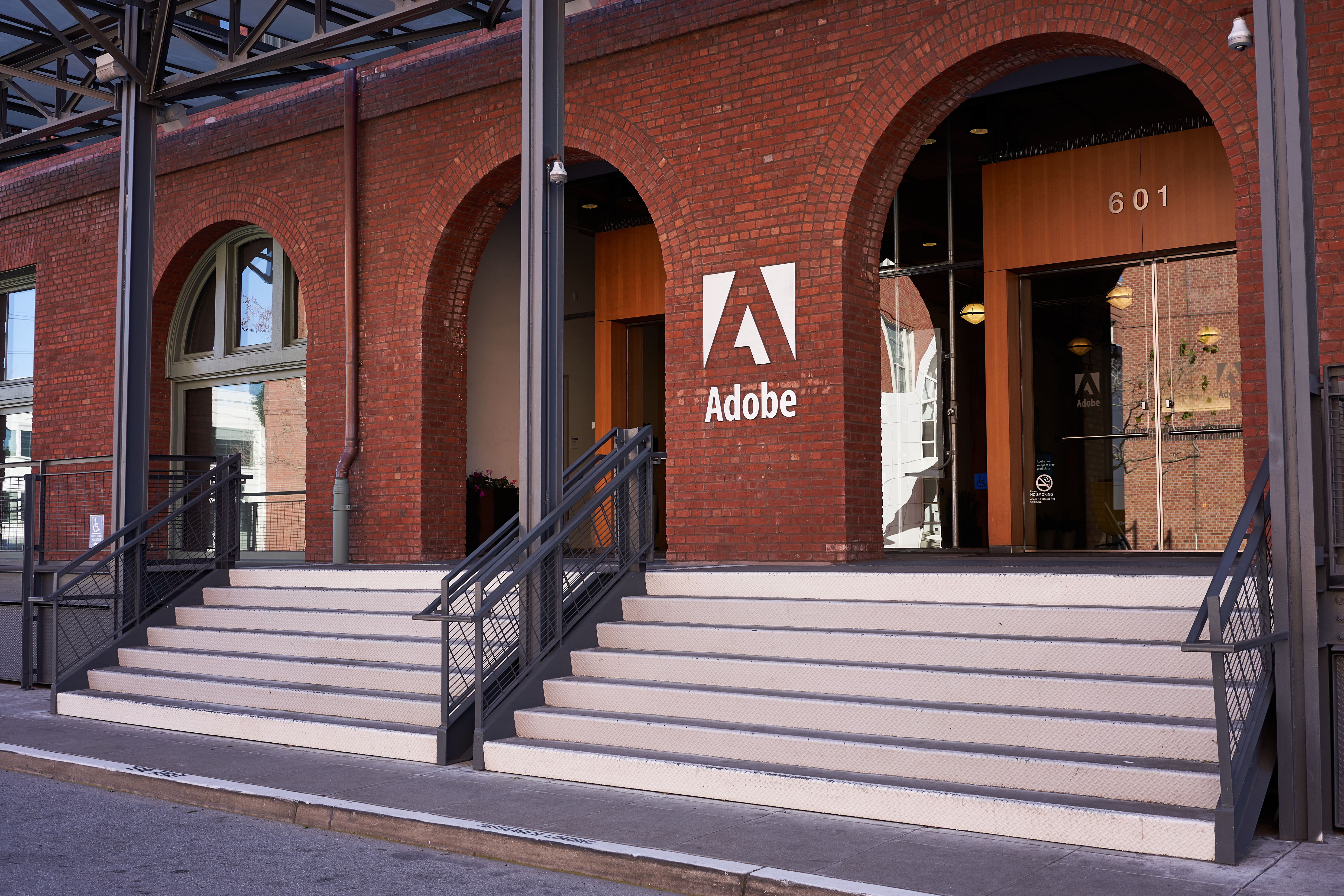
Adobe Faces Rising Competition from Canva Amid Annual Summit

- Intensifying Competition: Adobe is facing increasing competitive pressure from Canva, which has reached 31 million paying users and boasts over $4 billion in annual recurring revenue, indicating strong growth in the creative platform sector.
- Product Expansion: Canva has expanded from its core design tool into an AI-powered creative platform and completed five acquisitions in Q1, enhancing its capabilities in customer data and marketing automation, posing a threat to Adobe's market position.
- User Conversion Potential: Analysts note that Canva's strategy of making its Affinity professional design product free is attracting a significant number of Adobe users, with a large pipeline of potential customer conversions expected to further weaken Adobe's user base.
- Profitability Pressure: Canva may be willing to lower margins in the near term to generate usage and AI engagement through generous AI credits, which will continue to exert pressure on Adobe's ability to monetize its AI products.

Stock Markets Decline Amid Soaring Oil Prices and Geopolitical Tensions


- Oil Price Surge Impacts Markets: The S&P 500 index fell 0.24%, the Dow Jones Industrial Average dropped 0.01%, and the Nasdaq 100 index declined 0.31% on Monday as WTI crude prices surged over 6%, indicating market sensitivity to rising energy costs amid geopolitical tensions.
- Geopolitical Risks Escalate: The closure of the Strait of Hormuz by Iran has raised market concerns, especially following U.S. Navy actions against Iranian tankers, which could exacerbate global oil and fuel shortages, further unsettling investor sentiment.
- Earnings Season Continues: So far, 81% of the 48 S&P 500 companies that reported earnings exceeded expectations, with Q1 earnings projected to rise 12% year-over-year; however, excluding the tech sector, growth is only expected at 3%, highlighting signs of economic weakness.
- Airline Stocks Under Pressure: Airline stocks retreated as rising oil prices weighed on profits, with American Airlines and Alaska Air both down over 4%, reflecting the direct impact of fuel costs on company earnings and potential downward revisions in future profit expectations.

U.S. Stocks Decline Amid Soaring Oil Prices

- Oil Price Surge Impacts Markets: The S&P 500 index fell 0.41%, the Dow Jones Industrial Average dropped 0.31%, and the Nasdaq 100 index declined 0.66% as WTI crude oil prices surged over 5%, indicating market sensitivity to rising energy costs amid doubts about peace talks regarding the Iran war.
- Geopolitical Risks Escalate: Iran's closure of the Strait of Hormuz has raised market concerns, especially following U.S. Navy actions against Iranian tankers, which could exacerbate global oil and fuel shortages, further increasing market uncertainty.
- Earnings Season Continues: So far, 81% of the 48 S&P 500 companies that reported earnings have beaten estimates, with Q1 earnings projected to rise 12% year-over-year; however, excluding the tech sector, the growth is only 3%, indicating signs of overall economic weakness.
- Airline Stocks Under Pressure: Airline and cruise line stocks are broadly down due to rising oil prices, with Norwegian Cruise Line Holdings down over 5% and American Airlines Group down over 4%, reflecting the negative impact of high fuel costs on company profits.

Adobe Launches AI Tools to Enhance Customer Interactions

- AI Tool Launch: Adobe has introduced CX Enterprise, aimed at automating digital marketing through AI agents from content development to client engagement, significantly enhancing efficiency and reducing manual labor costs to adapt to a rapidly changing technological landscape.
- Intensifying Industry Competition: With AI-focused companies like Anthropic and OpenAI developing tools that require no human input for creative and marketing tasks, Adobe faces increasing competitive pressure, compelling it to accelerate its pace of technological innovation.
- Strategic Partnerships: Adobe is partnering with Amazon, Microsoft, and Nvidia to enhance the cross-platform application of its AI capabilities, ensuring it maintains a competitive edge in the market.
- Cautious Investor Sentiment: Despite these initiatives, Adobe's stock has fallen this year amid concerns that AI could disrupt software models faster than anticipated, leading investors to adopt a cautious stance regarding its future performance.
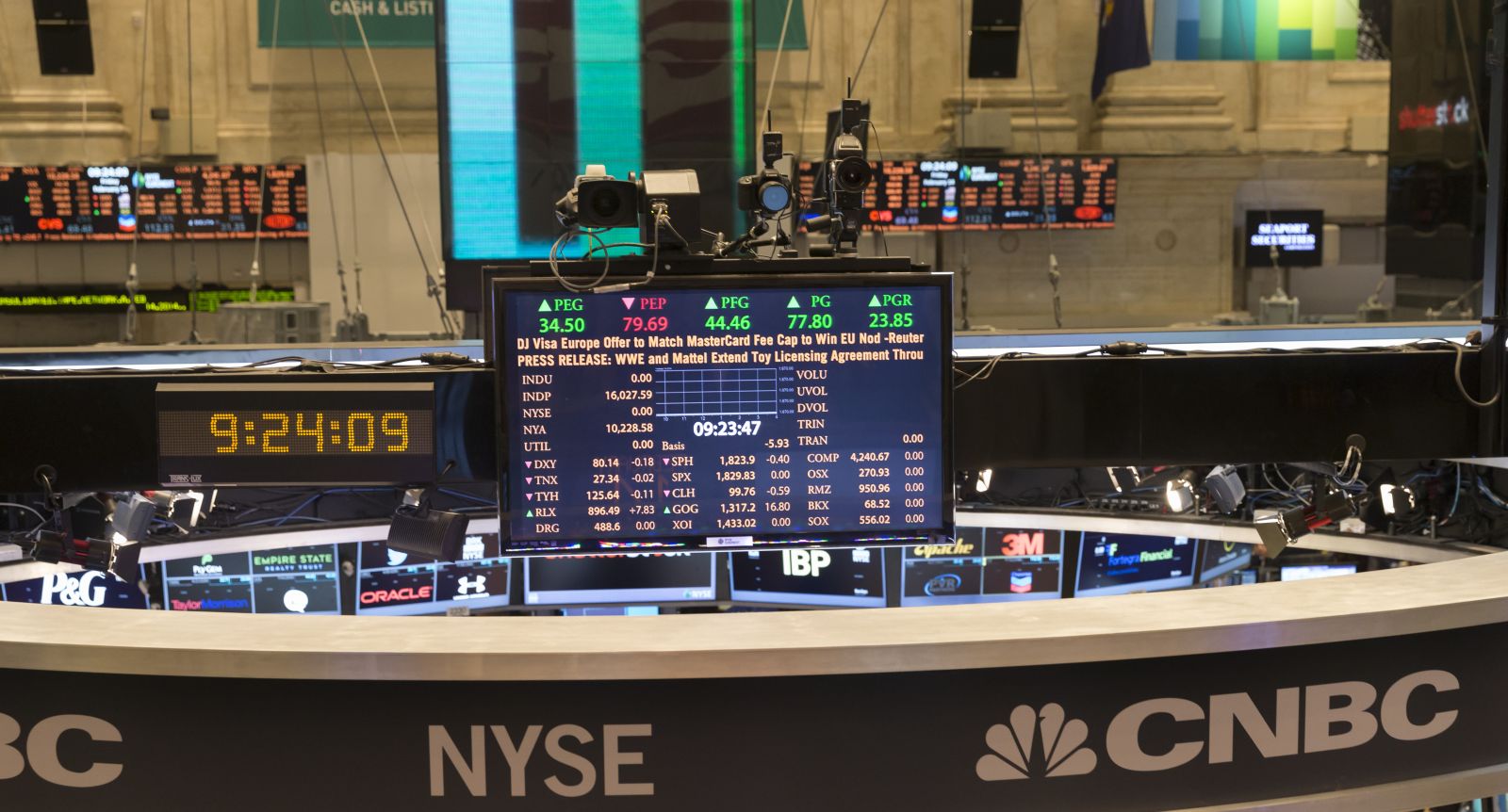
Oil Price Surge Leads to Market Decline
- Market Decline: The S&P 500 index fell by 0.21%, the Dow Jones Industrial Average by 0.04%, and the Nasdaq 100 by 0.24%, indicating investor concerns over rising oil prices that could impact corporate earnings and overall market confidence.
- Oil Price Surge: WTI crude oil prices increased by over 5% due to the closure of the Strait of Hormuz following the US's refusal to lift its naval blockade on Iranian vessels, which could exacerbate global oil and fuel shortages and raise operational costs for affected industries.
- Earnings Expectations: So far, 81% of the 48 S&P 500 companies that reported earnings have exceeded estimates, with Q1 earnings projected to rise by 12% year-over-year; however, excluding the tech sector, growth is only expected to be 3%, indicating signs of an overall economic slowdown.
- Airline and Chip Stocks Under Pressure: Airline stocks are down due to rising fuel costs, with Norwegian Cruise Line Holdings falling over 6%, while chipmakers like Intel are also down more than 2%, reflecting the negative impact of high oil prices across multiple sectors.

Adobe Launches CX Enterprise Products to Enhance Customer Management
- Product Launch: Adobe unveiled its “CX Enterprise” and “CX Enterprise Coworker” products at its Las Vegas event, aimed at enhancing customer acquisition, retention, and engagement through AI agents, thereby improving business efficiency and workflows.
- Partnership Expansion: The company is expanding partnerships with over 30 key industry players, including AWS, Google Cloud, and Microsoft, to enable interoperability of its new AI solutions across different platforms, enhancing the competitiveness of its offerings.
- Positive Investor Reaction: Following the product announcement, Adobe's shares traded higher on Monday morning, reflecting investor optimism about the company's innovations in AI, despite a more than 30% decline in stock price this year.
- Market Sentiment Analysis: According to Stocktwits, retail investors maintain an “extremely bullish” sentiment towards Adobe's prospects, anticipating further stock price increases following the product launch, indicating strong market confidence in its AI solutions.
Adobe Faces Rising Competition from Canva Amid Annual Summit
- Intensifying Competition: Adobe is facing increasing competitive pressure from Canva, which has reached 31 million paying users and boasts over $4 billion in annual recurring revenue, indicating strong growth in the creative platform sector.
- Product Expansion: Canva has expanded from its core design tool into an AI-powered creative platform and completed five acquisitions in Q1, enhancing its capabilities in customer data and marketing automation, posing a threat to Adobe's market position.
- User Conversion Potential: Analysts note that Canva's strategy of making its Affinity professional design product free is attracting a significant number of Adobe users, with a large pipeline of potential customer conversions expected to further weaken Adobe's user base.
- Profitability Pressure: Canva may be willing to lower margins in the near term to generate usage and AI engagement through generous AI credits, which will continue to exert pressure on Adobe's ability to monetize its AI products.
Stock Markets Decline Amid Soaring Oil Prices and Geopolitical Tensions
- Oil Price Surge Impacts Markets: The S&P 500 index fell 0.24%, the Dow Jones Industrial Average dropped 0.01%, and the Nasdaq 100 index declined 0.31% on Monday as WTI crude prices surged over 6%, indicating market sensitivity to rising energy costs amid geopolitical tensions.
- Geopolitical Risks Escalate: The closure of the Strait of Hormuz by Iran has raised market concerns, especially following U.S. Navy actions against Iranian tankers, which could exacerbate global oil and fuel shortages, further unsettling investor sentiment.
- Earnings Season Continues: So far, 81% of the 48 S&P 500 companies that reported earnings exceeded expectations, with Q1 earnings projected to rise 12% year-over-year; however, excluding the tech sector, growth is only expected at 3%, highlighting signs of economic weakness.
- Airline Stocks Under Pressure: Airline stocks retreated as rising oil prices weighed on profits, with American Airlines and Alaska Air both down over 4%, reflecting the direct impact of fuel costs on company earnings and potential downward revisions in future profit expectations.
U.S. Stocks Decline Amid Soaring Oil Prices
- Oil Price Surge Impacts Markets: The S&P 500 index fell 0.41%, the Dow Jones Industrial Average dropped 0.31%, and the Nasdaq 100 index declined 0.66% as WTI crude oil prices surged over 5%, indicating market sensitivity to rising energy costs amid doubts about peace talks regarding the Iran war.
- Geopolitical Risks Escalate: Iran's closure of the Strait of Hormuz has raised market concerns, especially following U.S. Navy actions against Iranian tankers, which could exacerbate global oil and fuel shortages, further increasing market uncertainty.
- Earnings Season Continues: So far, 81% of the 48 S&P 500 companies that reported earnings have beaten estimates, with Q1 earnings projected to rise 12% year-over-year; however, excluding the tech sector, the growth is only 3%, indicating signs of overall economic weakness.
- Airline Stocks Under Pressure: Airline and cruise line stocks are broadly down due to rising oil prices, with Norwegian Cruise Line Holdings down over 5% and American Airlines Group down over 4%, reflecting the negative impact of high fuel costs on company profits.
Adobe Launches AI Tools to Enhance Customer Interactions
- AI Tool Launch: Adobe has introduced CX Enterprise, aimed at automating digital marketing through AI agents from content development to client engagement, significantly enhancing efficiency and reducing manual labor costs to adapt to a rapidly changing technological landscape.
- Intensifying Industry Competition: With AI-focused companies like Anthropic and OpenAI developing tools that require no human input for creative and marketing tasks, Adobe faces increasing competitive pressure, compelling it to accelerate its pace of technological innovation.
- Strategic Partnerships: Adobe is partnering with Amazon, Microsoft, and Nvidia to enhance the cross-platform application of its AI capabilities, ensuring it maintains a competitive edge in the market.
- Cautious Investor Sentiment: Despite these initiatives, Adobe's stock has fallen this year amid concerns that AI could disrupt software models faster than anticipated, leading investors to adopt a cautious stance regarding its future performance.
Oil Price Surge Leads to Market Decline
- Market Decline: The S&P 500 index fell by 0.21%, the Dow Jones Industrial Average by 0.04%, and the Nasdaq 100 by 0.24%, indicating investor concerns over rising oil prices that could impact corporate earnings and overall market confidence.
- Oil Price Surge: WTI crude oil prices increased by over 5% due to the closure of the Strait of Hormuz following the US's refusal to lift its naval blockade on Iranian vessels, which could exacerbate global oil and fuel shortages and raise operational costs for affected industries.
- Earnings Expectations: So far, 81% of the 48 S&P 500 companies that reported earnings have exceeded estimates, with Q1 earnings projected to rise by 12% year-over-year; however, excluding the tech sector, growth is only expected to be 3%, indicating signs of an overall economic slowdown.
- Airline and Chip Stocks Under Pressure: Airline stocks are down due to rising fuel costs, with Norwegian Cruise Line Holdings falling over 6%, while chipmakers like Intel are also down more than 2%, reflecting the negative impact of high oil prices across multiple sectors.
Adobe Launches CX Enterprise Products to Enhance Customer Management
- Product Launch: Adobe unveiled its “CX Enterprise” and “CX Enterprise Coworker” products at its Las Vegas event, aimed at enhancing customer acquisition, retention, and engagement through AI agents, thereby improving business efficiency and workflows.
- Partnership Expansion: The company is expanding partnerships with over 30 key industry players, including AWS, Google Cloud, and Microsoft, to enable interoperability of its new AI solutions across different platforms, enhancing the competitiveness of its offerings.
- Positive Investor Reaction: Following the product announcement, Adobe's shares traded higher on Monday morning, reflecting investor optimism about the company's innovations in AI, despite a more than 30% decline in stock price this year.
- Market Sentiment Analysis: According to Stocktwits, retail investors maintain an “extremely bullish” sentiment towards Adobe's prospects, anticipating further stock price increases following the product launch, indicating strong market confidence in its AI solutions.