Adidas Disappoints with 2026 Outlook, Shares Drop
Written by Emily J. Thompson, Senior Investment Analyst
Updated: Mar 04 2026
0mins

Source: Newsfilter
- 2026 Profit Outlook: Adidas forecasts an operating profit of around €2.3 billion ($2.68 billion) for 2026, despite a €400 million negative impact from U.S. tariffs and unfavorable currency fluctuations, which is 15% below overall market expectations, potentially disappointing investors.
- Sales Growth Forecast: The company anticipates high single-digit revenue growth in 2026 based on 2025's total of €24.8 billion ($28.86 billion), indicating that Adidas faces significant challenges in a global sportswear market characterized by excess supply and shifting consumer preferences.
- Stock Price Volatility: Adidas shares fell as much as 8% on Wednesday morning, hitting a fresh 52-week low, and have nearly halved over the past year, reflecting ongoing investor skepticism about the company's future, particularly as it navigates turnarounds alongside competitors Puma and Nike.
- Executive Contract Extension: Adidas also announced the extension of CEO Bjørn Gulden's contract until 2030, signaling confidence in his strategic direction, as Gulden has been working to stabilize the company following its split with rapper Ye, which triggered a significant crisis for the brand.
Trade with 70% Backtested Accuracy
Stop guessing "Should I Buy NKE?" and start using high-conviction signals backed by rigorous historical data.
Sign up today to access powerful investing tools and make smarter, data-driven decisions.
Analyst Views on NKE
Wall Street analysts forecast NKE stock price to rise
21 Analyst Rating
14 Buy
7 Hold
0 Sell
Moderate Buy
Current: 43.340

Low
62.00
Averages
76.11
High
110.00
Current: 43.340
Low
62.00
Averages
76.11
High
110.00
About NKE
NIKE, Inc. is engaged in the designing, marketing and distributing of athletic footwear, apparel, equipment and accessories and services for sports and fitness activities. The Company's operating segments include North America; Europe, Middle East & Africa (EMEA); Greater China; and Asia Pacific & Latin America (APLA). It sells a line of equipment and accessories under the NIKE Brand name, including bags, socks, sport balls, eyewear, timepieces, digital devices, bats, gloves, protective equipment and other equipment designed for sports activities. It also designs products specifically for the Jordan Brand and Converse. The Jordan Brand designs, distributes and licenses athletic and casual footwear, apparel and accessories predominantly focused on basketball performance and culture using the Jumpman trademark. The Company also designs, distributes and licenses casual sneakers, apparel and accessories under the Chuck Taylor, All Star, One Star, Star Chevron and Jack Purcell trademarks.
About the author

Emily J. Thompson
Emily J. Thompson, a Chartered Financial Analyst (CFA) with 12 years in investment research, graduated with honors from the Wharton School. Specializing in industrial and technology stocks, she provides in-depth analysis for Intellectia’s earnings and market brief reports.
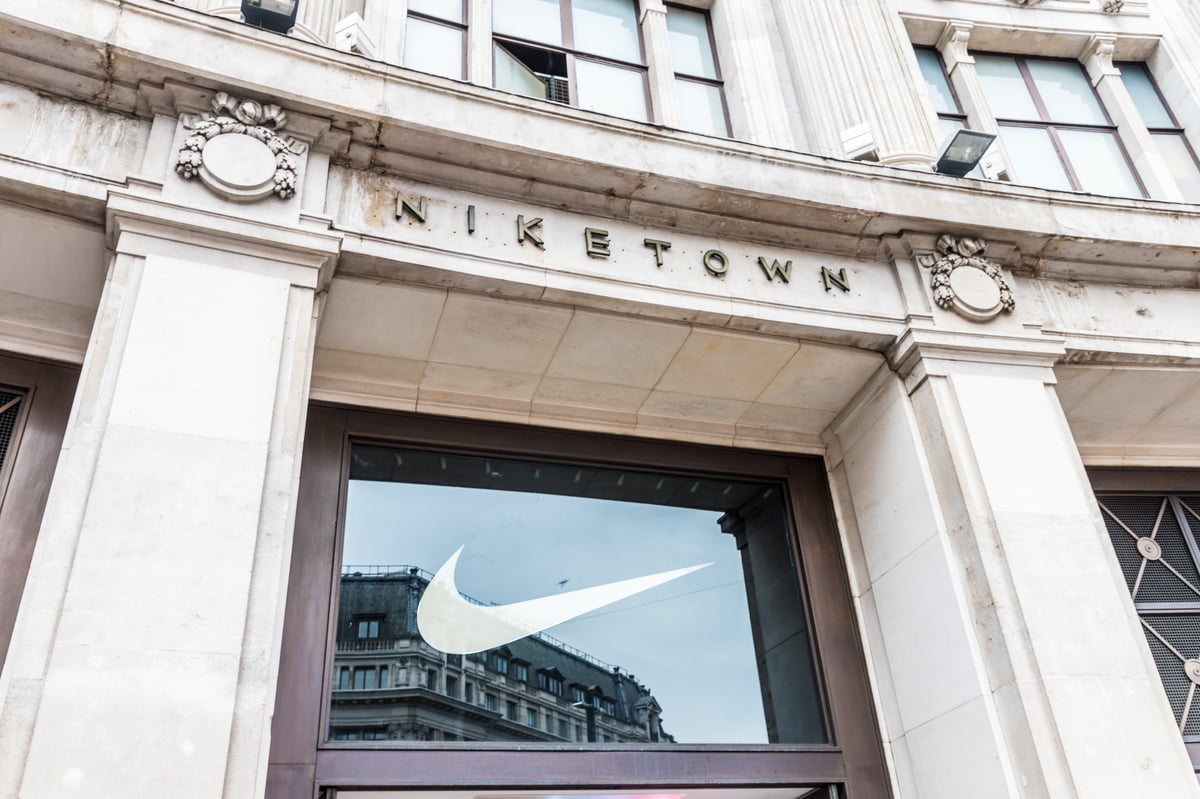
Nike's Quarterly Financial Results Disappoint Investors

- Disappointing Earnings: Nike's quarterly financial results fell short of investor expectations, leading to a decline in stock prices during afternoon trading on July 2, 2026, reflecting market concerns about the company's future growth.
- Lackluster Market Reaction: The disappointing earnings report failed to inspire investor confidence, resulting in noticeable stock price volatility post-release, indicating a sentiment of disappointment among market participants.
- Uncertain Growth Outlook: Analysts express concerns regarding Nike's future growth potential, suggesting that the company may face greater challenges in a competitive market, which could impact its long-term strategic planning.
- Investor Confidence Eroded: The negative reaction to this earnings report may lead to a decline in investor confidence in Nike, potentially affecting its stock performance and market valuation, thereby increasing uncertainty around future financial results.
See More
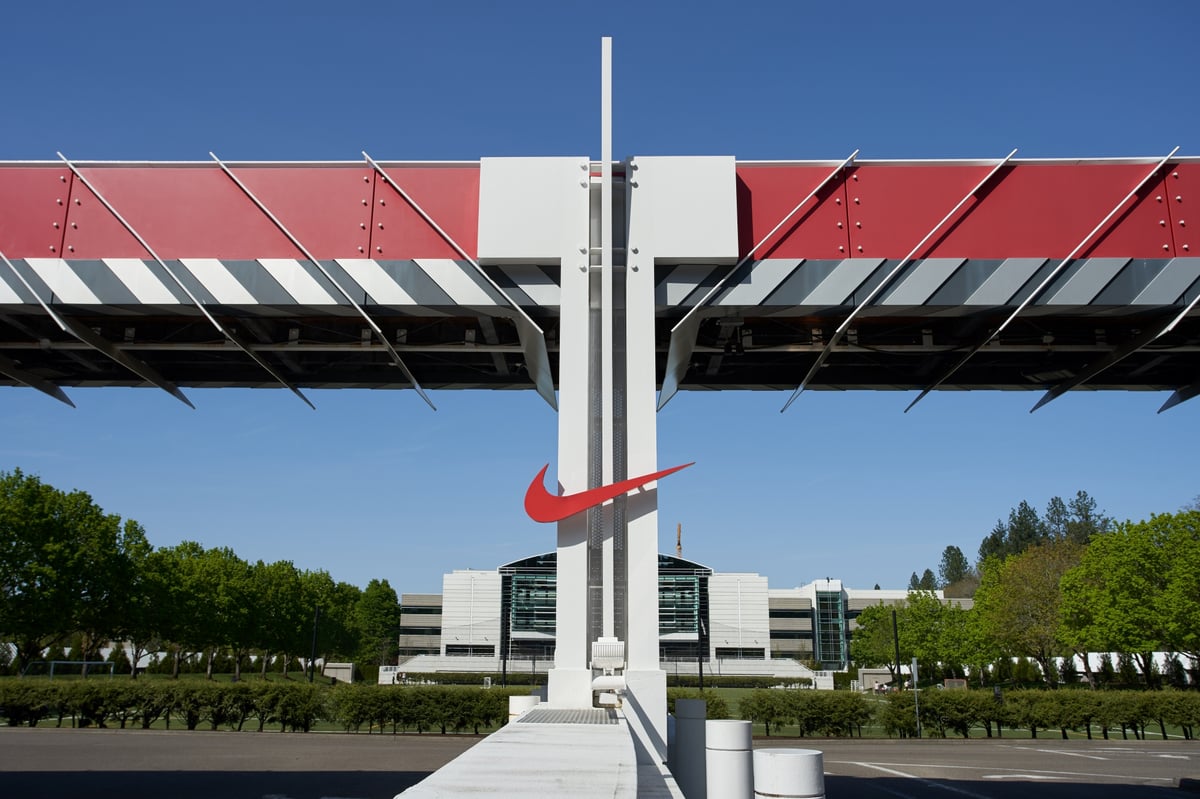
Nike Reports Better-Than-Expected Earnings Amid Ongoing Challenges
- Earnings Highlights: Nike's fourth-quarter results for the period ending May 31 showed revenues of $10.97 billion, surpassing analyst expectations of $10.86 billion, although this represented a year-over-year decline of 1%, indicating the low growth benchmark the company is facing.
- Profit Surge: Thanks to tariff refunds, Nike's net income soared from $211 million a year ago to nearly $1.1 billion, and even on an adjusted basis, the earnings per share of 20 cents exceeded expectations of 13 cents, reflecting the company's efforts in cost management.
- Market Challenges: Despite the improved earnings report, CEO Elliott Hill acknowledged a 12% decline in sales in Greater China, highlighting significant challenges the company faces during its turnaround, particularly in key markets where performance has been disappointing.
- Investment Risks: With Nike's stock down over 70% in the past five years and a forward P/E ratio of 23 indicating future earnings uncertainty, investors must carefully consider whether to buy Nike shares on weakness, especially given the unclear prospects for a successful turnaround and return to growth.
See More

Nike Reports 1% Revenue Decline in Q4 Amid Turnaround Efforts
- Revenue Performance: Nike reported fourth-quarter revenue of $10.97 billion for the period ending May 31, which, while exceeding analyst expectations of $10.86 billion, still represented a 1% year-over-year decline, highlighting the growth challenges the company faces.
- Profit Boost: The company benefited from tariff refunds, with net income soaring from $211 million a year ago to nearly $1.1 billion, although this improvement is temporary and does not mask the overall performance weakness.
- Market Challenges: CEO Elliott Hill acknowledged that despite beating expectations in the latest quarterly results, a 12% sales decline in Greater China indicates significant challenges remain in Nike's turnaround efforts.
- Investment Risks: Nike's stock is currently trading at a forward price-to-earnings ratio of 23, which may seem cheap, but given the uncertainty surrounding future earnings, investors should proceed with caution, especially as the company has yet to demonstrate substantial progress.
See More

Multiple Companies Face Dividend Cut Risks


- Dividend Cut Risks: According to Wolfe Research, several companies are at risk of cutting dividends, particularly those with high debt levels and payout ratios exceeding 80%, which could directly impact income investors' cash flow.
- Whirlpool's Dividend Suspension: Whirlpool announced in May that it would suspend its dividend to pay down debt and navigate what it termed a 'recession-level industry decline,' reflecting the company's strategy under financial pressure, which may affect shareholder confidence.
- PepsiCo's Dividend Increase: Despite increasing its dividend in June, PepsiCo, with a 4.14% yield, appeared on Wolfe's screen, and its second-quarter earnings report is expected this Thursday, with analysts maintaining an optimistic outlook, indicating market confidence in its stability.
- UPS's Turnaround Plan: United Parcel Service (UPS) currently has a 5.95% dividend yield and aims for $3 billion in annual cost savings by 2026; despite challenges, its stock has risen 11% year-to-date, reflecting market recognition of its turnaround efforts.
See More

Lululemon Faces Major Challenges and Uncertainty

- Significant Stock Decline: Lululemon's stock has plummeted nearly 45% in the first half of the year, with a current market cap of $13 billion, indicating a severe market environment and a notable decline in investor confidence.
- Weak Growth: The company's latest earnings report revealed a comparable growth rate of just 2%, starkly contrasting with its previous double-digit growth, highlighting a diminishing market appeal that necessitates effective strategic adjustments to restore growth.
- CEO Transition Challenges: New CEO Heidi O'Neill will take over in September; despite her extensive experience at Nike, Lululemon's path to transformation remains difficult, facing intense market competition and consumer pushback against high-priced items.
- Uncertain Long-Term Outlook: Although Lululemon's stock is at multi-year lows with a price-to-earnings ratio of only 9, market confidence in its ability to rebound is lacking, with expectations that a business recovery will be challenging in the short term and potential for further downside risks.
See More
Rivian's New SUV Challenges Tesla's Market Dominance


- Tesla Sales Figures: In Q2 2023, Tesla produced 451,758 vehicles and delivered 480,126, exceeding the market expectation of 406,600, yet the stock price fell, indicating concerns over its $1.5 trillion valuation.
- Rivian's New Model Launch: Rivian has introduced the mid-market SUV R2, directly targeting the Tesla Model Y, marking a strategic shift from high-end to mid-market, potentially attracting a broader consumer base.
- Shifting Competitive Landscape: With 96.9% of Tesla's sales coming from Model 3/Y, Rivian's previous focus on high-priced R1 models limited its market reach; the R2's launch allows it to compete more effectively in the larger SUV segment.
- Financial Condition Analysis: Rivian currently holds approximately $4.8 billion in cash but is expected to burn through about $9 billion before achieving positive cash flow, suggesting a need for dilutive financing in the future, increasing investor risk.
See More
Nike's Quarterly Financial Results Disappoint Investors
- Disappointing Earnings: Nike's quarterly financial results fell short of investor expectations, leading to a decline in stock prices during afternoon trading on July 2, 2026, reflecting market concerns about the company's future growth.
- Lackluster Market Reaction: The disappointing earnings report failed to inspire investor confidence, resulting in noticeable stock price volatility post-release, indicating a sentiment of disappointment among market participants.
- Uncertain Growth Outlook: Analysts express concerns regarding Nike's future growth potential, suggesting that the company may face greater challenges in a competitive market, which could impact its long-term strategic planning.
- Investor Confidence Eroded: The negative reaction to this earnings report may lead to a decline in investor confidence in Nike, potentially affecting its stock performance and market valuation, thereby increasing uncertainty around future financial results.
See More
Nike Reports Better-Than-Expected Earnings Amid Ongoing Challenges
- Earnings Highlights: Nike's fourth-quarter results for the period ending May 31 showed revenues of $10.97 billion, surpassing analyst expectations of $10.86 billion, although this represented a year-over-year decline of 1%, indicating the low growth benchmark the company is facing.
- Profit Surge: Thanks to tariff refunds, Nike's net income soared from $211 million a year ago to nearly $1.1 billion, and even on an adjusted basis, the earnings per share of 20 cents exceeded expectations of 13 cents, reflecting the company's efforts in cost management.
- Market Challenges: Despite the improved earnings report, CEO Elliott Hill acknowledged a 12% decline in sales in Greater China, highlighting significant challenges the company faces during its turnaround, particularly in key markets where performance has been disappointing.
- Investment Risks: With Nike's stock down over 70% in the past five years and a forward P/E ratio of 23 indicating future earnings uncertainty, investors must carefully consider whether to buy Nike shares on weakness, especially given the unclear prospects for a successful turnaround and return to growth.
See More
Nike Reports 1% Revenue Decline in Q4 Amid Turnaround Efforts
- Revenue Performance: Nike reported fourth-quarter revenue of $10.97 billion for the period ending May 31, which, while exceeding analyst expectations of $10.86 billion, still represented a 1% year-over-year decline, highlighting the growth challenges the company faces.
- Profit Boost: The company benefited from tariff refunds, with net income soaring from $211 million a year ago to nearly $1.1 billion, although this improvement is temporary and does not mask the overall performance weakness.
- Market Challenges: CEO Elliott Hill acknowledged that despite beating expectations in the latest quarterly results, a 12% sales decline in Greater China indicates significant challenges remain in Nike's turnaround efforts.
- Investment Risks: Nike's stock is currently trading at a forward price-to-earnings ratio of 23, which may seem cheap, but given the uncertainty surrounding future earnings, investors should proceed with caution, especially as the company has yet to demonstrate substantial progress.
See More
Multiple Companies Face Dividend Cut Risks
- Dividend Cut Risks: According to Wolfe Research, several companies are at risk of cutting dividends, particularly those with high debt levels and payout ratios exceeding 80%, which could directly impact income investors' cash flow.
- Whirlpool's Dividend Suspension: Whirlpool announced in May that it would suspend its dividend to pay down debt and navigate what it termed a 'recession-level industry decline,' reflecting the company's strategy under financial pressure, which may affect shareholder confidence.
- PepsiCo's Dividend Increase: Despite increasing its dividend in June, PepsiCo, with a 4.14% yield, appeared on Wolfe's screen, and its second-quarter earnings report is expected this Thursday, with analysts maintaining an optimistic outlook, indicating market confidence in its stability.
- UPS's Turnaround Plan: United Parcel Service (UPS) currently has a 5.95% dividend yield and aims for $3 billion in annual cost savings by 2026; despite challenges, its stock has risen 11% year-to-date, reflecting market recognition of its turnaround efforts.
See More
Lululemon Faces Major Challenges and Uncertainty
- Significant Stock Decline: Lululemon's stock has plummeted nearly 45% in the first half of the year, with a current market cap of $13 billion, indicating a severe market environment and a notable decline in investor confidence.
- Weak Growth: The company's latest earnings report revealed a comparable growth rate of just 2%, starkly contrasting with its previous double-digit growth, highlighting a diminishing market appeal that necessitates effective strategic adjustments to restore growth.
- CEO Transition Challenges: New CEO Heidi O'Neill will take over in September; despite her extensive experience at Nike, Lululemon's path to transformation remains difficult, facing intense market competition and consumer pushback against high-priced items.
- Uncertain Long-Term Outlook: Although Lululemon's stock is at multi-year lows with a price-to-earnings ratio of only 9, market confidence in its ability to rebound is lacking, with expectations that a business recovery will be challenging in the short term and potential for further downside risks.
See More
Rivian's New SUV Challenges Tesla's Market Dominance
- Tesla Sales Figures: In Q2 2023, Tesla produced 451,758 vehicles and delivered 480,126, exceeding the market expectation of 406,600, yet the stock price fell, indicating concerns over its $1.5 trillion valuation.
- Rivian's New Model Launch: Rivian has introduced the mid-market SUV R2, directly targeting the Tesla Model Y, marking a strategic shift from high-end to mid-market, potentially attracting a broader consumer base.
- Shifting Competitive Landscape: With 96.9% of Tesla's sales coming from Model 3/Y, Rivian's previous focus on high-priced R1 models limited its market reach; the R2's launch allows it to compete more effectively in the larger SUV segment.
- Financial Condition Analysis: Rivian currently holds approximately $4.8 billion in cash but is expected to burn through about $9 billion before achieving positive cash flow, suggesting a need for dilutive financing in the future, increasing investor risk.
See More