8 Stocks to Consider Following Trump's Landmark $1.5 Trillion Defense Proposal
Written by Emily J. Thompson, Senior Investment Analyst
Updated: Apr 06 2026
0mins

Source: Barron's
Trump's 2027 Budget Request: President Donald Trump's budget request for 2027 is expected to positively impact defense stocks.
Industry Variability: The benefits of the budget request will vary across different sectors within the defense industry.
Trade with 70% Backtested Accuracy
Stop guessing "Should I Buy LMT?" and start using high-conviction signals backed by rigorous historical data.
Sign up today to access powerful investing tools and make smarter, data-driven decisions.
Analyst Views on LMT
Wall Street analysts forecast LMT stock price to fall
12 Analyst Rating
4 Buy
7 Hold
1 Sell
Hold
Current: 538.000

Low
430.00
Averages
535.50
High
605.00
Current: 538.000
Low
430.00
Averages
535.50
High
605.00
About LMT
Lockheed Martin Corporation is an aerospace and defense technology company. The Company's segments include Aeronautics, Missiles and Fire Control (MFC), Rotary and Mission Systems (RMS) and Space. The Aeronautics segment is engaged in research, design, development, manufacture, integration, sustainment, support and upgrade of advanced military aircraft, including combat and air mobility aircraft, unmanned air vehicles and related technologies. The MFC segment provides air and missile defense systems; tactical missiles and precision strike weapon systems; logistics; fire control systems; engineering support and integration services. The RMS segment designs, manufactures, services and supports various military and commercial helicopters, sea and land-based missile defense systems. The Space segment is engaged in the research and design, development, engineering and production of satellites, space transportation systems, and strategic, advanced strike, and defensive systems.
About the author

Emily J. Thompson
Emily J. Thompson, a Chartered Financial Analyst (CFA) with 12 years in investment research, graduated with honors from the Wharton School. Specializing in industrial and technology stocks, she provides in-depth analysis for Intellectia’s earnings and market brief reports.
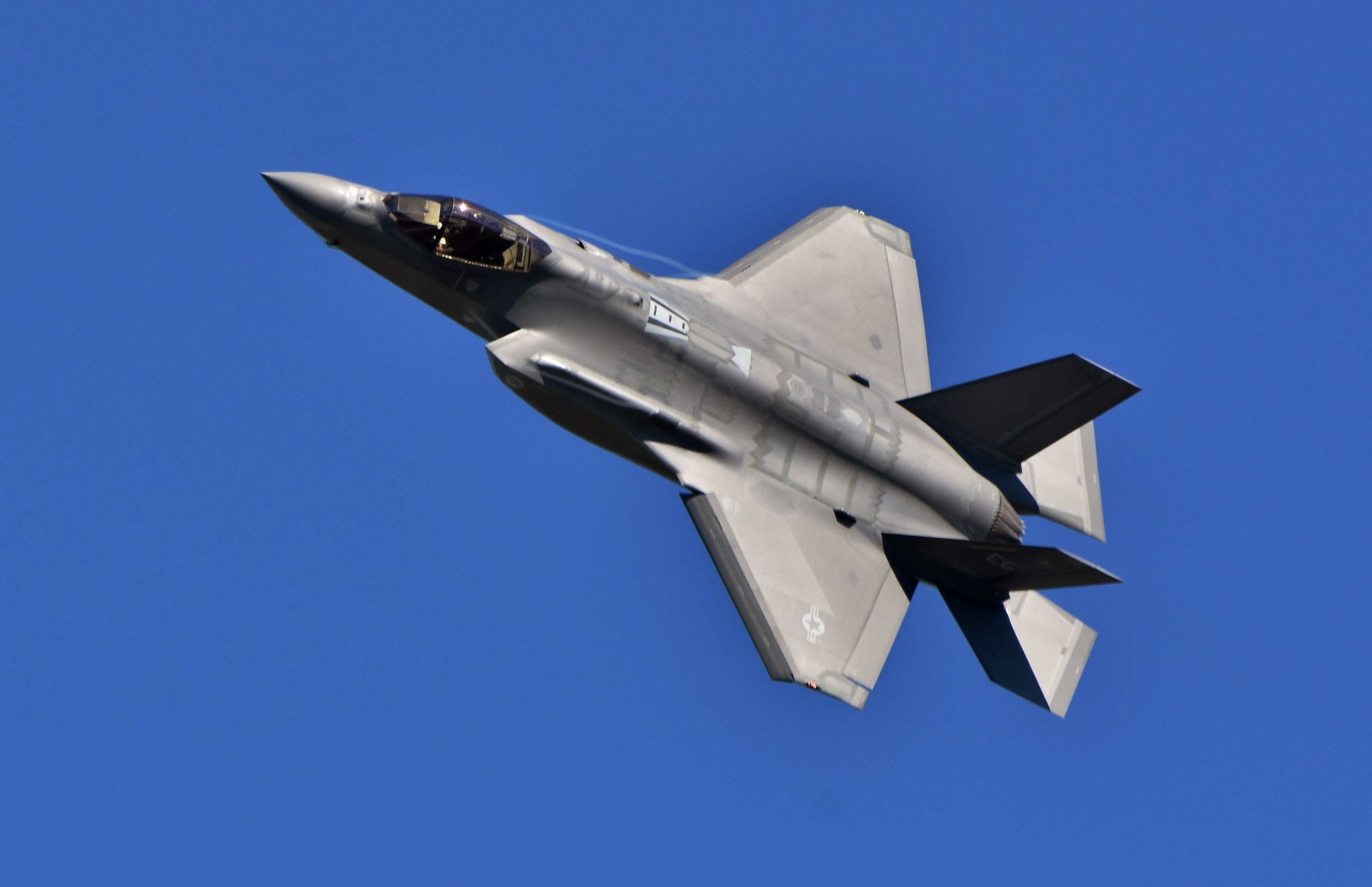
Trump Considers Lifting Sanctions on Turkey Over F-35 Deal

- Sanctions Lift Plan: Trump announced plans to lift sanctions imposed in 2017 due to Turkey's purchase of Russian defense missiles, a move that could improve U.S.-Turkey relations and pave the way for future military cooperation.
- F-35 Sales Possibility: Trump mentioned considering reversing the ban on Turkey's purchase of F-35 fighter jets, which could not only enhance Turkey's military capabilities but also impact U.S. relations with NATO allies.
- International Opposition: While Trump's proposal may bolster Turkey's military, critics warn that the Russian system poses a threat to NATO aircraft, potentially provoking opposition from countries like Israel and Greece.
- Defense Industry Impact: The F-35's production involves several U.S. defense firms, including Lockheed Martin and Northrop Grumman, and Turkey's potential procurement could positively influence the market outlook for these companies.
See More
Lockheed Martin Secures $607.4M in New U.S. Defense Contracts
- Significant Contract Value: Lockheed Martin has secured two new U.S. defense contracts worth a total of $607.4 million, reinforcing its position in long-term military programs and indicating sustained growth in defense spending.
- Military System Support: The larger award is a $502.4 million cost-no-fee contract for post-production support of the Modernized Target Acquisition Designation Sight/Pilot Night Vision Sight systems used on AH-64 Apache helicopters, expected to continue through July 2031, ensuring the operational readiness of critical military equipment.
- GPS Upgrade Project: The second contract is a $105 million firm-fixed-price task order aimed at upgrading the GPS control segment, adding command-and-control capabilities for next-generation GPS III Follow-On satellites, scheduled for completion by December 2030, which enhances U.S. navigation capabilities.
- Funding Assurance: The GPS contract was awarded with $10.1 million in fiscal 2026 research, development, test, and evaluation funding obligated at the time of award, highlighting the government's commitment to the project and its strategic importance in national defense.
See More
UBS Recommends Low Volatility Stocks to Stabilize Portfolios


- Strong Market Performance: The S&P 500 index rose 9.6% in the first half of 2026, achieving nearly a 15% increase in the second quarter, marking its best quarterly performance since 2020, despite investors facing turbulence including the onset of the Iran war.
- Low Volatility Stock Recommendations: UBS highlights the lagging performance of low volatility stocks as capital has concentrated in AI-driven sectors, suggesting investors focus on high-quality companies with resilient fundamentals and attractive valuations to mitigate portfolio swings.
- Positive Outlook for Yum Brands: The parent company of Taco Bell and KFC, Yum Brands, is expected to achieve its highest cash flow return on investment by 2027, with plans for international expansion and a KFC loyalty program driving topline growth, and its stock has risen over 10% this year.
- Significant Potential for Lockheed Martin: While UBS maintains a neutral stance on Lockheed Martin, it anticipates a positive reaction to its upcoming second-quarter earnings report, with a $35 billion defense contract potentially boosting 2026 performance, and the stock has increased by about 10%.
See More
Lockheed Martin and Rheinmetall Sign Missile Production Agreement
- Joint Missile Production: Lockheed Martin and Rheinmetall have signed a memorandum of understanding to jointly produce ATACMS missiles in Germany, marking the first time this U.S.-developed weapon will be manufactured in Europe, which is expected to enhance NATO and allied European defense capabilities.
- Production Facility: The production will take place at Rheinmetall's Unterluess facility in Germany, one of its largest sites for weapon systems, ammunition, and tracked vehicles, with production expected to begin as early as next year, further strengthening Europe's military manufacturing capacity.
- Technological Collaboration: By combining Lockheed Martin's missile expertise with Rheinmetall's manufacturing excellence, the partnership aims to deliver combat-proven capabilities to allies more quickly and efficiently, addressing the growing defense needs in Europe.
- Market Opportunities: This collaboration positions Lockheed Martin to benefit from European defense budgets, particularly as countries seek to replenish weapon stockpiles following the diversion of military hardware to Ukraine, while Rheinmetall gains direct access to U.S. technology, enhancing its competitiveness in the international market.
See More
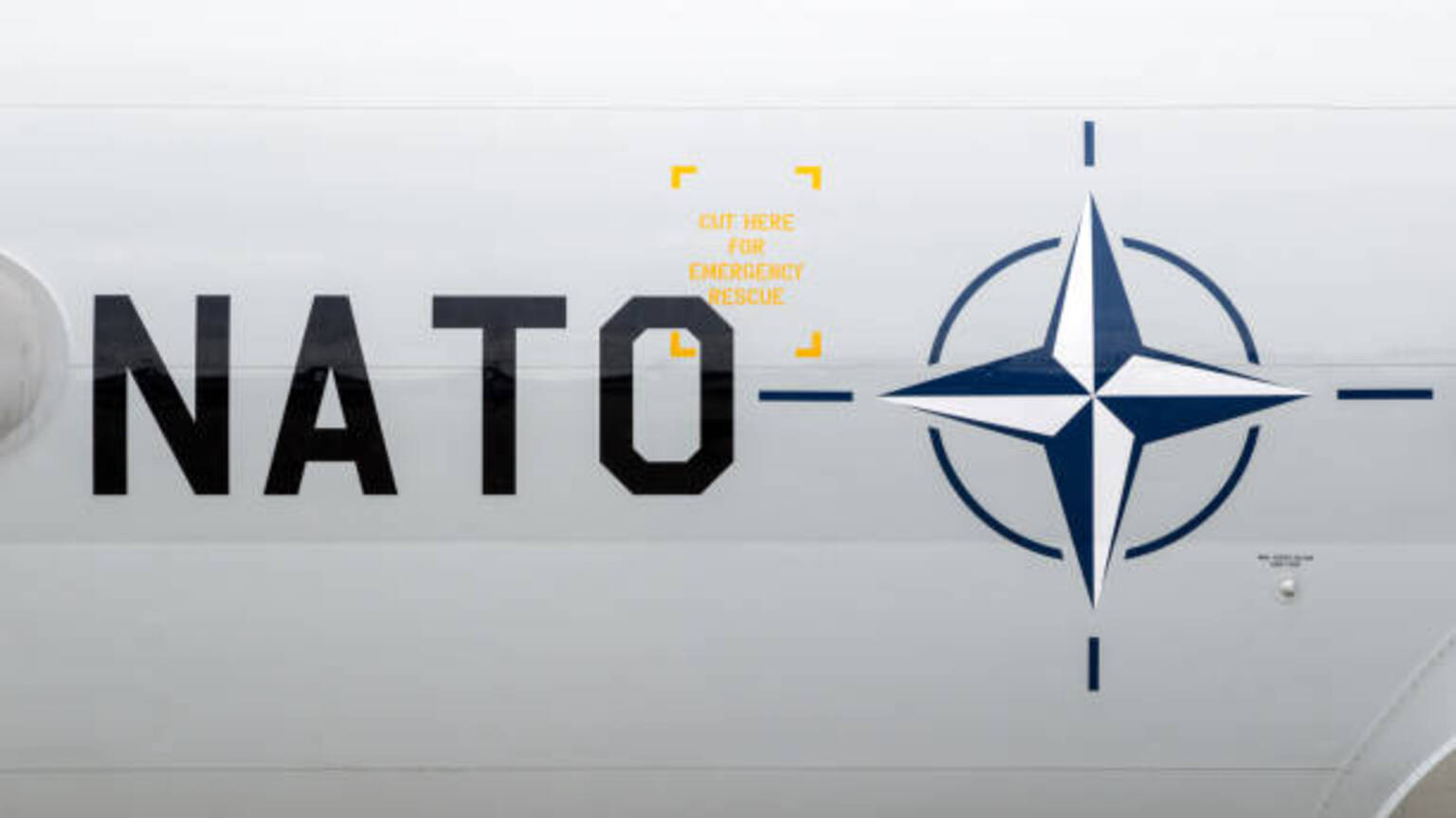
NATO Summit Looms with High Tensions as Trump Pressures Allies

- NATO Summit Context: Leaders of NATO nations are set to meet in Ankara, Turkey, on Tuesday and Wednesday, amidst unprecedented tensions under President Trump, which include disputes over defense spending quotas and military commitments.
- U.S. Military Adjustments: The U.S. has announced the withdrawal of 5,000 active-duty troops from Germany and the cancellation of scheduled air and naval deployments, indicating a potential reduction in support for NATO and impacting European security dynamics.
- Defense Investment Commitments: Should the summit proceed positively, a joint declaration from European nations and Canada is expected to emphasize increased core defense investments and greater responsibility for NATO security, ensuring a fair deal for the U.S.
- Turkey's F-35 Program Status: Turkey may finally gain U.S. approval to rejoin the F-35 stealth fighter program, although negotiations regarding its Russian S-400 air defense system will be crucial, affecting NATO's overall military capabilities.
See More
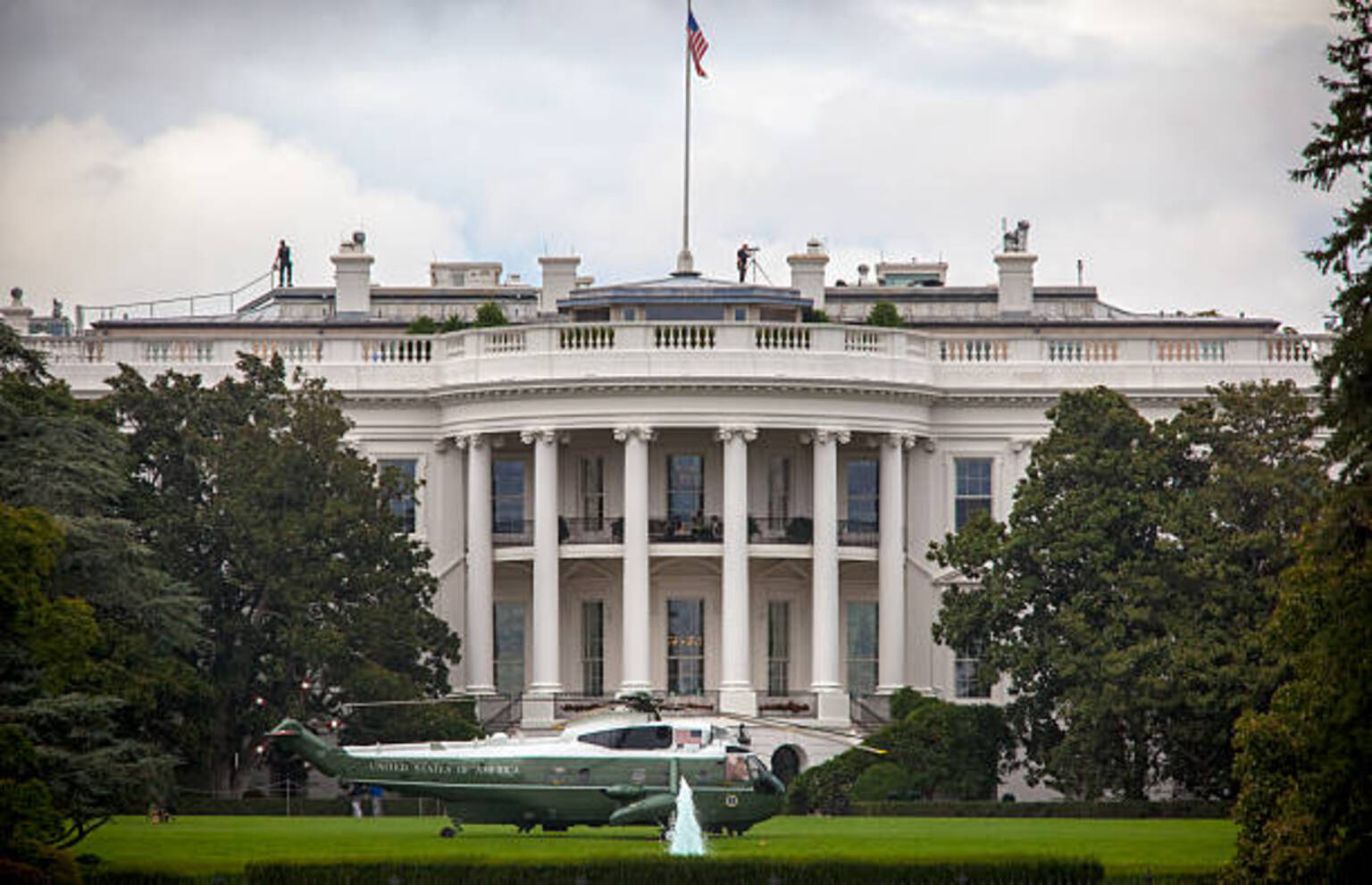
Trump Announces New Helipad Construction on White House South Lawn
- Construction Investment: Sikorsky will invest approximately $5 million to $6 million in building a new helipad on the White House South Lawn to address damage caused by existing helicopter landings, reflecting the company's commitment to maintaining the White House environment.
- Design Features: The new helipad will feature the White House seal carved in granite, which can withstand 35,000 pounds per square inch and has a lifespan exceeding one million uses, demonstrating a focus on both durability and aesthetics.
- Multipurpose Use: Trump noted that the helipad could serve other functions when helicopters are not landing, such as hosting news conferences, thereby enhancing the functionality and utilization of the South Lawn for public events.
- Compliance Commitment: Lockheed Martin emphasized that this donation adheres to rigorous ethics and compliance standards, ensuring that its engagement with the federal government is fully compliant with all applicable laws and regulations, showcasing the company's social responsibility and transparency.
See More
Trump Considers Lifting Sanctions on Turkey Over F-35 Deal
- Sanctions Lift Plan: Trump announced plans to lift sanctions imposed in 2017 due to Turkey's purchase of Russian defense missiles, a move that could improve U.S.-Turkey relations and pave the way for future military cooperation.
- F-35 Sales Possibility: Trump mentioned considering reversing the ban on Turkey's purchase of F-35 fighter jets, which could not only enhance Turkey's military capabilities but also impact U.S. relations with NATO allies.
- International Opposition: While Trump's proposal may bolster Turkey's military, critics warn that the Russian system poses a threat to NATO aircraft, potentially provoking opposition from countries like Israel and Greece.
- Defense Industry Impact: The F-35's production involves several U.S. defense firms, including Lockheed Martin and Northrop Grumman, and Turkey's potential procurement could positively influence the market outlook for these companies.
See More
Lockheed Martin Secures $607.4M in New U.S. Defense Contracts
- Significant Contract Value: Lockheed Martin has secured two new U.S. defense contracts worth a total of $607.4 million, reinforcing its position in long-term military programs and indicating sustained growth in defense spending.
- Military System Support: The larger award is a $502.4 million cost-no-fee contract for post-production support of the Modernized Target Acquisition Designation Sight/Pilot Night Vision Sight systems used on AH-64 Apache helicopters, expected to continue through July 2031, ensuring the operational readiness of critical military equipment.
- GPS Upgrade Project: The second contract is a $105 million firm-fixed-price task order aimed at upgrading the GPS control segment, adding command-and-control capabilities for next-generation GPS III Follow-On satellites, scheduled for completion by December 2030, which enhances U.S. navigation capabilities.
- Funding Assurance: The GPS contract was awarded with $10.1 million in fiscal 2026 research, development, test, and evaluation funding obligated at the time of award, highlighting the government's commitment to the project and its strategic importance in national defense.
See More
UBS Recommends Low Volatility Stocks to Stabilize Portfolios
- Strong Market Performance: The S&P 500 index rose 9.6% in the first half of 2026, achieving nearly a 15% increase in the second quarter, marking its best quarterly performance since 2020, despite investors facing turbulence including the onset of the Iran war.
- Low Volatility Stock Recommendations: UBS highlights the lagging performance of low volatility stocks as capital has concentrated in AI-driven sectors, suggesting investors focus on high-quality companies with resilient fundamentals and attractive valuations to mitigate portfolio swings.
- Positive Outlook for Yum Brands: The parent company of Taco Bell and KFC, Yum Brands, is expected to achieve its highest cash flow return on investment by 2027, with plans for international expansion and a KFC loyalty program driving topline growth, and its stock has risen over 10% this year.
- Significant Potential for Lockheed Martin: While UBS maintains a neutral stance on Lockheed Martin, it anticipates a positive reaction to its upcoming second-quarter earnings report, with a $35 billion defense contract potentially boosting 2026 performance, and the stock has increased by about 10%.
See More
Lockheed Martin and Rheinmetall Sign Missile Production Agreement
- Joint Missile Production: Lockheed Martin and Rheinmetall have signed a memorandum of understanding to jointly produce ATACMS missiles in Germany, marking the first time this U.S.-developed weapon will be manufactured in Europe, which is expected to enhance NATO and allied European defense capabilities.
- Production Facility: The production will take place at Rheinmetall's Unterluess facility in Germany, one of its largest sites for weapon systems, ammunition, and tracked vehicles, with production expected to begin as early as next year, further strengthening Europe's military manufacturing capacity.
- Technological Collaboration: By combining Lockheed Martin's missile expertise with Rheinmetall's manufacturing excellence, the partnership aims to deliver combat-proven capabilities to allies more quickly and efficiently, addressing the growing defense needs in Europe.
- Market Opportunities: This collaboration positions Lockheed Martin to benefit from European defense budgets, particularly as countries seek to replenish weapon stockpiles following the diversion of military hardware to Ukraine, while Rheinmetall gains direct access to U.S. technology, enhancing its competitiveness in the international market.
See More
NATO Summit Looms with High Tensions as Trump Pressures Allies
- NATO Summit Context: Leaders of NATO nations are set to meet in Ankara, Turkey, on Tuesday and Wednesday, amidst unprecedented tensions under President Trump, which include disputes over defense spending quotas and military commitments.
- U.S. Military Adjustments: The U.S. has announced the withdrawal of 5,000 active-duty troops from Germany and the cancellation of scheduled air and naval deployments, indicating a potential reduction in support for NATO and impacting European security dynamics.
- Defense Investment Commitments: Should the summit proceed positively, a joint declaration from European nations and Canada is expected to emphasize increased core defense investments and greater responsibility for NATO security, ensuring a fair deal for the U.S.
- Turkey's F-35 Program Status: Turkey may finally gain U.S. approval to rejoin the F-35 stealth fighter program, although negotiations regarding its Russian S-400 air defense system will be crucial, affecting NATO's overall military capabilities.
See More
Trump Announces New Helipad Construction on White House South Lawn
- Construction Investment: Sikorsky will invest approximately $5 million to $6 million in building a new helipad on the White House South Lawn to address damage caused by existing helicopter landings, reflecting the company's commitment to maintaining the White House environment.
- Design Features: The new helipad will feature the White House seal carved in granite, which can withstand 35,000 pounds per square inch and has a lifespan exceeding one million uses, demonstrating a focus on both durability and aesthetics.
- Multipurpose Use: Trump noted that the helipad could serve other functions when helicopters are not landing, such as hosting news conferences, thereby enhancing the functionality and utilization of the South Lawn for public events.
- Compliance Commitment: Lockheed Martin emphasized that this donation adheres to rigorous ethics and compliance standards, ensuring that its engagement with the federal government is fully compliant with all applicable laws and regulations, showcasing the company's social responsibility and transparency.
See More