3 Strategies to Calm Stock Market Anxiety Ahead of Key Jobs Report
Written by Emily J. Thompson, Senior Investment Analyst
Updated: Feb 09 2026
0mins


Should l Buy PEP?
Source: Barron's
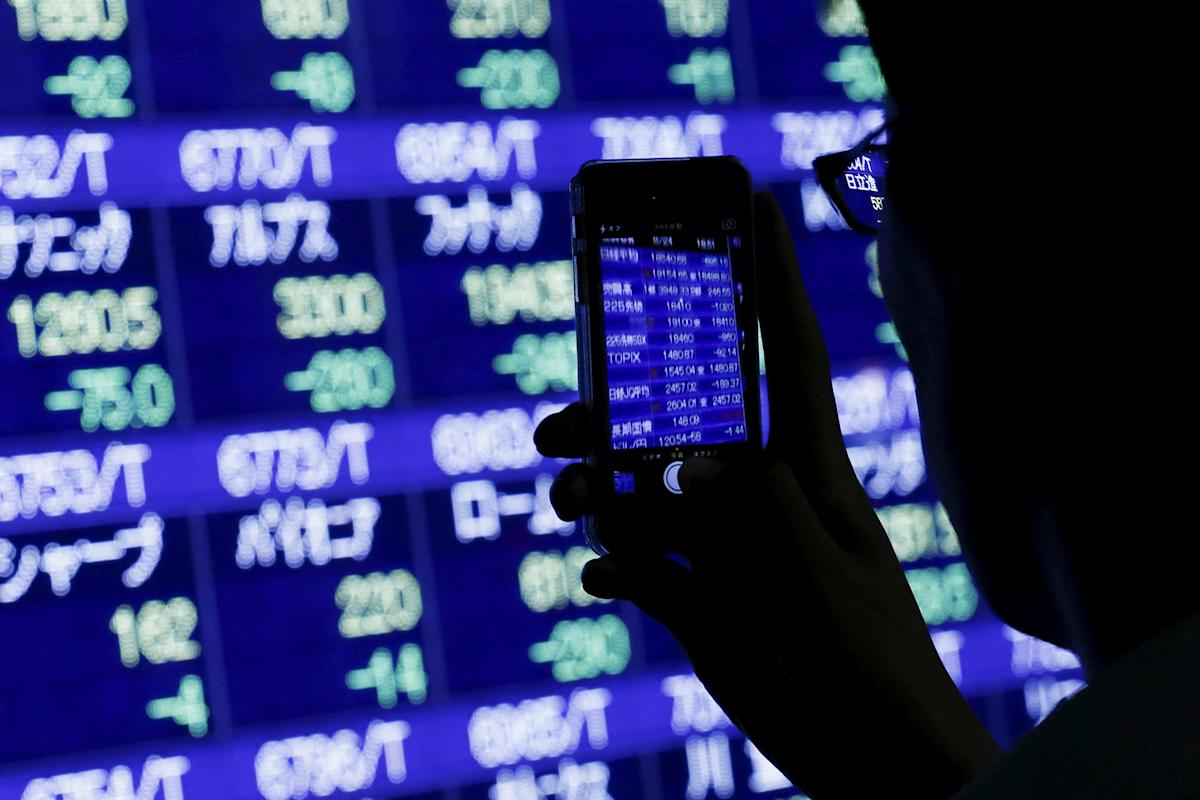
Stock Market Outlook: The Super Bowl Indicator suggests a positive year for the stock market, particularly following the Seattle Seahawks' victory.
Investor Sentiment: Even skeptics of the Super Bowl Indicator can find reasons for optimism as the market approaches a significant January jobs report.
Trade with 70% Backtested Accuracy
Stop guessing "Should I Buy PEP?" and start using high-conviction signals backed by rigorous historical data.
Sign up today to access powerful investing tools and make smarter, data-driven decisions.
Analyst Views on PEP
Wall Street analysts forecast PEP stock price to rise
12 Analyst Rating
6 Buy
6 Hold
0 Sell
Moderate Buy
Current: 155.960

Low
144.00
Averages
161.90
High
172.00
Current: 155.960
Low
144.00
Averages
161.90
High
172.00
About PEP
PepsiCo, Inc. is a global beverage and convenient food company. The Company’s segments include PepsiCo Foods North America (PFNA), PepsiCo Beverages North America (PBNA), International Beverages Franchise (IB Franchise), Europe, Middle East and Africa (EMEA), Latin America Foods (LatAm Foods), and Asia Pacific Foods. PFNA segment includes all of its convenient food businesses in the United States and Canada. PBNA segment includes all of its beverage businesses in the United States and Canada. IB Franchise segment includes its international franchise beverage businesses, as well as its SodaStream business. EMEA segment includes its convenient food businesses and beverage businesses with Company-owned bottlers in Europe, the Middle East and Africa. LatAm Foods segment includes all of its convenient food businesses in Latin America. Asia Pacific Foods segment consists of its convenient food businesses in Asia Pacific, including China, Australia and New Zealand, as well as India.
About the author

Emily J. Thompson
Emily J. Thompson, a Chartered Financial Analyst (CFA) with 12 years in investment research, graduated with honors from the Wharton School. Specializing in industrial and technology stocks, she provides in-depth analysis for Intellectia’s earnings and market brief reports.

DoorDash's Revenue Miss Doesn't Detract from Strong Growth Story

- Significant Revenue Growth: DoorDash's Q1 revenue increased by 33% year-over-year to $4.04 billion, largely driven by the acquisition of Deliveroo, showcasing the company's strong performance in market expansion.
- Order Volume Surge: Total orders rose by 27% to 933 million, with marketplace gross order value jumping 37% to $31.6 billion, indicating that the company is not only adding orders but also capturing larger ones, particularly in the fast-growing grocery and retail categories.
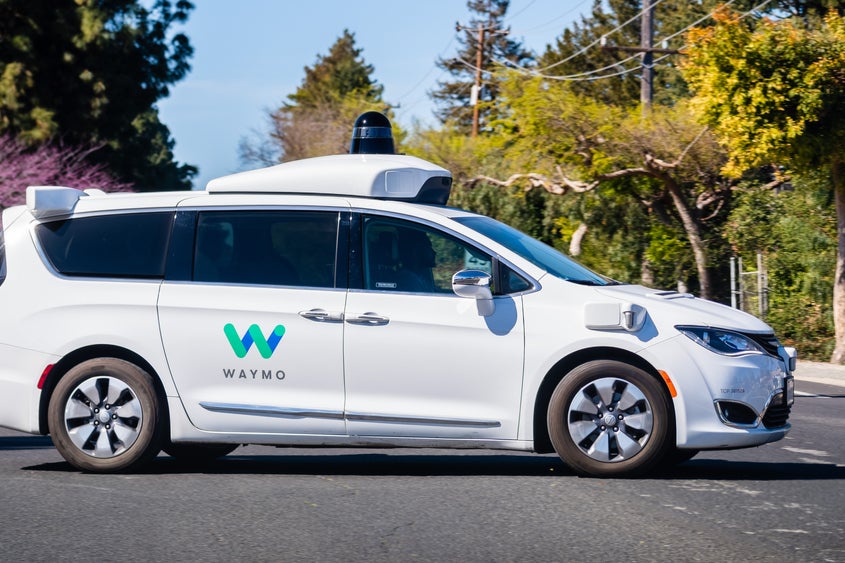
- Profit Pressure Intensifies: Despite revenue growth, diluted EPS fell from $0.44 to $0.42, primarily due to integration costs from Deliveroo and ongoing investments in autonomous delivery, highlighting the profit pressures faced during expansion.
- Optimistic Future Outlook: Management maintained its full-year outlook, expecting modest margin gains, although heavy investment will continue, indicating the company's need to prove that these investments can translate into operational leverage.
See More
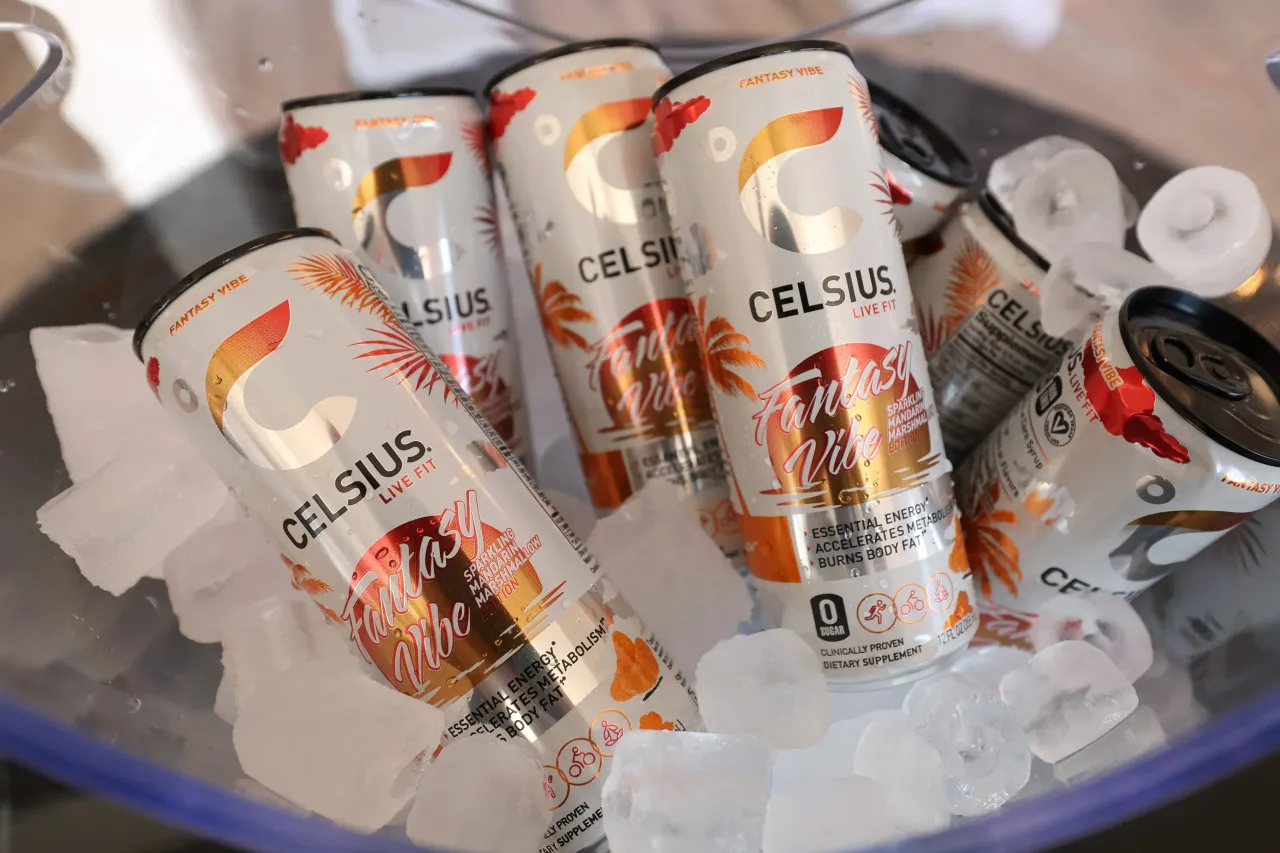
Celsius Reports Record Q1 Earnings, Sales Surge

- Significant Revenue Growth: Celsius reported a 138% year-on-year increase in Q1 revenue to $783 million, surpassing Wall Street's expectations of $761 million, indicating strong market performance.
- Doubling of EPS: The company's earnings per share (EPS) surged 128% from $0.18 to $0.41 year-on-year, exceeding market expectations of $0.28, reflecting a substantial improvement in profitability.
- Record Sales for Alani Nu: Celsius's energy drink brand Alani Nu achieved record sales of $368 million in Q1, accounting for about half of the company's total sales, benefiting from its integration into PepsiCo's distribution system.
- Strong International Performance: Celsius's international revenue soared 55% year-on-year to $35.3 million, primarily driven by growth in the Nordics, showcasing the company's potential in global expansion.
See More
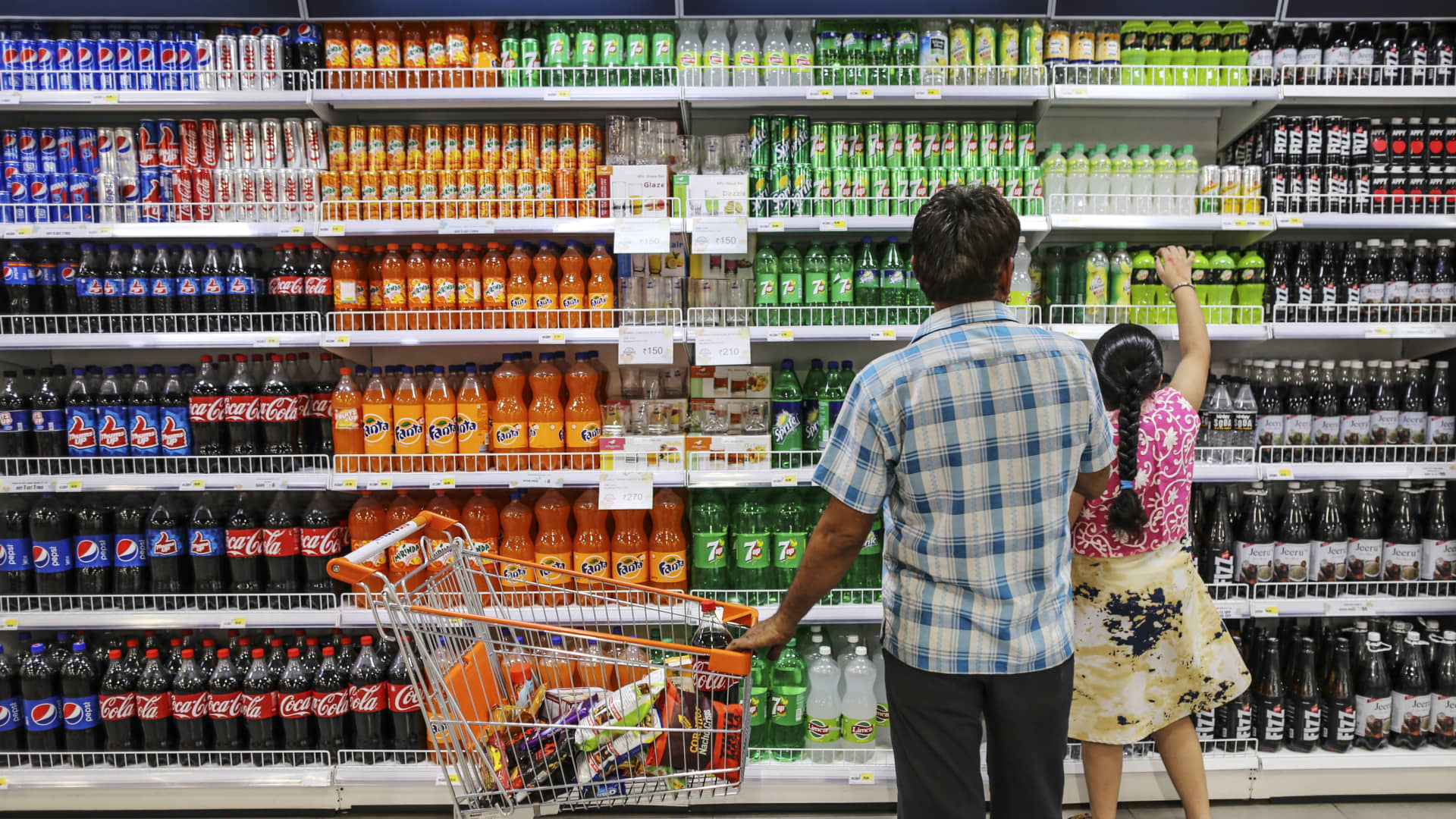
Social Media Influencers Transform India's Food and Beverage Market

- Health Beverage Transformation: PepsiCo reports that over 50% of its beverage portfolio in India consists of low- to no-sugar options, with plans to increase this to 90%, reflecting a significant shift towards healthier consumer preferences in the market.
- Consumer Awareness Rise: Social media influencers are urging consumers to read labels, leading brands like Dabur and Mondelez to reduce sugar content; Dabur has cut sugar by 21% in its juices by 2023 and aims for an additional 20% reduction, highlighting the strong demand for healthier products.
- Rise of D2C Brands: The growth of social media is facilitating the rise of direct-to-consumer brands in India, posing a threat to traditional companies that fail to adapt, as experts indicate this trend will be a crucial lever for future personal care and food brands.
- Strengthened Food Safety Regulations: India's food safety regulator has banned certain beverages from using
See More
PepsiCo Declares 4% Increase in Quarterly Dividend
- Quarterly Dividend Increase: PepsiCo's Board of Directors declared a quarterly dividend of $1.48 per share, representing a 4% increase compared to the same period last year, indicating the company's enhanced ability to return value to shareholders based on sustained profitability.
- Annual Dividend Growth: This dividend increase aligns with the company's annualized dividend rising from $5.69 to $5.92, expected to be paid in June 2026, reflecting stable cash flow and profitability.
- Consistent Dividend Record: PepsiCo has paid consecutive quarterly cash dividends since 1965, with 2026 marking the 54th consecutive annual dividend increase, demonstrating strong financial health and commitment to shareholders.
- Global Market Impact: PepsiCo generated nearly $94 billion in net revenue in 2025, driven by its diverse beverage and convenient foods portfolio, further solidifying its leadership position in the global market and showcasing the strong appeal and competitiveness of its brands.
See More

Ideal Stocks for Retirees to Consider


- REIT Stability: Realty Income, a leading real estate investment trust, boasts over 1,700 clients with a nearly 99% occupancy rate, ensuring a stable income stream, while its 5.1% dividend yield makes it attractive for risk-averse retirees looking for reliable long-term investments.
- PepsiCo's Resilience: With net income exceeding $8 billion annually for the past four years and a dividend yield of 3.67% significantly above the S&P 500's 1.1%, PepsiCo offers solid stability for retirees, despite its slower growth trajectory.
- Chevron's Inflation Hedge: Chevron's stock has surged 26% this year, demonstrating strong performance amid inflation, with a remarkable 53% increase over the past year, and a beta of 0.50 indicates low correlation with market volatility, making it a suitable choice for retirees seeking risk mitigation.
- Long-Term Dividend Growth: All three stocks have a history of consistent dividend increases, with Realty Income and Chevron raising dividends for 39 years and decades respectively, highlighting their financial robustness and appeal to retirement investors.
See More

Investment Analysis of Coca-Cola vs. PepsiCo

- Market Growth Potential: According to Grand View Research, the global snack market is projected to grow from approximately $720 billion in 2024 to $922 billion by 2030, with PepsiCo's snack division contributing 58% of the company's net revenue in 2025, indicating strong market demand and growth potential.
- Strong Financial Performance: PepsiCo reported an 8.5% increase in net revenue, a 24% surge in operating profit, and a 27% rise in earnings per share in Q1 2026, demonstrating the company's ability to maintain robust profitability in a competitive market.
- Coca-Cola's Innovation: Coca-Cola's Q1 2026 results showed a 13% increase in sales volume for Coca-Cola Zero Sugar, alongside the launch of Sprite prebiotic aimed at digestive health, highlighting its success in beverage innovation that is expected to drive future revenue growth.
- Dividend Payment Comparison: While PepsiCo offers a higher dividend yield of 3.6% compared to Coca-Cola's 2.7%, Coca-Cola typically enjoys a higher operating margin, making its dividend payments more sustainable; Coca-Cola has increased its dividend for 64 consecutive years, reflecting its stable financial health.
See More
DoorDash's Revenue Miss Doesn't Detract from Strong Growth Story
- Significant Revenue Growth: DoorDash's Q1 revenue increased by 33% year-over-year to $4.04 billion, largely driven by the acquisition of Deliveroo, showcasing the company's strong performance in market expansion.
- Order Volume Surge: Total orders rose by 27% to 933 million, with marketplace gross order value jumping 37% to $31.6 billion, indicating that the company is not only adding orders but also capturing larger ones, particularly in the fast-growing grocery and retail categories.
- Profit Pressure Intensifies: Despite revenue growth, diluted EPS fell from $0.44 to $0.42, primarily due to integration costs from Deliveroo and ongoing investments in autonomous delivery, highlighting the profit pressures faced during expansion.
- Optimistic Future Outlook: Management maintained its full-year outlook, expecting modest margin gains, although heavy investment will continue, indicating the company's need to prove that these investments can translate into operational leverage.
See More
Celsius Reports Record Q1 Earnings, Sales Surge
- Significant Revenue Growth: Celsius reported a 138% year-on-year increase in Q1 revenue to $783 million, surpassing Wall Street's expectations of $761 million, indicating strong market performance.
- Doubling of EPS: The company's earnings per share (EPS) surged 128% from $0.18 to $0.41 year-on-year, exceeding market expectations of $0.28, reflecting a substantial improvement in profitability.
- Record Sales for Alani Nu: Celsius's energy drink brand Alani Nu achieved record sales of $368 million in Q1, accounting for about half of the company's total sales, benefiting from its integration into PepsiCo's distribution system.
- Strong International Performance: Celsius's international revenue soared 55% year-on-year to $35.3 million, primarily driven by growth in the Nordics, showcasing the company's potential in global expansion.
See More
Social Media Influencers Transform India's Food and Beverage Market
- Health Beverage Transformation: PepsiCo reports that over 50% of its beverage portfolio in India consists of low- to no-sugar options, with plans to increase this to 90%, reflecting a significant shift towards healthier consumer preferences in the market.
- Consumer Awareness Rise: Social media influencers are urging consumers to read labels, leading brands like Dabur and Mondelez to reduce sugar content; Dabur has cut sugar by 21% in its juices by 2023 and aims for an additional 20% reduction, highlighting the strong demand for healthier products.
- Rise of D2C Brands: The growth of social media is facilitating the rise of direct-to-consumer brands in India, posing a threat to traditional companies that fail to adapt, as experts indicate this trend will be a crucial lever for future personal care and food brands.
- Strengthened Food Safety Regulations: India's food safety regulator has banned certain beverages from using
See More
PepsiCo Declares 4% Increase in Quarterly Dividend
- Quarterly Dividend Increase: PepsiCo's Board of Directors declared a quarterly dividend of $1.48 per share, representing a 4% increase compared to the same period last year, indicating the company's enhanced ability to return value to shareholders based on sustained profitability.
- Annual Dividend Growth: This dividend increase aligns with the company's annualized dividend rising from $5.69 to $5.92, expected to be paid in June 2026, reflecting stable cash flow and profitability.
- Consistent Dividend Record: PepsiCo has paid consecutive quarterly cash dividends since 1965, with 2026 marking the 54th consecutive annual dividend increase, demonstrating strong financial health and commitment to shareholders.
- Global Market Impact: PepsiCo generated nearly $94 billion in net revenue in 2025, driven by its diverse beverage and convenient foods portfolio, further solidifying its leadership position in the global market and showcasing the strong appeal and competitiveness of its brands.
See More
Ideal Stocks for Retirees to Consider
- REIT Stability: Realty Income, a leading real estate investment trust, boasts over 1,700 clients with a nearly 99% occupancy rate, ensuring a stable income stream, while its 5.1% dividend yield makes it attractive for risk-averse retirees looking for reliable long-term investments.
- PepsiCo's Resilience: With net income exceeding $8 billion annually for the past four years and a dividend yield of 3.67% significantly above the S&P 500's 1.1%, PepsiCo offers solid stability for retirees, despite its slower growth trajectory.
- Chevron's Inflation Hedge: Chevron's stock has surged 26% this year, demonstrating strong performance amid inflation, with a remarkable 53% increase over the past year, and a beta of 0.50 indicates low correlation with market volatility, making it a suitable choice for retirees seeking risk mitigation.
- Long-Term Dividend Growth: All three stocks have a history of consistent dividend increases, with Realty Income and Chevron raising dividends for 39 years and decades respectively, highlighting their financial robustness and appeal to retirement investors.
See More
Investment Analysis of Coca-Cola vs. PepsiCo
- Market Growth Potential: According to Grand View Research, the global snack market is projected to grow from approximately $720 billion in 2024 to $922 billion by 2030, with PepsiCo's snack division contributing 58% of the company's net revenue in 2025, indicating strong market demand and growth potential.
- Strong Financial Performance: PepsiCo reported an 8.5% increase in net revenue, a 24% surge in operating profit, and a 27% rise in earnings per share in Q1 2026, demonstrating the company's ability to maintain robust profitability in a competitive market.
- Coca-Cola's Innovation: Coca-Cola's Q1 2026 results showed a 13% increase in sales volume for Coca-Cola Zero Sugar, alongside the launch of Sprite prebiotic aimed at digestive health, highlighting its success in beverage innovation that is expected to drive future revenue growth.
- Dividend Payment Comparison: While PepsiCo offers a higher dividend yield of 3.6% compared to Coca-Cola's 2.7%, Coca-Cola typically enjoys a higher operating margin, making its dividend payments more sustainable; Coca-Cola has increased its dividend for 64 consecutive years, reflecting its stable financial health.
See More