2016 Nostalgia Sparks Retail Revival Potential
Written by Emily J. Thompson, Senior Investment Analyst
Updated: Feb 07 2026
0mins

Should l Buy KO?
Source: CNBC
- Social Media Surge: Since January 1, user-generated '2016' playlists on Spotify have surged by 790%, indicating a strong nostalgic sentiment among young consumers that could drive sales for brands associated with that era.
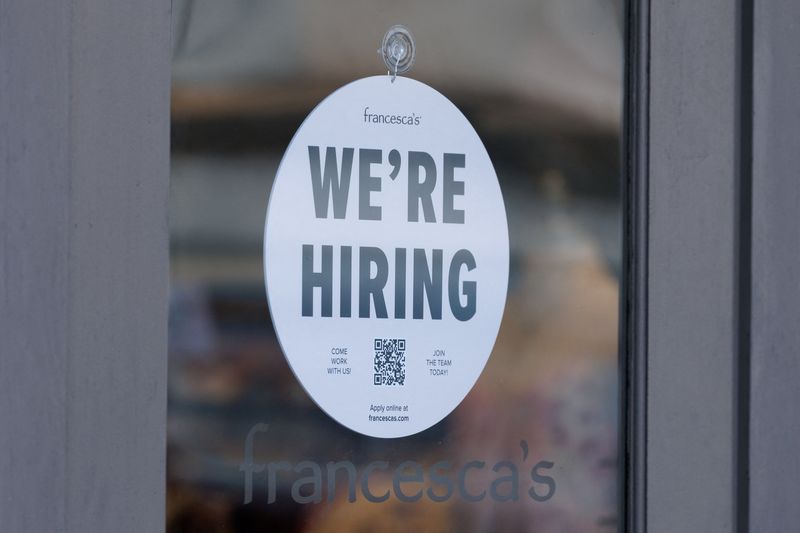
- Return to Brick-and-Mortar: Young consumers are rediscovering the joy of in-store shopping, reflecting a longing for the carefree atmosphere of 2016, which may lead to improved performance for retailers.
- Brand Opportunities: Brands like Abercrombie & Fitch could leverage this nostalgia wave to reshape their image, particularly if they successfully distance themselves from past controversies, potentially attracting more young consumers.
- Market Outlook: Retail trends typically last about 18 months, and this nostalgia cycle is expected to persist through the midterm elections this year, possibly extending into next year, providing long-term market opportunities for related brands.
Trade with 70% Backtested Accuracy
Stop guessing "Should I Buy KO?" and start using high-conviction signals backed by rigorous historical data.
Sign up today to access powerful investing tools and make smarter, data-driven decisions.
Analyst Views on KO
Wall Street analysts forecast KO stock price to rise
14 Analyst Rating
13 Buy
1 Hold
0 Sell
Strong Buy
Current: 78.430

Low
71.00
Averages
79.33
High
85.00
Current: 78.430
Low
71.00
Averages
79.33
High
85.00
About KO
The Coca-Cola Company is a beverage company. The Company's segments include Europe, Middle East and Africa (EMEA); Latin America; North America; Asia Pacific, and Bottling Investments. It sells multiple brands across several beverage categories worldwide. Its portfolio of sparkling soft drink brands includes Coca-Cola, Sprite and Fanta. Its water, sports, coffee and tea brands include Dasani, smartwater, vitaminwater, Topo Chico, BODYARMOR, Powerade, Costa, Georgia, Fuze Tea, Gold Peak and Ayataka. Its juice, value-added dairy and plant-based beverage brands include Minute Maid, Simply, innocent, Del Valle, fairlife and Santa Clara. It operates in two lines of business: concentrate operations and finished product operations. Its concentrate operations sell beverage concentrates, syrups, including fountain syrups, and certain finished beverages to authorized bottling operations. Its finished product operations sell sparkling soft drinks and a variety of other finished beverages.
About the author

Emily J. Thompson
Emily J. Thompson, a Chartered Financial Analyst (CFA) with 12 years in investment research, graduated with honors from the Wharton School. Specializing in industrial and technology stocks, she provides in-depth analysis for Intellectia’s earnings and market brief reports.
Berkshire Hathaway's Future Under Greg Abel: Growth Prospects and Stability

- Leadership Transition: Warren Buffett stepped down as CEO at the end of 2025, with successor Greg Abel reaffirming at the recent shareholder meeting his commitment to maintaining Berkshire's culture and policies, ensuring stability and continued growth for the company in the future.
- Reasonable Valuation: With a forward-looking P/E ratio of 22, close to its five-year average of 21, Berkshire Hathaway presents a reasonable valuation in the current market environment, attracting long-term investors' interest.
- Strong Growth Outlook: The stock has averaged a 10.3% annual growth over the past five years, and it is expected to maintain similar growth in the next five years, potentially increasing its price from $476 to around $767, showcasing robust investment potential.
- Diversified Business Strength: Berkshire's numerous defensive subsidiaries, such as those in insurance and energy, can maintain stability during economic downturns, while its substantial stock portfolio (including Coca-Cola and Apple) continues to provide steady cash flow for the company.
See More

Three Dividend Stocks Worth Considering for Your Portfolio


- Strong Performance of Vici Properties: Vici Properties reported a 3.5% revenue increase to $1 billion in Q1 2026, supported by a 100% occupancy rate, demonstrating stability in the casino REIT sector and likely to continue attracting investor interest.
- High Yield from PepsiCo: PepsiCo achieved an 8.5% net revenue growth and a 27% increase in earnings per share in Q1 2026, with a payout ratio of 89.3%, yet its 4.1% dividend yield surpasses Coca-Cola, showcasing its competitive edge in the beverage market.
- Robust Growth of T. Rowe Price: T. Rowe Price's revenue grew by 5.3% to $1.85 billion in Q1 2026, maintaining a net profit margin of 29.53%, and with a 4.9% dividend yield and a low payout ratio of 54.77%, it stands as an ideal long-term investment choice.
- Investment Portfolio Potential: Combining Vici Properties, PepsiCo, and T. Rowe Price creates a solid dividend investment portfolio that offers investors stable cash flow and long-term growth potential.
See More

High-Yield Stock Recommendations: Vici, Pepsi, T. Rowe
- Vici Properties Performance: Vici Properties, owning 61 casinos, reported a 3.5% revenue increase to $1 billion in Q1 2026, with a 5.7% growth in adjusted funds from operations (AFFO), and pays out 90% of its income as dividends at a yield of 6.19%, showcasing its strong position in the high-yield REIT sector.
- Pepsi's Financial Strength: Pepsi's net revenue grew by 8.5% year-over-year in Q1 2026, with earnings per share (EPS) soaring 27% and net profit margin rising from 8.83% to 9.21%, despite a higher debt load, its 4.1% dividend yield remains attractive compared to Coca-Cola, highlighting its appeal among blue-chip stocks.
- T. Rowe Price's Steady Growth: T. Rowe Price has been providing financial services since 1937, with Q1 2026 revenue increasing 5.3% to $1.85 billion and a dividend yield of 4.9%, while its low payout ratio of 54.77% positions it well to achieve Dividend King status by 2037, reflecting solid financial health.
- Portfolio Construction Advice: By combining Vici Properties, Pepsi, and T. Rowe Price, investors can create a robust high-yield stock portfolio; although Vici Properties was not included in Motley Fool's top ten recommended stocks, its long-term growth potential remains noteworthy.
See More

Goldman Sachs Retirement Survey Reveals Optimism Gap


- Optimism Gap Phenomenon: The Goldman Sachs Retirement Survey reveals that while 68% of workers are confident about meeting retirement goals, 58% fear outliving their savings, highlighting a structural cost pressure that has reduced the capacity for retirement savings due to rising housing, childcare, and healthcare costs.
- Increased Spending Pressures: Since 2000, housing costs have risen from 21% to 36% of income, childcare from 10% to 25%, and healthcare from 12% to 33%, leading to 67% of respondents feeling overwhelmed by monthly expenses and 64% experiencing financial hardship, which directly impacts their retirement planning.
- Income Strategy Enhancement: The survey indicates that a blended income strategy combining protected lifetime income with investment withdrawals can increase retirement income by 23%, providing stability for essential expenses while addressing long-term growth needs, thereby alleviating financial pressure during retirement.
- Behavioral Factors Impact: Goldman’s research shows that retirees with personalized plans have a savings-to-income ratio of 5.92x compared to 4.68x for those without, underscoring the importance of combining structure and behavior in achieving better retirement outcomes and emphasizing the need for consistent saving and planning.
See More
Investment Opportunities Amid Market Highs


- Market Performance Analysis: The S&P 500 index is trading near all-time highs despite geopolitical conflicts in the Middle East, high oil prices, and concerns about a global recession, indicating market confidence in economic resilience.
- Investment Recommendation: Investors are advised to focus on strong Dividend Kings like Johnson & Johnson and Coca-Cola, both of which demonstrate robust performance in their respective industries and maintain stable cash flows amid economic fluctuations.
- Coca-Cola Performance: Coca-Cola achieved a 3% growth in case volume and a 10% increase in organic sales in Q1 2026, showcasing its strong business resilience despite industry headwinds.
- Johnson & Johnson Outlook: Johnson & Johnson reported a 9.9% sales increase in Q1 2026; despite a slight dip in earnings, management raised the full-year earnings guidance by 7%, aiming for double-digit growth by the decade's end, highlighting its long-term growth potential.
See More

Middle East Conflict Drives Oil Prices Up, Investors Shift to High Dividend Stocks
- Oil Price Impact: The geopolitical conflict in the Middle East has driven oil prices higher, and while the S&P 500 index remains near all-time highs, concerns about a global recession are intensifying, prompting investors to approach potential risks with caution.
- Dividend Stocks Appeal: Investors are strongly advised to shift towards high dividend stocks like Johnson & Johnson and Coca-Cola, both of which are Dividend Kings that have increased dividends annually for over fifty years, demonstrating robust business models and resilience against economic downturns.
- Coca-Cola's Strong Performance: Despite industry headwinds, Coca-Cola achieved a 3% growth in case volume and a 10% increase in organic sales in Q1 2026, indicating strong market performance and a reasonable valuation level.
- Johnson & Johnson Sales Growth: Johnson & Johnson reported a 9.9% sales increase in Q1 2026, and although earnings dipped slightly, management raised its full-year earnings guidance by 7%, reflecting confidence in future growth and an expectation of double-digit growth by the end of the decade.
See More
Berkshire Hathaway's Future Under Greg Abel: Growth Prospects and Stability
- Leadership Transition: Warren Buffett stepped down as CEO at the end of 2025, with successor Greg Abel reaffirming at the recent shareholder meeting his commitment to maintaining Berkshire's culture and policies, ensuring stability and continued growth for the company in the future.
- Reasonable Valuation: With a forward-looking P/E ratio of 22, close to its five-year average of 21, Berkshire Hathaway presents a reasonable valuation in the current market environment, attracting long-term investors' interest.
- Strong Growth Outlook: The stock has averaged a 10.3% annual growth over the past five years, and it is expected to maintain similar growth in the next five years, potentially increasing its price from $476 to around $767, showcasing robust investment potential.
- Diversified Business Strength: Berkshire's numerous defensive subsidiaries, such as those in insurance and energy, can maintain stability during economic downturns, while its substantial stock portfolio (including Coca-Cola and Apple) continues to provide steady cash flow for the company.
See More
Three Dividend Stocks Worth Considering for Your Portfolio
- Strong Performance of Vici Properties: Vici Properties reported a 3.5% revenue increase to $1 billion in Q1 2026, supported by a 100% occupancy rate, demonstrating stability in the casino REIT sector and likely to continue attracting investor interest.
- High Yield from PepsiCo: PepsiCo achieved an 8.5% net revenue growth and a 27% increase in earnings per share in Q1 2026, with a payout ratio of 89.3%, yet its 4.1% dividend yield surpasses Coca-Cola, showcasing its competitive edge in the beverage market.
- Robust Growth of T. Rowe Price: T. Rowe Price's revenue grew by 5.3% to $1.85 billion in Q1 2026, maintaining a net profit margin of 29.53%, and with a 4.9% dividend yield and a low payout ratio of 54.77%, it stands as an ideal long-term investment choice.
- Investment Portfolio Potential: Combining Vici Properties, PepsiCo, and T. Rowe Price creates a solid dividend investment portfolio that offers investors stable cash flow and long-term growth potential.
See More
High-Yield Stock Recommendations: Vici, Pepsi, T. Rowe
- Vici Properties Performance: Vici Properties, owning 61 casinos, reported a 3.5% revenue increase to $1 billion in Q1 2026, with a 5.7% growth in adjusted funds from operations (AFFO), and pays out 90% of its income as dividends at a yield of 6.19%, showcasing its strong position in the high-yield REIT sector.
- Pepsi's Financial Strength: Pepsi's net revenue grew by 8.5% year-over-year in Q1 2026, with earnings per share (EPS) soaring 27% and net profit margin rising from 8.83% to 9.21%, despite a higher debt load, its 4.1% dividend yield remains attractive compared to Coca-Cola, highlighting its appeal among blue-chip stocks.
- T. Rowe Price's Steady Growth: T. Rowe Price has been providing financial services since 1937, with Q1 2026 revenue increasing 5.3% to $1.85 billion and a dividend yield of 4.9%, while its low payout ratio of 54.77% positions it well to achieve Dividend King status by 2037, reflecting solid financial health.
- Portfolio Construction Advice: By combining Vici Properties, Pepsi, and T. Rowe Price, investors can create a robust high-yield stock portfolio; although Vici Properties was not included in Motley Fool's top ten recommended stocks, its long-term growth potential remains noteworthy.
See More
Goldman Sachs Retirement Survey Reveals Optimism Gap
- Optimism Gap Phenomenon: The Goldman Sachs Retirement Survey reveals that while 68% of workers are confident about meeting retirement goals, 58% fear outliving their savings, highlighting a structural cost pressure that has reduced the capacity for retirement savings due to rising housing, childcare, and healthcare costs.
- Increased Spending Pressures: Since 2000, housing costs have risen from 21% to 36% of income, childcare from 10% to 25%, and healthcare from 12% to 33%, leading to 67% of respondents feeling overwhelmed by monthly expenses and 64% experiencing financial hardship, which directly impacts their retirement planning.
- Income Strategy Enhancement: The survey indicates that a blended income strategy combining protected lifetime income with investment withdrawals can increase retirement income by 23%, providing stability for essential expenses while addressing long-term growth needs, thereby alleviating financial pressure during retirement.
- Behavioral Factors Impact: Goldman’s research shows that retirees with personalized plans have a savings-to-income ratio of 5.92x compared to 4.68x for those without, underscoring the importance of combining structure and behavior in achieving better retirement outcomes and emphasizing the need for consistent saving and planning.
See More
Investment Opportunities Amid Market Highs
- Market Performance Analysis: The S&P 500 index is trading near all-time highs despite geopolitical conflicts in the Middle East, high oil prices, and concerns about a global recession, indicating market confidence in economic resilience.
- Investment Recommendation: Investors are advised to focus on strong Dividend Kings like Johnson & Johnson and Coca-Cola, both of which demonstrate robust performance in their respective industries and maintain stable cash flows amid economic fluctuations.
- Coca-Cola Performance: Coca-Cola achieved a 3% growth in case volume and a 10% increase in organic sales in Q1 2026, showcasing its strong business resilience despite industry headwinds.
- Johnson & Johnson Outlook: Johnson & Johnson reported a 9.9% sales increase in Q1 2026; despite a slight dip in earnings, management raised the full-year earnings guidance by 7%, aiming for double-digit growth by the decade's end, highlighting its long-term growth potential.
See More
Middle East Conflict Drives Oil Prices Up, Investors Shift to High Dividend Stocks
- Oil Price Impact: The geopolitical conflict in the Middle East has driven oil prices higher, and while the S&P 500 index remains near all-time highs, concerns about a global recession are intensifying, prompting investors to approach potential risks with caution.
- Dividend Stocks Appeal: Investors are strongly advised to shift towards high dividend stocks like Johnson & Johnson and Coca-Cola, both of which are Dividend Kings that have increased dividends annually for over fifty years, demonstrating robust business models and resilience against economic downturns.
- Coca-Cola's Strong Performance: Despite industry headwinds, Coca-Cola achieved a 3% growth in case volume and a 10% increase in organic sales in Q1 2026, indicating strong market performance and a reasonable valuation level.
- Johnson & Johnson Sales Growth: Johnson & Johnson reported a 9.9% sales increase in Q1 2026, and although earnings dipped slightly, management raised its full-year earnings guidance by 7%, reflecting confidence in future growth and an expectation of double-digit growth by the end of the decade.
See More