Younger Consumers Drive New Card Sign-Ups for American Express
Written by Emily J. Thompson, Senior Investment Analyst
Updated: Mar 15 2026
0mins
Source: NASDAQ.COM
- Younger Consumer Trend: CFO Christophe Le Caillec noted that as of Q4 2025, millennial and Gen Z customers now represent the largest share of U.S. consumer spending and are the fastest-growing cohorts, which will enhance American Express's customer lifetime value significantly.
- Strong Financial Performance: In 2025, American Express reported a 10% year-over-year revenue increase to $72.2 billion, with payment volume rising 7% to $1.7 trillion, demonstrating the company's resilience and scale amid economic uncertainty.
- Long-Term Growth Targets: The management team is targeting a mid-teens growth rate for earnings per share, indicating confidence in future performance and plans to drive ongoing success through increased payment volume, active card numbers, and card fees.
- Market Attractiveness: Despite an 18% drop in stock price this year, the current forward price-to-earnings ratio of 17.5 presents a relatively attractive entry point for investors, although analysts suggest American Express is not among the top investment stocks at this time.
Trade with 70% Backtested Accuracy
Stop guessing "Should I Buy AXP?" and start using high-conviction signals backed by rigorous historical data.
Sign up today to access powerful investing tools and make smarter, data-driven decisions.
Analyst Views on AXP
Wall Street analysts forecast AXP stock price to rise
21 Analyst Rating
8 Buy
12 Hold
1 Sell
Moderate Buy
Current: 309.700

Low
280.00
Averages
379.06
High
425.00
Current: 309.700
Low
280.00
Averages
379.06
High
425.00
About AXP
American Express Company is a global payments and premium lifestyle brand powered by technology. Its card-issuing, merchant-acquiring and card network businesses offer products and services to a broad range of customers, including consumers, small businesses, mid-sized companies and large corporations around the world. Its range of products and services includes credit and charge cards and complementary products and services, including travel, dining, lifestyle and expense management products and services; banking and other payment and financing products and services, including deposits and non-card lending; merchant acquisition and processing, servicing and settlement, fraud prevention, and point-of-sale marketing and information products and services, and network services. These products and services are offered through various channels, including mobile and online applications, affiliate marketing, customer referral programs, third-party service providers, and business partners.
About the author

Emily J. Thompson
Emily J. Thompson, a Chartered Financial Analyst (CFA) with 12 years in investment research, graduated with honors from the Wharton School. Specializing in industrial and technology stocks, she provides in-depth analysis for Intellectia’s earnings and market brief reports.

American Express Reports Strong Q1 Earnings Amid Market Hesitation

- Significant Growth: American Express reported a 10% year-over-year increase in total billed business to $428 billion, with revenue rising 11% to $18.9 billion and net income climbing 15% to $2.97 billion, demonstrating resilience amid economic uncertainty.
- Lukewarm Market Reaction: Despite exceeding analyst expectations, investor response to American Express has been cautious, with the stock lagging behind the S&P 500 index, reflecting concerns about future economic conditions.
- Steady Management Guidance: The company maintains its revenue growth outlook of 9% to 10% through 2025, with earnings per share projected between $17.30 and $17.90, despite plans to increase spending on marketing and technology to sustain growth.
- Customer Base Advantage: American Express's affluent customer base is expected to continue strong spending patterns despite inflation and potential AI disruptions, indicating a likelihood of sustained double-digit growth.
See More

Fanatics to Launch First Credit Card on Amex Network
- Credit Card Launch Plan: Fanatics is set to launch its first credit card later this year on the American Express network, although it will not be directly issued or managed by Amex, which is expected to attract a significant number of sports fans.
- FanCash Reward Mechanism: Cardholders will earn FanCash, a digital reward currency, with over $1 billion expected to be issued this year and approximately 97% anticipated to be redeemed, thereby enhancing customer loyalty and market penetration for Fanatics.
- Business Expansion Strategy: The credit card launch is part of Fanatics' strategy to expand its loyalty program, Fanatics ONE, which now boasts over 30 million users, aiming to enhance user engagement by offering additional benefits and elevated tier status.
- Market Partnership Opportunities: The collaboration with American Express will integrate the Fanatics credit card into the Amex network, deepening connections with sports fans while providing brands opportunities to reach this demographic, thus advancing both companies' market strategies.
See More

Amex Exploration Removed from Restriction by National Bank of Canada

- Restriction Lifted: Amex Exploration (AMX.V) has been removed from restriction by National Bank of Canada, a decision that may enhance its market liquidity and boost investor confidence.
- Market Reaction: Following the lifting of the restriction, the company's stock trading is expected to normalize, potentially attracting more investor interest and driving up share prices.
- Opportunities Ahead: With the restriction lifted, Amex Exploration has the chance to reassess its financing strategies, which could accelerate project development and resource exploration.
- Strategic Implications: This change signifies progress in the company's relationship with financial institutions, potentially laying the groundwork for future financing and partnerships.
See More
Friday Market Watch: Earnings Reports and Stock Movements


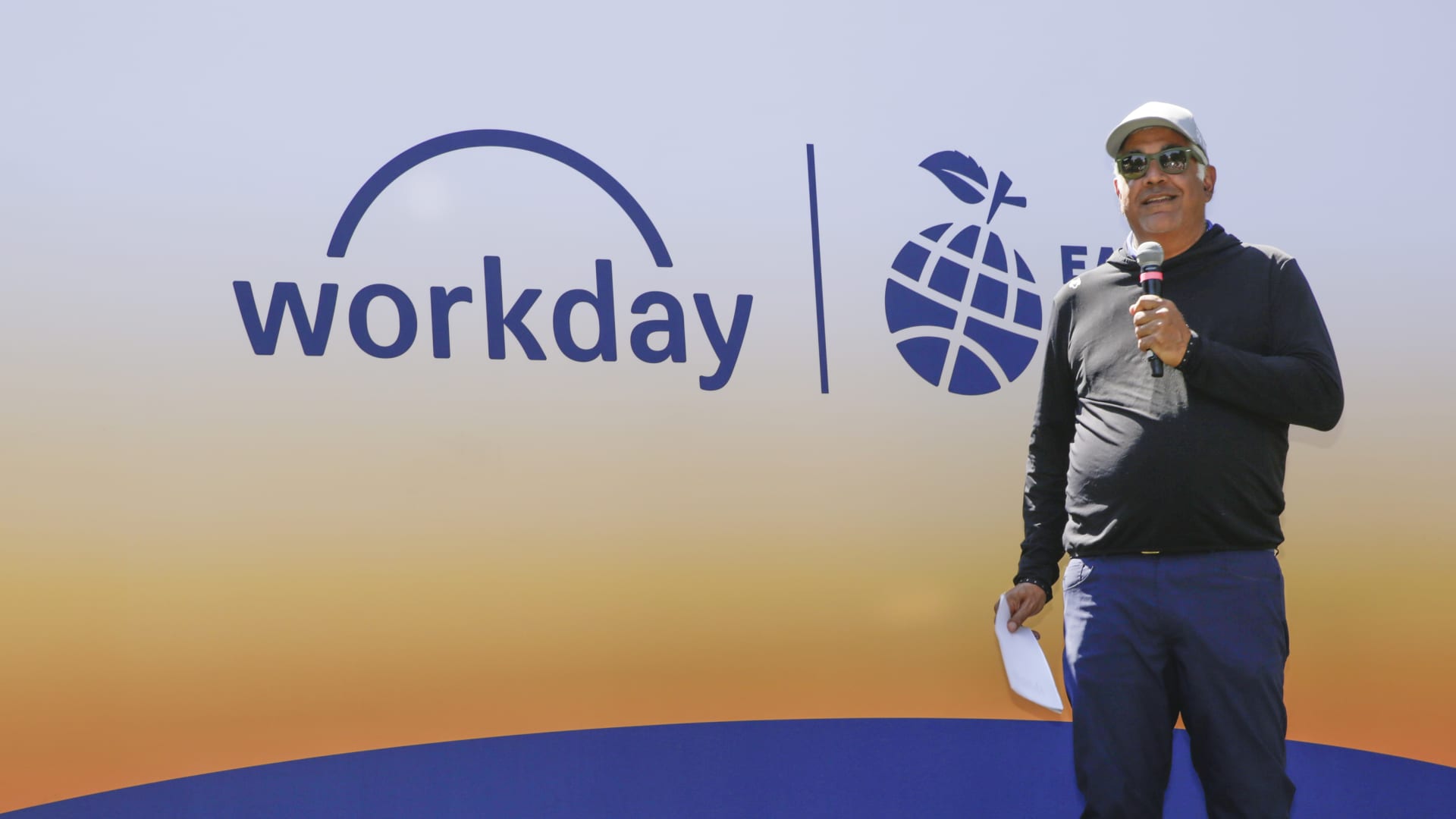
- Workday Earnings Beat: Workday reported earnings that exceeded expectations on both revenue and profit, leading to a stock price increase of over 7%, while also raising its full-year margin outlook, indicating the effectiveness of its AI strategy and potentially attracting more investor interest.
- Deckers Sales Growth: Deckers Outdoor reported a 14.5% increase in Hoka sales and a 9.2% increase in Ugg sales, although its stock fell about 2.5%, the company provided full-year guidance above Wall Street expectations, indicating strong market demand.
- Take-Two Stock Rally: Take-Two Interactive shares rose over 3% after reaffirming that Grand Theft Auto VI will be released in November, despite facing multiple delays, this news may restore market confidence in its future revenues.
- Zoom Guidance Raised: Zoom Communication's earnings beat expectations, with a stock price increase of over 7% and an upgraded full-year guidance, leading KeyBanc to raise its rating from sell to hold, reflecting improved profitability and steady market performance.
See More
Buffett's Timeless Investment Portfolio


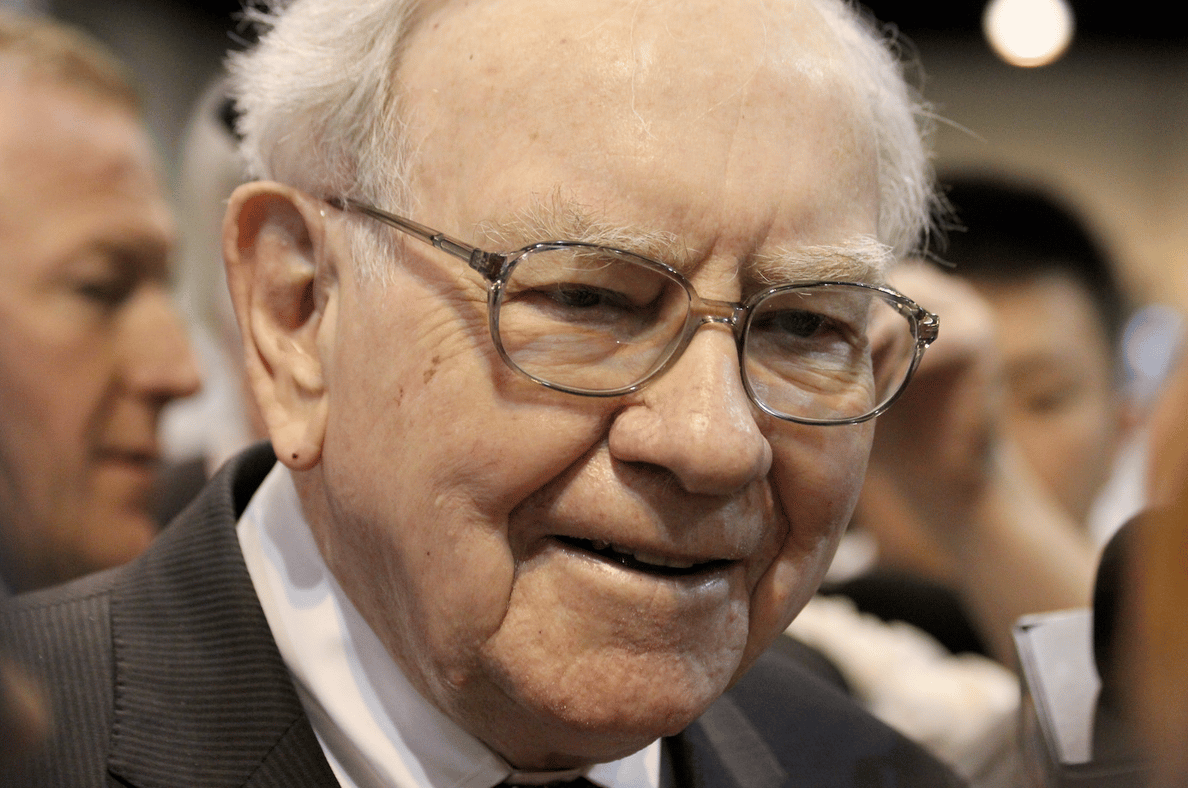
- Apple's Core Position: Berkshire Hathaway's investment in Apple, initiated in 2016, is currently valued at approximately $67.9 billion, representing 21% of its overall portfolio, highlighting its unique position and long-term growth potential in the tech sector.
- American Express's Competitive Edge: While Berkshire has divested from Visa and Mastercard, its long-standing investment in American Express remains intact, with a current P/E ratio of 18 times and expectations for double-digit earnings growth, reflecting its deep economic moat in the payment network.
- Coca-Cola's Dividend King Status: Berkshire gradually accumulated its Coca-Cola stake between 1988 and 1994, now valued at about $32.8 billion, with an average annual dividend yield of 2.53%, showcasing its robust performance as a Dividend King and ongoing revenue growth potential.
- Success of Long-Term Investment Strategy: Buffett's investment philosophy emphasizes holding quality assets, and the success stories of Apple, American Express, and Coca-Cola not only illustrate their strong economic moats but also demonstrate the effectiveness of a long-term holding strategy in capital appreciation and income generation.
See More

Analysis of Buffett's Three Major Holdings
- Apple's Economic Moat: Apple represents nearly 21% of Berkshire Hathaway's portfolio with a market value of approximately $67.9 billion, making it a favored long-term holding for Buffett due to its strong economic moat and loyal customer base.
- American Express's Unique Advantages: While Berkshire has exited Visa and Mastercard, its investment in American Express remains solid, benefiting from a reasonable 18 times forward P/E ratio and merchants willing to pay higher fees for access to affluent customers.
- Coca-Cola's Stable Returns: Berkshire has never sold its stake in Coca-Cola since investing in 1988, with a current value of about $32.8 billion, and an average annual dividend growth of 4.5% makes it a
See More
American Express Reports Strong Q1 Earnings Amid Market Hesitation
- Significant Growth: American Express reported a 10% year-over-year increase in total billed business to $428 billion, with revenue rising 11% to $18.9 billion and net income climbing 15% to $2.97 billion, demonstrating resilience amid economic uncertainty.
- Lukewarm Market Reaction: Despite exceeding analyst expectations, investor response to American Express has been cautious, with the stock lagging behind the S&P 500 index, reflecting concerns about future economic conditions.
- Steady Management Guidance: The company maintains its revenue growth outlook of 9% to 10% through 2025, with earnings per share projected between $17.30 and $17.90, despite plans to increase spending on marketing and technology to sustain growth.
- Customer Base Advantage: American Express's affluent customer base is expected to continue strong spending patterns despite inflation and potential AI disruptions, indicating a likelihood of sustained double-digit growth.
See More
Fanatics to Launch First Credit Card on Amex Network
- Credit Card Launch Plan: Fanatics is set to launch its first credit card later this year on the American Express network, although it will not be directly issued or managed by Amex, which is expected to attract a significant number of sports fans.
- FanCash Reward Mechanism: Cardholders will earn FanCash, a digital reward currency, with over $1 billion expected to be issued this year and approximately 97% anticipated to be redeemed, thereby enhancing customer loyalty and market penetration for Fanatics.
- Business Expansion Strategy: The credit card launch is part of Fanatics' strategy to expand its loyalty program, Fanatics ONE, which now boasts over 30 million users, aiming to enhance user engagement by offering additional benefits and elevated tier status.
- Market Partnership Opportunities: The collaboration with American Express will integrate the Fanatics credit card into the Amex network, deepening connections with sports fans while providing brands opportunities to reach this demographic, thus advancing both companies' market strategies.
See More
Amex Exploration Removed from Restriction by National Bank of Canada
- Restriction Lifted: Amex Exploration (AMX.V) has been removed from restriction by National Bank of Canada, a decision that may enhance its market liquidity and boost investor confidence.
- Market Reaction: Following the lifting of the restriction, the company's stock trading is expected to normalize, potentially attracting more investor interest and driving up share prices.
- Opportunities Ahead: With the restriction lifted, Amex Exploration has the chance to reassess its financing strategies, which could accelerate project development and resource exploration.
- Strategic Implications: This change signifies progress in the company's relationship with financial institutions, potentially laying the groundwork for future financing and partnerships.
See More
Friday Market Watch: Earnings Reports and Stock Movements
- Workday Earnings Beat: Workday reported earnings that exceeded expectations on both revenue and profit, leading to a stock price increase of over 7%, while also raising its full-year margin outlook, indicating the effectiveness of its AI strategy and potentially attracting more investor interest.
- Deckers Sales Growth: Deckers Outdoor reported a 14.5% increase in Hoka sales and a 9.2% increase in Ugg sales, although its stock fell about 2.5%, the company provided full-year guidance above Wall Street expectations, indicating strong market demand.
- Take-Two Stock Rally: Take-Two Interactive shares rose over 3% after reaffirming that Grand Theft Auto VI will be released in November, despite facing multiple delays, this news may restore market confidence in its future revenues.
- Zoom Guidance Raised: Zoom Communication's earnings beat expectations, with a stock price increase of over 7% and an upgraded full-year guidance, leading KeyBanc to raise its rating from sell to hold, reflecting improved profitability and steady market performance.
See More
Buffett's Timeless Investment Portfolio
- Apple's Core Position: Berkshire Hathaway's investment in Apple, initiated in 2016, is currently valued at approximately $67.9 billion, representing 21% of its overall portfolio, highlighting its unique position and long-term growth potential in the tech sector.
- American Express's Competitive Edge: While Berkshire has divested from Visa and Mastercard, its long-standing investment in American Express remains intact, with a current P/E ratio of 18 times and expectations for double-digit earnings growth, reflecting its deep economic moat in the payment network.
- Coca-Cola's Dividend King Status: Berkshire gradually accumulated its Coca-Cola stake between 1988 and 1994, now valued at about $32.8 billion, with an average annual dividend yield of 2.53%, showcasing its robust performance as a Dividend King and ongoing revenue growth potential.
- Success of Long-Term Investment Strategy: Buffett's investment philosophy emphasizes holding quality assets, and the success stories of Apple, American Express, and Coca-Cola not only illustrate their strong economic moats but also demonstrate the effectiveness of a long-term holding strategy in capital appreciation and income generation.
See More
Analysis of Buffett's Three Major Holdings
- Apple's Economic Moat: Apple represents nearly 21% of Berkshire Hathaway's portfolio with a market value of approximately $67.9 billion, making it a favored long-term holding for Buffett due to its strong economic moat and loyal customer base.
- American Express's Unique Advantages: While Berkshire has exited Visa and Mastercard, its investment in American Express remains solid, benefiting from a reasonable 18 times forward P/E ratio and merchants willing to pay higher fees for access to affluent customers.
- Coca-Cola's Stable Returns: Berkshire has never sold its stake in Coca-Cola since investing in 1988, with a current value of about $32.8 billion, and an average annual dividend growth of 4.5% makes it a
See More