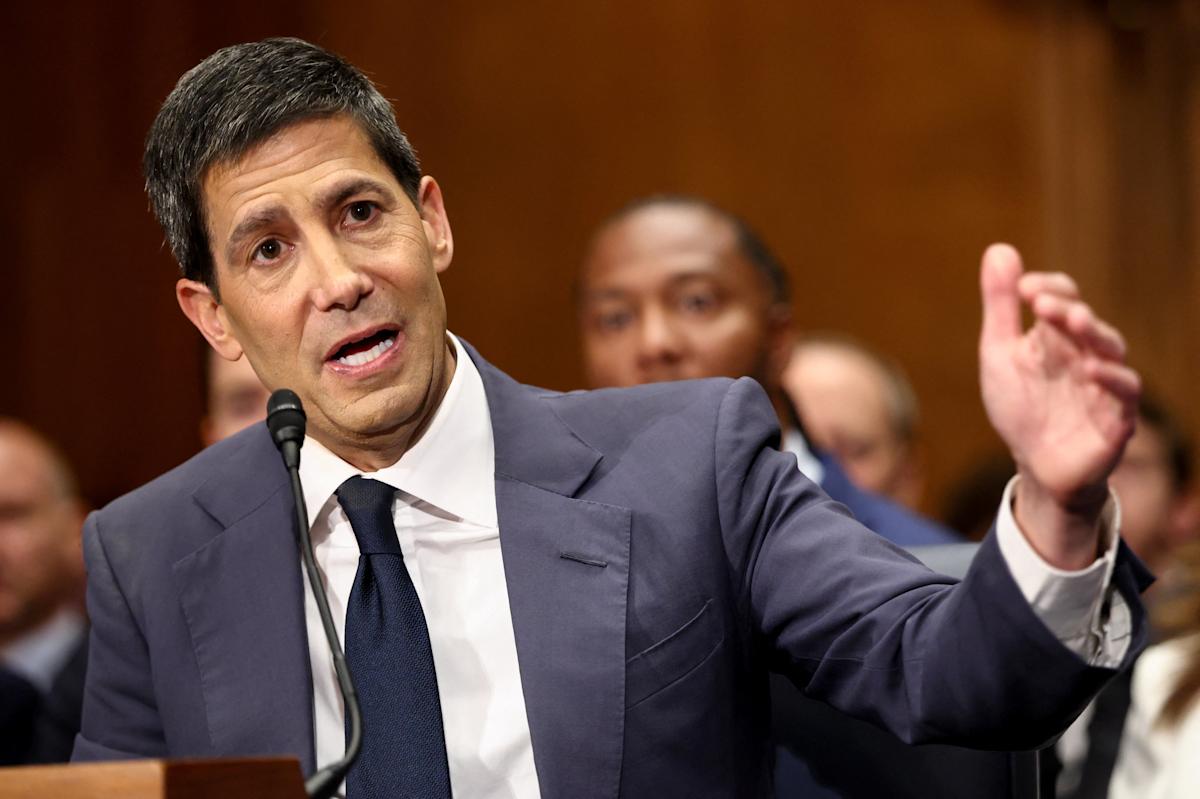
American Airlines Names Gregory D. Smith to Its Board of Directors
Written by Emily J. Thompson, Senior Investment Analyst
Updated: Jan 18 2022
0mins
Should l Buy AAL?
Source: globenewswire
Trade with 70% Backtested Accuracy
Stop guessing "Should I Buy AAL?" and start using high-conviction signals backed by rigorous historical data.
Sign up today to access powerful investing tools and make smarter, data-driven decisions.
Analyst Views on AAL
Wall Street analysts forecast AAL stock price to rise
15 Analyst Rating
7 Buy
7 Hold
1 Sell
Moderate Buy
Current: 12.240

Low
11.00
Averages
17.93
High
22.00
Current: 12.240
Low
11.00
Averages
17.93
High
22.00
About AAL
American Airlines Group Inc. is a holding company. Its primary business activity is the operation of a major network air carrier, providing scheduled air transportation for passengers and cargo through its hubs in Charlotte, Chicago, Dallas/Fort Worth, Los Angeles, Miami, New York, Philadelphia, Phoenix and Washington, D.C. and partner gateways, including in London, Doha, Madrid, Seattle/Tacoma, Sydney and Tokyo, among others. Together with its regional airline subsidiaries and third-party regional carriers operating as American Eagle. Its cargo division provides a wide range of freight and mail services, with facilities and interline connections available across the globe. It operates approximately 977 mainline aircraft supported by its regional airline subsidiaries and third-party regional carriers, which together operate an additional 585 regional aircraft. Its subsidiaries include American Airlines, Inc., Envoy Aviation Group Inc., PSA Airlines, Inc. and Piedmont Airlines, Inc.
About the author

Emily J. Thompson
Emily J. Thompson, a Chartered Financial Analyst (CFA) with 12 years in investment research, graduated with honors from the Wharton School. Specializing in industrial and technology stocks, she provides in-depth analysis for Intellectia’s earnings and market brief reports.
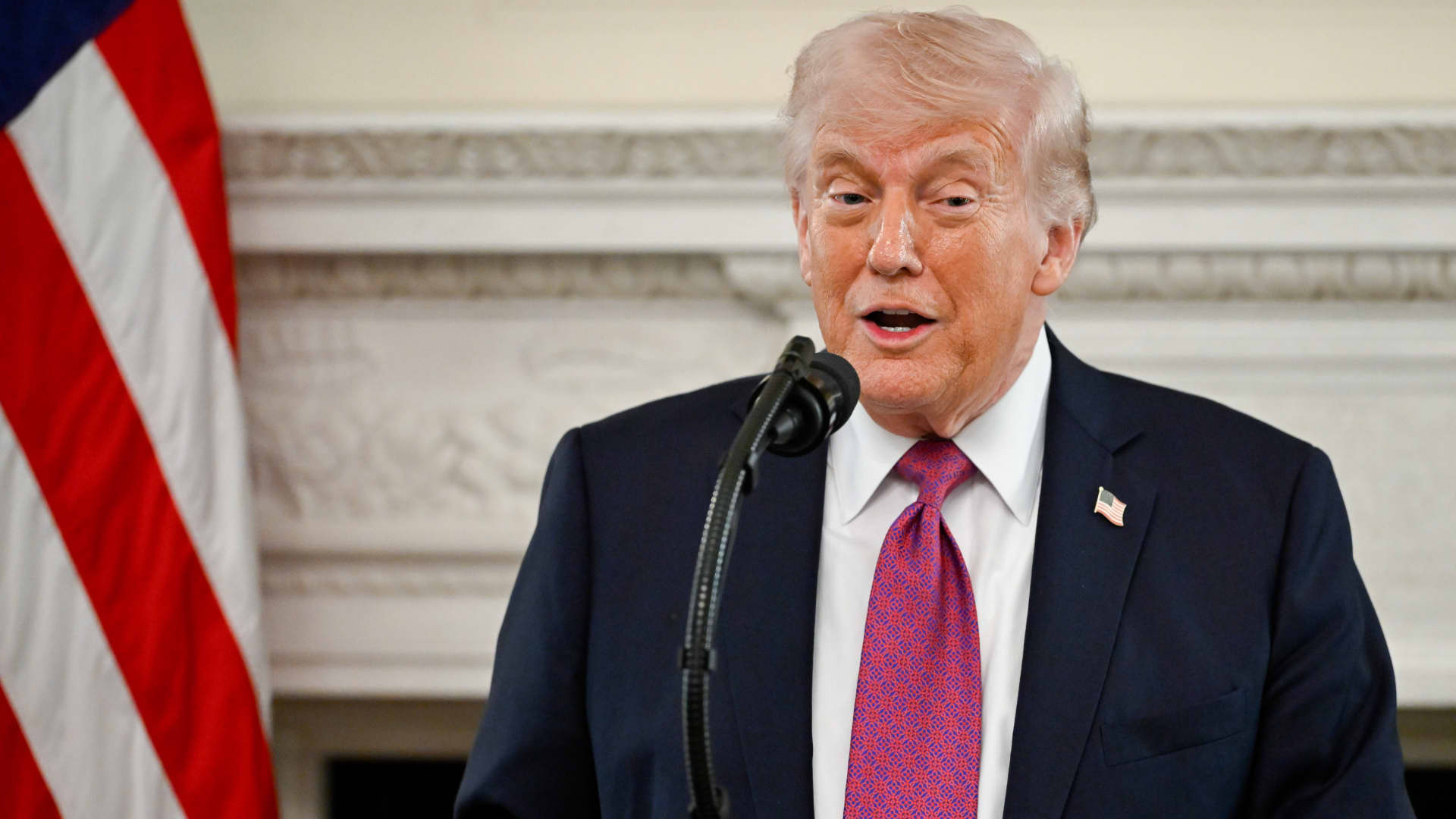
Trump Extends Iran Ceasefire Deadline Amid Market Uncertainty


- Ceasefire Extension: President Trump has extended the Iran ceasefire deadline by two weeks, a move that may exacerbate uncertainty in the Middle East conflict as Tehran shows reluctance to engage in diplomatic efforts, potentially impacting global market sentiment.
- Tariff Policy Impact: Trump expressed hope that U.S. companies that have not sought refunds for his tariffs will adhere to a 'no take back' policy, despite the Supreme Court ruling the tariffs illegal; major firms like Apple and Amazon have yet to file for refunds, which could affect their future financial performance.
- Market Reaction: Following Trump's announcement of the ceasefire extension, U.S. stock index futures rose, despite a lower close on Tuesday, while crude oil prices increased, indicating market sensitivity to developments in the Middle East.
- Aviation Industry Outlook: United Airlines has slashed its 2026 earnings outlook due to supply chain issues stemming from the Middle East conflict, reflecting the direct impact of soaring fuel prices on the airline industry and potentially leading to broader industry adjustments.
See More
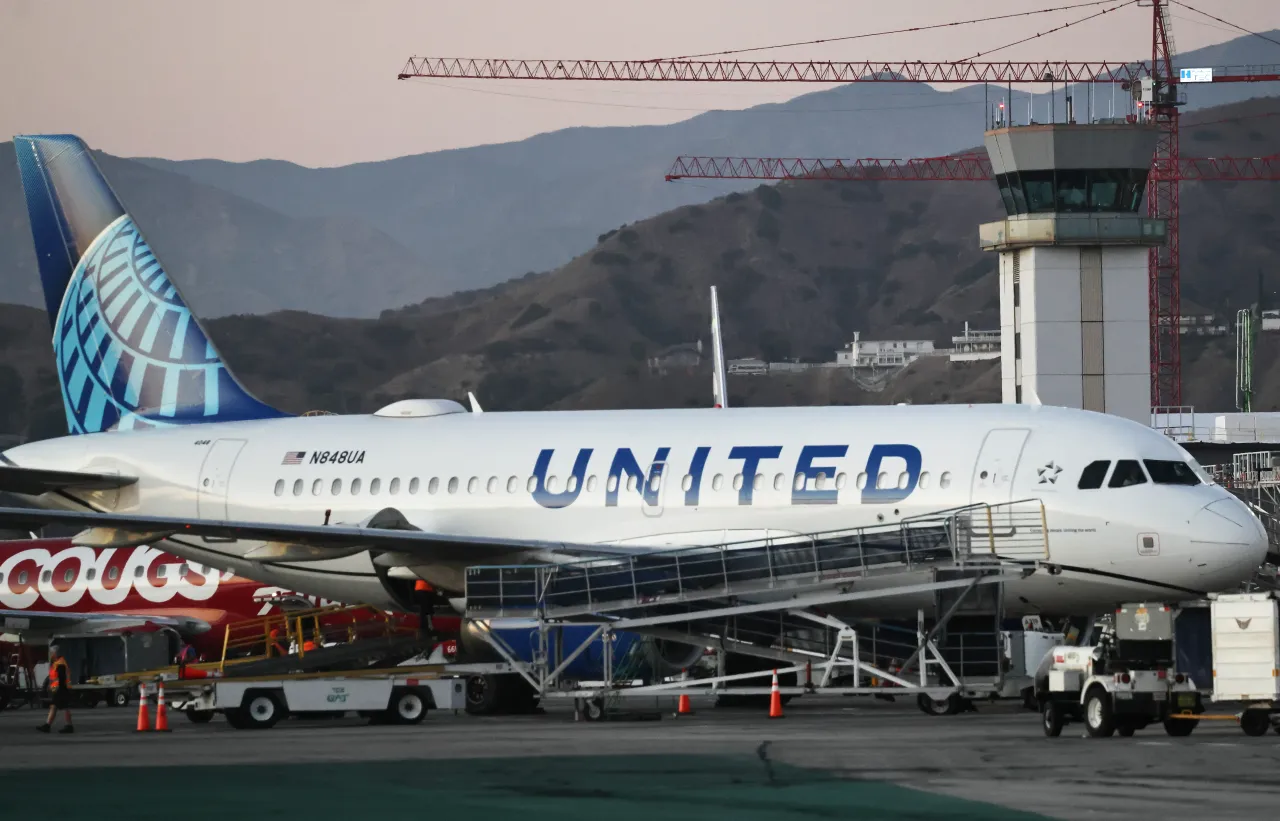
United Airlines Lowers 2026 Earnings Forecast Amid Fuel Cost Concerns

- Earnings Forecast Cut: United Airlines now expects second quarter earnings of $1-$2 per share and full year earnings of $7-$11, a significant reduction from the previous forecast of $12-$14, reflecting increased pressure from fuel costs.
- Fuel Cost Pressure: The company reported a $340 million increase in fuel expenses compared to the same quarter in 2025, and anticipates recovering 40-50% of these costs by the second quarter of 2026; however, if oil prices escalate, earnings could fall to the lower end of the guidance range.
- Flight Schedule Adjustments: To manage rising fuel costs, United plans to fly about 5% less in 2026, resulting in flat total capacity in the third and fourth quarters compared to last year, with potential for further flight cuts or additions based on customer demand.
- Market Opportunities: Despite uncertainties, CEO Scott Kirby expressed optimism that changes in the airline industry could create opportunities for United, reiterating the company's commitment to future growth.
See More
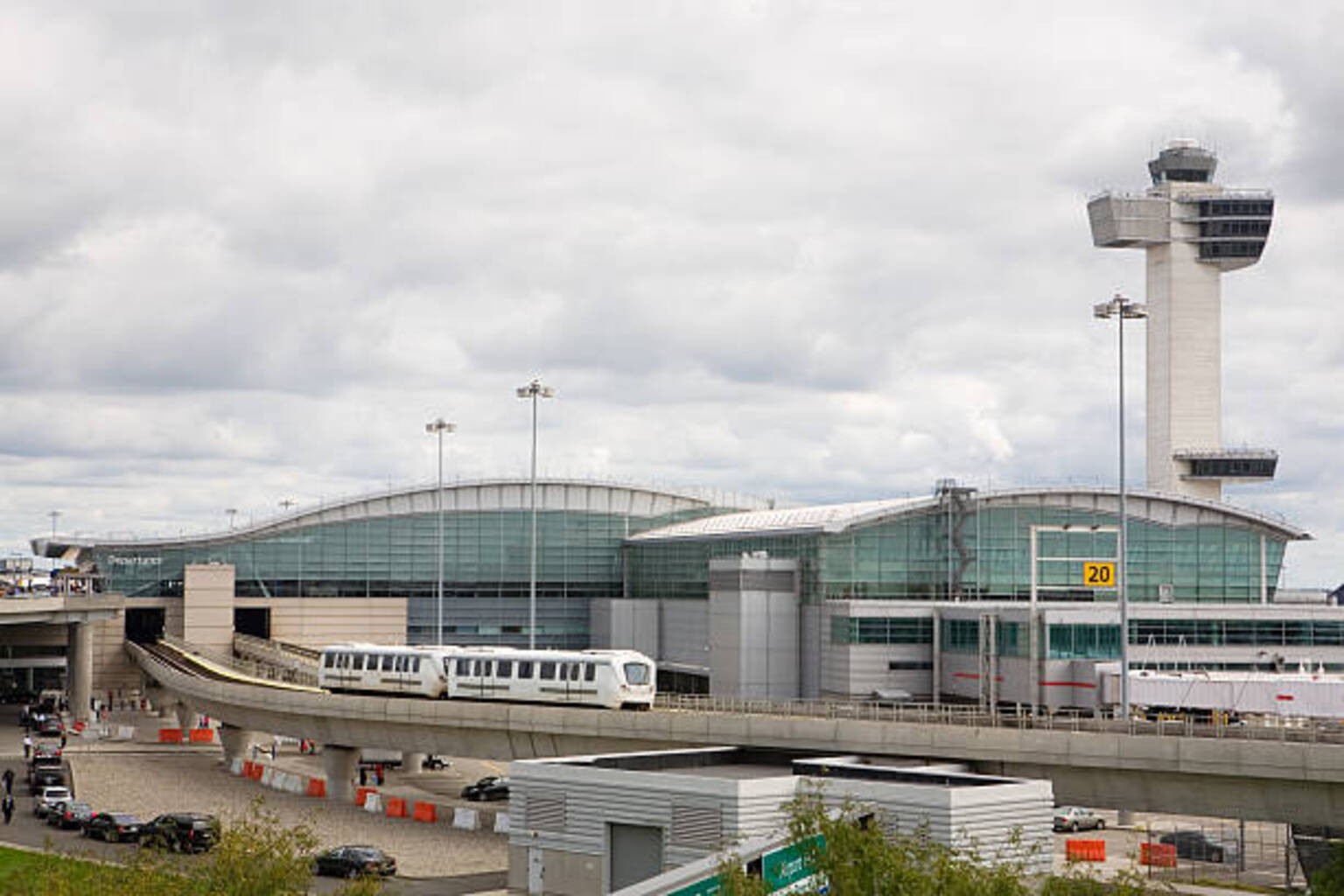
Near-Collision Incidents at U.S. Airports Raise Safety Concerns

- Frequent Near-Miss Incidents: At New York's JFK Airport, two passenger jets aborted landings due to anti-collision system warnings, highlighting urgent concerns over air traffic control procedures, especially during busy parallel runway operations.
- FAA Investigation Launched: The Federal Aviation Administration has initiated an investigation into the incident, emphasizing the mounting pressure on aviation infrastructure, particularly as airlines face strong travel demand, where safety risks could lead to increased operational costs.
- Recurrent Similarities: This incident mirrors an April near-miss at Nashville International Airport, involving parallel runway operations and pilots relying on cockpit warning systems for emergency maneuvers, indicating that the aviation system's safety net increasingly depends on technology.
- Investor Implications: For investors, frequent safety alerts may prompt stricter oversight and increased demand for air traffic controllers, potentially impacting the confidence and operational efficiency of airlines, aircraft manufacturers, and airport operators.
See More

US Stocks Close Lower as Oil Prices Rebound Impact Market


- Market Decline: The S&P 500 index fell by 0.63%, the Dow Jones Industrial Average dropped by 0.59%, and the Nasdaq 100 index decreased by 0.42%, reflecting investor concerns over the uncertainty surrounding Iran's geopolitical situation, which dampened market sentiment.
- Oil Price Rebound Impact: WTI crude oil prices rebounded by over 2% after Iran announced it would not attend peace talks, raising fears of a deepening global energy crisis, which could further hinder economic recovery.
- Supportive Economic Data: March retail sales rose by 1.7% month-over-month, surpassing expectations of 1.4%, indicating robust consumer spending that may provide some support for the stock market, despite overall market pressures.
- Fed Nominee Supports Independence: Fed Chair nominee Kevin Warsh emphasized the importance of monetary policy independence and controlling inflation in his Senate Banking Committee statement, which could positively influence market confidence.
See More
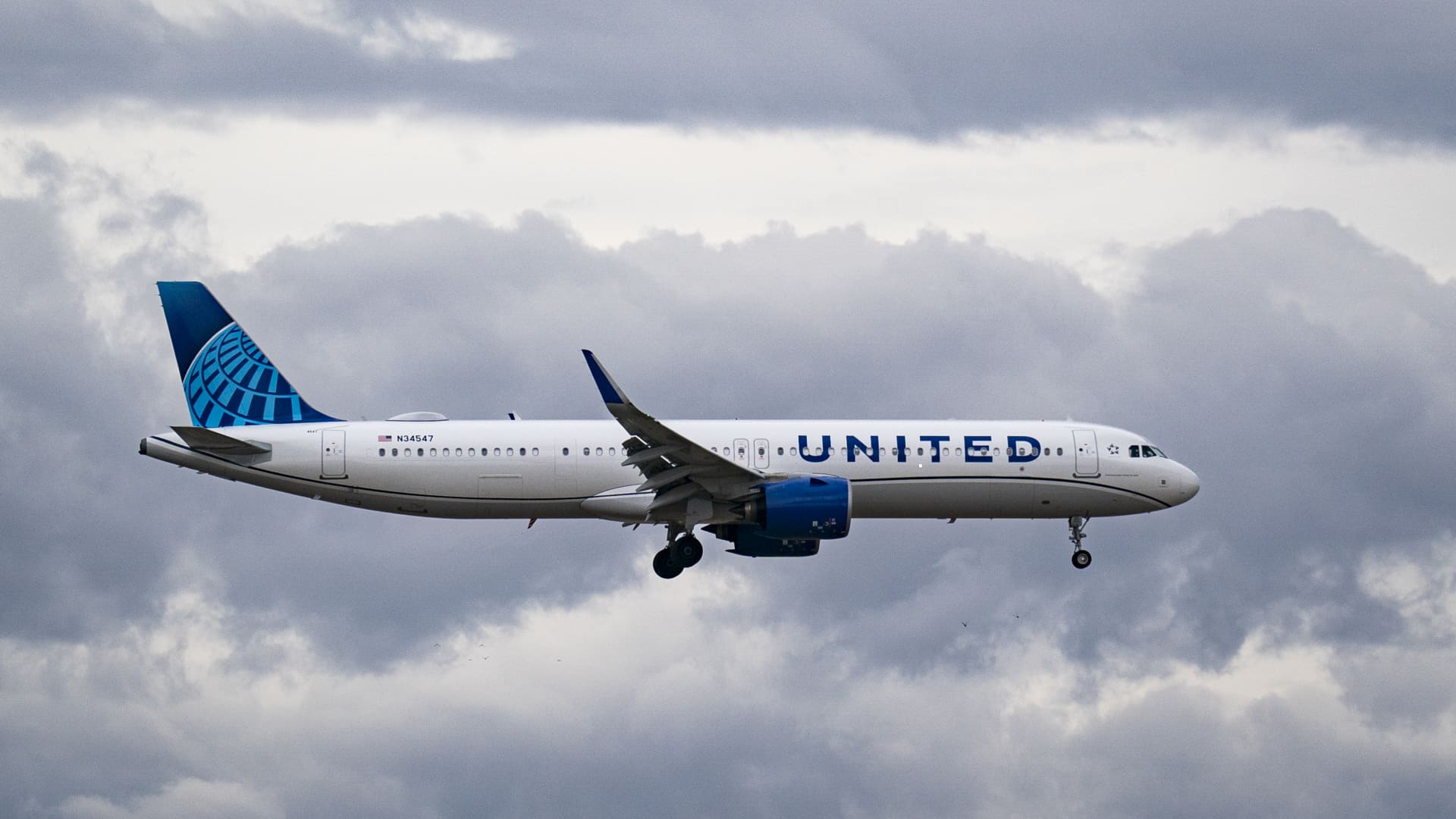
United Airlines Lowers 2026 Earnings Outlook Amid Fuel Price Surge
- Earnings Outlook Downgrade: United Airlines has revised its 2026 adjusted earnings per share forecast down to between $7 and $11, significantly lower than the previous estimate of $12 to $14 released in January, reflecting the impact of soaring fuel prices due to the Middle East conflict on profitability.
- Second Quarter Earnings Forecast: The airline anticipates adjusted earnings of between $1 and $2 per share for the second quarter, falling short of analysts' expectations of $2.08, indicating direct pressure on earnings from rising fuel costs.
- Revenue Growth Performance: Despite challenges, United reported a more than 10% year-over-year revenue increase in Q1, reaching $14.61 billion, with net income soaring 80% to $699 million, demonstrating the company's resilience in a high fuel cost environment.
- Strong Market Demand: Even as it raised fares and checked bag fees to cope with rising fuel prices, United reported a 7.9% increase in domestic flight revenue to $7.9 billion, indicating robust consumer demand for air travel, which supports future revenue growth.
See More

United Airlines Lowers 2026 Earnings Forecast Amid Fuel Price Surge
- Earnings Forecast Cut: United Airlines has lowered its adjusted earnings forecast for 2026 to between $7 and $11 per share, down from $12 to $14 at the beginning of the year, reflecting the pressure on profitability from soaring fuel prices due to the Middle East conflict.
- Q1 Performance Exceeds Expectations: Despite challenges, United reported an adjusted earnings per share of $1.19 for the first quarter, surpassing the expected $1.07, with revenue reaching $14.61 billion, a more than 10% increase year-over-year, indicating strong pricing power.
- Fuel Cost Impact: The airline anticipates an average fuel price of $4.30 per gallon in Q2, expecting its revenue to cover 40% to 50% of the fuel cost increase, with this figure potentially rising to 80% in Q3, showcasing its strategy to manage cost pressures.
- Merger Plans Under Scrutiny: CEO Scott Kirby is likely to face inquiries about potential merger ambitions during the upcoming earnings call, despite the U.S. government's opposition to such moves, indicating ongoing market interest in the company's strategic direction.
See More
Trump Extends Iran Ceasefire Deadline Amid Market Uncertainty
- Ceasefire Extension: President Trump has extended the Iran ceasefire deadline by two weeks, a move that may exacerbate uncertainty in the Middle East conflict as Tehran shows reluctance to engage in diplomatic efforts, potentially impacting global market sentiment.
- Tariff Policy Impact: Trump expressed hope that U.S. companies that have not sought refunds for his tariffs will adhere to a 'no take back' policy, despite the Supreme Court ruling the tariffs illegal; major firms like Apple and Amazon have yet to file for refunds, which could affect their future financial performance.
- Market Reaction: Following Trump's announcement of the ceasefire extension, U.S. stock index futures rose, despite a lower close on Tuesday, while crude oil prices increased, indicating market sensitivity to developments in the Middle East.
- Aviation Industry Outlook: United Airlines has slashed its 2026 earnings outlook due to supply chain issues stemming from the Middle East conflict, reflecting the direct impact of soaring fuel prices on the airline industry and potentially leading to broader industry adjustments.
See More
United Airlines Lowers 2026 Earnings Forecast Amid Fuel Cost Concerns
- Earnings Forecast Cut: United Airlines now expects second quarter earnings of $1-$2 per share and full year earnings of $7-$11, a significant reduction from the previous forecast of $12-$14, reflecting increased pressure from fuel costs.
- Fuel Cost Pressure: The company reported a $340 million increase in fuel expenses compared to the same quarter in 2025, and anticipates recovering 40-50% of these costs by the second quarter of 2026; however, if oil prices escalate, earnings could fall to the lower end of the guidance range.
- Flight Schedule Adjustments: To manage rising fuel costs, United plans to fly about 5% less in 2026, resulting in flat total capacity in the third and fourth quarters compared to last year, with potential for further flight cuts or additions based on customer demand.
- Market Opportunities: Despite uncertainties, CEO Scott Kirby expressed optimism that changes in the airline industry could create opportunities for United, reiterating the company's commitment to future growth.
See More
Near-Collision Incidents at U.S. Airports Raise Safety Concerns
- Frequent Near-Miss Incidents: At New York's JFK Airport, two passenger jets aborted landings due to anti-collision system warnings, highlighting urgent concerns over air traffic control procedures, especially during busy parallel runway operations.
- FAA Investigation Launched: The Federal Aviation Administration has initiated an investigation into the incident, emphasizing the mounting pressure on aviation infrastructure, particularly as airlines face strong travel demand, where safety risks could lead to increased operational costs.
- Recurrent Similarities: This incident mirrors an April near-miss at Nashville International Airport, involving parallel runway operations and pilots relying on cockpit warning systems for emergency maneuvers, indicating that the aviation system's safety net increasingly depends on technology.
- Investor Implications: For investors, frequent safety alerts may prompt stricter oversight and increased demand for air traffic controllers, potentially impacting the confidence and operational efficiency of airlines, aircraft manufacturers, and airport operators.
See More
US Stocks Close Lower as Oil Prices Rebound Impact Market
- Market Decline: The S&P 500 index fell by 0.63%, the Dow Jones Industrial Average dropped by 0.59%, and the Nasdaq 100 index decreased by 0.42%, reflecting investor concerns over the uncertainty surrounding Iran's geopolitical situation, which dampened market sentiment.
- Oil Price Rebound Impact: WTI crude oil prices rebounded by over 2% after Iran announced it would not attend peace talks, raising fears of a deepening global energy crisis, which could further hinder economic recovery.
- Supportive Economic Data: March retail sales rose by 1.7% month-over-month, surpassing expectations of 1.4%, indicating robust consumer spending that may provide some support for the stock market, despite overall market pressures.
- Fed Nominee Supports Independence: Fed Chair nominee Kevin Warsh emphasized the importance of monetary policy independence and controlling inflation in his Senate Banking Committee statement, which could positively influence market confidence.
See More
United Airlines Lowers 2026 Earnings Outlook Amid Fuel Price Surge
- Earnings Outlook Downgrade: United Airlines has revised its 2026 adjusted earnings per share forecast down to between $7 and $11, significantly lower than the previous estimate of $12 to $14 released in January, reflecting the impact of soaring fuel prices due to the Middle East conflict on profitability.
- Second Quarter Earnings Forecast: The airline anticipates adjusted earnings of between $1 and $2 per share for the second quarter, falling short of analysts' expectations of $2.08, indicating direct pressure on earnings from rising fuel costs.
- Revenue Growth Performance: Despite challenges, United reported a more than 10% year-over-year revenue increase in Q1, reaching $14.61 billion, with net income soaring 80% to $699 million, demonstrating the company's resilience in a high fuel cost environment.
- Strong Market Demand: Even as it raised fares and checked bag fees to cope with rising fuel prices, United reported a 7.9% increase in domestic flight revenue to $7.9 billion, indicating robust consumer demand for air travel, which supports future revenue growth.
See More
United Airlines Lowers 2026 Earnings Forecast Amid Fuel Price Surge
- Earnings Forecast Cut: United Airlines has lowered its adjusted earnings forecast for 2026 to between $7 and $11 per share, down from $12 to $14 at the beginning of the year, reflecting the pressure on profitability from soaring fuel prices due to the Middle East conflict.
- Q1 Performance Exceeds Expectations: Despite challenges, United reported an adjusted earnings per share of $1.19 for the first quarter, surpassing the expected $1.07, with revenue reaching $14.61 billion, a more than 10% increase year-over-year, indicating strong pricing power.
- Fuel Cost Impact: The airline anticipates an average fuel price of $4.30 per gallon in Q2, expecting its revenue to cover 40% to 50% of the fuel cost increase, with this figure potentially rising to 80% in Q3, showcasing its strategy to manage cost pressures.
- Merger Plans Under Scrutiny: CEO Scott Kirby is likely to face inquiries about potential merger ambitions during the upcoming earnings call, despite the U.S. government's opposition to such moves, indicating ongoing market interest in the company's strategic direction.
See More