Woodside Energy Positioned to Benefit from Strait of Hormuz Disruptions
Written by Emily J. Thompson, Senior Investment Analyst
Updated: 1 hour ago
0mins
Should l Buy WDS?
Source: Fool
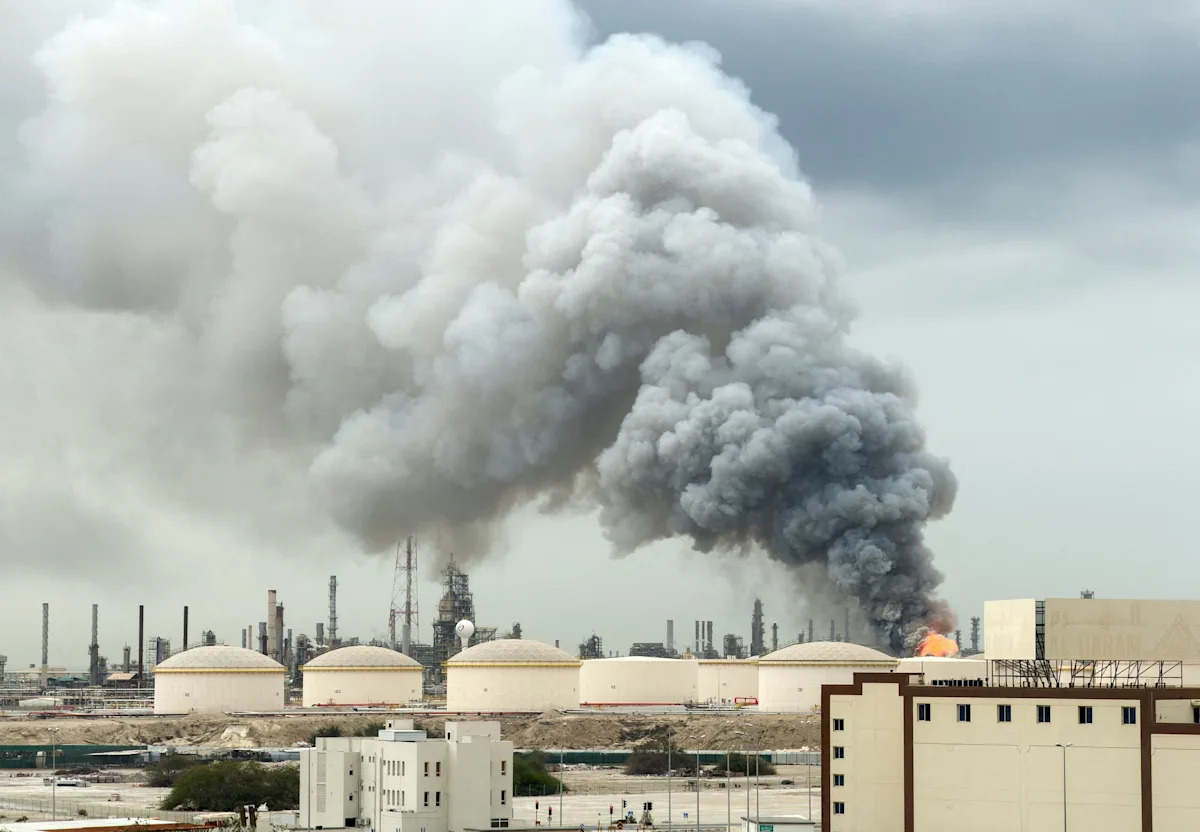
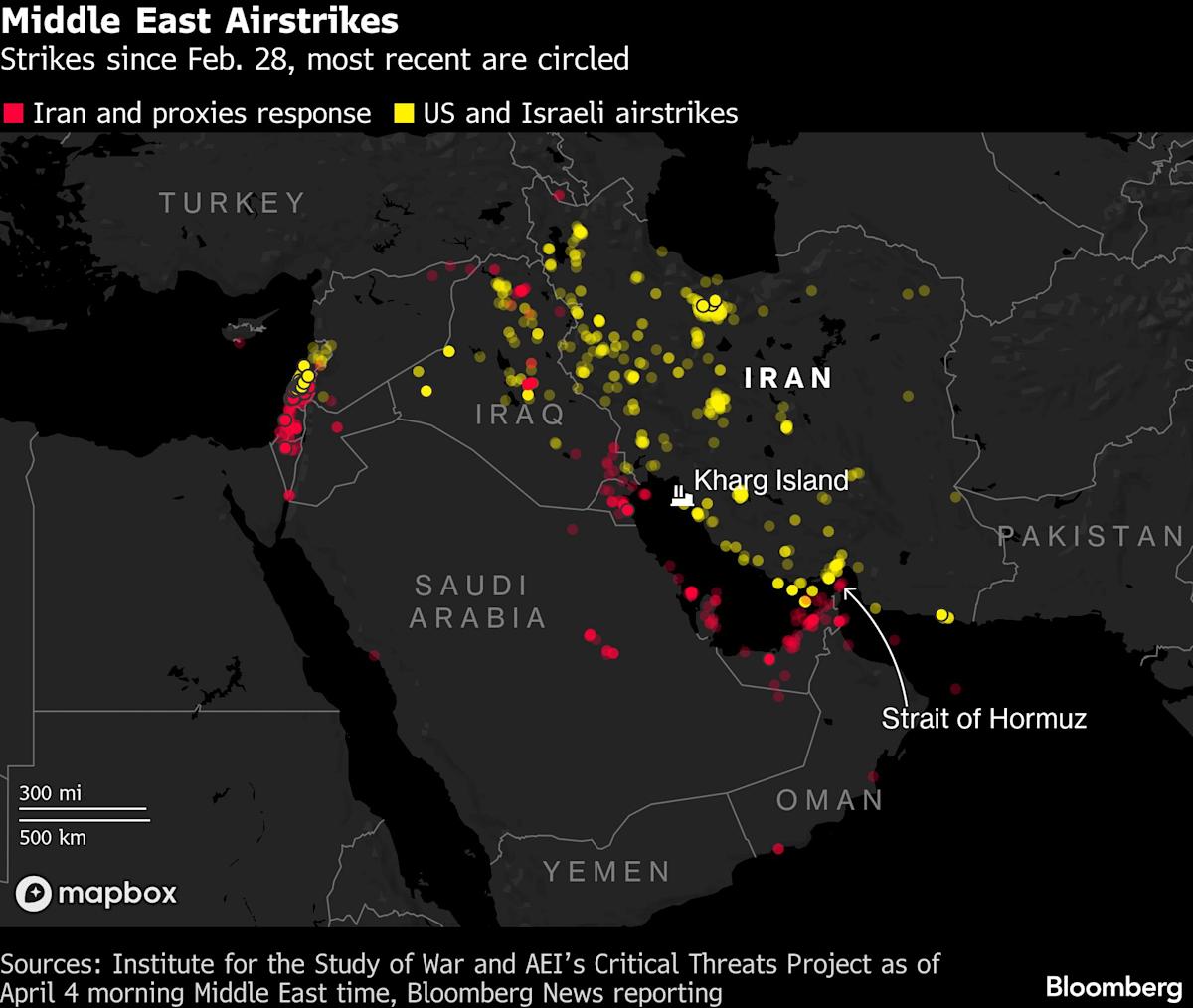
- Market Impact: The near-total closure of the Strait of Hormuz has severely impacted global energy markets in the short term, particularly in Asia where LNG prices surged 106% in 2026, positioning Woodside Energy as a direct beneficiary.
- Contract Security: Woodside has 75% of its LNG volumes contracted for 2026 to 2028, with CEO Elizabeth Westcott noting that this diversified contract mix enhances the company's resilience and ability to capture value during market dislocations.
- Revenue Structure: By 2025, Woodside is expected to derive 56% of its revenue from Asia and 24% from Europe, highlighting its strong market positioning in the Asia-Pacific region, especially amid current energy supply instability.
- Long-Term Growth Potential: Woodside's cash flow is projected to exceed $4 per share over the next three years, easily covering its $1.12 dividend, while investments in the U.S. and Caribbean provide a solid foundation for future growth.
Trade with 70% Backtested Accuracy
Stop guessing "Should I Buy WDS?" and start using high-conviction signals backed by rigorous historical data.
Sign up today to access powerful investing tools and make smarter, data-driven decisions.
Analyst Views on WDS
About WDS
Woodside Energy Group Ltd is a global energy company. Its segments include Australia, International and Marketing. The Australia segment is engaged in the exploration, evaluation, development, production and sale of liquefied natural gas, pipeline gas, crude oil and condensate and natural gas liquids in Australia. International segment is engaged in the exploration, evaluation, development, production and sale of pipeline gas, crude oil and condensate and natural gas liquids in international jurisdictions outside of Australia. Marketing segment is engaged in the marketing, shipping and trading of its oil and gas portfolio. Its projects include Pluto LNG, the North West Shelf Project, Macedon, Sangomar, the lower carbon ammonia project in Texas, and others. It holds an interest in Woodside Louisiana LNG, which is an under-construction LNG production and export terminal in Calcasieu Parish, Louisiana. The Sangomar, containing both oil and gas, is located 100 kilometers south of Dakar.
About the author

Emily J. Thompson
Emily J. Thompson, a Chartered Financial Analyst (CFA) with 12 years in investment research, graduated with honors from the Wharton School. Specializing in industrial and technology stocks, she provides in-depth analysis for Intellectia’s earnings and market brief reports.

Woodside Energy Positioned to Benefit Amid Strait of Hormuz Disruptions

- Market Volatility Opportunity: The near-total closure of the Strait of Hormuz has led to serious short-term ramifications for global energy markets, positioning Woodside Energy to benefit significantly due to its strong Asian exposure and a current dividend yield of 4.6%, especially amid surging energy prices.
- Contract Security: Woodside has already contracted 75% of its LNG volumes for 2026 to 2028, with CEO Elizabeth Westcott noting that this diversified contract mix not only enhances the company's resilience but also allows it to capture value during market dislocations.
- Regional Revenue Structure: By 2025, Woodside is expected to derive 56% of its revenue from Asian markets and 24% from Europe, with nearly all remaining revenue from the Americas, making it more competitive in the current market environment.
- New Asset Investments: Woodside's investments in the U.S., including an ammonia facility in Texas and an LNG terminal under construction in Louisiana, align perfectly with current market demands and are expected to generate substantial cash flow, further solidifying its dividend-paying capacity.
See More

Woodside Energy Positioned to Benefit from Strait of Hormuz Disruptions
- Market Impact: The near-total closure of the Strait of Hormuz has severely impacted global energy markets in the short term, particularly in Asia where LNG prices surged 106% in 2026, positioning Woodside Energy as a direct beneficiary.
- Contract Security: Woodside has 75% of its LNG volumes contracted for 2026 to 2028, with CEO Elizabeth Westcott noting that this diversified contract mix enhances the company's resilience and ability to capture value during market dislocations.
- Revenue Structure: By 2025, Woodside is expected to derive 56% of its revenue from Asia and 24% from Europe, highlighting its strong market positioning in the Asia-Pacific region, especially amid current energy supply instability.
- Long-Term Growth Potential: Woodside's cash flow is projected to exceed $4 per share over the next three years, easily covering its $1.12 dividend, while investments in the U.S. and Caribbean provide a solid foundation for future growth.
See More
Woodside Acquires Beaumont Ammonia Facility
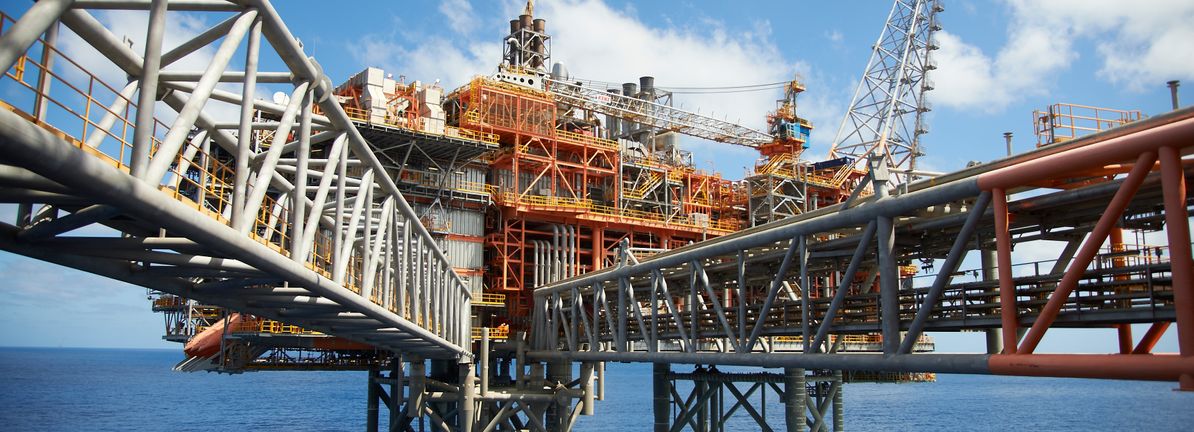
- Acquisition Overview: Woodside Energy Group has acquired the Beaumont New Ammonia facility in southeast Texas for $2.35 billion, which can produce up to 1.10 million tonnes of ammonia annually, providing a new revenue stream despite low-carbon ammonia production being delayed until after 2026.
- Market Opportunity: Woodside is already securing offtake agreements from the conventional ammonia market, indicating that this asset will help broaden its revenue base beyond liquefied natural gas, although LNG remains the primary earnings driver in the near term.
- Production Guidance: The company has set a production guidance of 172-186 MMboe for 2026, underscoring the significance of the Beaumont facility within its broader portfolio, even as ammonia's contribution does not replace LNG's core role.
- Future Outlook: Analysts are pessimistic about Woodside's revenue, projecting a decline of about 5% annually to around $11.7 billion, with the performance of the Beaumont facility being crucial in validating or challenging this outlook.
See More
Woodside Energy Resumes Gas Production After Cyclone Disruption
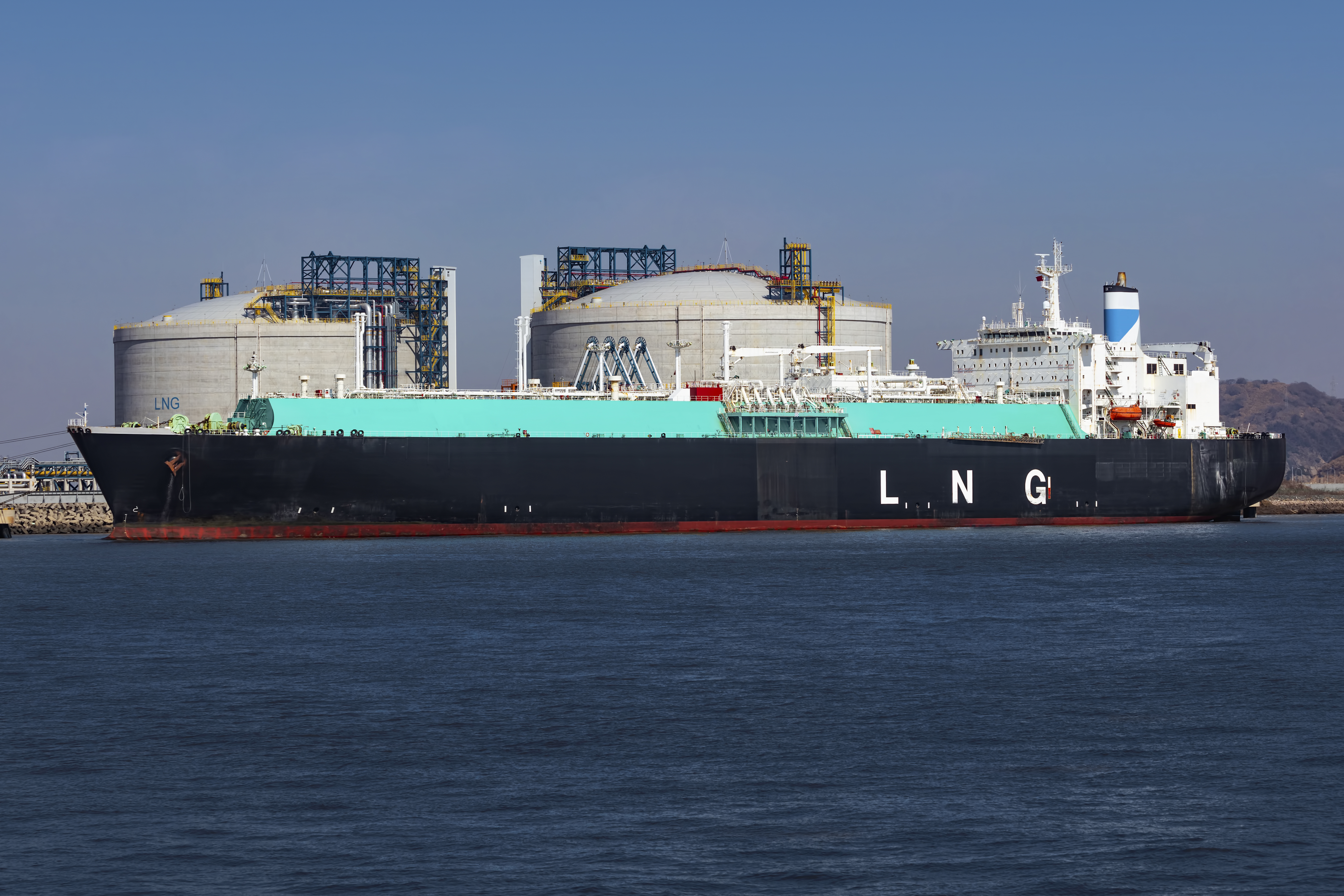
- Production Resumption: Woodside Energy announced on Wednesday that it has restarted liquefied natural gas and domestic gas production at its North West Shelf project after disruptions caused by Tropical Cyclone Narelle, highlighting the company's rapid recovery capabilities in the face of natural disasters.
- Facility Operations: The company stated that the Macedon and Pluto facilities continue to supply gas to Western Australia, ensuring stability in the region's energy supply while reflecting Woodside's effectiveness in crisis management.
- Climate Impact: The cyclone interrupted production at the Karratha gas plant, which feeds the North West Shelf export plant, demonstrating the potential threats posed by extreme weather to energy production, especially amid tightening global supplies.
- Project Adjustment: Woodside also announced the withdrawal of its Browse carbon capture and storage project from the environmental approval process, with plans to resubmit, indicating the company's flexibility and adaptability in environmental compliance.
See More
Investment Protection Strategies Amid Persian Gulf Conflict


- Oil and Gas Stock Opportunities: Amid the ongoing conflict in the Persian Gulf, companies like Devon Energy and Diamondback Energy, focused on U.S. oil production, present attractive investment options due to rising oil prices, especially considering pre-conflict price levels, making them ideal for risk management.
- Refining Sector Benefits: With the 3-2-1 crack spread soaring from $20 at the start of the year to $54, refining companies like Valero Energy and PBF Energy are set to benefit from this trend, provided that demand for transportation products does not suffer due to high prices.
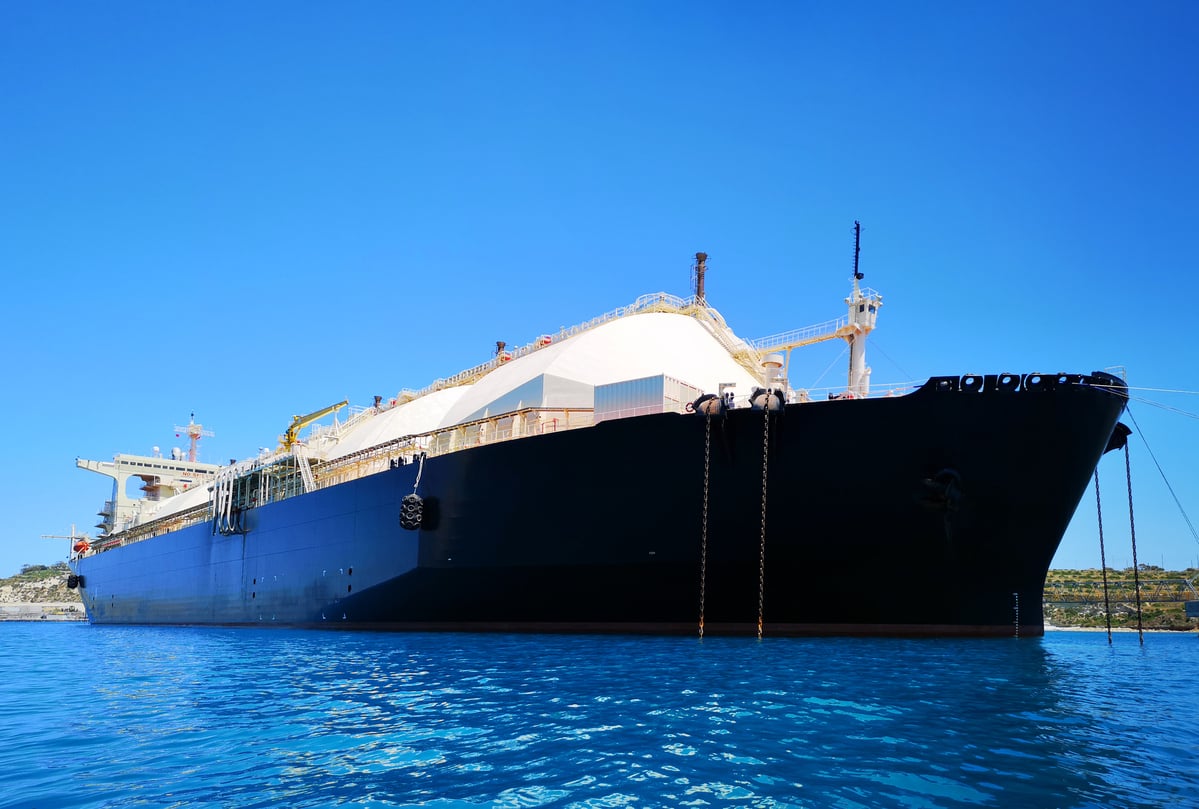
- LNG Supply Gap: The International Energy Agency notes that 34% of global crude oil trade and 20% of LNG trade pass through the Strait of Hormuz, with companies like Woodside Energy and Cheniere Energy positioned to fill the supply gap created by the blockade, particularly for Asian markets.
- Shipping and Fertilizer Sector Outlook: Flex LNG is poised to benefit from increased LNG shipping demand, while CF Industries, as a U.S.-focused fertilizer producer, will leverage its manufacturing facilities in the West and U.S. gas supply to fill the global fertilizer flow gap.
See More

Oil and Gas Sector Benefits from Supply Chain Disruptions
- Supply Chain Impact: Ongoing conflicts in the Persian Gulf are likely to benefit oil, LNG, refining, shipping, and fertilizer companies, particularly U.S. producers and exporters, who are expected to outperform due to supply chain shifts.
- Widening Crack Spread: The 3-2-1 crack spread has surged from under $20 at the start of the year to over $54, which is advantageous for refiners like Valero Energy and PBF Energy, who are likely to continue outperforming the market in a high-price environment.
- LNG Supply Gap Filling: Companies like Woodside Energy, Cheniere Energy, and Equinor are positioned to fill the LNG supply gap created by the Strait blockade, with Cheniere expanding its export capacity expected to ramp up production imminently.
- Fertilizer Producers Benefit: Approximately one-third of global seaborne fertilizer flows through the Strait of Hormuz, and U.S.-focused CF Industries will benefit from its manufacturing facilities in the West and access to domestic gas supplies, enhancing its market competitiveness.
See More
Woodside Energy Positioned to Benefit Amid Strait of Hormuz Disruptions
- Market Volatility Opportunity: The near-total closure of the Strait of Hormuz has led to serious short-term ramifications for global energy markets, positioning Woodside Energy to benefit significantly due to its strong Asian exposure and a current dividend yield of 4.6%, especially amid surging energy prices.
- Contract Security: Woodside has already contracted 75% of its LNG volumes for 2026 to 2028, with CEO Elizabeth Westcott noting that this diversified contract mix not only enhances the company's resilience but also allows it to capture value during market dislocations.
- Regional Revenue Structure: By 2025, Woodside is expected to derive 56% of its revenue from Asian markets and 24% from Europe, with nearly all remaining revenue from the Americas, making it more competitive in the current market environment.
- New Asset Investments: Woodside's investments in the U.S., including an ammonia facility in Texas and an LNG terminal under construction in Louisiana, align perfectly with current market demands and are expected to generate substantial cash flow, further solidifying its dividend-paying capacity.
See More
Woodside Energy Positioned to Benefit from Strait of Hormuz Disruptions
- Market Impact: The near-total closure of the Strait of Hormuz has severely impacted global energy markets in the short term, particularly in Asia where LNG prices surged 106% in 2026, positioning Woodside Energy as a direct beneficiary.
- Contract Security: Woodside has 75% of its LNG volumes contracted for 2026 to 2028, with CEO Elizabeth Westcott noting that this diversified contract mix enhances the company's resilience and ability to capture value during market dislocations.
- Revenue Structure: By 2025, Woodside is expected to derive 56% of its revenue from Asia and 24% from Europe, highlighting its strong market positioning in the Asia-Pacific region, especially amid current energy supply instability.
- Long-Term Growth Potential: Woodside's cash flow is projected to exceed $4 per share over the next three years, easily covering its $1.12 dividend, while investments in the U.S. and Caribbean provide a solid foundation for future growth.
See More
Woodside Acquires Beaumont Ammonia Facility
- Acquisition Overview: Woodside Energy Group has acquired the Beaumont New Ammonia facility in southeast Texas for $2.35 billion, which can produce up to 1.10 million tonnes of ammonia annually, providing a new revenue stream despite low-carbon ammonia production being delayed until after 2026.
- Market Opportunity: Woodside is already securing offtake agreements from the conventional ammonia market, indicating that this asset will help broaden its revenue base beyond liquefied natural gas, although LNG remains the primary earnings driver in the near term.
- Production Guidance: The company has set a production guidance of 172-186 MMboe for 2026, underscoring the significance of the Beaumont facility within its broader portfolio, even as ammonia's contribution does not replace LNG's core role.
- Future Outlook: Analysts are pessimistic about Woodside's revenue, projecting a decline of about 5% annually to around $11.7 billion, with the performance of the Beaumont facility being crucial in validating or challenging this outlook.
See More
Woodside Energy Resumes Gas Production After Cyclone Disruption
- Production Resumption: Woodside Energy announced on Wednesday that it has restarted liquefied natural gas and domestic gas production at its North West Shelf project after disruptions caused by Tropical Cyclone Narelle, highlighting the company's rapid recovery capabilities in the face of natural disasters.
- Facility Operations: The company stated that the Macedon and Pluto facilities continue to supply gas to Western Australia, ensuring stability in the region's energy supply while reflecting Woodside's effectiveness in crisis management.
- Climate Impact: The cyclone interrupted production at the Karratha gas plant, which feeds the North West Shelf export plant, demonstrating the potential threats posed by extreme weather to energy production, especially amid tightening global supplies.
- Project Adjustment: Woodside also announced the withdrawal of its Browse carbon capture and storage project from the environmental approval process, with plans to resubmit, indicating the company's flexibility and adaptability in environmental compliance.
See More
Investment Protection Strategies Amid Persian Gulf Conflict
- Oil and Gas Stock Opportunities: Amid the ongoing conflict in the Persian Gulf, companies like Devon Energy and Diamondback Energy, focused on U.S. oil production, present attractive investment options due to rising oil prices, especially considering pre-conflict price levels, making them ideal for risk management.
- Refining Sector Benefits: With the 3-2-1 crack spread soaring from $20 at the start of the year to $54, refining companies like Valero Energy and PBF Energy are set to benefit from this trend, provided that demand for transportation products does not suffer due to high prices.
- LNG Supply Gap: The International Energy Agency notes that 34% of global crude oil trade and 20% of LNG trade pass through the Strait of Hormuz, with companies like Woodside Energy and Cheniere Energy positioned to fill the supply gap created by the blockade, particularly for Asian markets.
- Shipping and Fertilizer Sector Outlook: Flex LNG is poised to benefit from increased LNG shipping demand, while CF Industries, as a U.S.-focused fertilizer producer, will leverage its manufacturing facilities in the West and U.S. gas supply to fill the global fertilizer flow gap.
See More
Oil and Gas Sector Benefits from Supply Chain Disruptions
- Supply Chain Impact: Ongoing conflicts in the Persian Gulf are likely to benefit oil, LNG, refining, shipping, and fertilizer companies, particularly U.S. producers and exporters, who are expected to outperform due to supply chain shifts.
- Widening Crack Spread: The 3-2-1 crack spread has surged from under $20 at the start of the year to over $54, which is advantageous for refiners like Valero Energy and PBF Energy, who are likely to continue outperforming the market in a high-price environment.
- LNG Supply Gap Filling: Companies like Woodside Energy, Cheniere Energy, and Equinor are positioned to fill the LNG supply gap created by the Strait blockade, with Cheniere expanding its export capacity expected to ramp up production imminently.
- Fertilizer Producers Benefit: Approximately one-third of global seaborne fertilizer flows through the Strait of Hormuz, and U.S.-focused CF Industries will benefit from its manufacturing facilities in the West and access to domestic gas supplies, enhancing its market competitiveness.
See More