Western Digital Shares Down 3.1% Amid Nasdaq 100 Performance
Written by Emily J. Thompson, Senior Investment Analyst
Updated: Mar 18 2026
0mins

Should l Buy WDC?
Source: NASDAQ.COM
- Stock Performance: Western Digital's shares are down 3.1% today, making it the worst performer in the Nasdaq 100, reflecting market concerns about its short-term outlook, which may impact investor confidence.
- Year-to-Date Gains: Despite today's decline, Western Digital has shown a strong year-to-date performance with a 76.4% increase, indicating a robust recovery over the past months that could attract long-term investors.
- Market Dynamics: In contrast, Seagate Technology is down 2.9%, while Arm Holdings is up 1.7%, indicating varied market reactions to different tech companies, which may influence portfolio allocation strategies.
- Investor Sentiment: The volatility in Western Digital's stock price could trigger shifts in investor sentiment towards the entire Nasdaq 100 index, especially against the backdrop of broader pressures on tech stocks, potentially leading to wider market adjustments.
Trade with 70% Backtested Accuracy
Stop guessing "Should I Buy WDC?" and start using high-conviction signals backed by rigorous historical data.
Sign up today to access powerful investing tools and make smarter, data-driven decisions.
Analyst Views on WDC
Wall Street analysts forecast WDC stock price to fall
19 Analyst Rating
15 Buy
4 Hold
0 Sell
Strong Buy
Current: 372.520

Low
135.00
Averages
189.74
High
250.00
Current: 372.520
Low
135.00
Averages
189.74
High
250.00
About WDC
Western Digital Corporation is a developer, manufacturer and provider of data storage devices and solutions on hard disk drives (HDD) technologies. The Company manufactures, markets, and sells data storage devices and solutions through its sales personnel, dealers, distributors, retailers, and subsidiaries. Its portfolio of technology and products addresses end markets: Cloud, Client, and Consumer. Cloud is comprised primarily of products for public or private cloud environments and enterprise customers. Through the Client end market, the Company provides its original equipment manufacturer (OEM) and channel customers with a broad array of high-performance HDD solutions across desktops and notebooks. The Consumer end market offers a range of retail and other end-user products. Its product portfolio includes Internal HDD, Data Center Drives, Data Center Platforms, External Drives, Portable Drives, network-attached storage (NAS) for Home and Office, and Accessories.
About the author

Emily J. Thompson
Emily J. Thompson, a Chartered Financial Analyst (CFA) with 12 years in investment research, graduated with honors from the Wharton School. Specializing in industrial and technology stocks, she provides in-depth analysis for Intellectia’s earnings and market brief reports.

U.S. Stocks Decline Amid Soaring Oil Prices


- Oil Price Surge Impacts Markets: The S&P 500 index fell 0.41%, the Dow Jones Industrial Average dropped 0.31%, and the Nasdaq 100 index declined 0.66% as WTI crude oil prices surged over 5%, indicating market sensitivity to rising energy costs amid doubts about peace talks regarding the Iran war.
- Geopolitical Risks Escalate: Iran's closure of the Strait of Hormuz has raised market concerns, especially following U.S. Navy actions against Iranian tankers, which could exacerbate global oil and fuel shortages, further increasing market uncertainty.
- Earnings Season Continues: So far, 81% of the 48 S&P 500 companies that reported earnings have beaten estimates, with Q1 earnings projected to rise 12% year-over-year; however, excluding the tech sector, the growth is only 3%, indicating signs of overall economic weakness.
- Airline Stocks Under Pressure: Airline and cruise line stocks are broadly down due to rising oil prices, with Norwegian Cruise Line Holdings down over 5% and American Airlines Group down over 4%, reflecting the negative impact of high fuel costs on company profits.
See More

Oil Price Surge Leads to Market Decline
- Market Decline: The S&P 500 index fell by 0.21%, the Dow Jones Industrial Average by 0.04%, and the Nasdaq 100 by 0.24%, indicating investor concerns over rising oil prices that could impact corporate earnings and overall market confidence.
- Oil Price Surge: WTI crude oil prices increased by over 5% due to the closure of the Strait of Hormuz following the US's refusal to lift its naval blockade on Iranian vessels, which could exacerbate global oil and fuel shortages and raise operational costs for affected industries.
- Earnings Expectations: So far, 81% of the 48 S&P 500 companies that reported earnings have exceeded estimates, with Q1 earnings projected to rise by 12% year-over-year; however, excluding the tech sector, growth is only expected to be 3%, indicating signs of an overall economic slowdown.
- Airline and Chip Stocks Under Pressure: Airline stocks are down due to rising fuel costs, with Norwegian Cruise Line Holdings falling over 6%, while chipmakers like Intel are also down more than 2%, reflecting the negative impact of high oil prices across multiple sectors.
See More
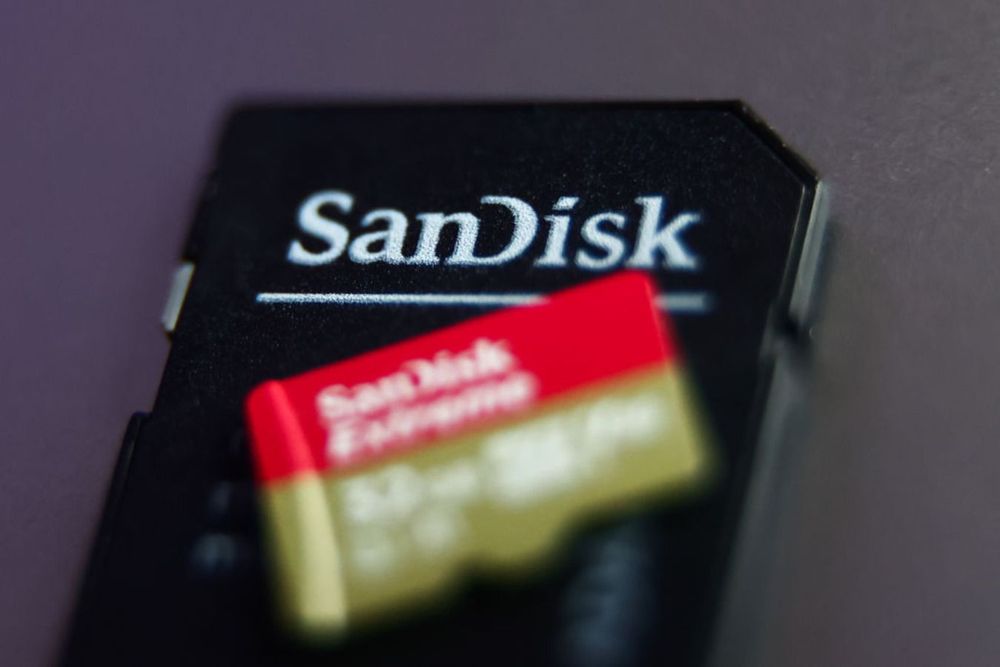
SanDisk Shares Slip Amid Market Pressure and Tensions


- Stock Price Movement: SanDisk shares slipped 1.5% in early Monday trading, primarily influenced by escalating tensions between the U.S. and Iran, despite a staggering 2,500% increase since its split from Western Digital in February last year.
- Nasdaq Inclusion Impact: SanDisk is set to officially join the Nasdaq 100 index on Monday, with an 8% rise since the announcement, which is expected to attract institutional buying, potentially leading to a surge in trading volume and market volatility.
- Memory Chip Supercycle: The memory chip sector is experiencing a 'supercycle' driven by surging demand from AI data centers, with analysts predicting strong demand for the next few years, reflected in quarterly earnings from major players like Micron, Seagate, and Western Digital.
- Retail Sentiment: While retail sentiment for SNDK on Stocktwits remains 'extremely bullish', some retail traders express caution regarding Monday's price movement, suggesting it may fluctuate between 800 and 850 until the upcoming earnings report.
See More

Lam Research Expected to Report Strongest Quarter

- Quarterly Performance Outlook: Jim Cramer highlighted on Mad Money that Lam Research could report the 'strongest quarter', indicating robust demand in the semiconductor equipment market, which may drive stock price appreciation.
- Market Demand Analysis: The equipment produced by Lam Research is essential for memory chip manufacturers, and with increasing market demand for semiconductors, the company's performance is expected to significantly improve, further solidifying its market position.
- Investment Recommendation: Cramer advised investors to buy Lam Research shares in increments, reflecting his confidence in the company's future performance, with expectations of favorable stock movement in the near term.
- Competitive Risk Advisory: Despite the positive outlook for Lam Research, Cramer noted that excessive equipment purchases could pressure competitors like Seagate and Western Digital, suggesting investors should monitor market dynamics closely.
See More

Sandisk to Join Nasdaq-100 on April 20, 2025

- Inclusion in Nasdaq-100: Sandisk is set to join the Nasdaq-100 on April 20, 2025, replacing Atlassian, which underscores its strong demand in the data storage solutions sector, despite Wall Street's general view of overvaluation.
- Stock Performance and Analysis: The stock has surged over 2,700% in the past year, currently priced at $921, with analysts' median target price at $843, indicating an 8% downside risk; however, some analysts project a potential rise to $2,600, suggesting a 182% upside.
- Market Share Growth: Sandisk gained 2 percentage points in the NAND flash market over the past year, ranking fourth, yet outpacing industry leader Samsung, highlighting its competitiveness amid soaring AI data center demand.
- Strong Financial Performance: In Q1 2023, Sandisk's sales jumped 61% to $3 billion, with non-GAAP earnings soaring 404% to $6.20 per share; while future supply-demand imbalances pose risks, the current growth momentum renders its valuation reasonable.
See More

Sandisk Stock Soars 2,700% Ahead of Nasdaq-100 Inclusion
- Stock Surge: Sandisk's stock has surged 2,700% over the past year, primarily driven by strong demand for its data center storage solutions, and its upcoming inclusion in the Nasdaq-100 is expected to further boost its stock price.
- Market Share Growth: Although Sandisk ranks fourth in the NAND flash market, it gained 2 percentage points of market share over the past year, indicating its increasing competitiveness amid surging AI data center demand.
- Strong Financial Performance: In the January quarter of 2023, Sandisk's sales jumped 61% to $3 billion, while non-GAAP adjusted earnings soared 404% to $6.20 per share, reflecting the company's profitability in a rapidly growing market.
- Future Risks: Despite the current supply shortage driving price increases, analysts warn that increased production capacity may lead to a supply glut in the future, potentially causing NAND prices to fall significantly, prompting investors to approach the stock's high valuation with caution.
See More
U.S. Stocks Decline Amid Soaring Oil Prices
- Oil Price Surge Impacts Markets: The S&P 500 index fell 0.41%, the Dow Jones Industrial Average dropped 0.31%, and the Nasdaq 100 index declined 0.66% as WTI crude oil prices surged over 5%, indicating market sensitivity to rising energy costs amid doubts about peace talks regarding the Iran war.
- Geopolitical Risks Escalate: Iran's closure of the Strait of Hormuz has raised market concerns, especially following U.S. Navy actions against Iranian tankers, which could exacerbate global oil and fuel shortages, further increasing market uncertainty.
- Earnings Season Continues: So far, 81% of the 48 S&P 500 companies that reported earnings have beaten estimates, with Q1 earnings projected to rise 12% year-over-year; however, excluding the tech sector, the growth is only 3%, indicating signs of overall economic weakness.
- Airline Stocks Under Pressure: Airline and cruise line stocks are broadly down due to rising oil prices, with Norwegian Cruise Line Holdings down over 5% and American Airlines Group down over 4%, reflecting the negative impact of high fuel costs on company profits.
See More
Oil Price Surge Leads to Market Decline
- Market Decline: The S&P 500 index fell by 0.21%, the Dow Jones Industrial Average by 0.04%, and the Nasdaq 100 by 0.24%, indicating investor concerns over rising oil prices that could impact corporate earnings and overall market confidence.
- Oil Price Surge: WTI crude oil prices increased by over 5% due to the closure of the Strait of Hormuz following the US's refusal to lift its naval blockade on Iranian vessels, which could exacerbate global oil and fuel shortages and raise operational costs for affected industries.
- Earnings Expectations: So far, 81% of the 48 S&P 500 companies that reported earnings have exceeded estimates, with Q1 earnings projected to rise by 12% year-over-year; however, excluding the tech sector, growth is only expected to be 3%, indicating signs of an overall economic slowdown.
- Airline and Chip Stocks Under Pressure: Airline stocks are down due to rising fuel costs, with Norwegian Cruise Line Holdings falling over 6%, while chipmakers like Intel are also down more than 2%, reflecting the negative impact of high oil prices across multiple sectors.
See More
SanDisk Shares Slip Amid Market Pressure and Tensions
- Stock Price Movement: SanDisk shares slipped 1.5% in early Monday trading, primarily influenced by escalating tensions between the U.S. and Iran, despite a staggering 2,500% increase since its split from Western Digital in February last year.
- Nasdaq Inclusion Impact: SanDisk is set to officially join the Nasdaq 100 index on Monday, with an 8% rise since the announcement, which is expected to attract institutional buying, potentially leading to a surge in trading volume and market volatility.
- Memory Chip Supercycle: The memory chip sector is experiencing a 'supercycle' driven by surging demand from AI data centers, with analysts predicting strong demand for the next few years, reflected in quarterly earnings from major players like Micron, Seagate, and Western Digital.
- Retail Sentiment: While retail sentiment for SNDK on Stocktwits remains 'extremely bullish', some retail traders express caution regarding Monday's price movement, suggesting it may fluctuate between 800 and 850 until the upcoming earnings report.
See More
Lam Research Expected to Report Strongest Quarter
- Quarterly Performance Outlook: Jim Cramer highlighted on Mad Money that Lam Research could report the 'strongest quarter', indicating robust demand in the semiconductor equipment market, which may drive stock price appreciation.
- Market Demand Analysis: The equipment produced by Lam Research is essential for memory chip manufacturers, and with increasing market demand for semiconductors, the company's performance is expected to significantly improve, further solidifying its market position.
- Investment Recommendation: Cramer advised investors to buy Lam Research shares in increments, reflecting his confidence in the company's future performance, with expectations of favorable stock movement in the near term.
- Competitive Risk Advisory: Despite the positive outlook for Lam Research, Cramer noted that excessive equipment purchases could pressure competitors like Seagate and Western Digital, suggesting investors should monitor market dynamics closely.
See More
Sandisk to Join Nasdaq-100 on April 20, 2025
- Inclusion in Nasdaq-100: Sandisk is set to join the Nasdaq-100 on April 20, 2025, replacing Atlassian, which underscores its strong demand in the data storage solutions sector, despite Wall Street's general view of overvaluation.
- Stock Performance and Analysis: The stock has surged over 2,700% in the past year, currently priced at $921, with analysts' median target price at $843, indicating an 8% downside risk; however, some analysts project a potential rise to $2,600, suggesting a 182% upside.
- Market Share Growth: Sandisk gained 2 percentage points in the NAND flash market over the past year, ranking fourth, yet outpacing industry leader Samsung, highlighting its competitiveness amid soaring AI data center demand.
- Strong Financial Performance: In Q1 2023, Sandisk's sales jumped 61% to $3 billion, with non-GAAP earnings soaring 404% to $6.20 per share; while future supply-demand imbalances pose risks, the current growth momentum renders its valuation reasonable.
See More
Sandisk Stock Soars 2,700% Ahead of Nasdaq-100 Inclusion
- Stock Surge: Sandisk's stock has surged 2,700% over the past year, primarily driven by strong demand for its data center storage solutions, and its upcoming inclusion in the Nasdaq-100 is expected to further boost its stock price.
- Market Share Growth: Although Sandisk ranks fourth in the NAND flash market, it gained 2 percentage points of market share over the past year, indicating its increasing competitiveness amid surging AI data center demand.
- Strong Financial Performance: In the January quarter of 2023, Sandisk's sales jumped 61% to $3 billion, while non-GAAP adjusted earnings soared 404% to $6.20 per share, reflecting the company's profitability in a rapidly growing market.
- Future Risks: Despite the current supply shortage driving price increases, analysts warn that increased production capacity may lead to a supply glut in the future, potentially causing NAND prices to fall significantly, prompting investors to approach the stock's high valuation with caution.
See More