

Wells Fargo Raises S&P 500 Target to 7,950
Written by Emily J. Thompson, Senior Investment Analyst
Updated: Jun 20 2026
0mins
Source: Yahoo Finance
- Target Upgrade: Wells Fargo raised its 2026 S&P 500 target from 7,300 to 7,950, implying an additional upside of approximately 5.2% from the June 16 close of 7,554, indicating a bullish outlook on the market.
- Earnings Forecast Increase: The bank increased its 2026 earnings-per-share estimate from $315 to $340 and 2027 from $365 to $390, reflecting confidence in future profit growth, even as the forward P/E ratio remains at 23.4, slightly above historical averages.
- Improved Market Conditions: Wells Fargo noted that an interim agreement between the U.S. and Iran has eased geopolitical tensions, and a recent equity selloff has reset investor positioning to a more neutral stance, providing more room for market growth than previously anticipated.
- Confidence in AI Investments: The bank maintains a positive view on semiconductor and infrastructure stocks, believing that ongoing capital expenditures will drive growth in these sectors, and while acknowledging market froth, it asserts that the overall earnings engine still has significant potential for upward movement.
Trade with 70% Backtested Accuracy
Stop guessing "Should I Buy WFC?" and start using high-conviction signals backed by rigorous historical data.
Sign up today to access powerful investing tools and make smarter, data-driven decisions.
Analyst Views on WFC
Wall Street analysts forecast WFC stock price to rise
17 Analyst Rating
10 Buy
6 Hold
1 Sell
Moderate Buy
Current: 82.640

Low
74.00
Averages
98.66
High
113.00
Current: 82.640
Low
74.00
Averages
98.66
High
113.00
About WFC
Wells Fargo & Company is a financial services company. The Company provides a diversified set of banking, investment and mortgage products and services, as well as consumer and commercial finance, to individuals, businesses and institutions. The Company operates through four segments: Consumer Banking and Lending, Commercial Banking, Corporate and Investment Banking, and Wealth & Investment Management. The Company provides consumer financial products and services, including checking and savings accounts, credit and debit cards, and auto, residential mortgage, and small business lending. In addition, the Company offers financial planning, private banking, investment management, and fiduciary services. It also provides financial solutions to businesses through products and services including traditional commercial loans and lines of credit, letters of credit, asset-based lending and leasing, trade financing, treasury management, and investment banking services.
About the author

Emily J. Thompson
Emily J. Thompson, a Chartered Financial Analyst (CFA) with 12 years in investment research, graduated with honors from the Wharton School. Specializing in industrial and technology stocks, she provides in-depth analysis for Intellectia’s earnings and market brief reports.

Meta's Cloud Business Plans Propel Stock Surge Over 10%


- Meta's Cloud Strategy: Meta Platforms announced plans to establish a cloud computing business to monetize its data centers, leading to a stock surge of over 10% after easing market concerns about excessive AI spending, indicating a strategic pivot towards new revenue streams for enhanced financial stability.
- AI Infrastructure Transformation: Previously, Meta only monetized AI through advertising, which, while profitable, was too cyclical to justify extensive cash flow usage; the introduction of a cloud business will provide more stable cash flow to support future AI investments.
- Competitive Landscape Shift: As the only major hyperscaler without a cloud business, Meta's strategic shift not only fills this gap but could also alter the competitive dynamics in the industry, enhancing its position in the cloud computing market.
- Economic Data Impact: The market is closely watching the upcoming nonfarm payroll data, with expectations of around 100,000 new jobs and an unemployment rate steady at 4.3%; a strong labor market could complicate the Fed's policy outlook, further influencing market sentiment.
See More

Market Trends and Company Outlook


- Meta Cloud Business Plan: Meta shares surged over 7% this morning after reports emerged that the social media giant plans to build a cloud business to sell excess AI compute capacity, which not only allows the company to profit from AI investments but also potentially opens new revenue streams.
- Micron Long-Term Agreements Outlook: Micron CEO Sanjay Mehrotra indicated that more long-term supply agreements are expected, with 16 currently in place; as memory chip prices soar and supply tightens, this will provide greater market visibility and confidence for Micron's future plans.
- Nike's Underwhelming Quarter: Nike's quarterly results were uninspiring, showing slight improvement over the previous two quarters but not enough to anticipate a major turnaround, reflecting analysts' cautious sentiment regarding the brand's future performance.
- QXO Acquires TopBuild: QXO has completed its acquisition of TopBuild, enhancing its position in the building products distribution market, with expectations to become number one in insulation and waterproofing in North America, showcasing the company's strong expansion potential in the construction sector.
See More
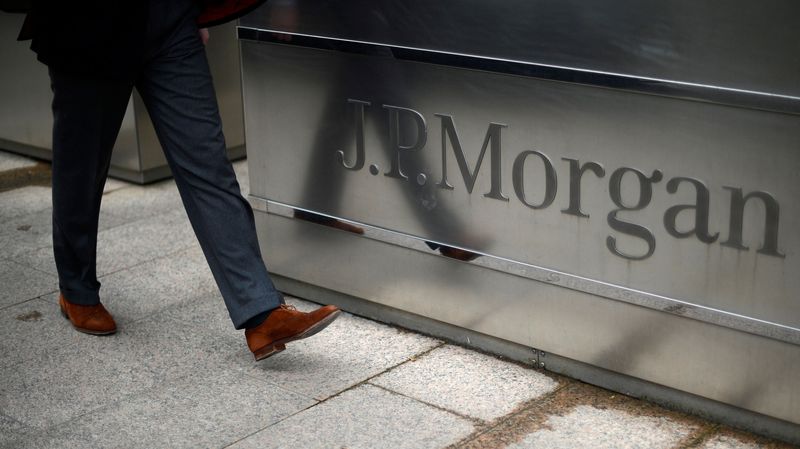
U.S. Major Banks Pass Stress Tests, Boost Dividends


- Stress Test Results: The 32 largest U.S. banks passed the Federal Reserve's stress tests, demonstrating their ability to absorb nearly $708 billion in losses, which enhances market confidence in the banking sector.
- Dividend Increases: Following the test results, banks like JPMorgan Chase, Goldman Sachs, and Wells Fargo raised their dividends, indicating their capacity to return capital to investors even under economic stress, likely attracting more investor interest in bank stocks.
- Share Buyback Plans: JPMorgan Chase initiated a $50 million share buyback, while Morgan Stanley launched a $20 million repurchase plan, which will reduce the number of outstanding shares, thereby boosting earnings per share and further driving up stock prices.
- Optimistic Market Outlook: With second-quarter earnings reports approaching, the banking sector is expected to perform strongly, particularly given record investment banking revenues, which should drive stock prices higher and attract more investors.
See More

Federal Reserve Annual Stress Test Results
- Stress Test Success: The Federal Reserve's annual stress test revealed that the 32 largest U.S. banks could absorb nearly $708 billion in losses during a hypothetical severe recession, indicating strong capital adequacy and the ability to continue lending, thereby bolstering market confidence in the banking system.
- Capital Ratio Dynamics: Under the hypothetical recession scenario, the aggregate common equity tier 1 (CET1) capital ratio of these banks fell from 12.8% in Q4 2025 to 11.2%, yet remained above regulatory minimums, recovering to 12.7%, showcasing the banks' resilience and recovery capacity.
- Dividends and Buybacks: Following the stress test results, major banks like JPMorgan Chase and Wells Fargo announced dividend increases and initiated share buyback plans, with JPMorgan planning a $50 million buyback, which not only enhances investor returns but also reflects the banks' capital strength and profitability.
- Favorable Investment Timing: This is an opportune time to invest in large banks as most are raising dividends and planning stock buybacks, with second-quarter earnings reports on the horizon; strong performance is expected, especially after a robust Q2 stock market, which could further drive bank stock prices upward.
See More

Federal Reserve Rate Hike Expectations Rise

- Inflation Data Surprises: The Personal Consumption Expenditures Price Index revealed a 4.1% year-over-year increase in May, with a 3.4% rise excluding food and energy, both significantly above the Fed's 2% target, potentially forcing an earlier rate hike to combat persistent inflation.
- Strong Labor Market: An average of over 188,000 net jobs added monthly over the past three months indicates a resilient labor market, providing the Fed with the confidence to raise rates, suggesting that the economy can withstand higher interest rates.
- Market Rate Hike Expectations: Futures markets are pricing in a 63% chance of a rate hike at the September meeting, with an 80% likelihood of a higher benchmark rate in a year, reflecting strong investor sentiment regarding future rate increases that could impact overall market dynamics.
- Financial Stocks Benefit: Rising interest rates will likely widen the net interest margins for major banks like JPMorgan Chase and Bank of America, boosting profits; the Financial Select Sector SPDR ETF has risen 4.2% in the past month, outperforming the broader market, indicating potential gains for financial stocks in a higher rate environment.
See More
Fed Rate Hike Expectations Boost Financial Stocks
- Rate Hike Expectations: The futures market indicates a 63% chance that the Fed will raise rates at the September meeting, which will widen the net interest margins for financial institutions like JPMorgan Chase and Bank of America, enhancing their profitability and reflecting market optimism towards financial stocks.
- Strong Financial Stock Performance: Over the past month, the State Street Financial Select Sector SPDR ETF, which tracks the S&P 500 financial sector, has risen approximately 4.2%, while the broader S&P 500 index has declined about 2%, showcasing the robust performance of financial stocks amid rising rate expectations.
- Increased Earnings for Insurers: As interest rates rise, insurance companies can invest premiums at higher yields, benefiting firms like Berkshire Hathaway and Allstate, which will enhance returns on their investment portfolios.
- Brokerage Profit Growth: Brokerages such as LPL Financial and Charles Schwab will earn more on the substantial cash held for clients, as they invest this cash in short-term securities that are most sensitive to Fed rate hikes, likely driving their profit growth.
See More
Meta's Cloud Business Plans Propel Stock Surge Over 10%
- Meta's Cloud Strategy: Meta Platforms announced plans to establish a cloud computing business to monetize its data centers, leading to a stock surge of over 10% after easing market concerns about excessive AI spending, indicating a strategic pivot towards new revenue streams for enhanced financial stability.
- AI Infrastructure Transformation: Previously, Meta only monetized AI through advertising, which, while profitable, was too cyclical to justify extensive cash flow usage; the introduction of a cloud business will provide more stable cash flow to support future AI investments.
- Competitive Landscape Shift: As the only major hyperscaler without a cloud business, Meta's strategic shift not only fills this gap but could also alter the competitive dynamics in the industry, enhancing its position in the cloud computing market.
- Economic Data Impact: The market is closely watching the upcoming nonfarm payroll data, with expectations of around 100,000 new jobs and an unemployment rate steady at 4.3%; a strong labor market could complicate the Fed's policy outlook, further influencing market sentiment.
See More
Market Trends and Company Outlook
- Meta Cloud Business Plan: Meta shares surged over 7% this morning after reports emerged that the social media giant plans to build a cloud business to sell excess AI compute capacity, which not only allows the company to profit from AI investments but also potentially opens new revenue streams.
- Micron Long-Term Agreements Outlook: Micron CEO Sanjay Mehrotra indicated that more long-term supply agreements are expected, with 16 currently in place; as memory chip prices soar and supply tightens, this will provide greater market visibility and confidence for Micron's future plans.
- Nike's Underwhelming Quarter: Nike's quarterly results were uninspiring, showing slight improvement over the previous two quarters but not enough to anticipate a major turnaround, reflecting analysts' cautious sentiment regarding the brand's future performance.
- QXO Acquires TopBuild: QXO has completed its acquisition of TopBuild, enhancing its position in the building products distribution market, with expectations to become number one in insulation and waterproofing in North America, showcasing the company's strong expansion potential in the construction sector.
See More
U.S. Major Banks Pass Stress Tests, Boost Dividends
- Stress Test Results: The 32 largest U.S. banks passed the Federal Reserve's stress tests, demonstrating their ability to absorb nearly $708 billion in losses, which enhances market confidence in the banking sector.
- Dividend Increases: Following the test results, banks like JPMorgan Chase, Goldman Sachs, and Wells Fargo raised their dividends, indicating their capacity to return capital to investors even under economic stress, likely attracting more investor interest in bank stocks.
- Share Buyback Plans: JPMorgan Chase initiated a $50 million share buyback, while Morgan Stanley launched a $20 million repurchase plan, which will reduce the number of outstanding shares, thereby boosting earnings per share and further driving up stock prices.
- Optimistic Market Outlook: With second-quarter earnings reports approaching, the banking sector is expected to perform strongly, particularly given record investment banking revenues, which should drive stock prices higher and attract more investors.
See More
Federal Reserve Annual Stress Test Results
- Stress Test Success: The Federal Reserve's annual stress test revealed that the 32 largest U.S. banks could absorb nearly $708 billion in losses during a hypothetical severe recession, indicating strong capital adequacy and the ability to continue lending, thereby bolstering market confidence in the banking system.
- Capital Ratio Dynamics: Under the hypothetical recession scenario, the aggregate common equity tier 1 (CET1) capital ratio of these banks fell from 12.8% in Q4 2025 to 11.2%, yet remained above regulatory minimums, recovering to 12.7%, showcasing the banks' resilience and recovery capacity.
- Dividends and Buybacks: Following the stress test results, major banks like JPMorgan Chase and Wells Fargo announced dividend increases and initiated share buyback plans, with JPMorgan planning a $50 million buyback, which not only enhances investor returns but also reflects the banks' capital strength and profitability.
- Favorable Investment Timing: This is an opportune time to invest in large banks as most are raising dividends and planning stock buybacks, with second-quarter earnings reports on the horizon; strong performance is expected, especially after a robust Q2 stock market, which could further drive bank stock prices upward.
See More
Federal Reserve Rate Hike Expectations Rise
- Inflation Data Surprises: The Personal Consumption Expenditures Price Index revealed a 4.1% year-over-year increase in May, with a 3.4% rise excluding food and energy, both significantly above the Fed's 2% target, potentially forcing an earlier rate hike to combat persistent inflation.
- Strong Labor Market: An average of over 188,000 net jobs added monthly over the past three months indicates a resilient labor market, providing the Fed with the confidence to raise rates, suggesting that the economy can withstand higher interest rates.
- Market Rate Hike Expectations: Futures markets are pricing in a 63% chance of a rate hike at the September meeting, with an 80% likelihood of a higher benchmark rate in a year, reflecting strong investor sentiment regarding future rate increases that could impact overall market dynamics.
- Financial Stocks Benefit: Rising interest rates will likely widen the net interest margins for major banks like JPMorgan Chase and Bank of America, boosting profits; the Financial Select Sector SPDR ETF has risen 4.2% in the past month, outperforming the broader market, indicating potential gains for financial stocks in a higher rate environment.
See More
Fed Rate Hike Expectations Boost Financial Stocks
- Rate Hike Expectations: The futures market indicates a 63% chance that the Fed will raise rates at the September meeting, which will widen the net interest margins for financial institutions like JPMorgan Chase and Bank of America, enhancing their profitability and reflecting market optimism towards financial stocks.
- Strong Financial Stock Performance: Over the past month, the State Street Financial Select Sector SPDR ETF, which tracks the S&P 500 financial sector, has risen approximately 4.2%, while the broader S&P 500 index has declined about 2%, showcasing the robust performance of financial stocks amid rising rate expectations.
- Increased Earnings for Insurers: As interest rates rise, insurance companies can invest premiums at higher yields, benefiting firms like Berkshire Hathaway and Allstate, which will enhance returns on their investment portfolios.
- Brokerage Profit Growth: Brokerages such as LPL Financial and Charles Schwab will earn more on the substantial cash held for clients, as they invest this cash in short-term securities that are most sensitive to Fed rate hikes, likely driving their profit growth.
See More




