Washington State Imposes First-Ever High-Income Tax
Written by Emily J. Thompson, Senior Investment Analyst
Updated: 1 hour ago
0mins

Should l Buy AMZN?
Source: Newsfilter
- Controversial New Tax: Washington state has passed legislation imposing a 9.9% income tax on individuals earning over $1 million annually, marking its first-ever income tax and potentially leading to an exodus of high earners to states without income tax, as it becomes one of the highest rates in the nation.
- Significant Marriage Penalty: The tax disproportionately affects married couples, as their combined income exceeding $1 million triggers taxation, resulting in potential tax liabilities of up to $99,000, with tax experts noting that Washington's marriage penalty is the largest in the country, impacting many dual-income families.
- Risk of High-Income Migration: With notable entrepreneurs like Jeff Bezos and Howard Schultz relocating to Florida, which has no income tax, analysts warn that the new tax could accelerate the departure of high-income earners, thereby affecting the economic vitality of Washington state.
- Policy Consistency Concerns: While state lawmakers have not directly addressed concerns regarding the marriage penalty, State Senator Noel Frame indicated that the $1 million standard deduction aligns with the capital gains tax structure passed in 2021, aiming to simplify tax administration; however, this policy may disproportionately impact high-income households.
Trade with 70% Backtested Accuracy
Stop guessing "Should I Buy AMZN?" and start using high-conviction signals backed by rigorous historical data.
Sign up today to access powerful investing tools and make smarter, data-driven decisions.
Analyst Views on AMZN
Wall Street analysts forecast AMZN stock price to rise
44 Analyst Rating
41 Buy
3 Hold
0 Sell
Strong Buy
Current: 208.760

Low
175.00
Averages
280.01
High
325.00
Current: 208.760
Low
175.00
Averages
280.01
High
325.00
About AMZN
Amazon.com, Inc. provides a range of products and services to customers. The products offered through its stores include merchandise and content it has purchased for resale and products offered by third-party sellers. The Company’s segments include North America, International and Amazon Web Services (AWS). It serves consumers through its online and physical stores and focuses on selection, price, and convenience. Customers access its offerings through its websites, mobile apps, Alexa, devices, streaming, and physically visiting its stores. It also manufactures and sells electronic devices, including Kindle, Fire tablet, Fire TV, Echo, Ring, Blink, and eero, and develops and produces media content. It serves developers and enterprises of all sizes, including start-ups, government agencies, and academic institutions, through AWS, which offers a set of on-demand technology services, including compute, storage, database, analytics, and machine learning, and other services.
About the author

Emily J. Thompson
Emily J. Thompson, a Chartered Financial Analyst (CFA) with 12 years in investment research, graduated with honors from the Wharton School. Specializing in industrial and technology stocks, she provides in-depth analysis for Intellectia’s earnings and market brief reports.

Amazon Revives Smartphone Project After Fire Phone Failure

- New Smartphone Development: Amazon is internally developing a new smartphone called “Transformer” within its devices and services unit, aiming to compete with Apple and Samsung, although the specific timeline remains unclear.
- Personalization Features: The phone is seen as a potential mobile personalization device that can sync with the home voice assistant Alexa, thereby providing convenience to Amazon customers throughout their daily lives and enhancing user engagement.
- Market Implications: While Amazon has not disclosed the financial commitment or expected revenue for the project, the revival of its smartphone initiative indicates the company's ongoing interest in the mobile market, which could impact its overall market strategy.
- Learning from History: Amazon's previous attempt with the Fire Phone in 2014 was quickly scrapped due to poor market reception, and this new endeavor may leverage lessons learned to avoid repeating past mistakes.
See More

Amazon Acquires Swiss Robotics Startup Rivr to Enhance Logistics
- Acquisition Context: Amazon has acquired Swiss startup Rivr, valued at $110 million, to enhance logistics efficiency and reduce costs, reflecting its ongoing commitment to investing in automation technologies.
- Technological Innovation: Rivr's four-legged and wheeled robots can navigate streets and stairs, utilizing their own AI models and data for training, thereby improving last-mile delivery efficiency and enabling human drivers to increase deliveries per trip.
- Market Reaction: Despite the acquisition news, AMZN stock has climbed about 6.7% over the past year, yet retail sentiment on Stocktwits remains in the 'extremely bearish' territory, indicating concerns about future performance.
- Automation Strategy: This acquisition will further advance Amazon's automation efforts in its logistics network, where over a million robots have already been deployed, aiming to enhance safety and efficiency in delivery services through robotics integration.
See More

AI Market Volatility Impacts Three Major Tech Stocks

- AWS Impairment: Amazon's AWS faces significant challenges as Iranian attacks have left two of its three availability zones in the UAE impaired, which could lead to reduced cloud service revenues and negatively impact overall profitability.
- Nvidia Under Pressure: Rising oil prices may push energy costs for data center operators to 60% of their expenses, potentially forcing AI companies to cut back on purchases of Nvidia's expensive GPUs, thereby affecting Nvidia's market share and revenue growth.
- TSMC Order Slowdown: As the world's largest contract chipmaker, TSMC may see a decline in revenue due to slower orders from fabless chipmakers, compounded by rising energy costs that will increase its manufacturing expenses and further squeeze profit margins.
- Investor Patience Required: Despite short-term challenges, Amazon, Nvidia, and TSMC maintain dominant positions in their respective markets, and investors should focus on long-term growth potential rather than reacting to short-term market fluctuations, avoiding myopic decisions due to escalating Iranian conflict.
See More

U.S. Stocks Decline Amid Rising Energy Costs and Inflation Fears


- Market Decline: The S&P 500 Index fell by 0.88% and the Nasdaq 100 Index dropped by 1.22%, both reaching 3.75-month lows, indicating market concerns over rising energy costs potentially impacting economic growth and inflation.
- Rising Bond Yields: The 10-year Treasury note yield rose to 4.38%, a 7.5-month high, reflecting market fears that surging energy prices from the Iran conflict will boost inflation and may force the Fed to tighten monetary policy.
- Escalating International Tensions: The Iran war has entered its 21st day with attacks on neighboring countries, leading Kuwait to shut down refinery units and Saudi Arabia and the UAE intercepting Iranian missiles, worsening market sentiment and increasing investor anxiety.
- Increased Market Volatility: With the quarterly triple witching event, approximately $5.7 trillion in options and derivatives are set to expire, potentially heightening market volatility and further intensifying investor unease.
See More
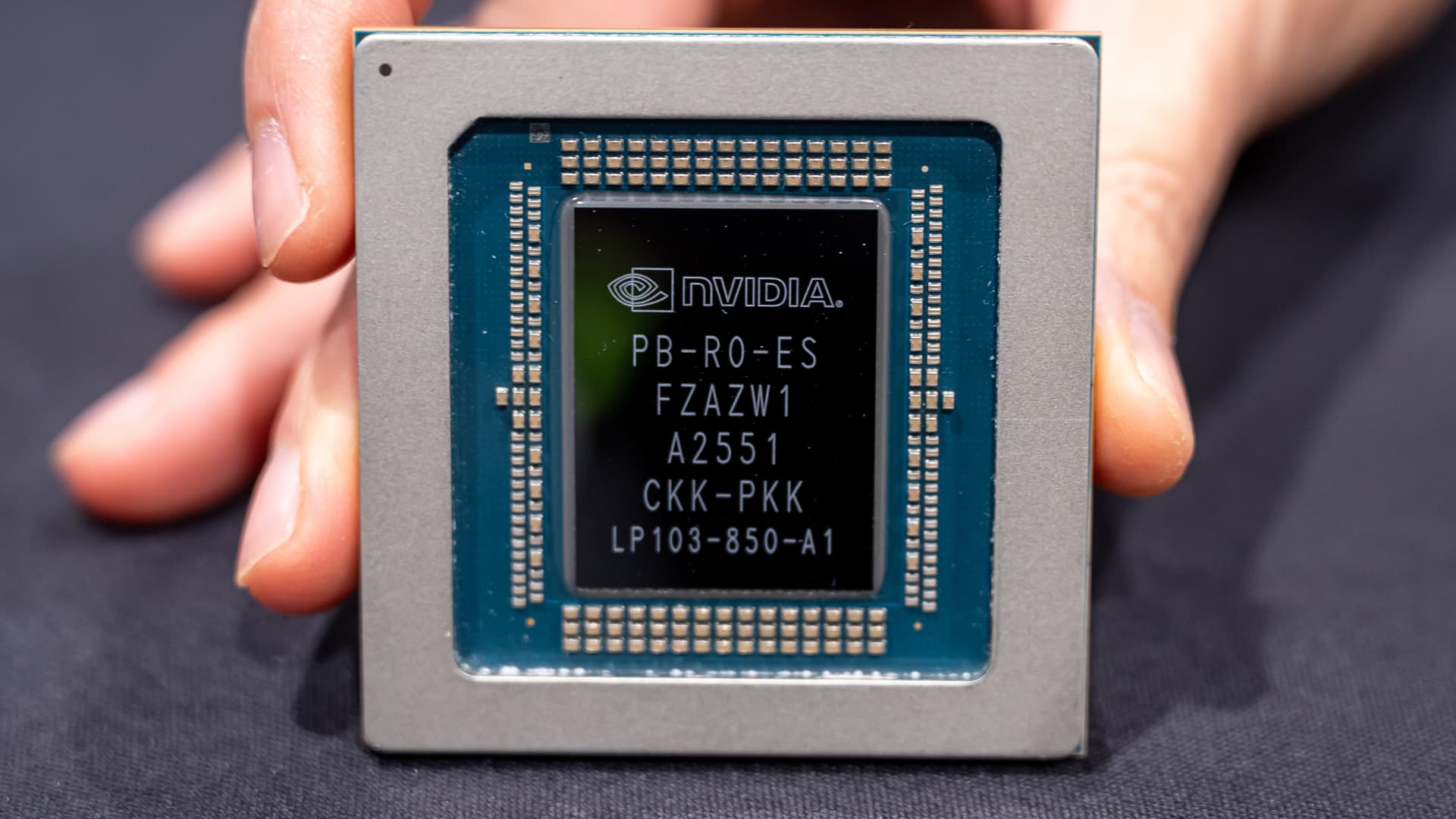
Market Volatility and Investment Signal Analysis


- Market Dynamics: The stock market fell on Friday, with the Dow dropping over 200 points as investors closely monitored the situation in Iran, indicating the market's sensitivity to sudden events and underscoring the importance of a long-term investment perspective.
- Nvidia Stock Performance: Despite a Reuters report that Nvidia is selling 1 million chips to Amazon by the end of 2027, the stock still dipped 1%, reflecting market disappointment and investor concerns over short-term volatility following positive announcements at the GTC conference.
- Salesforce Insider Transactions: Salesforce board member Laura Alber purchased approximately $500,000 worth of stock on Thursday, following a similar purchase by fellow director David Kirk, indicating executive confidence in the stock's value, while the company also initiated a record $25 billion accelerated share repurchase program.
- Rapid Stock Review: Stocks mentioned at the end of Friday's video included FedEx, Super Micro Computer, and Dell Technologies, reflecting investor interest in a diverse range of companies and the demand for a diversified investment portfolio.
See More

US Stocks Decline Amid Iran War Concerns

- Market Pressure Intensifies: The S&P 500 index fell by 0.37%, and the Nasdaq 100 dropped to a 3.75-month low as rising bond yields raised inflation concerns, indicating a pessimistic outlook for future economic conditions.
- Surging Energy Prices: The IEA reported that the Iran war is disrupting 7.5 million barrels per day of global oil supply, and the closure of the Strait of Hormuz has obstructed about one-fifth of the world's oil flow, potentially pushing crude prices above the 2008 record high of nearly $150 per barrel.
- Fed Policy Expectations: The market is pricing in only a 10% chance of a 25 basis point rate hike by the Fed at the April meeting, reflecting investor concerns over slowing economic growth, which could influence future monetary policy directions.
- Tech Stocks Decline: The
See More
Amazon Revives Smartphone Project After Fire Phone Failure
- New Smartphone Development: Amazon is internally developing a new smartphone called “Transformer” within its devices and services unit, aiming to compete with Apple and Samsung, although the specific timeline remains unclear.
- Personalization Features: The phone is seen as a potential mobile personalization device that can sync with the home voice assistant Alexa, thereby providing convenience to Amazon customers throughout their daily lives and enhancing user engagement.
- Market Implications: While Amazon has not disclosed the financial commitment or expected revenue for the project, the revival of its smartphone initiative indicates the company's ongoing interest in the mobile market, which could impact its overall market strategy.
- Learning from History: Amazon's previous attempt with the Fire Phone in 2014 was quickly scrapped due to poor market reception, and this new endeavor may leverage lessons learned to avoid repeating past mistakes.
See More
Amazon Acquires Swiss Robotics Startup Rivr to Enhance Logistics
- Acquisition Context: Amazon has acquired Swiss startup Rivr, valued at $110 million, to enhance logistics efficiency and reduce costs, reflecting its ongoing commitment to investing in automation technologies.
- Technological Innovation: Rivr's four-legged and wheeled robots can navigate streets and stairs, utilizing their own AI models and data for training, thereby improving last-mile delivery efficiency and enabling human drivers to increase deliveries per trip.
- Market Reaction: Despite the acquisition news, AMZN stock has climbed about 6.7% over the past year, yet retail sentiment on Stocktwits remains in the 'extremely bearish' territory, indicating concerns about future performance.
- Automation Strategy: This acquisition will further advance Amazon's automation efforts in its logistics network, where over a million robots have already been deployed, aiming to enhance safety and efficiency in delivery services through robotics integration.
See More
AI Market Volatility Impacts Three Major Tech Stocks
- AWS Impairment: Amazon's AWS faces significant challenges as Iranian attacks have left two of its three availability zones in the UAE impaired, which could lead to reduced cloud service revenues and negatively impact overall profitability.
- Nvidia Under Pressure: Rising oil prices may push energy costs for data center operators to 60% of their expenses, potentially forcing AI companies to cut back on purchases of Nvidia's expensive GPUs, thereby affecting Nvidia's market share and revenue growth.
- TSMC Order Slowdown: As the world's largest contract chipmaker, TSMC may see a decline in revenue due to slower orders from fabless chipmakers, compounded by rising energy costs that will increase its manufacturing expenses and further squeeze profit margins.
- Investor Patience Required: Despite short-term challenges, Amazon, Nvidia, and TSMC maintain dominant positions in their respective markets, and investors should focus on long-term growth potential rather than reacting to short-term market fluctuations, avoiding myopic decisions due to escalating Iranian conflict.
See More
U.S. Stocks Decline Amid Rising Energy Costs and Inflation Fears
- Market Decline: The S&P 500 Index fell by 0.88% and the Nasdaq 100 Index dropped by 1.22%, both reaching 3.75-month lows, indicating market concerns over rising energy costs potentially impacting economic growth and inflation.
- Rising Bond Yields: The 10-year Treasury note yield rose to 4.38%, a 7.5-month high, reflecting market fears that surging energy prices from the Iran conflict will boost inflation and may force the Fed to tighten monetary policy.
- Escalating International Tensions: The Iran war has entered its 21st day with attacks on neighboring countries, leading Kuwait to shut down refinery units and Saudi Arabia and the UAE intercepting Iranian missiles, worsening market sentiment and increasing investor anxiety.
- Increased Market Volatility: With the quarterly triple witching event, approximately $5.7 trillion in options and derivatives are set to expire, potentially heightening market volatility and further intensifying investor unease.
See More
Market Volatility and Investment Signal Analysis
- Market Dynamics: The stock market fell on Friday, with the Dow dropping over 200 points as investors closely monitored the situation in Iran, indicating the market's sensitivity to sudden events and underscoring the importance of a long-term investment perspective.
- Nvidia Stock Performance: Despite a Reuters report that Nvidia is selling 1 million chips to Amazon by the end of 2027, the stock still dipped 1%, reflecting market disappointment and investor concerns over short-term volatility following positive announcements at the GTC conference.
- Salesforce Insider Transactions: Salesforce board member Laura Alber purchased approximately $500,000 worth of stock on Thursday, following a similar purchase by fellow director David Kirk, indicating executive confidence in the stock's value, while the company also initiated a record $25 billion accelerated share repurchase program.
- Rapid Stock Review: Stocks mentioned at the end of Friday's video included FedEx, Super Micro Computer, and Dell Technologies, reflecting investor interest in a diverse range of companies and the demand for a diversified investment portfolio.
See More
US Stocks Decline Amid Iran War Concerns
- Market Pressure Intensifies: The S&P 500 index fell by 0.37%, and the Nasdaq 100 dropped to a 3.75-month low as rising bond yields raised inflation concerns, indicating a pessimistic outlook for future economic conditions.
- Surging Energy Prices: The IEA reported that the Iran war is disrupting 7.5 million barrels per day of global oil supply, and the closure of the Strait of Hormuz has obstructed about one-fifth of the world's oil flow, potentially pushing crude prices above the 2008 record high of nearly $150 per barrel.
- Fed Policy Expectations: The market is pricing in only a 10% chance of a 25 basis point rate hike by the Fed at the April meeting, reflecting investor concerns over slowing economic growth, which could influence future monetary policy directions.
- Tech Stocks Decline: The
See More