Warner Bros. Discovery Announces Deal Proposal with Paramount
"Now Streaming" is The Fly's weekly recap of the stories surrounding the biggest content streamers.PLAYING THIS WEEKEND:Among this weekend's most notable new streaming content is part two of season four of Netflixperiod drama "Bridgerton." Meanwhile, Hulusubscribers can catch new seasons of "Paradise" and "Scrubs," while HBO Maxusers can watch the first episode of "DTF St. Louis."WARNER BROS. DISCOVERY/PARAMOUNT:On Thursday, Warner Bros. Discovery announced that its Board of Directors, following consultation with its independent financial and legal advisors, has determined that the previously disclosed proposal from Paramount Skydance Corporationconstitutes a "Company Superior Proposal" as defined in WBD's merger agreement with Netflix. As disclosed by WBD on February 24, 2026, PSKY's proposal includes a purchase price of $31.00 per WBD share in cash, plus a daily ticking fee equal to $0.25 per share per quarter beginning after September 30, 2026, as well as a $7 billion regulatory termination fee payable by PSKY in the event the transaction does not close due to regulatory matters, payment by PSKY of the $2.8 billion termination fee that WBD would be required to pay to Netflix to terminate the existing Netflix merger agreement, an obligation of Larry J. Ellison and an associated trust to contribute additional equity funding to the extent needed to support the solvency certificate required by PSKY's lending banks, and a "Company Material Adverse Effect" definition that excludes the performance of WBD's Global Linear Networks segment.Following this announcement, Netflix said that it has declined to raise its offer for Warner Bros., with coc-CEOs Ted Sarandos and Greg Peters saying, "The transaction we negotiated would have created shareholder value with a clear path to regulatory approval. However, we've always been disciplined, and at the price required to match Paramount Skydance's latest offer, the deal is no longer financially attractive, so we are declining to match the Paramount Skydance bid. Warner Bros. is a world-class organization, and we want to thank David Zaslav, Gunnar Wiedenfels, Bruce Campbell, Brad Singer and the WBD Board for running a fair and rigorous process. We believe we would have been strong stewards of Warner Bros.' iconic brands, and that our deal would have strengthened the entertainment industry and preserved and created more production jobs in the U.S. But this transaction was always a 'nice to have' at the right price, not a 'must have' at any price. Netflix's business is healthy, strong and growing organically, powered by our slate and best-in-class streaming service. This year, we'll invest approximately $20 billion in quality films and series and will expand our entertaining offering. Consistent with our capital allocation policy, we'll also resume our share repurchase program. We will continue to do what we've done for more than 20 years as a public company: delight our members, profitably grow our business, and drive long-term shareholder value."Meanwhile, on Friday, CNBC's Dan Mangan and Eamon Javers reported that Netflix CEO Ted Sarandos visited the Whie House for a meeting related to the company's efforts to purchase Warner Bros. Discovery shortly before announcing the company would terminate the deal. Sarandos did not meet with U.S. President Donald Trump, but was meeting with staff members of the White House. After arriving to the White House, Warner Bros. issued a statement that Paramount Skydance's new bid appeared to be a "superior proposal" to Netflix's offer.WARNER BROS. DISCOVERY RESULTS:Prior to the deal announcement, Warner Bros. Discovery reported lower-than-expected Q4 earnings per share, though revenue for the quarter beat consensus estimates. The company added that Q4 global streaming subscribers rose 3.5M sequentially to 131.6M.PARAMOUNT RESULTS:Coincidentally, Paramount Skydance also reported quarterly results this week, noting that Q4 revenue rose year-over-year for its predecessor company. Paramount also reiterated its FY26 reveenue outlook of $30B, which would represent 4% year-over-year growth.F1:In other news, Netflix will broadcast the Canadian Formula One Grand Prix live to U.S. viewers in May as part of a deal that makes season eight of the docu-series "Drive to Survive" available for streaming on Apple TV, Reuters' Alan Baldwin. Apple TV is taking over from Disney's ESPN this season as the exclusive U.S. broadcaster of Formula One, with live coverage of all 24 rounds. Apple's SVP of Services Eddy Cue told reporters on a video call that select races and practice sessions will be made available for free through the season, without giving details.STOCK PLAYS:Other publicly traded companies in the space include FuboTV, Fox, AMC Networks, Roku, Comcast, and Amazon.
Trade with 70% Backtested Accuracy
Analyst Views on WBD

About WBD
About the author


Musk's Ad Poll Reveals Poor User Engagement


- User Feedback Disappoints: Musk's poll revealed that only 11.9% of users had purchased something due to an ad, while 88.1% said they had not, indicating a significant lack of ad effectiveness that could impact the company's advertising revenue.
- Trust Crisis in Advertising: Since Musk's acquisition in 2022, advertising has remained the primary revenue source, yet brands and users have consistently questioned ad effectiveness, leading to reduced ad spending; Musk's remark to advertisers pulling back spending reflects his frustration with the situation.
- Commitment to Technological Innovation: Musk claims the company has developed AI technology capable of making ads more relevant to users through the Grok system, aiming to enhance ad relevance and effectiveness, although current user feedback suggests that many still feel ads do not influence their purchasing decisions.
- Hope for Brand Return: Despite challenges, signs of recovery emerged in late 2024 as many companies resumed advertising campaigns, prompting Musk to express gratitude and commend former CEO Linda Yaccarino and the team for rebuilding trust with advertisers, indicating potential improvements in future advertising business.

Emerging Consolidation Wave in U.S. Markets

- Resurgence of M&A Activity: Over the six months ending March 2026, U.S. merger activity remained robust, with monthly deal counts consistently between 1,000 and 1,300, indicating strong market demand for consolidation despite volatility and macro uncertainty.
- Sector Concentration Trend: Frequent mergers in consumer health, semiconductors, medical devices, and media entertainment suggest that companies in these sectors are consolidating to enhance scale and competitiveness in response to rising costs and technological pressures.
- Clear Strategic Motivations: In consumer products, companies merge brand portfolios to strengthen negotiating power with retailers; semiconductor firms seek scale due to rising R&D costs; and medical technology companies acquire innovative platforms to accelerate product development.
- Emerging Investment Opportunities: As the consolidation wave accelerates, investors should focus on identifying companies that may become acquisition targets, as recognizing integration opportunities within industries could yield significant returns.
Warren Criticizes Trump for Ignoring $111B Paramount-WBD Deal Review


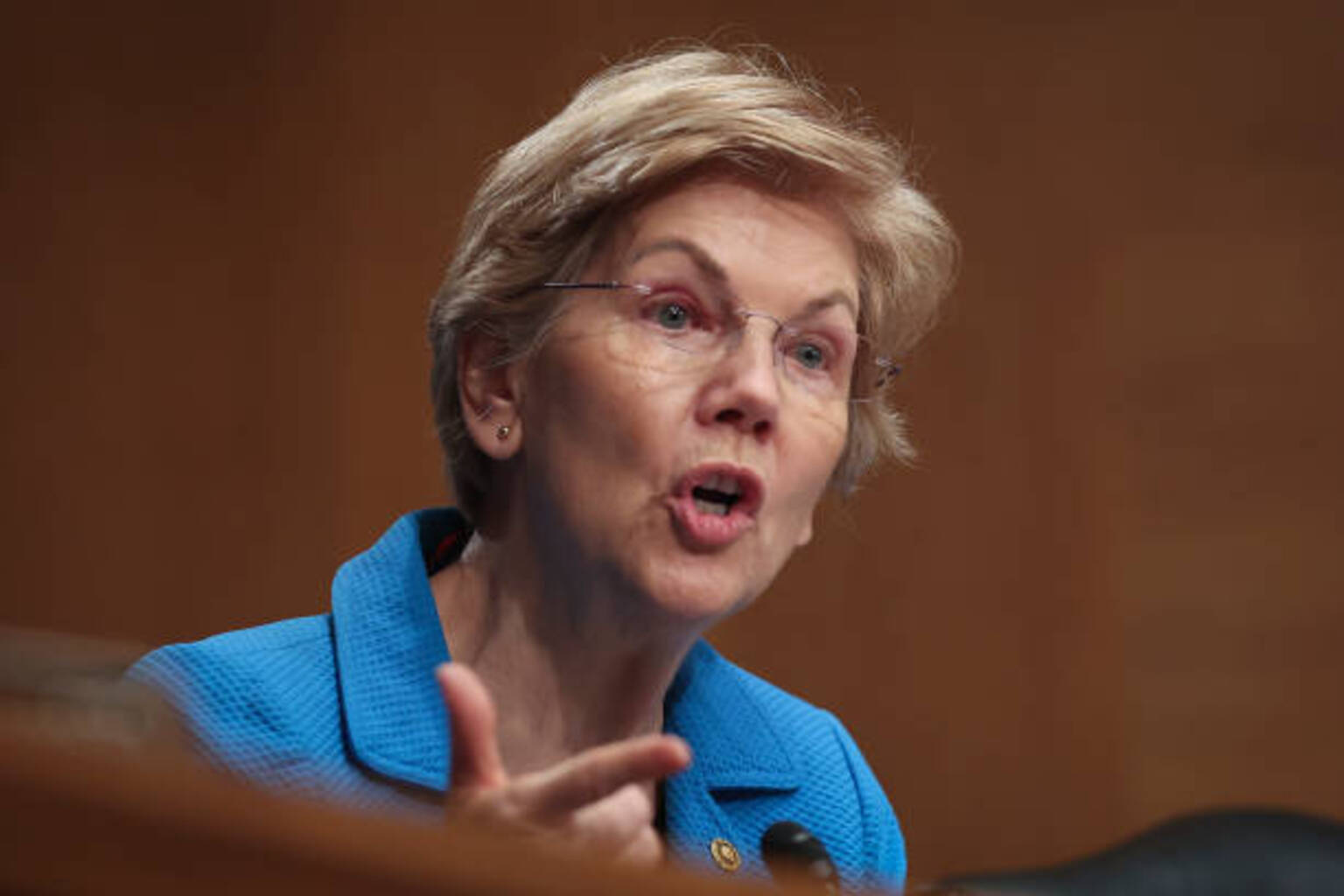
- Lack of Review: Senator Elizabeth Warren criticized the Trump administration for failing to conduct a serious national security review of Paramount's $111 billion acquisition of Warner Bros., particularly concerning the $24 billion from Arab sovereign wealth funds, which constitutes 22% of the deal's total value.
- Foreign Influence Concerns: Warren highlighted that the transaction raises antitrust concerns by potentially allowing foreign entities to influence company decision-making and access U.S. consumer data, exacerbated by the perceived corruption surrounding the Trump administration's review process.
- Merger Risk Warning: Warren warned that the merger between Paramount and Warner Bros. could lead to higher prices and fewer choices for consumers, increasing the risk of foreign control over American media content and undermining consumer choice.
- CEO Confidence and Compensation Commitment: Paramount CEO David Ellison expressed confidence that the deal will close this year and is willing to pay up to $650 million to Warner shareholders each quarter if it fails to clear regulatory hurdles, indicating a strong expectation for the transaction's success.

Billionaire Investor Quarterly Filing Insights

- Portfolio Adjustment: Billionaire Philippe Laffont of Coatue Management completely sold 6,724,615 shares of CoreWeave in Q4, totaling over $920 million, indicating concerns about the company's future profitability and reflecting a strategic shift in AI investments.
- Profitability Risks: Despite CoreWeave's sales doubling to $5.13 billion in 2025, its net loss surged to $1.17 billion, highlighting the potential impact of its debt-heavy balance sheet on future financing capabilities, necessitating investor scrutiny of its operational sustainability.
- Netflix Stake Increase: Laffont increased his stake in Netflix by 467,400 shares, a 76% rise, pushing the market value of his holdings above $1 billion, demonstrating confidence in the company's leadership in the streaming market and its growth potential.
- Market Reaction: Following Netflix's stock decline post-acquisition proposal for Warner Bros. Discovery, Laffont's purchase may reflect a strategic assessment of market reactions, especially after Paramount submitted a superior bid, further solidifying Netflix's market position.

Billionaire Sells CoreWeave Shares Amid AI Concerns
- Massive Sell-off: Billionaire Philippe Laffont sold over 6.7 million shares of CoreWeave in Q4, totaling more than $920 million, indicating concerns about the company's future profitability despite sales doubling to $5.13 billion in 2025.
- AI Investment Risks: Although Nvidia invested over $5 billion in CoreWeave, the company reported a net loss of $1.17 billion, raising doubts about its operational sustainability due to a heavy debt load.
- Netflix Stake Increase: Laffont increased his stake in Netflix by 76% in Q4, adding 467,400 shares to make it a $1 billion holding, reflecting confidence in Netflix's leadership in the streaming market and its content creation capabilities.
- Market Reaction: Laffont's purchase of Netflix is seen as a positive signal for the company's growth potential, especially amid concerns over its proposed acquisition of Warner Bros. Discovery in a highly competitive streaming industry.

Netflix's Missed Warner Deal May Be a Blessing in Disguise
- Acquisition Competition: Netflix aimed to acquire Warner Bros. for $27.75 per share, totaling $82.7 billion, to enhance production capacity and gain valuable IP, but investor skepticism led to a 24% drop in stock price post-announcement.
- Stock Price Recovery: Following Paramount Skydance's announcement of acquiring Warner Bros. for $31 per share, Netflix's stock surged approximately 30% since February 23, indicating investor relief and increased confidence in the company's future prospects.
- Rising Debt Risks: Paramount Skydance will assume $54 billion in debt for the acquisition, prompting Fitch Ratings to downgrade its debt to BB+ and place it on “Rating Watch Negative,” highlighting transaction complexity and potential financial risks.
- Increased Competitive Pressure: While Netflix sidestepped costly acquisition risks, it still faces fierce competition from YouTube and Disney, with recent data showing Netflix's TV viewing share at 8.8% in January 2026, trailing behind YouTube's 12.5% and Disney's 11.9%.
Musk's Ad Poll Reveals Poor User Engagement
- User Feedback Disappoints: Musk's poll revealed that only 11.9% of users had purchased something due to an ad, while 88.1% said they had not, indicating a significant lack of ad effectiveness that could impact the company's advertising revenue.
- Trust Crisis in Advertising: Since Musk's acquisition in 2022, advertising has remained the primary revenue source, yet brands and users have consistently questioned ad effectiveness, leading to reduced ad spending; Musk's remark to advertisers pulling back spending reflects his frustration with the situation.
- Commitment to Technological Innovation: Musk claims the company has developed AI technology capable of making ads more relevant to users through the Grok system, aiming to enhance ad relevance and effectiveness, although current user feedback suggests that many still feel ads do not influence their purchasing decisions.
- Hope for Brand Return: Despite challenges, signs of recovery emerged in late 2024 as many companies resumed advertising campaigns, prompting Musk to express gratitude and commend former CEO Linda Yaccarino and the team for rebuilding trust with advertisers, indicating potential improvements in future advertising business.
Emerging Consolidation Wave in U.S. Markets
- Resurgence of M&A Activity: Over the six months ending March 2026, U.S. merger activity remained robust, with monthly deal counts consistently between 1,000 and 1,300, indicating strong market demand for consolidation despite volatility and macro uncertainty.
- Sector Concentration Trend: Frequent mergers in consumer health, semiconductors, medical devices, and media entertainment suggest that companies in these sectors are consolidating to enhance scale and competitiveness in response to rising costs and technological pressures.
- Clear Strategic Motivations: In consumer products, companies merge brand portfolios to strengthen negotiating power with retailers; semiconductor firms seek scale due to rising R&D costs; and medical technology companies acquire innovative platforms to accelerate product development.
- Emerging Investment Opportunities: As the consolidation wave accelerates, investors should focus on identifying companies that may become acquisition targets, as recognizing integration opportunities within industries could yield significant returns.
Warren Criticizes Trump for Ignoring $111B Paramount-WBD Deal Review
- Lack of Review: Senator Elizabeth Warren criticized the Trump administration for failing to conduct a serious national security review of Paramount's $111 billion acquisition of Warner Bros., particularly concerning the $24 billion from Arab sovereign wealth funds, which constitutes 22% of the deal's total value.
- Foreign Influence Concerns: Warren highlighted that the transaction raises antitrust concerns by potentially allowing foreign entities to influence company decision-making and access U.S. consumer data, exacerbated by the perceived corruption surrounding the Trump administration's review process.
- Merger Risk Warning: Warren warned that the merger between Paramount and Warner Bros. could lead to higher prices and fewer choices for consumers, increasing the risk of foreign control over American media content and undermining consumer choice.
- CEO Confidence and Compensation Commitment: Paramount CEO David Ellison expressed confidence that the deal will close this year and is willing to pay up to $650 million to Warner shareholders each quarter if it fails to clear regulatory hurdles, indicating a strong expectation for the transaction's success.
Billionaire Investor Quarterly Filing Insights
- Portfolio Adjustment: Billionaire Philippe Laffont of Coatue Management completely sold 6,724,615 shares of CoreWeave in Q4, totaling over $920 million, indicating concerns about the company's future profitability and reflecting a strategic shift in AI investments.
- Profitability Risks: Despite CoreWeave's sales doubling to $5.13 billion in 2025, its net loss surged to $1.17 billion, highlighting the potential impact of its debt-heavy balance sheet on future financing capabilities, necessitating investor scrutiny of its operational sustainability.
- Netflix Stake Increase: Laffont increased his stake in Netflix by 467,400 shares, a 76% rise, pushing the market value of his holdings above $1 billion, demonstrating confidence in the company's leadership in the streaming market and its growth potential.
- Market Reaction: Following Netflix's stock decline post-acquisition proposal for Warner Bros. Discovery, Laffont's purchase may reflect a strategic assessment of market reactions, especially after Paramount submitted a superior bid, further solidifying Netflix's market position.
Billionaire Sells CoreWeave Shares Amid AI Concerns
- Massive Sell-off: Billionaire Philippe Laffont sold over 6.7 million shares of CoreWeave in Q4, totaling more than $920 million, indicating concerns about the company's future profitability despite sales doubling to $5.13 billion in 2025.
- AI Investment Risks: Although Nvidia invested over $5 billion in CoreWeave, the company reported a net loss of $1.17 billion, raising doubts about its operational sustainability due to a heavy debt load.
- Netflix Stake Increase: Laffont increased his stake in Netflix by 76% in Q4, adding 467,400 shares to make it a $1 billion holding, reflecting confidence in Netflix's leadership in the streaming market and its content creation capabilities.
- Market Reaction: Laffont's purchase of Netflix is seen as a positive signal for the company's growth potential, especially amid concerns over its proposed acquisition of Warner Bros. Discovery in a highly competitive streaming industry.
Netflix's Missed Warner Deal May Be a Blessing in Disguise
- Acquisition Competition: Netflix aimed to acquire Warner Bros. for $27.75 per share, totaling $82.7 billion, to enhance production capacity and gain valuable IP, but investor skepticism led to a 24% drop in stock price post-announcement.
- Stock Price Recovery: Following Paramount Skydance's announcement of acquiring Warner Bros. for $31 per share, Netflix's stock surged approximately 30% since February 23, indicating investor relief and increased confidence in the company's future prospects.
- Rising Debt Risks: Paramount Skydance will assume $54 billion in debt for the acquisition, prompting Fitch Ratings to downgrade its debt to BB+ and place it on “Rating Watch Negative,” highlighting transaction complexity and potential financial risks.
- Increased Competitive Pressure: While Netflix sidestepped costly acquisition risks, it still faces fierce competition from YouTube and Disney, with recent data showing Netflix's TV viewing share at 8.8% in January 2026, trailing behind YouTube's 12.5% and Disney's 11.9%.