Walmart's E-commerce and Advertising Revenue Surge Drives Stock Up Over 30%
Written by Emily J. Thompson, Senior Investment Analyst
Updated: Jan 20 2026
0mins


Should l Buy WMT?
Source: NASDAQ.COM
- E-commerce Growth: In Q3 of fiscal 2026, Walmart's global e-commerce sales surged by 27% year-over-year, demonstrating the company's robust growth potential even amid an uncertain macroeconomic environment, thereby reinforcing its market position.
- Advertising Business Boom: The global advertising segment grew by 53% year-over-year in the same quarter, with a 33% increase when excluding the impact of the Vizio acquisition, indicating significant progress in diversifying revenue streams.
- Strong Membership Income: Walmart's membership income rose by 17% year-over-year, with Walmart+ in the U.S. achieving double-digit growth and a 34% increase in Sam's Club membership income in China, showcasing the effectiveness of its membership strategy.
- Valuation Risks Emerge: Despite strong business performance, Walmart's price-to-earnings ratio stands at 42, with a forward P/E of 39, significantly higher than many fast-growing tech companies, prompting investors to carefully assess whether the current stock price is overvalued.
Trade with 70% Backtested Accuracy
Stop guessing "Should I Buy WMT?" and start using high-conviction signals backed by rigorous historical data.
Sign up today to access powerful investing tools and make smarter, data-driven decisions.
Analyst Views on WMT
Wall Street analysts forecast WMT stock price to rise
26 Analyst Rating
25 Buy
1 Hold
0 Sell
Strong Buy
Current: 124.740

Low
119.00
Averages
125.75
High
136.00
Current: 124.740
Low
119.00
Averages
125.75
High
136.00
About WMT
Walmart Inc. is a technology-powered omnichannel retailer. The Company is engaged in the operation of retail and wholesale stores and clubs, as well as eCommerce Websites and mobile applications, located throughout the United States (U.S.), Africa, Canada, Central America, Chile, China, India and Mexico. It operates in three reportable segments: Walmart U.S., Walmart International and Sam's Club U.S. The Walmart U.S. segment includes the Company's mass merchandising concept in the U.S., as well as eCommerce, which includes omni-channel initiatives and certain other business offerings such as advertising services. The Walmart International segment consists of the Company's operations outside of the U.S. through its subsidiaries, as well as eCommerce and omni-channel initiatives. The Sam's Club U.S. segment includes the warehouse membership clubs in the U.S., as well as samsclub.com and omni-channel initiatives.
About the author

Emily J. Thompson
Emily J. Thompson, a Chartered Financial Analyst (CFA) with 12 years in investment research, graduated with honors from the Wharton School. Specializing in industrial and technology stocks, she provides in-depth analysis for Intellectia’s earnings and market brief reports.
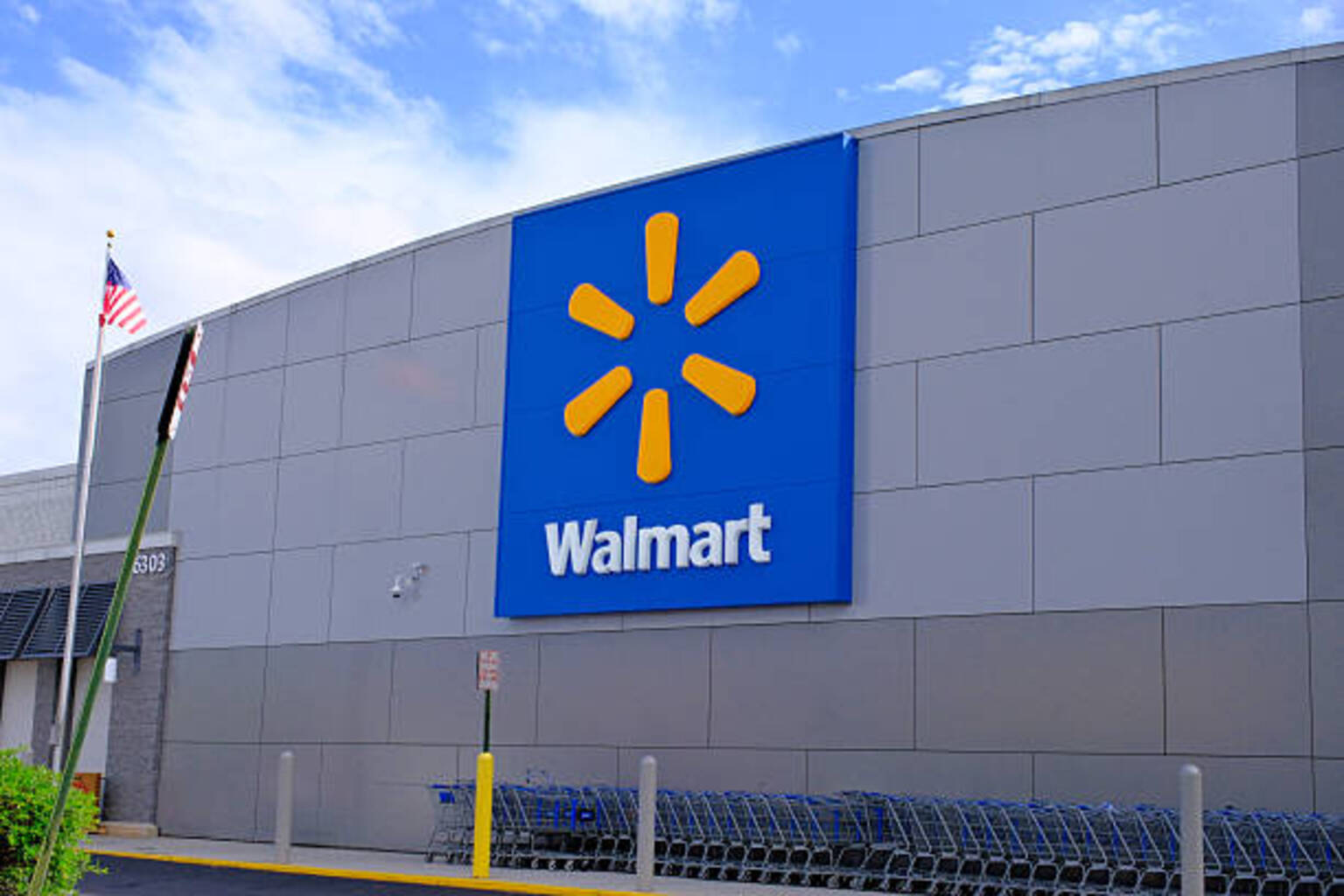
Walmart's Sam's Club Membership Fee Increase Marks First Since 2022

- Membership Fee Increase: Walmart announced that starting May 1, the annual fee for Sam's Club basic members will rise from $50 to $60, marking a 20% increase and the largest nominal fee hike in recent history, which is expected to enhance the value of membership revenue.
- Analyst Perspective: Jefferies analyst Corey Tarlowe noted that the fee increase supports ongoing reinvestment in value, including raising the Sam's Cash annual cap for Plus members from $500 to $750; while modest near-term renewal headwinds may arise, the long-term outlook for Sam's earnings power is structurally positive.
- Industry Impact: This fee hike is not only beneficial for Walmart but may also positively impact competitors like BJ's Wholesale Club and Costco, further normalizing higher fee levels across the industry and supporting long-term revenue and profit expectations for the club segment.
- Market Performance: Walmart's stock has risen 12% year-to-date, outperforming broader market averages due to defensive positioning by investors, and the stock holds a consensus Strong Buy rating on Wall Street, reflecting confidence in its future growth prospects.
See More

Sam's Club Raises Membership Fees, Indicating Pricing Power
- Membership Fee Increase: Sam's Club is raising its standard membership fee from $50 to $60 and the Premium Plus fee from $110 to $120, indicating Walmart's strong pricing power and enhancing its overall revenue structure.
- Advertising Revenue Surge: Walmart's global advertising revenue jumped 37% year-over-year in Q4, with the U.S. Walmart Connect business growing 41%, showcasing the company's successful pivot to high-margin advertising, which further boosts profitability.
- E-commerce Sales Growth: Global e-commerce sales surged 24% year-over-year in Q4, lifting total revenue by 5.6% to $190.7 billion, demonstrating the company's robust performance in e-commerce and enhancing future growth potential.
- Operating Income Improvement: Walmart's adjusted operating income rose 10.5% year-over-year in Q4, significantly outpacing the 4.9% sales growth, reflecting the company's ongoing efforts to enhance operational efficiency and margins, despite the stock's high valuation.
See More
Walmart Raises Membership Prices, Signaling Strategic Shift
- Membership Price Increase: Walmart is raising the annual fee for standard Sam's Club memberships from $50 to $60 and Plus memberships from $110 to $120, which, while a modest $10 increase, indicates a strategic shift towards higher-margin revenue streams.
- Membership Revenue Growth: Sam's Club membership fee revenue rose approximately 15% year-over-year in the fiscal fourth quarter, demonstrating Walmart's effective push towards higher-margin revenue sources that enhance its overall growth narrative.
- Advertising Business Surge: Walmart's advertising platform, Walmart Connect, saw global advertising revenue jump 37% year-over-year in the fourth quarter, with U.S. growth at 41%, highlighting the significant profit potential of digital advertising that can greatly enhance overall profitability.
- Strong E-commerce Sales: Global e-commerce sales surged 24% year-over-year in the fourth quarter, lifting total revenue by 5.6% to $190.7 billion, indicating substantial progress in the company's sales mix evolution and enhancing its long-term investment appeal.
See More

Retail Giants Navigate Economic Turmoil

- Costco's Market Adaptability: Costco's strategy of charging membership fees and selling high-quality goods at near-cost prices has successfully attracted consumers, helping its members mitigate inflation impacts; however, its P/E ratio of 52, significantly above the S&P 500's 27, underscores its strong market position.
- Amazon's Diversification Advantage: Amazon leverages its dominant retail position and low-margin sales strategy to effectively guide consumers towards substitute goods to combat inflation, while its AWS cloud computing segment is projected to grow at a 19% CAGR through 2030, alleviating pressure on its online sales business.
- Walmart's Supply Chain Efficiency: As the world's largest retailer, Walmart has stores within 10 miles of over 90% of Americans, and its success in e-commerce, coupled with efficient supply chain management, enables it to effectively counter inflation and tariffs, despite a high P/E ratio of 46, indicating strong market competitiveness.
- Long-Term Growth Potential: Despite economic turmoil, retail giants like Costco, Amazon, and Walmart are expected to maintain robust market performance over the next 30 years due to their solid business models and adaptability, making them attractive options for investors.
See More

Costco, Amazon, and Walmart's Market Strategies Amid Economic Turmoil
- Costco's Legal Action: Costco has sued the Trump administration over tariffs deemed unconstitutional, seeking refunds that could alleviate cost pressures on members, thereby enhancing customer loyalty and market competitiveness.
- Amazon's Market Advantage: Amazon's strategy of low-margin sales and its robust AWS cloud business, which is projected to grow at a 19% CAGR through 2030, further solidifies its leadership position in the retail market.
- Walmart's Supply Chain Efficiency: With over 90% of Americans living within 10 miles of a Walmart, the company has shown resilience and adaptability, achieving a 13% profit increase in fiscal 2025 through effective supply chain management and e-commerce transformation.
- Long-Term Investment Outlook: Despite Costco and Walmart's P/E ratios being above industry averages, their business models and market positioning suggest strong growth potential over the next 30 years, making them worthy of investor consideration.
See More

U.S. Consumer Spending Shows Unexpected Growth Amid Iran War
- Retail Sales Growth: U.S. retail sales rose 0.6% in February compared to the previous month, surpassing the expected 0.4% growth, indicating broad consumer spending increases in discretionary categories like department stores, restaurants, and cars, despite ongoing recession concerns.
- Impact of Energy Prices: The Iran war has led to a one-third increase in oil prices, raising fuel and shipping costs, prompting investors to seek safe investment avenues, with consumer staples stocks favored for their defensive and recession-resistant characteristics.
- Dollar General Performance: Dollar General has a strong track record during economic downturns, with management noting a shift in consumer behavior due to high energy prices and inflation, anticipating comparable sales and profit growth in 2025 as it continues to expand and renovate stores.
- Philip Morris Growth: Philip Morris International has pivoted successfully to next-gen products like Zyn and Iqos, achieving a 6.5% organic revenue growth to $40.6 billion, with a solid 3.7% dividend yield, positioning it well to weather market volatility amid the Iran conflict.
See More
Walmart's Sam's Club Membership Fee Increase Marks First Since 2022
- Membership Fee Increase: Walmart announced that starting May 1, the annual fee for Sam's Club basic members will rise from $50 to $60, marking a 20% increase and the largest nominal fee hike in recent history, which is expected to enhance the value of membership revenue.
- Analyst Perspective: Jefferies analyst Corey Tarlowe noted that the fee increase supports ongoing reinvestment in value, including raising the Sam's Cash annual cap for Plus members from $500 to $750; while modest near-term renewal headwinds may arise, the long-term outlook for Sam's earnings power is structurally positive.
- Industry Impact: This fee hike is not only beneficial for Walmart but may also positively impact competitors like BJ's Wholesale Club and Costco, further normalizing higher fee levels across the industry and supporting long-term revenue and profit expectations for the club segment.
- Market Performance: Walmart's stock has risen 12% year-to-date, outperforming broader market averages due to defensive positioning by investors, and the stock holds a consensus Strong Buy rating on Wall Street, reflecting confidence in its future growth prospects.
See More
Sam's Club Raises Membership Fees, Indicating Pricing Power
- Membership Fee Increase: Sam's Club is raising its standard membership fee from $50 to $60 and the Premium Plus fee from $110 to $120, indicating Walmart's strong pricing power and enhancing its overall revenue structure.
- Advertising Revenue Surge: Walmart's global advertising revenue jumped 37% year-over-year in Q4, with the U.S. Walmart Connect business growing 41%, showcasing the company's successful pivot to high-margin advertising, which further boosts profitability.
- E-commerce Sales Growth: Global e-commerce sales surged 24% year-over-year in Q4, lifting total revenue by 5.6% to $190.7 billion, demonstrating the company's robust performance in e-commerce and enhancing future growth potential.
- Operating Income Improvement: Walmart's adjusted operating income rose 10.5% year-over-year in Q4, significantly outpacing the 4.9% sales growth, reflecting the company's ongoing efforts to enhance operational efficiency and margins, despite the stock's high valuation.
See More
Walmart Raises Membership Prices, Signaling Strategic Shift
- Membership Price Increase: Walmart is raising the annual fee for standard Sam's Club memberships from $50 to $60 and Plus memberships from $110 to $120, which, while a modest $10 increase, indicates a strategic shift towards higher-margin revenue streams.
- Membership Revenue Growth: Sam's Club membership fee revenue rose approximately 15% year-over-year in the fiscal fourth quarter, demonstrating Walmart's effective push towards higher-margin revenue sources that enhance its overall growth narrative.
- Advertising Business Surge: Walmart's advertising platform, Walmart Connect, saw global advertising revenue jump 37% year-over-year in the fourth quarter, with U.S. growth at 41%, highlighting the significant profit potential of digital advertising that can greatly enhance overall profitability.
- Strong E-commerce Sales: Global e-commerce sales surged 24% year-over-year in the fourth quarter, lifting total revenue by 5.6% to $190.7 billion, indicating substantial progress in the company's sales mix evolution and enhancing its long-term investment appeal.
See More
Retail Giants Navigate Economic Turmoil
- Costco's Market Adaptability: Costco's strategy of charging membership fees and selling high-quality goods at near-cost prices has successfully attracted consumers, helping its members mitigate inflation impacts; however, its P/E ratio of 52, significantly above the S&P 500's 27, underscores its strong market position.
- Amazon's Diversification Advantage: Amazon leverages its dominant retail position and low-margin sales strategy to effectively guide consumers towards substitute goods to combat inflation, while its AWS cloud computing segment is projected to grow at a 19% CAGR through 2030, alleviating pressure on its online sales business.
- Walmart's Supply Chain Efficiency: As the world's largest retailer, Walmart has stores within 10 miles of over 90% of Americans, and its success in e-commerce, coupled with efficient supply chain management, enables it to effectively counter inflation and tariffs, despite a high P/E ratio of 46, indicating strong market competitiveness.
- Long-Term Growth Potential: Despite economic turmoil, retail giants like Costco, Amazon, and Walmart are expected to maintain robust market performance over the next 30 years due to their solid business models and adaptability, making them attractive options for investors.
See More
Costco, Amazon, and Walmart's Market Strategies Amid Economic Turmoil
- Costco's Legal Action: Costco has sued the Trump administration over tariffs deemed unconstitutional, seeking refunds that could alleviate cost pressures on members, thereby enhancing customer loyalty and market competitiveness.
- Amazon's Market Advantage: Amazon's strategy of low-margin sales and its robust AWS cloud business, which is projected to grow at a 19% CAGR through 2030, further solidifies its leadership position in the retail market.
- Walmart's Supply Chain Efficiency: With over 90% of Americans living within 10 miles of a Walmart, the company has shown resilience and adaptability, achieving a 13% profit increase in fiscal 2025 through effective supply chain management and e-commerce transformation.
- Long-Term Investment Outlook: Despite Costco and Walmart's P/E ratios being above industry averages, their business models and market positioning suggest strong growth potential over the next 30 years, making them worthy of investor consideration.
See More
U.S. Consumer Spending Shows Unexpected Growth Amid Iran War
- Retail Sales Growth: U.S. retail sales rose 0.6% in February compared to the previous month, surpassing the expected 0.4% growth, indicating broad consumer spending increases in discretionary categories like department stores, restaurants, and cars, despite ongoing recession concerns.
- Impact of Energy Prices: The Iran war has led to a one-third increase in oil prices, raising fuel and shipping costs, prompting investors to seek safe investment avenues, with consumer staples stocks favored for their defensive and recession-resistant characteristics.
- Dollar General Performance: Dollar General has a strong track record during economic downturns, with management noting a shift in consumer behavior due to high energy prices and inflation, anticipating comparable sales and profit growth in 2025 as it continues to expand and renovate stores.
- Philip Morris Growth: Philip Morris International has pivoted successfully to next-gen products like Zyn and Iqos, achieving a 6.5% organic revenue growth to $40.6 billion, with a solid 3.7% dividend yield, positioning it well to weather market volatility amid the Iran conflict.
See More