Visa's Strategic Advantage in Recession Resilience
Written by Emily J. Thompson, Senior Investment Analyst
Updated: Mar 29 2026
0mins

Source: Fool
- Cash Reserves Comparison: Visa holds over $14.7 billion in cash and cash equivalents, compared to Mastercard's $10.9 billion, providing Visa with a robust safety net to maintain operations during a recession without relying heavily on debt.
- Debt Burden Difference: With a debt-to-equity ratio of approximately 55%, Visa significantly outperforms Mastercard's 245%, allowing Visa to save on interest payments and allocate more funds towards business growth during economic downturns.
- Operational Stability: While both companies may face a slowdown in consumer spending, Visa's stronger financial structure enables it to maintain operational stability, avoiding drastic business adjustments in challenging economic conditions.
- Competitive Market Advantage: In the digital payments sector, Visa and Mastercard operate as a virtual duopoly, but Visa's financial health positions it more favorably amid economic uncertainty, enhancing its ability to attract customers and gain market share.
Trade with 70% Backtested Accuracy
Stop guessing "Should I Buy V?" and start using high-conviction signals backed by rigorous historical data.
Sign up today to access powerful investing tools and make smarter, data-driven decisions.
Analyst Views on V
Wall Street analysts forecast V stock price to rise
25 Analyst Rating
23 Buy
2 Hold
0 Sell
Strong Buy
Current: 329.910

Low
330.00
Averages
406.59
High
450.00
Current: 329.910
Low
330.00
Averages
406.59
High
450.00
About V
Visa Inc. is a global payments technology company. It facilitates global commerce and money movement across more than 200 countries and territories among a global set of consumers, merchants, financial institutions and government entities through technologies. It operates through the Payment Services segment. It provides transaction processing services (primarily authorization, clearing and settlement) to its financial institution and merchant clients through VisaNet, its proprietary advanced transaction processing network. It offers a range of Visa-branded payment products that its clients, including nearly 14,500 financial institutions, use to develop and offer payment solutions or services, including credit, debit, prepaid and cash access programs for individual, business and government account holders. It also provides value-added services to its clients, including issuing solutions, acceptance solutions, risk and identity solutions, open banking solutions and advisory services.
About the author

Emily J. Thompson
Emily J. Thompson, a Chartered Financial Analyst (CFA) with 12 years in investment research, graduated with honors from the Wharton School. Specializing in industrial and technology stocks, she provides in-depth analysis for Intellectia’s earnings and market brief reports.

Visa Contributes to Toronto's Soccer for All Program

- Community Soccer Field: Visa's $200K CAD donation and installation of a soccer pitch at Nathan Phillips Square aims to create a vibrant community sports hub ahead of the 2026 FIFA World Cup, enhancing local engagement and sense of belonging.
- Soccer Accessibility Program: The contribution supports Toronto's Soccer for All Legacy program, providing one year of free sports programming and resources to help remove barriers for children and youth in equity-deserving neighborhoods, promoting social equity.
- Diverse Art Showcase: The soccer park will feature artwork by local illustrator Daria Domnikova, merging sports with art to enrich community culture while providing a platform for artists to gain visibility and recognition.
- Global Economic Impact: Through its Tap In to Impact initiative, Visa is donating $275K CAD to non-profit organizations in each host country, supporting young entrepreneurs and community builders, further driving the economic benefits associated with the World Cup.
See More

SpaceX Aims for Record $75 Billion IPO on Nasdaq


- Record IPO Size: SpaceX's planned Nasdaq debut aims to raise approximately $75 billion, more than triple Alibaba's $22 billion IPO in 2014, marking a significant revival for the U.S. IPO market.
- Market Impact: This IPO is expected to inject new life into a market that has seen muted activity since late 2021, with investors hoping SpaceX's success will encourage other tech firms like OpenAI and Anthropic to go public, thus revitalizing the overall market.
- Increased Industry Competition: With SpaceX's unprecedented fundraising, other major tech companies may reassess their IPO timing and funding strategies, particularly in the AI and space exploration sectors, leading to intensified competition.
- Boosted Investor Confidence: A successful SpaceX IPO will not only enhance investor confidence in high-risk tech stocks but may also draw attention to other potential high-value companies, further stimulating capital flow within the tech industry.
See More
SpaceX Poised to Set Record for Largest IPO in History

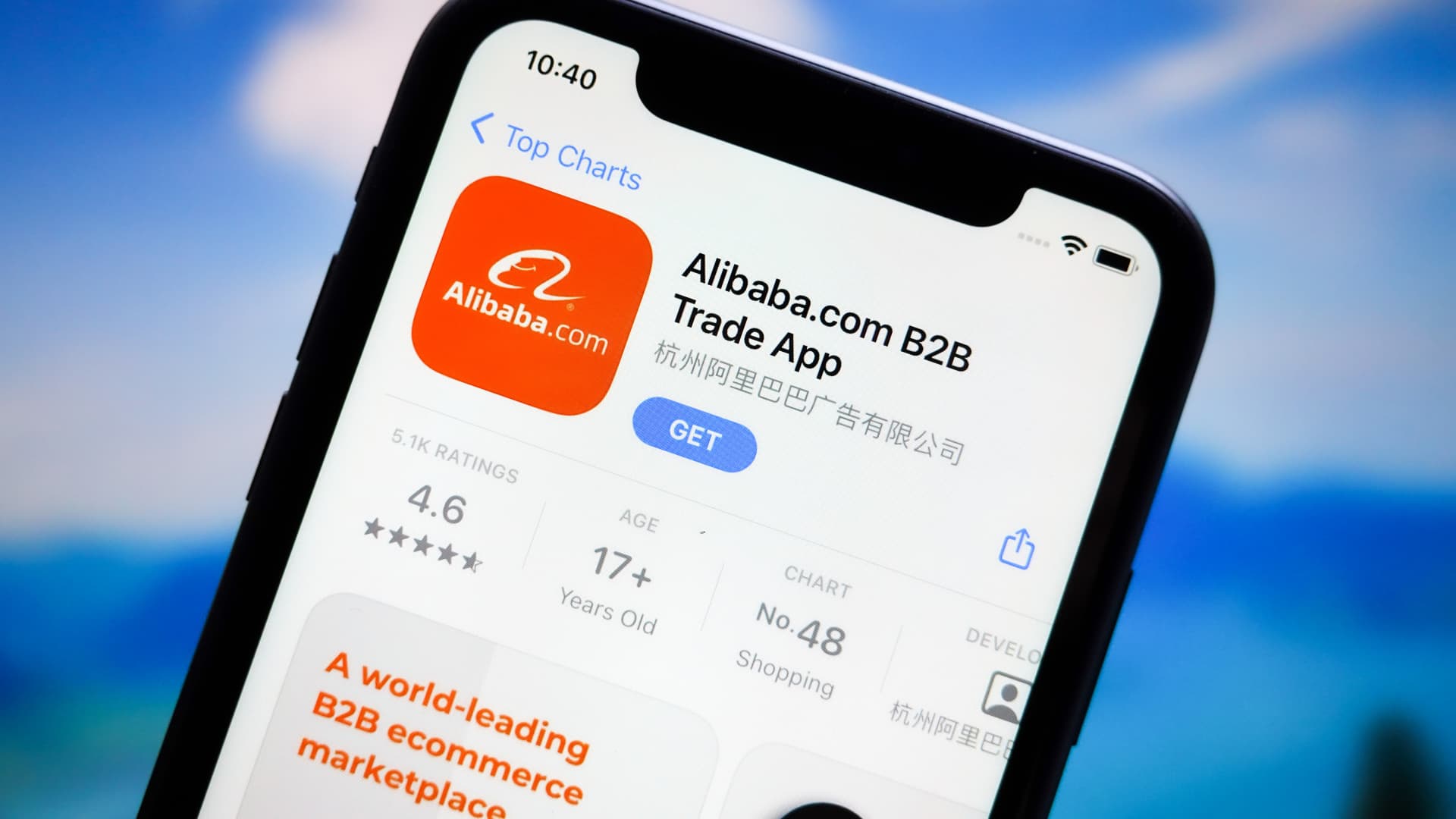
- Record-Setting IPO: SpaceX is set to debut on Nasdaq with an anticipated raise of over $75 billion, which would be more than triple the $22 billion raised by Alibaba in 2014, highlighting the company's immense potential and market impact.
- Market Revival Catalyst: Amidst muted IPO activity since late 2021, SpaceX's listing is seen as a crucial factor in restoring investor confidence, potentially activating other tech companies' plans to go public, particularly in the booming AI sector.
- Industry Influence: As a leading rocket manufacturer, SpaceX's successful IPO will not only elevate its market valuation but may also ignite an investment surge in the aerospace industry, attracting more capital into related technologies and innovations.
- Future Outlook: SpaceX's IPO is poised to become the largest initial public offering in Wall Street history, expected to reshape investor perceptions of high-tech companies and potentially trigger a series of subsequent market activities that further drive growth in tech stocks.
See More

Visa Report Reveals New Trends in Scams
- Shift in Scam Tactics: Visa's Spring 2026 Threats Report reveals that criminals are increasingly focusing on scams targeting individuals rather than exploiting payment network vulnerabilities, indicating that scams are now the fastest-growing source of consumer harm.
- Use of AI in Scams: The report highlights that criminals are leveraging artificial intelligence and social engineering to create urgency and impersonate trusted brands, deceiving victims into completing seemingly legitimate transactions, which exacerbates the scale and complexity of scams.
- Cybersecurity Challenges: Paul Fabara, Visa's Chief Risk and Client Services Officer, states that addressing this shift requires continuous innovation at the network level and enhanced collaboration among banks, merchants, policymakers, and the broader payments ecosystem to tackle the escalating scam issue.
- Scams vs. Ransomware: Although ransomware activity increased by 26% in the second half of 2025, the percentage of victims paying ransoms dropped to a record low of 23%, indicating that defenders are becoming more adept at using AI to detect and stop attacks earlier in the transaction cycle.
See More
Visa Report Reveals New Threats to Payment Security
- Surge in Scam Activity: In the second half of 2025, Visa identified nearly $1 billion in scam-related activities, making scams the largest category of consumer payment fraud, indicating a shift towards social engineering tactics over technical breaches by criminals.
- Effectiveness of Payment Security: Despite an overall rise in attack volumes, fraud involving device tokens declined by 9.6% from the same period in 2024, demonstrating the effectiveness of network-level protections, yet the acceleration of scams poses a significant threat to consumers.
- Dual Impact of AI: Fraudsters are leveraging AI to scale more convincing scams, while defenders are increasingly deploying AI to detect and stop attacks earlier in the transaction lifecycle, highlighting the critical role of technology in payment security.
- Shifts in Ransomware Economics: Global ransomware activity increased by 26% in the second half of 2025, yet only 23% of victims paid ransoms, the lowest rate on record, reflecting victims' reluctance to pay and improved resilience and recovery capabilities.
See More

Fanatics to Launch First Credit Card, Enhancing Fan Engagement


- Credit Card Launch: Fanatics plans to launch its first credit card later this year on the American Express network, allowing fans to earn FanCash redeemable for apparel, tickets, and more, thereby enhancing fan engagement and loyalty.
- User Base Expansion: Since the launch of the Fanatics ONE loyalty program last year, it has grown to over 30 million users, with the credit card offering additional benefits and elevated tier status, increasing user engagement and brand loyalty.
- Revenue Growth Expectations: Fanatics expects to issue over $1 billion in FanCash this year, with an anticipated 97% redemption rate by fans, demonstrating effective business integration and strong market demand.
- Partnership Deepening: The collaboration with American Express will enhance Fanatics' presence at retail and online locations globally, further expanding its market share among sports fans and increasing brand recognition.
See More
Visa Contributes to Toronto's Soccer for All Program
- Community Soccer Field: Visa's $200K CAD donation and installation of a soccer pitch at Nathan Phillips Square aims to create a vibrant community sports hub ahead of the 2026 FIFA World Cup, enhancing local engagement and sense of belonging.
- Soccer Accessibility Program: The contribution supports Toronto's Soccer for All Legacy program, providing one year of free sports programming and resources to help remove barriers for children and youth in equity-deserving neighborhoods, promoting social equity.
- Diverse Art Showcase: The soccer park will feature artwork by local illustrator Daria Domnikova, merging sports with art to enrich community culture while providing a platform for artists to gain visibility and recognition.
- Global Economic Impact: Through its Tap In to Impact initiative, Visa is donating $275K CAD to non-profit organizations in each host country, supporting young entrepreneurs and community builders, further driving the economic benefits associated with the World Cup.
See More
SpaceX Aims for Record $75 Billion IPO on Nasdaq
- Record IPO Size: SpaceX's planned Nasdaq debut aims to raise approximately $75 billion, more than triple Alibaba's $22 billion IPO in 2014, marking a significant revival for the U.S. IPO market.
- Market Impact: This IPO is expected to inject new life into a market that has seen muted activity since late 2021, with investors hoping SpaceX's success will encourage other tech firms like OpenAI and Anthropic to go public, thus revitalizing the overall market.
- Increased Industry Competition: With SpaceX's unprecedented fundraising, other major tech companies may reassess their IPO timing and funding strategies, particularly in the AI and space exploration sectors, leading to intensified competition.
- Boosted Investor Confidence: A successful SpaceX IPO will not only enhance investor confidence in high-risk tech stocks but may also draw attention to other potential high-value companies, further stimulating capital flow within the tech industry.
See More
SpaceX Poised to Set Record for Largest IPO in History
- Record-Setting IPO: SpaceX is set to debut on Nasdaq with an anticipated raise of over $75 billion, which would be more than triple the $22 billion raised by Alibaba in 2014, highlighting the company's immense potential and market impact.
- Market Revival Catalyst: Amidst muted IPO activity since late 2021, SpaceX's listing is seen as a crucial factor in restoring investor confidence, potentially activating other tech companies' plans to go public, particularly in the booming AI sector.
- Industry Influence: As a leading rocket manufacturer, SpaceX's successful IPO will not only elevate its market valuation but may also ignite an investment surge in the aerospace industry, attracting more capital into related technologies and innovations.
- Future Outlook: SpaceX's IPO is poised to become the largest initial public offering in Wall Street history, expected to reshape investor perceptions of high-tech companies and potentially trigger a series of subsequent market activities that further drive growth in tech stocks.
See More
Visa Report Reveals New Trends in Scams
- Shift in Scam Tactics: Visa's Spring 2026 Threats Report reveals that criminals are increasingly focusing on scams targeting individuals rather than exploiting payment network vulnerabilities, indicating that scams are now the fastest-growing source of consumer harm.
- Use of AI in Scams: The report highlights that criminals are leveraging artificial intelligence and social engineering to create urgency and impersonate trusted brands, deceiving victims into completing seemingly legitimate transactions, which exacerbates the scale and complexity of scams.
- Cybersecurity Challenges: Paul Fabara, Visa's Chief Risk and Client Services Officer, states that addressing this shift requires continuous innovation at the network level and enhanced collaboration among banks, merchants, policymakers, and the broader payments ecosystem to tackle the escalating scam issue.
- Scams vs. Ransomware: Although ransomware activity increased by 26% in the second half of 2025, the percentage of victims paying ransoms dropped to a record low of 23%, indicating that defenders are becoming more adept at using AI to detect and stop attacks earlier in the transaction cycle.
See More
Visa Report Reveals New Threats to Payment Security
- Surge in Scam Activity: In the second half of 2025, Visa identified nearly $1 billion in scam-related activities, making scams the largest category of consumer payment fraud, indicating a shift towards social engineering tactics over technical breaches by criminals.
- Effectiveness of Payment Security: Despite an overall rise in attack volumes, fraud involving device tokens declined by 9.6% from the same period in 2024, demonstrating the effectiveness of network-level protections, yet the acceleration of scams poses a significant threat to consumers.
- Dual Impact of AI: Fraudsters are leveraging AI to scale more convincing scams, while defenders are increasingly deploying AI to detect and stop attacks earlier in the transaction lifecycle, highlighting the critical role of technology in payment security.
- Shifts in Ransomware Economics: Global ransomware activity increased by 26% in the second half of 2025, yet only 23% of victims paid ransoms, the lowest rate on record, reflecting victims' reluctance to pay and improved resilience and recovery capabilities.
See More
Fanatics to Launch First Credit Card, Enhancing Fan Engagement
- Credit Card Launch: Fanatics plans to launch its first credit card later this year on the American Express network, allowing fans to earn FanCash redeemable for apparel, tickets, and more, thereby enhancing fan engagement and loyalty.
- User Base Expansion: Since the launch of the Fanatics ONE loyalty program last year, it has grown to over 30 million users, with the credit card offering additional benefits and elevated tier status, increasing user engagement and brand loyalty.
- Revenue Growth Expectations: Fanatics expects to issue over $1 billion in FanCash this year, with an anticipated 97% redemption rate by fans, demonstrating effective business integration and strong market demand.
- Partnership Deepening: The collaboration with American Express will enhance Fanatics' presence at retail and online locations globally, further expanding its market share among sports fans and increasing brand recognition.
See More