Visa Declares $0.67 Quarterly Dividend, Maintains Strong Buy Rating
Written by Emily J. Thompson, Senior Investment Analyst
Updated: May 01 2026
0mins

Should l Buy V?
Source: seekingalpha
- Quarterly Dividend Announcement: Visa declares a quarterly dividend of $0.67 per share, consistent with previous distributions, indicating the company's stable cash flow and profitability, which is likely to attract more investor interest.
- Dividend Yield: The forward yield of 0.81% reflects the company's commitment to returning value to shareholders while providing a stable income source for investors amid market fluctuations.
- Record Date for Shareholders: The dividend will be payable on June 1, with a record date of May 12 and an ex-dividend date also set for May 12, ensuring eligible shareholders receive their dividends promptly.
- Future Growth Outlook: Visa projects full-year net revenue growth in the low double digits to low teens, coupled with a total buyback capacity of $33 billion, indicating strong market performance and ongoing growth potential for the company.
Trade with 70% Backtested Accuracy
Stop guessing "Should I Buy V?" and start using high-conviction signals backed by rigorous historical data.
Sign up today to access powerful investing tools and make smarter, data-driven decisions.
Analyst Views on V
Wall Street analysts forecast V stock price to rise
25 Analyst Rating
23 Buy
2 Hold
0 Sell
Strong Buy
Current: 332.640

Low
330.00
Averages
406.59
High
450.00
Current: 332.640
Low
330.00
Averages
406.59
High
450.00
About V
Visa Inc. is a global payments technology company. It facilitates global commerce and money movement across more than 200 countries and territories among a global set of consumers, merchants, financial institutions and government entities through technologies. It operates through the Payment Services segment. It provides transaction processing services (primarily authorization, clearing and settlement) to its financial institution and merchant clients through VisaNet, its proprietary advanced transaction processing network. It offers a range of Visa-branded payment products that its clients, including nearly 14,500 financial institutions, use to develop and offer payment solutions or services, including credit, debit, prepaid and cash access programs for individual, business and government account holders. It also provides value-added services to its clients, including issuing solutions, acceptance solutions, risk and identity solutions, open banking solutions and advisory services.
About the author

Emily J. Thompson
Emily J. Thompson, a Chartered Financial Analyst (CFA) with 12 years in investment research, graduated with honors from the Wharton School. Specializing in industrial and technology stocks, she provides in-depth analysis for Intellectia’s earnings and market brief reports.
SpaceX Accelerates IPO Timeline with 5-for-1 Stock Split


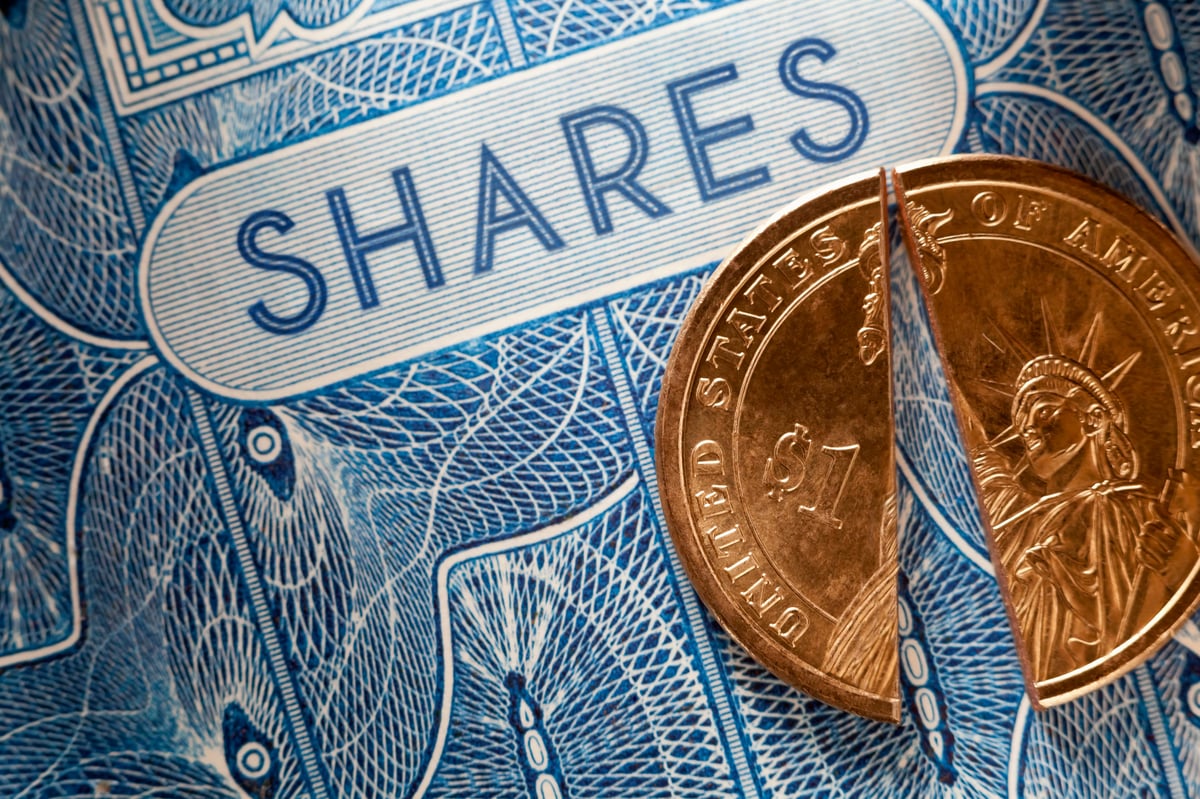
- Accelerated IPO Timeline: SpaceX is set to go public on June 12, aiming to raise up to $75 billion and achieve a valuation of $1.75 trillion, positioning itself as the eighth-largest public company in the U.S., ahead of Tesla, reflecting strong market confidence in its growth prospects.
- Stock Split Strategy: With shareholder approval, SpaceX will conduct a 5-for-1 forward stock split, increasing its outstanding shares by 400% and reducing its share price by 80%, thereby enhancing retail investor accessibility and boosting the IPO's market appeal.
- Historical Performance Challenge: Historically, companies that execute forward stock splits outperform the S&P 500 in the following year; however, SpaceX's IPO may face challenges from the historical trend of large IPOs underperforming shortly after debut, necessitating caution from investors.
- Market Bubble Risk: SpaceX is expected to debut with a price-to-sales ratio exceeding 30, a level that typically indicates a bubble; while the stock split may generate short-term enthusiasm, long-term investors could face disappointment as historical patterns suggest potential declines.
See More

SpaceX Accelerates IPO to June 12 with Stock Split
- Accelerated IPO Date: SpaceX has moved its initial public offering (IPO) date to June 12, aiming to raise up to $75 billion, which would position it as the eighth-largest public company in the U.S. with a valuation of $1.75 trillion, significantly increasing market attention.
- Stock Split Initiative: The company plans a 5-for-1 forward stock split, increasing its outstanding shares by 400% while reducing the share price by 80%, making it more accessible for retail investors and potentially attracting a larger base of participants in the IPO process.
- Historical Performance Challenge: While forward stock splits often lead to positive market reactions, historical data indicates that mega-IPOs typically struggle in the months following their debut, raising questions about whether SpaceX can defy this trend.
- Valuation Risks: SpaceX is expected to debut with a price-to-sales ratio exceeding 30, a level often indicative of a bubble; although the stock split may generate short-term excitement, long-term investors should remain cautious to avoid potential disappointment.
See More

Stablecoin Market Experiences Rapid Growth


- Market Expansion: The stablecoin market currently stands at $300 billion and is projected to exceed $3 trillion by the end of 2030, indicating robust growth potential that is attracting attention and investment from financial institutions.
- Institutional Involvement: Major banks, including JPMorgan Chase and Bank of America, are running stablecoin pilot projects, suggesting that the lines between traditional finance and blockchain finance are blurring, potentially leading to cost savings and efficiency gains.
- Payment Network Innovation: Mastercard and Visa are fully backing blockchain-based payment initiatives, particularly stablecoin payments, aiming to position themselves as the connective layer between stablecoin wallets and existing payment infrastructure to stay ahead in competition.
- Regulatory Impact: The upcoming Digital Asset Market Clarity Act could significantly influence the popularity of stablecoins and the ease with which financial institutions can integrate them into their global payment infrastructure, necessitating close monitoring of policy changes by these institutions.
See More

Stablecoin Market Thrives Amid Crypto Turmoil
- Market Growth: According to Treasury Secretary Scott Bessent, the stablecoin market is currently valued at $300 billion and is projected to exceed $3 trillion by 2030, reflecting the increasing significance of digital currencies in the financial system.
- Payment Network Involvement: Mastercard and Visa are fully backing blockchain-based payment initiatives; while they do not intend to become stablecoin issuers, their partnerships with over 85 digital asset and fintech firms enhance their connectivity in stablecoin payments.
- Bank Pilot Projects: Major banks like JPMorgan Chase, Bank of America, and Citigroup are running stablecoin pilot projects, indicating a blurring line between traditional finance and blockchain finance, although the best strategy remains unclear regarding issuing their own stablecoins or utilizing existing ones.
- Investment Opportunities: Circle Internet Group, the issuer of USDC with a market cap of $77 billion, stands out as the best investment in stablecoins, while fintech firms like PayPal and Ripple are also actively entering the stablecoin market, highlighting the investment potential in this sector.
See More
Berkshire Hathaway's Portfolio Changes Under Abel Post-Buffett Retirement


- Portfolio Adjustments: Berkshire Hathaway's first 13-F filing under CEO Greg Abel reveals new positions in Macy's and Delta Air Lines, while closing long-term investments in Mastercard, Visa, Charter Communications, and Pool, indicating a significant shift in investment strategy.
- Rise of Alphabet: The complete divestment from Amazon and the acquisition of over 3.5 million shares of Alphabet stock positions it as one of Berkshire's top five holdings, highlighting Abel's preference for Alphabet and potentially influencing future investment directions.
- Cloud Market Competition: Amazon's AWS holds a 28% share of the global cloud infrastructure market, while Alphabet's Google Cloud commands 14%, with both companies experiencing rapid growth, particularly in AI applications, which may excite investors about their future performance.
- Profitability Comparison: Despite Amazon's strong e-commerce performance with $104.1 billion in revenue, its operating income of $9.69 billion lags behind Alphabet's Google Services, which generated $40.58 billion in operating income, showcasing Alphabet's superior profitability.
See More
Buffett's Retirement Sparks Changes in Berkshire's Investment Portfolio

- Portfolio Adjustment: Berkshire Hathaway's first 13-F filing under CEO Greg Abel reveals new positions in Macy's and Delta Air Lines, while closing long-term investments in Mastercard, Visa, Charter Communications, and Pool, indicating a significant shift in investment strategy.
- Abel's Preference: The addition of over 3.5 million shares of Alphabet stock, making it one of Berkshire's top five holdings, alongside the complete divestment from Amazon, highlights Abel's strong confidence in Alphabet and may influence future investment directions.
- Cloud Market Competition: While Amazon holds a 28% share of the cloud market with Q1 revenue of $37.5 billion, up 28.5%, Alphabet's Google Cloud generated $20.1 billion in revenue during the same period, reflecting a rapid growth rate of 63%, showcasing its potential in cloud services.
- Profitability Comparison: Alphabet's Google Services generated $89.63 billion in revenue with an operating income of $40.58 billion in Q1, significantly surpassing Amazon's e-commerce segment, which reported only $9.69 billion in operating income, indicating Alphabet's stronger profitability in advertising revenue, likely attracting more investor interest.
See More
SpaceX Accelerates IPO Timeline with 5-for-1 Stock Split
- Accelerated IPO Timeline: SpaceX is set to go public on June 12, aiming to raise up to $75 billion and achieve a valuation of $1.75 trillion, positioning itself as the eighth-largest public company in the U.S., ahead of Tesla, reflecting strong market confidence in its growth prospects.
- Stock Split Strategy: With shareholder approval, SpaceX will conduct a 5-for-1 forward stock split, increasing its outstanding shares by 400% and reducing its share price by 80%, thereby enhancing retail investor accessibility and boosting the IPO's market appeal.
- Historical Performance Challenge: Historically, companies that execute forward stock splits outperform the S&P 500 in the following year; however, SpaceX's IPO may face challenges from the historical trend of large IPOs underperforming shortly after debut, necessitating caution from investors.
- Market Bubble Risk: SpaceX is expected to debut with a price-to-sales ratio exceeding 30, a level that typically indicates a bubble; while the stock split may generate short-term enthusiasm, long-term investors could face disappointment as historical patterns suggest potential declines.
See More
SpaceX Accelerates IPO to June 12 with Stock Split
- Accelerated IPO Date: SpaceX has moved its initial public offering (IPO) date to June 12, aiming to raise up to $75 billion, which would position it as the eighth-largest public company in the U.S. with a valuation of $1.75 trillion, significantly increasing market attention.
- Stock Split Initiative: The company plans a 5-for-1 forward stock split, increasing its outstanding shares by 400% while reducing the share price by 80%, making it more accessible for retail investors and potentially attracting a larger base of participants in the IPO process.
- Historical Performance Challenge: While forward stock splits often lead to positive market reactions, historical data indicates that mega-IPOs typically struggle in the months following their debut, raising questions about whether SpaceX can defy this trend.
- Valuation Risks: SpaceX is expected to debut with a price-to-sales ratio exceeding 30, a level often indicative of a bubble; although the stock split may generate short-term excitement, long-term investors should remain cautious to avoid potential disappointment.
See More
Stablecoin Market Experiences Rapid Growth
- Market Expansion: The stablecoin market currently stands at $300 billion and is projected to exceed $3 trillion by the end of 2030, indicating robust growth potential that is attracting attention and investment from financial institutions.
- Institutional Involvement: Major banks, including JPMorgan Chase and Bank of America, are running stablecoin pilot projects, suggesting that the lines between traditional finance and blockchain finance are blurring, potentially leading to cost savings and efficiency gains.
- Payment Network Innovation: Mastercard and Visa are fully backing blockchain-based payment initiatives, particularly stablecoin payments, aiming to position themselves as the connective layer between stablecoin wallets and existing payment infrastructure to stay ahead in competition.
- Regulatory Impact: The upcoming Digital Asset Market Clarity Act could significantly influence the popularity of stablecoins and the ease with which financial institutions can integrate them into their global payment infrastructure, necessitating close monitoring of policy changes by these institutions.
See More
Stablecoin Market Thrives Amid Crypto Turmoil
- Market Growth: According to Treasury Secretary Scott Bessent, the stablecoin market is currently valued at $300 billion and is projected to exceed $3 trillion by 2030, reflecting the increasing significance of digital currencies in the financial system.
- Payment Network Involvement: Mastercard and Visa are fully backing blockchain-based payment initiatives; while they do not intend to become stablecoin issuers, their partnerships with over 85 digital asset and fintech firms enhance their connectivity in stablecoin payments.
- Bank Pilot Projects: Major banks like JPMorgan Chase, Bank of America, and Citigroup are running stablecoin pilot projects, indicating a blurring line between traditional finance and blockchain finance, although the best strategy remains unclear regarding issuing their own stablecoins or utilizing existing ones.
- Investment Opportunities: Circle Internet Group, the issuer of USDC with a market cap of $77 billion, stands out as the best investment in stablecoins, while fintech firms like PayPal and Ripple are also actively entering the stablecoin market, highlighting the investment potential in this sector.
See More
Berkshire Hathaway's Portfolio Changes Under Abel Post-Buffett Retirement
- Portfolio Adjustments: Berkshire Hathaway's first 13-F filing under CEO Greg Abel reveals new positions in Macy's and Delta Air Lines, while closing long-term investments in Mastercard, Visa, Charter Communications, and Pool, indicating a significant shift in investment strategy.
- Rise of Alphabet: The complete divestment from Amazon and the acquisition of over 3.5 million shares of Alphabet stock positions it as one of Berkshire's top five holdings, highlighting Abel's preference for Alphabet and potentially influencing future investment directions.
- Cloud Market Competition: Amazon's AWS holds a 28% share of the global cloud infrastructure market, while Alphabet's Google Cloud commands 14%, with both companies experiencing rapid growth, particularly in AI applications, which may excite investors about their future performance.
- Profitability Comparison: Despite Amazon's strong e-commerce performance with $104.1 billion in revenue, its operating income of $9.69 billion lags behind Alphabet's Google Services, which generated $40.58 billion in operating income, showcasing Alphabet's superior profitability.
See More
Buffett's Retirement Sparks Changes in Berkshire's Investment Portfolio
- Portfolio Adjustment: Berkshire Hathaway's first 13-F filing under CEO Greg Abel reveals new positions in Macy's and Delta Air Lines, while closing long-term investments in Mastercard, Visa, Charter Communications, and Pool, indicating a significant shift in investment strategy.
- Abel's Preference: The addition of over 3.5 million shares of Alphabet stock, making it one of Berkshire's top five holdings, alongside the complete divestment from Amazon, highlights Abel's strong confidence in Alphabet and may influence future investment directions.
- Cloud Market Competition: While Amazon holds a 28% share of the cloud market with Q1 revenue of $37.5 billion, up 28.5%, Alphabet's Google Cloud generated $20.1 billion in revenue during the same period, reflecting a rapid growth rate of 63%, showcasing its potential in cloud services.
- Profitability Comparison: Alphabet's Google Services generated $89.63 billion in revenue with an operating income of $40.58 billion in Q1, significantly surpassing Amazon's e-commerce segment, which reported only $9.69 billion in operating income, indicating Alphabet's stronger profitability in advertising revenue, likely attracting more investor interest.
See More