Varun Beverages Reports Increased Q4 Profit Driven by Demand
Written by Emily J. Thompson, Senior Investment Analyst
Updated: Apr 27 2026
0mins
Should l Buy PEP?
Source: Newsfilter
- Profit Growth: Varun Beverages reported an increase in fourth-quarter profit on Monday, driven by heightened demand across both domestic and international markets, indicating strong performance in a competitive landscape.
- Market Demand: The surge in consumer demand for beverages has led to a significant rise in Varun's sales, reflecting the company's success in attracting a broader customer base amidst fierce competition.
- Exchange Rate Impact: With the current exchange rate at $1 = 94.2300 Indian rupees, fluctuations in currency could affect the company's international sales, necessitating close monitoring of foreign exchange risks.
- Strategic Implications: This profit increase not only strengthens Varun Beverages' market position but also provides financial support for future investments and expansions, highlighting the company's promising growth potential in the expanding beverage market.
Trade with 70% Backtested Accuracy
Stop guessing "Should I Buy PEP?" and start using high-conviction signals backed by rigorous historical data.
Sign up today to access powerful investing tools and make smarter, data-driven decisions.
Analyst Views on PEP
Wall Street analysts forecast PEP stock price to rise
12 Analyst Rating
6 Buy
6 Hold
0 Sell
Moderate Buy
Current: 154.590

Low
144.00
Averages
161.90
High
172.00
Current: 154.590
Low
144.00
Averages
161.90
High
172.00
About PEP
PepsiCo, Inc. is a global beverage and convenient food company. The Company’s segments include PepsiCo Foods North America (PFNA), PepsiCo Beverages North America (PBNA), International Beverages Franchise (IB Franchise), Europe, Middle East and Africa (EMEA), Latin America Foods (LatAm Foods), and Asia Pacific Foods. PFNA segment includes all of its convenient food businesses in the United States and Canada. PBNA segment includes all of its beverage businesses in the United States and Canada. IB Franchise segment includes its international franchise beverage businesses, as well as its SodaStream business. EMEA segment includes its convenient food businesses and beverage businesses with Company-owned bottlers in Europe, the Middle East and Africa. LatAm Foods segment includes all of its convenient food businesses in Latin America. Asia Pacific Foods segment consists of its convenient food businesses in Asia Pacific, including China, Australia and New Zealand, as well as India.
About the author

Emily J. Thompson
Emily J. Thompson, a Chartered Financial Analyst (CFA) with 12 years in investment research, graduated with honors from the Wharton School. Specializing in industrial and technology stocks, she provides in-depth analysis for Intellectia’s earnings and market brief reports.
General Mills Faces Neglect from Activist Investors

- Significant Stock Decline: General Mills has seen its stock price drop nearly 40% over the past year, trading at just 8 times earnings, indicating a pessimistic outlook from the market that could further weaken investor confidence.
- Intensified Competitive Pressure: Faced with fierce competition from private-label and health-oriented brands, General Mills has aggressively acquired more brands to stay competitive, but this expansion has 'di-worsified' its business and diverted resources from core brand improvement.
- Ongoing Sales Decline: The company's net sales have declined for two consecutive years, with analysts predicting a further 5% drop in fiscal 2026 and 2% in fiscal 2027, suggesting a weakening competitive position that may deter activist investors.
- Calls for Management Change: While some institutional investors are urging General Mills to shake up its management and make bolder moves, the lack of aggressive activist involvement indicates the company's hesitation in addressing market challenges effectively.
See More

Analysis of Beyond Meat's 96% Stock Collapse

- Stock Price Collapse: Beyond Meat's stock has plummeted approximately 96% since its IPO, with revenue soaring 239% in 2019 but projected to incur a net loss of $163 million in 2025, indicating a drastic decline in market appeal.
- Intensified Market Competition: Post-pandemic, Beyond Meat failed to regain lost customers while facing fierce competition from Tyson and Impossible Foods, further eroding its market share.
- Dramatic Margin Decline: The company resorted to markdowns to liquidate inventory in response to cost pressures, resulting in a gross margin drop from 33.5% in 2019 to 2.8% in 2025, highlighting severe profitability deterioration.
- Bleak Future Outlook: Analysts expect a further 9% revenue decline in 2026; despite insiders buying nearly ten times more shares than sold in the past year, a rebound seems unlikely without more positive signals.
See More

Beyond Meat Faces Daunting Challenges as Stock Plummets 96%
- Stock Collapse: Beyond Meat's stock has plummeted approximately 96% since its IPO, indicating a significant decline in its competitive position within the plant-based meat market, which has severely undermined investor confidence.
- Revenue Decline: Despite a 239% revenue surge in 2019, the company experienced a 10% revenue drop in 2022 and an 18% drop in 2023, with a projected 9% decline in 2026, reflecting waning market interest in plant-based meat and ineffective competitive strategies.
- Gross Margin Shrinkage: Due to inventory liquidation and markdown strategies, Beyond Meat's gross margin has shrunk from 33.5% in 2019 to 2.8% in 2025, indicating severe damage to its profitability and that its core business remains operationally unprofitable.
- Bleak Future Outlook: Analysts predict a net loss of $163 million in 2026, with low expectations for a rebound, highlighting the urgent need for Beyond Meat to identify new growth avenues to reverse its current predicament.
See More
Coca-Cola and PepsiCo Earnings Analysis

- Sales Rebound: Both Coca-Cola and PepsiCo reported a rebound in sales as consumers returned to flagship cola products and ancillary items like coffee, tea, and bottled water, leading to a 2% annual net revenue growth for both companies by 2025.
- Coca-Cola's Strong Performance: In the latest quarter, Coca-Cola's net revenue grew by 12% year-over-year, significantly outperforming PepsiCo's 9% increase, indicating Coca-Cola's competitive edge in the market.
- Shareholder Return Discrepancy: Over the past five years, Coca-Cola has delivered total returns exceeding 60%, while PepsiCo's returns were only 25%, although both stocks underperformed the S&P 500's total return during the same period.
- Dividends and Valuation: Coca-Cola has raised its dividend for 64 consecutive years, while PepsiCo's annual dividend yield of 3.6% surpasses Coca-Cola's 2.12%, positioning both as Dividend Kings with strong growth potential in dividends.
See More
Source Fashion Expands British Pavilion for 2026 Event
- Advisory Board Update: Source Fashion's new advisory board includes notable figures like former Vogue Business editor Kirsty McGregor, combining expertise from retail, sourcing, and policy to tackle supply chain and regulatory challenges, ensuring the relevance and foresight of industry programming.
- British Pavilion Expansion: At the July 2026 event, UK manufacturers are expected to become the second-largest exhibitor group after China, with plans to feature up to 45 UK manufacturers, reflecting increasing demand for local sourcing.
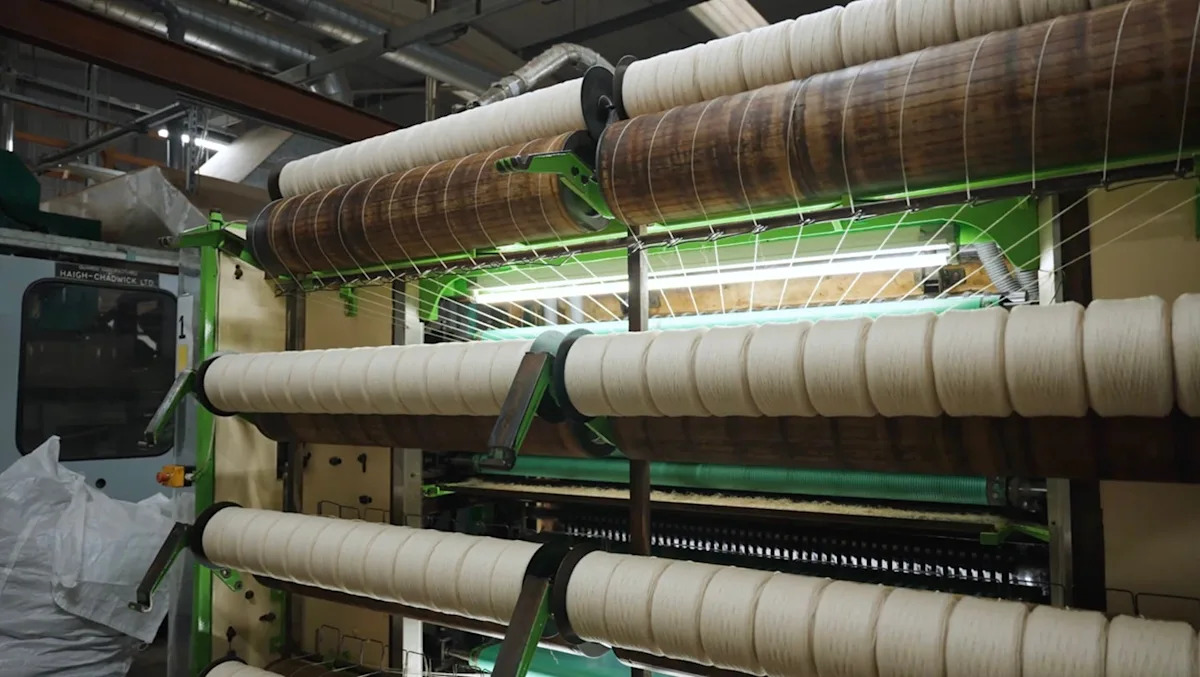
- Diverse Offerings: The British Pavilion will showcase a wide range of production capabilities, including knitwear and full-service manufacturing partners, with exhibitors demonstrating responsible manufacturing processes and low-impact production models to meet market sustainability demands.
- Supply Chain Transformation Signal: New exhibitors like Knitster and LaundRE signal a continued shift as brands seek to streamline logistics, shorten lead times, and enhance transparency by collaborating with UK-based partners, further promoting local sourcing initiatives.
See More

2026 Market Cap Madness Championship Recap

- Championship Showdown: The 2026 Market Cap Madness Championship featured Emily Flippen facing off against undefeated challenger Loren Horst, showcasing intense competition that captivated many investors.
- Game Mechanics: Contestants were required to provide market cap ranges for randomly mentioned stocks, scoring points by agreeing or disagreeing, highlighting the significance of market caps in investment decisions.
- Stock Performance Analysis: During the game, Texas Instruments' market cap was assessed at $177.50 billion, underscoring its strong position in the semiconductor industry and reflecting investor confidence in its future growth.
- Final Outcome: Emily emerged victorious with an 8-2 score, solidifying her status as the Market Cap Game Show World Champion, emphasizing her keen insights into market dynamics and effective investment strategies.
See More
General Mills Faces Neglect from Activist Investors
- Significant Stock Decline: General Mills has seen its stock price drop nearly 40% over the past year, trading at just 8 times earnings, indicating a pessimistic outlook from the market that could further weaken investor confidence.
- Intensified Competitive Pressure: Faced with fierce competition from private-label and health-oriented brands, General Mills has aggressively acquired more brands to stay competitive, but this expansion has 'di-worsified' its business and diverted resources from core brand improvement.
- Ongoing Sales Decline: The company's net sales have declined for two consecutive years, with analysts predicting a further 5% drop in fiscal 2026 and 2% in fiscal 2027, suggesting a weakening competitive position that may deter activist investors.
- Calls for Management Change: While some institutional investors are urging General Mills to shake up its management and make bolder moves, the lack of aggressive activist involvement indicates the company's hesitation in addressing market challenges effectively.
See More
Analysis of Beyond Meat's 96% Stock Collapse
- Stock Price Collapse: Beyond Meat's stock has plummeted approximately 96% since its IPO, with revenue soaring 239% in 2019 but projected to incur a net loss of $163 million in 2025, indicating a drastic decline in market appeal.
- Intensified Market Competition: Post-pandemic, Beyond Meat failed to regain lost customers while facing fierce competition from Tyson and Impossible Foods, further eroding its market share.
- Dramatic Margin Decline: The company resorted to markdowns to liquidate inventory in response to cost pressures, resulting in a gross margin drop from 33.5% in 2019 to 2.8% in 2025, highlighting severe profitability deterioration.
- Bleak Future Outlook: Analysts expect a further 9% revenue decline in 2026; despite insiders buying nearly ten times more shares than sold in the past year, a rebound seems unlikely without more positive signals.
See More
Beyond Meat Faces Daunting Challenges as Stock Plummets 96%
- Stock Collapse: Beyond Meat's stock has plummeted approximately 96% since its IPO, indicating a significant decline in its competitive position within the plant-based meat market, which has severely undermined investor confidence.
- Revenue Decline: Despite a 239% revenue surge in 2019, the company experienced a 10% revenue drop in 2022 and an 18% drop in 2023, with a projected 9% decline in 2026, reflecting waning market interest in plant-based meat and ineffective competitive strategies.
- Gross Margin Shrinkage: Due to inventory liquidation and markdown strategies, Beyond Meat's gross margin has shrunk from 33.5% in 2019 to 2.8% in 2025, indicating severe damage to its profitability and that its core business remains operationally unprofitable.
- Bleak Future Outlook: Analysts predict a net loss of $163 million in 2026, with low expectations for a rebound, highlighting the urgent need for Beyond Meat to identify new growth avenues to reverse its current predicament.
See More
Coca-Cola and PepsiCo Earnings Analysis
- Sales Rebound: Both Coca-Cola and PepsiCo reported a rebound in sales as consumers returned to flagship cola products and ancillary items like coffee, tea, and bottled water, leading to a 2% annual net revenue growth for both companies by 2025.
- Coca-Cola's Strong Performance: In the latest quarter, Coca-Cola's net revenue grew by 12% year-over-year, significantly outperforming PepsiCo's 9% increase, indicating Coca-Cola's competitive edge in the market.
- Shareholder Return Discrepancy: Over the past five years, Coca-Cola has delivered total returns exceeding 60%, while PepsiCo's returns were only 25%, although both stocks underperformed the S&P 500's total return during the same period.
- Dividends and Valuation: Coca-Cola has raised its dividend for 64 consecutive years, while PepsiCo's annual dividend yield of 3.6% surpasses Coca-Cola's 2.12%, positioning both as Dividend Kings with strong growth potential in dividends.
See More
Source Fashion Expands British Pavilion for 2026 Event
- Advisory Board Update: Source Fashion's new advisory board includes notable figures like former Vogue Business editor Kirsty McGregor, combining expertise from retail, sourcing, and policy to tackle supply chain and regulatory challenges, ensuring the relevance and foresight of industry programming.
- British Pavilion Expansion: At the July 2026 event, UK manufacturers are expected to become the second-largest exhibitor group after China, with plans to feature up to 45 UK manufacturers, reflecting increasing demand for local sourcing.
- Diverse Offerings: The British Pavilion will showcase a wide range of production capabilities, including knitwear and full-service manufacturing partners, with exhibitors demonstrating responsible manufacturing processes and low-impact production models to meet market sustainability demands.
- Supply Chain Transformation Signal: New exhibitors like Knitster and LaundRE signal a continued shift as brands seek to streamline logistics, shorten lead times, and enhance transparency by collaborating with UK-based partners, further promoting local sourcing initiatives.
See More
2026 Market Cap Madness Championship Recap
- Championship Showdown: The 2026 Market Cap Madness Championship featured Emily Flippen facing off against undefeated challenger Loren Horst, showcasing intense competition that captivated many investors.
- Game Mechanics: Contestants were required to provide market cap ranges for randomly mentioned stocks, scoring points by agreeing or disagreeing, highlighting the significance of market caps in investment decisions.
- Stock Performance Analysis: During the game, Texas Instruments' market cap was assessed at $177.50 billion, underscoring its strong position in the semiconductor industry and reflecting investor confidence in its future growth.
- Final Outcome: Emily emerged victorious with an 8-2 score, solidifying her status as the Market Cap Game Show World Champion, emphasizing her keen insights into market dynamics and effective investment strategies.
See More