U.S.-Iran Tensions Ease, Market Rally Follows
Written by Emily J. Thompson, Senior Investment Analyst
Updated: 1 day ago
0mins

Should l Buy CVX?
Source: CNBC
- Market Rally: Following President Trump's announcement to suspend attacks on Iran, the Dow Jones Industrial Average surged 2.85%, the S&P 500 rose 2.51%, and the Nasdaq jumped 2.8%, reflecting investor optimism about market stabilization.
- Interest Rate Expectations: With a sharp decline in the 10-year treasury yield, the market anticipates lower interest rates, which are crucial for reviving the housing market, particularly benefiting companies like Home Depot that thrive in low-rate environments.
- Strong Performance from Leaders: Stocks such as Sherwin-Williams, Caterpillar, Home Depot, and Goldman Sachs led the rally, indicating investor confidence in these companies and suggesting expectations for economic recovery.
- Weakness in Oil Stocks: Despite the overall market rebound, oil companies like Chevron and Diamondback faced significant pressure, highlighting investor concerns over Middle Eastern supply disruptions and the ongoing uncertainty in the sector.
Trade with 70% Backtested Accuracy
Stop guessing "Should I Buy CVX?" and start using high-conviction signals backed by rigorous historical data.
Sign up today to access powerful investing tools and make smarter, data-driven decisions.
Analyst Views on CVX
Wall Street analysts forecast CVX stock price to fall
19 Analyst Rating
15 Buy
4 Hold
0 Sell
Strong Buy
Current: 192.890

Low
158.00
Averages
176.95
High
206.00
Current: 192.890
Low
158.00
Averages
176.95
High
206.00
About CVX
Chevron Corporation is an integrated energy company. The Company produces crude oil and natural gas; manufactures transportation fuels, lubricants, petrochemicals and additives; and develops technologies that enhance its business and industry. The Company’s segments include Upstream and Downstream. Upstream operations consist primarily of exploring for, developing, producing and transporting crude oil and natural gas; liquefaction, transportation and regasification associated with LNG; transporting crude oil by major international oil export pipelines; processing, transporting, storage and marketing of natural gas; carbon capture and storage; and a gas-to-liquids plant. Downstream operations consist primarily of the refining of crude oil into petroleum products; marketing crude oil, refined products, and lubricants; manufacturing and marketing of renewable fuels, and transporting of crude oil and refined products by pipeline, marine vessel, motor equipment and rail car.
About the author

Emily J. Thompson
Emily J. Thompson, a Chartered Financial Analyst (CFA) with 12 years in investment research, graduated with honors from the Wharton School. Specializing in industrial and technology stocks, she provides in-depth analysis for Intellectia’s earnings and market brief reports.
Chevron Reports 6% Drop in Q1 Production Amid Middle East Conflict

- Production Decline Reasons: Chevron (CVX) disclosed in its latest 8-K filing that Q1 production is expected to fall by 6%, averaging 3.8M-3.9M boe/day, primarily due to the Middle East conflict and downtime at Kazakhstan's Tengizchevroil project, a decrease from 4.05M boe/day in Q4 2025.
- Financial Impact Estimates: The company anticipates that timing effects related to hedging and accounting will reduce Q1 earnings and operating cash flow by $2.7B-$3.7B (after tax), mainly affecting downstream operations, although this negative impact is expected to reverse in subsequent quarters.
- Rising Oil and Gas Price Expectations: Despite the production decline, Chevron expects surging oil and gas prices to boost quarterly earnings from its upstream segment by $1.6B-$2.2B, contingent on oil prices ranging between $130 and $140, which would positively influence the company's overall financial performance.
- Market Response and Strategy: Chevron's production and financial outlook mirrors that of ExxonMobil, highlighting common challenges faced across the industry, while proposals for windfall taxes on energy firms may impact future investment decisions, necessitating Chevron to adjust its strategy to maintain competitiveness.
See More
Chevron Confirms Oil Discovery at Bandit Prospect in Gulf of America
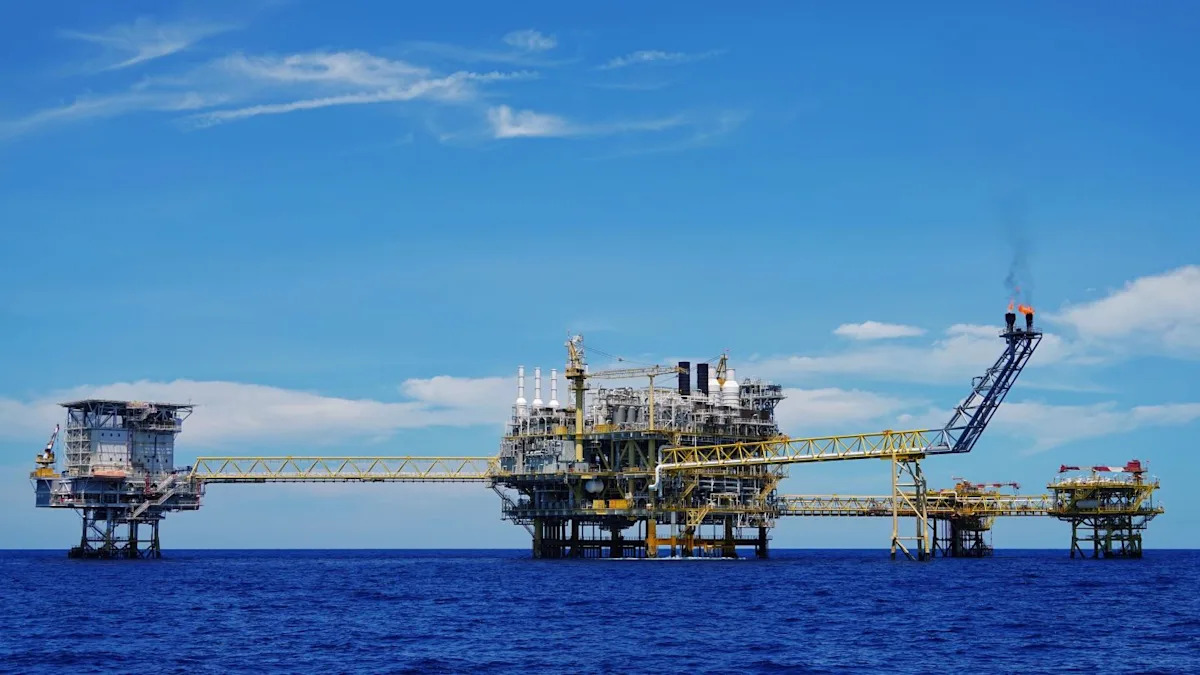
- Oil Discovery: Chevron, in partnership with Occidental, confirms an oil discovery at the Bandit prospect in the Gulf of America, located approximately 125 miles south of the Louisiana coast, indicating the area's rich potential resources.
- Collaborative Development: The Bandit field is operated by Occidental, with Chevron holding a 37.125% working interest, and it is expected that subsea tie-backs to adjacent facilities will enhance development efficiency, thereby accelerating the commercialization of resources.
- Strategic Importance: This discovery showcases Chevron's expertise in deepwater oil and gas exploration, further solidifying its leading position in the Gulf of America and providing data support for future investment decisions.
- Investment Outlook: Chevron's exploration strategy emphasizes high-impact project investments supported by infrastructure, and the Bandit discovery is set to enhance the company's competitiveness in the global energy market, especially against the backdrop of evolving energy demands.
See More
Chevron Discovers Oil at Bandit Prospect in Gulf of Mexico
- Oil Discovery: Chevron's exploration well at the Bandit prospect in the Gulf of Mexico has uncovered high-quality Miocene sands containing full-to-base oil, indicating significant potential resources that could yield substantial returns for the company.
- Collaborative Development: Operated by Occidental Petroleum, with Chevron holding a 37.125% stake, the project is expected to enhance extraction efficiency through subsea tie-backs to existing infrastructure, thereby solidifying Chevron's market position in the Gulf.
- Strategic Investment: Chevron's focus on a diversified portfolio is underscored by the Bandit discovery, which reinforces its capabilities in deep-water oil and gas, demonstrating the company's ongoing commitment to high-impact exploration opportunities.
- International Expansion: Chevron has signed lease agreements with HELLENiQ ENERGY for exploration in four offshore blocks in Greece, further extending its international operations and highlighting the strategic importance of the company in global energy security.
See More
Fragile U.S.-Iran Ceasefire Tested Amid Oil Price Volatility


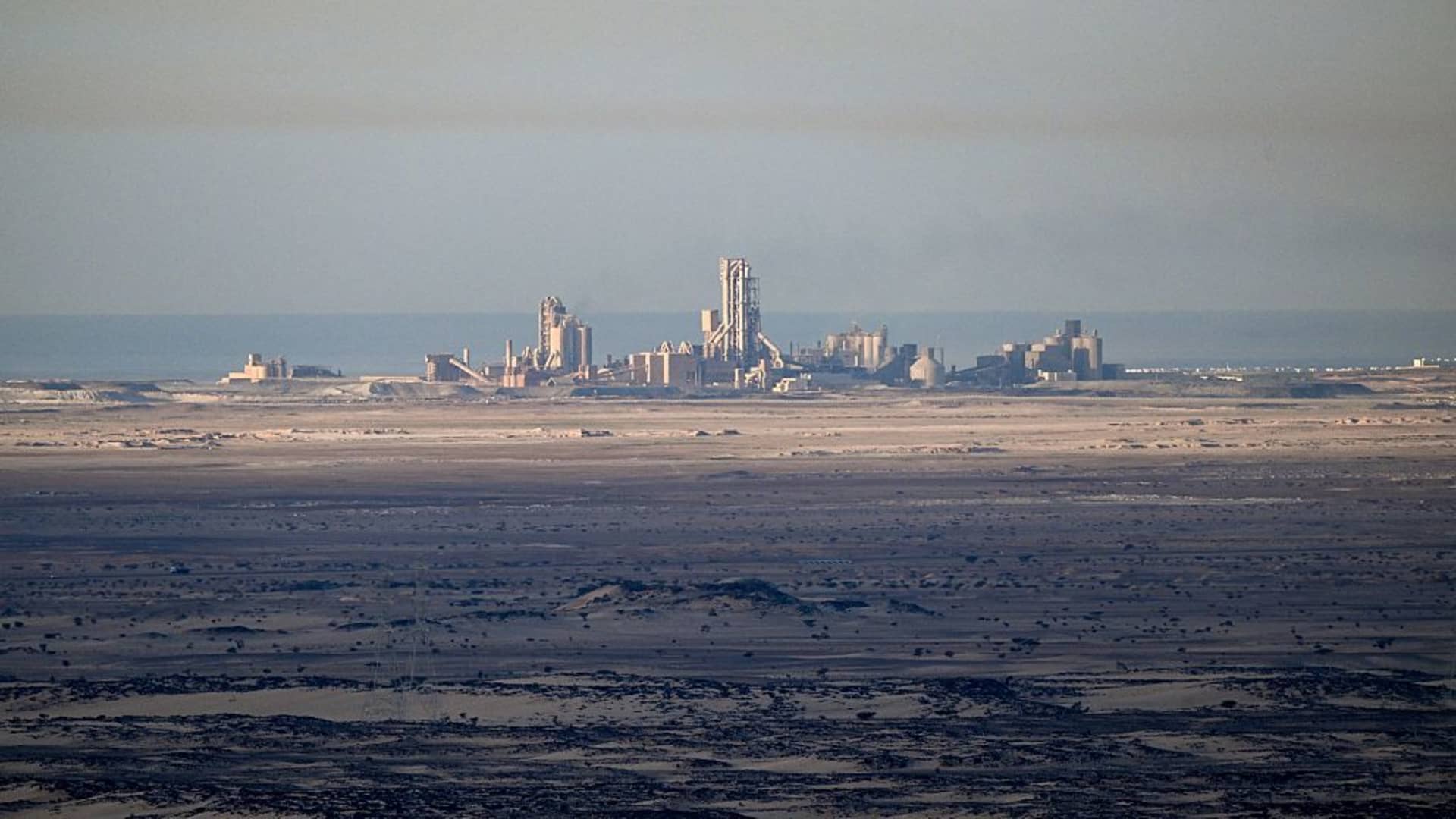
- Oil Price Fluctuations: Iran's attack on Saudi Arabia's Red Sea pipeline has cut throughput by 700,000 barrels per day, causing oil prices to hover below $100 per barrel, which exacerbates uncertainty in global markets.
- Ceasefire Negotiations Tension: U.S. and Iranian negotiators are set to meet in Pakistan, and despite heated rhetoric, there remains a willingness to maintain the ceasefire, which could impact future energy supply and price stability.
- Global Economic Impact: China's factory-gate prices have risen for the first time in over three years, indicating the war's disruption of global energy markets, potentially leading to increased inflationary pressures for the Federal Reserve.
- Political Landscape Attention: The British Prime Minister expressed frustration over energy price volatility, highlighting the influence of international politics on domestic economies, which underscores the far-reaching effects of global political dynamics on markets.
See More
JP Morgan Increases Chevron Corp's Target Price to $216, Up from $181
- Chevron Corp Target Price Increase: JP Morgan has raised the target price for Chevron Corp from $181 to $216.
- Market Implications: This adjustment reflects JP Morgan's positive outlook on Chevron's performance and potential growth in the energy sector.
See More

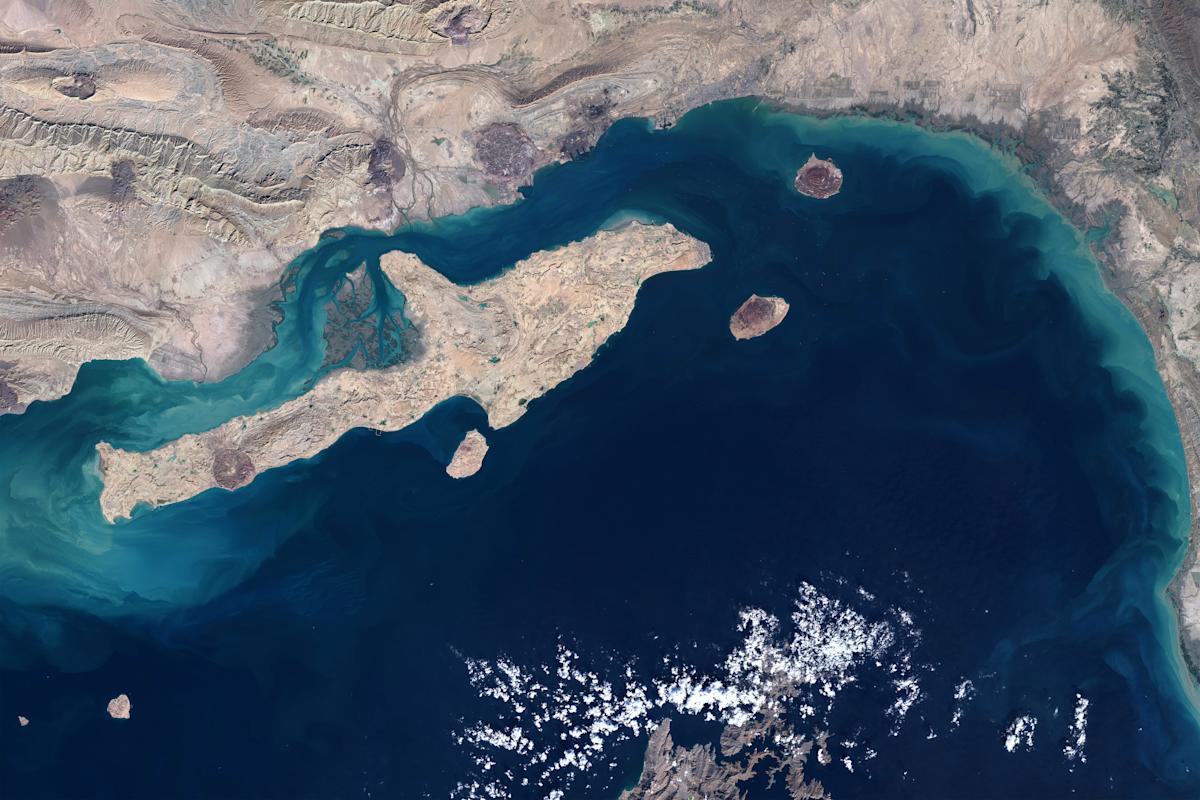
Closure of Strait of Hormuz Triggers Global Energy Crisis
- Market Reaction: Oil prices surged above $100 per barrel due to the closure of the Strait of Hormuz, reflecting market concerns over tight energy supplies that could lead to a global economic slowdown.
- Transport Restrictions: The CEO of Abu Dhabi National Oil Co. confirmed that the Strait of Hormuz is not open to shipping, with traffic being restricted, which will further exacerbate international oil price volatility and impact the global energy supply chain.
- Geopolitical Tensions: Iran's plan to charge shipping companies cryptocurrency tolls for passage through the Strait could provoke strong international backlash, increasing the risk of regional conflict.
- Emergency Measures Escalate: Japan is reportedly considering releasing about 20 days' worth of oil reserves as early as May to address the global supply crisis, demonstrating the urgency and strategic responses of governments facing energy shortages.
See More
Chevron Reports 6% Drop in Q1 Production Amid Middle East Conflict
- Production Decline Reasons: Chevron (CVX) disclosed in its latest 8-K filing that Q1 production is expected to fall by 6%, averaging 3.8M-3.9M boe/day, primarily due to the Middle East conflict and downtime at Kazakhstan's Tengizchevroil project, a decrease from 4.05M boe/day in Q4 2025.
- Financial Impact Estimates: The company anticipates that timing effects related to hedging and accounting will reduce Q1 earnings and operating cash flow by $2.7B-$3.7B (after tax), mainly affecting downstream operations, although this negative impact is expected to reverse in subsequent quarters.
- Rising Oil and Gas Price Expectations: Despite the production decline, Chevron expects surging oil and gas prices to boost quarterly earnings from its upstream segment by $1.6B-$2.2B, contingent on oil prices ranging between $130 and $140, which would positively influence the company's overall financial performance.
- Market Response and Strategy: Chevron's production and financial outlook mirrors that of ExxonMobil, highlighting common challenges faced across the industry, while proposals for windfall taxes on energy firms may impact future investment decisions, necessitating Chevron to adjust its strategy to maintain competitiveness.
See More
Chevron Confirms Oil Discovery at Bandit Prospect in Gulf of America
- Oil Discovery: Chevron, in partnership with Occidental, confirms an oil discovery at the Bandit prospect in the Gulf of America, located approximately 125 miles south of the Louisiana coast, indicating the area's rich potential resources.
- Collaborative Development: The Bandit field is operated by Occidental, with Chevron holding a 37.125% working interest, and it is expected that subsea tie-backs to adjacent facilities will enhance development efficiency, thereby accelerating the commercialization of resources.
- Strategic Importance: This discovery showcases Chevron's expertise in deepwater oil and gas exploration, further solidifying its leading position in the Gulf of America and providing data support for future investment decisions.
- Investment Outlook: Chevron's exploration strategy emphasizes high-impact project investments supported by infrastructure, and the Bandit discovery is set to enhance the company's competitiveness in the global energy market, especially against the backdrop of evolving energy demands.
See More
Chevron Discovers Oil at Bandit Prospect in Gulf of Mexico
- Oil Discovery: Chevron's exploration well at the Bandit prospect in the Gulf of Mexico has uncovered high-quality Miocene sands containing full-to-base oil, indicating significant potential resources that could yield substantial returns for the company.
- Collaborative Development: Operated by Occidental Petroleum, with Chevron holding a 37.125% stake, the project is expected to enhance extraction efficiency through subsea tie-backs to existing infrastructure, thereby solidifying Chevron's market position in the Gulf.
- Strategic Investment: Chevron's focus on a diversified portfolio is underscored by the Bandit discovery, which reinforces its capabilities in deep-water oil and gas, demonstrating the company's ongoing commitment to high-impact exploration opportunities.
- International Expansion: Chevron has signed lease agreements with HELLENiQ ENERGY for exploration in four offshore blocks in Greece, further extending its international operations and highlighting the strategic importance of the company in global energy security.
See More
Fragile U.S.-Iran Ceasefire Tested Amid Oil Price Volatility
- Oil Price Fluctuations: Iran's attack on Saudi Arabia's Red Sea pipeline has cut throughput by 700,000 barrels per day, causing oil prices to hover below $100 per barrel, which exacerbates uncertainty in global markets.
- Ceasefire Negotiations Tension: U.S. and Iranian negotiators are set to meet in Pakistan, and despite heated rhetoric, there remains a willingness to maintain the ceasefire, which could impact future energy supply and price stability.
- Global Economic Impact: China's factory-gate prices have risen for the first time in over three years, indicating the war's disruption of global energy markets, potentially leading to increased inflationary pressures for the Federal Reserve.
- Political Landscape Attention: The British Prime Minister expressed frustration over energy price volatility, highlighting the influence of international politics on domestic economies, which underscores the far-reaching effects of global political dynamics on markets.
See More
JP Morgan Increases Chevron Corp's Target Price to $216, Up from $181
- Chevron Corp Target Price Increase: JP Morgan has raised the target price for Chevron Corp from $181 to $216.
- Market Implications: This adjustment reflects JP Morgan's positive outlook on Chevron's performance and potential growth in the energy sector.
See More
Closure of Strait of Hormuz Triggers Global Energy Crisis
- Market Reaction: Oil prices surged above $100 per barrel due to the closure of the Strait of Hormuz, reflecting market concerns over tight energy supplies that could lead to a global economic slowdown.
- Transport Restrictions: The CEO of Abu Dhabi National Oil Co. confirmed that the Strait of Hormuz is not open to shipping, with traffic being restricted, which will further exacerbate international oil price volatility and impact the global energy supply chain.
- Geopolitical Tensions: Iran's plan to charge shipping companies cryptocurrency tolls for passage through the Strait could provoke strong international backlash, increasing the risk of regional conflict.
- Emergency Measures Escalate: Japan is reportedly considering releasing about 20 days' worth of oil reserves as early as May to address the global supply crisis, demonstrating the urgency and strategic responses of governments facing energy shortages.
See More