Usha Resources Congratulates Stardust Power on NASDAQ Listing, Provides Update on LOI to Sell Up to 90% of the Jackpot Lake Project for Total Consideration of up to US$26,025,000
Written by Emily J. Thompson, Senior Investment Analyst
Updated: Jul 26 2024
0mins


Source: Newsfilter
Trade with 70% Backtested Accuracy
Stop guessing "Should I Buy C?" and start using high-conviction signals backed by rigorous historical data.
Sign up today to access powerful investing tools and make smarter, data-driven decisions.
Analyst Views on C
Wall Street analysts forecast C stock price to fall
18 Analyst Rating
15 Buy
3 Hold
0 Sell
Strong Buy
Current: 144.980

Low
87.00
Averages
131.00
High
150.00
Current: 144.980
Low
87.00
Averages
131.00
High
150.00
About C
Citigroup Inc. is a global diversified financial services holding company. The Company’s segments include Services, Markets, Banking, Wealth and U.S. Personal Banking (USPB). The Services segment includes Treasury and Trade Solutions (TTS) and securities services. TTS provides an integrated suite of tailored cash management, trade and working capital solutions to multinational corporations, financial institutions and public sector organizations. The Markets segment provides corporate, institutional and public sector clients around the world with a full range of sales and trading services across equities, foreign exchange, rates, spread products and commodities. The Banking segment includes investment banking, which supports client capital-raising needs to help strengthen and grow their businesses. The Wealth segment includes Private Bank, Wealth at Work and Citigold and provides financial services to a range of client segments. USPB segment includes branded cards and retail services.
About the author

Emily J. Thompson
Emily J. Thompson, a Chartered Financial Analyst (CFA) with 12 years in investment research, graduated with honors from the Wharton School. Specializing in industrial and technology stocks, she provides in-depth analysis for Intellectia’s earnings and market brief reports.

China's Tech IPOs Set for Strongest Year Since 2023
- Surge in Fundraising: As of June 18, Chinese tech companies have raised a total of $3.1 billion through IPOs, more than five times the amount from the same period last year, indicating strong market demand and a recovery in investor confidence.
- Active Listing Applications: Nearly 50 tech firms, including robotics and semiconductor companies, have applied for IPOs in Shanghai and Shenzhen, with total fundraising plans reaching at least 126.1 billion yuan ($18.7 billion), reflecting optimistic expectations for the future of the tech industry.
- Enhanced Policy Support: Chinese regulators have announced support for startups in
See More

Citigroup Raises SNDK Price Target to $2,500


- Price Target Increase: Citigroup raised its 12-month price target on SNDK from $2,025 to $2,500, indicating a 23.5% upside from the previous target, reflecting optimistic market expectations for its future performance.
- Analyst Ratings Optimistic: According to Koyfin, 18 out of 22 analysts rate SNDK as ‘Buy’, showcasing strong confidence in the stock and further solidifying its competitive position in the semiconductor industry.
- Strong Performance Boost: SNDK's stock soared 21.5% on Thursday, marking its best performance since January, primarily driven by Micron's robust quarterly results and Citigroup's price target hike, indicating strong market expectations for memory chip demand.
- Positive Market Sentiment: Investor sentiment on Stocktwits is deemed ‘bullish’ with extremely high message volumes, reflecting expectations for SNDK's performance amid strong AI demand and high prices, although cyclical risks remain a concern.
See More
Investment Analysis: Citigroup vs. Wells Fargo

- Global Presence of Citigroup: Citigroup operates in over 90 markets, reporting nearly $85.2 billion in revenue and approximately $14.3 billion in net income for FY 2025, with a net margin of 16.7%, showcasing its strong competitive edge and profitability in the global market.
- Market Strength of Wells Fargo: Wells Fargo serves around 60 million consumer and small business customers in the U.S., achieving approximately $83.7 billion in revenue and $21.3 billion in net income for FY 2025, with a net margin of 25%, indicating its solid position and profitability in the domestic market.
- Risk Management Challenges: Citigroup faces geopolitical and currency risks while competing with JPMorgan Chase and Bank of America, whereas Wells Fargo operates under heavy regulatory scrutiny, needing to enhance its anti-money laundering and risk management practices.
- Future Outlook Comparison: Citigroup plans to exit consumer banking in 14 international markets to free up capital for more profitable ventures, while Wells Fargo, having lifted its asset cap, gains greater financial flexibility despite uncertainties in the macroeconomic environment.
See More

Citigroup Raises Quarterly Dividend by 12% to $0.67 Amid Strong Stress Test Results
- Dividend Increase: Citigroup announced a 12% increase in its quarterly dividend to $0.67 per share, reflecting the company's strong commitment to shareholder returns, which is likely to attract more investor interest.
- Stock Buyback Program: The company will continue its $30 billion stock repurchase program, a move that not only boosts market confidence but also has the potential to enhance earnings per share, further driving stock price appreciation.
- Stress Test Results: Citigroup and 31 other large banks passed the Federal Reserve's annual stress tests, indicating sustained capital adequacy and risk resilience, which further solidifies its market position.
- Improved Capital Ratios: Citigroup's standardized common equity tier 1 capital ratio stands at 12.7%, exceeding the regulatory requirement of 11.6%, demonstrating significant improvements in capital resilience and providing a solid foundation for future shareholder returns.
See More

Fundstrat Raises S&P 500 Year-End Target to 8,000 Amid Strong Earnings

- Target Adjustment: Tom Lee of Fundstrat has raised the S&P 500 year-end target from 7,700 to 8,000, primarily due to improving corporate earnings expectations, aligning with optimistic forecasts from Goldman Sachs and Citigroup.
- Earnings Driven: The firm attributes the higher target mainly to increased EPS expectations for 2027, while also anticipating an expansion in price-to-earnings multiples, reflecting confidence in AI investments, energy infrastructure spending, and blockchain adoption.
- Market Challenges: Despite the target increase, Lee cautioned that the market will face three major tests this year, including the new Federal Reserve leadership's performance, the potential unlocking of IPOs from companies like SpaceX, and risks of petroleum shortages due to the Iran conflict.
- Investment Preferences: Fundstrat reiterated its preference for technology, financials, industrials, small-cap stocks, and energy/basic materials, updating its high-conviction stock recommendations, with Caterpillar added to the “Top 5” alongside existing picks like AMD and Goldman Sachs, while Northrop Grumman and Palantir were added to the “Bottom 5.”
See More
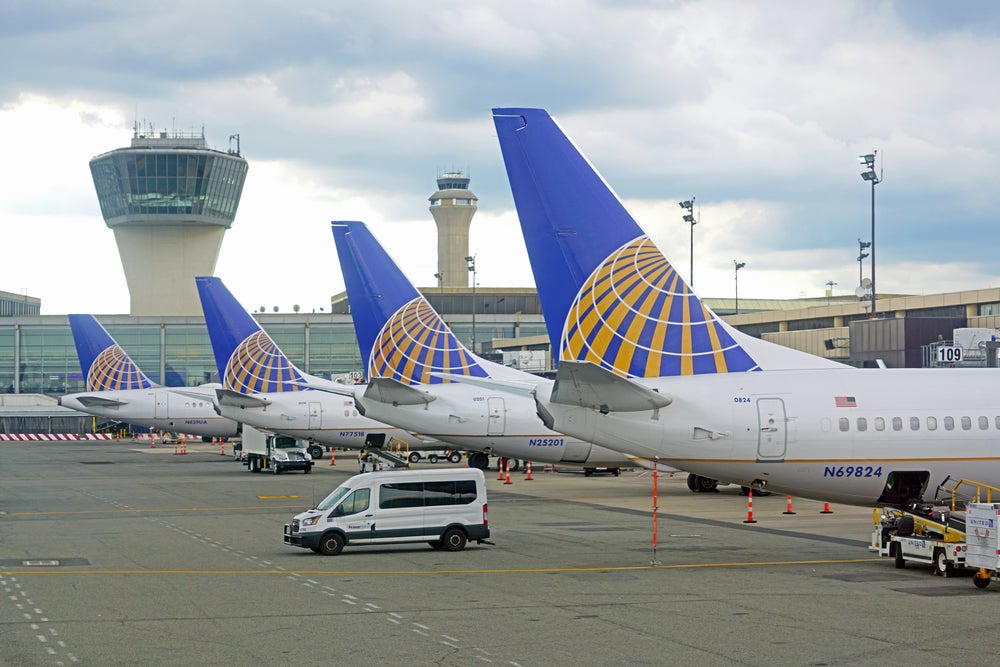
U.S.-Iran MOU Signed, Oil Prices Fluctuate Amidst Geopolitical Tensions

- Oil Price Fluctuations: WTI crude prices have fallen over 20% in the past month to around $75, down from nearly $113 in April, posing challenges for investors amid increasing geopolitical and logistical uncertainties, despite starting the year at $57.
- Airline Stock Performance: High jet fuel prices initially pressured airline stocks, yet the U.S. Global Jets ETF (JETS) has risen by 4.17%, indicating market optimism regarding the recovery of the airline industry and resilience in air travel demand.
- Delta Airlines' Resilience: Delta Air Lines (DAL) has shown remarkable performance this year, with its stock up over 21% year-to-date and reaching an all-time high after announcing a 15% quarterly dividend increase, reflecting strong leadership and brand appeal in a high fuel cost environment.
- American Airlines' Turnaround Potential: American Airlines (AAL) has seen its Q1 2026 revenue increase nearly 11% year-over-year to $13.9 billion, despite higher debt and net losses, and its partnership with Citibank to launch a co-branded credit card could enhance customer loyalty, showcasing its strategic transformation potential.
See More
China's Tech IPOs Set for Strongest Year Since 2023
- Surge in Fundraising: As of June 18, Chinese tech companies have raised a total of $3.1 billion through IPOs, more than five times the amount from the same period last year, indicating strong market demand and a recovery in investor confidence.
- Active Listing Applications: Nearly 50 tech firms, including robotics and semiconductor companies, have applied for IPOs in Shanghai and Shenzhen, with total fundraising plans reaching at least 126.1 billion yuan ($18.7 billion), reflecting optimistic expectations for the future of the tech industry.
- Enhanced Policy Support: Chinese regulators have announced support for startups in
See More
Citigroup Raises SNDK Price Target to $2,500
- Price Target Increase: Citigroup raised its 12-month price target on SNDK from $2,025 to $2,500, indicating a 23.5% upside from the previous target, reflecting optimistic market expectations for its future performance.
- Analyst Ratings Optimistic: According to Koyfin, 18 out of 22 analysts rate SNDK as ‘Buy’, showcasing strong confidence in the stock and further solidifying its competitive position in the semiconductor industry.
- Strong Performance Boost: SNDK's stock soared 21.5% on Thursday, marking its best performance since January, primarily driven by Micron's robust quarterly results and Citigroup's price target hike, indicating strong market expectations for memory chip demand.
- Positive Market Sentiment: Investor sentiment on Stocktwits is deemed ‘bullish’ with extremely high message volumes, reflecting expectations for SNDK's performance amid strong AI demand and high prices, although cyclical risks remain a concern.
See More
Investment Analysis: Citigroup vs. Wells Fargo
- Global Presence of Citigroup: Citigroup operates in over 90 markets, reporting nearly $85.2 billion in revenue and approximately $14.3 billion in net income for FY 2025, with a net margin of 16.7%, showcasing its strong competitive edge and profitability in the global market.
- Market Strength of Wells Fargo: Wells Fargo serves around 60 million consumer and small business customers in the U.S., achieving approximately $83.7 billion in revenue and $21.3 billion in net income for FY 2025, with a net margin of 25%, indicating its solid position and profitability in the domestic market.
- Risk Management Challenges: Citigroup faces geopolitical and currency risks while competing with JPMorgan Chase and Bank of America, whereas Wells Fargo operates under heavy regulatory scrutiny, needing to enhance its anti-money laundering and risk management practices.
- Future Outlook Comparison: Citigroup plans to exit consumer banking in 14 international markets to free up capital for more profitable ventures, while Wells Fargo, having lifted its asset cap, gains greater financial flexibility despite uncertainties in the macroeconomic environment.
See More
Citigroup Raises Quarterly Dividend by 12% to $0.67 Amid Strong Stress Test Results
- Dividend Increase: Citigroup announced a 12% increase in its quarterly dividend to $0.67 per share, reflecting the company's strong commitment to shareholder returns, which is likely to attract more investor interest.
- Stock Buyback Program: The company will continue its $30 billion stock repurchase program, a move that not only boosts market confidence but also has the potential to enhance earnings per share, further driving stock price appreciation.
- Stress Test Results: Citigroup and 31 other large banks passed the Federal Reserve's annual stress tests, indicating sustained capital adequacy and risk resilience, which further solidifies its market position.
- Improved Capital Ratios: Citigroup's standardized common equity tier 1 capital ratio stands at 12.7%, exceeding the regulatory requirement of 11.6%, demonstrating significant improvements in capital resilience and providing a solid foundation for future shareholder returns.
See More
Fundstrat Raises S&P 500 Year-End Target to 8,000 Amid Strong Earnings
- Target Adjustment: Tom Lee of Fundstrat has raised the S&P 500 year-end target from 7,700 to 8,000, primarily due to improving corporate earnings expectations, aligning with optimistic forecasts from Goldman Sachs and Citigroup.
- Earnings Driven: The firm attributes the higher target mainly to increased EPS expectations for 2027, while also anticipating an expansion in price-to-earnings multiples, reflecting confidence in AI investments, energy infrastructure spending, and blockchain adoption.
- Market Challenges: Despite the target increase, Lee cautioned that the market will face three major tests this year, including the new Federal Reserve leadership's performance, the potential unlocking of IPOs from companies like SpaceX, and risks of petroleum shortages due to the Iran conflict.
- Investment Preferences: Fundstrat reiterated its preference for technology, financials, industrials, small-cap stocks, and energy/basic materials, updating its high-conviction stock recommendations, with Caterpillar added to the “Top 5” alongside existing picks like AMD and Goldman Sachs, while Northrop Grumman and Palantir were added to the “Bottom 5.”
See More
U.S.-Iran MOU Signed, Oil Prices Fluctuate Amidst Geopolitical Tensions
- Oil Price Fluctuations: WTI crude prices have fallen over 20% in the past month to around $75, down from nearly $113 in April, posing challenges for investors amid increasing geopolitical and logistical uncertainties, despite starting the year at $57.
- Airline Stock Performance: High jet fuel prices initially pressured airline stocks, yet the U.S. Global Jets ETF (JETS) has risen by 4.17%, indicating market optimism regarding the recovery of the airline industry and resilience in air travel demand.
- Delta Airlines' Resilience: Delta Air Lines (DAL) has shown remarkable performance this year, with its stock up over 21% year-to-date and reaching an all-time high after announcing a 15% quarterly dividend increase, reflecting strong leadership and brand appeal in a high fuel cost environment.
- American Airlines' Turnaround Potential: American Airlines (AAL) has seen its Q1 2026 revenue increase nearly 11% year-over-year to $13.9 billion, despite higher debt and net losses, and its partnership with Citibank to launch a co-branded credit card could enhance customer loyalty, showcasing its strategic transformation potential.
See More