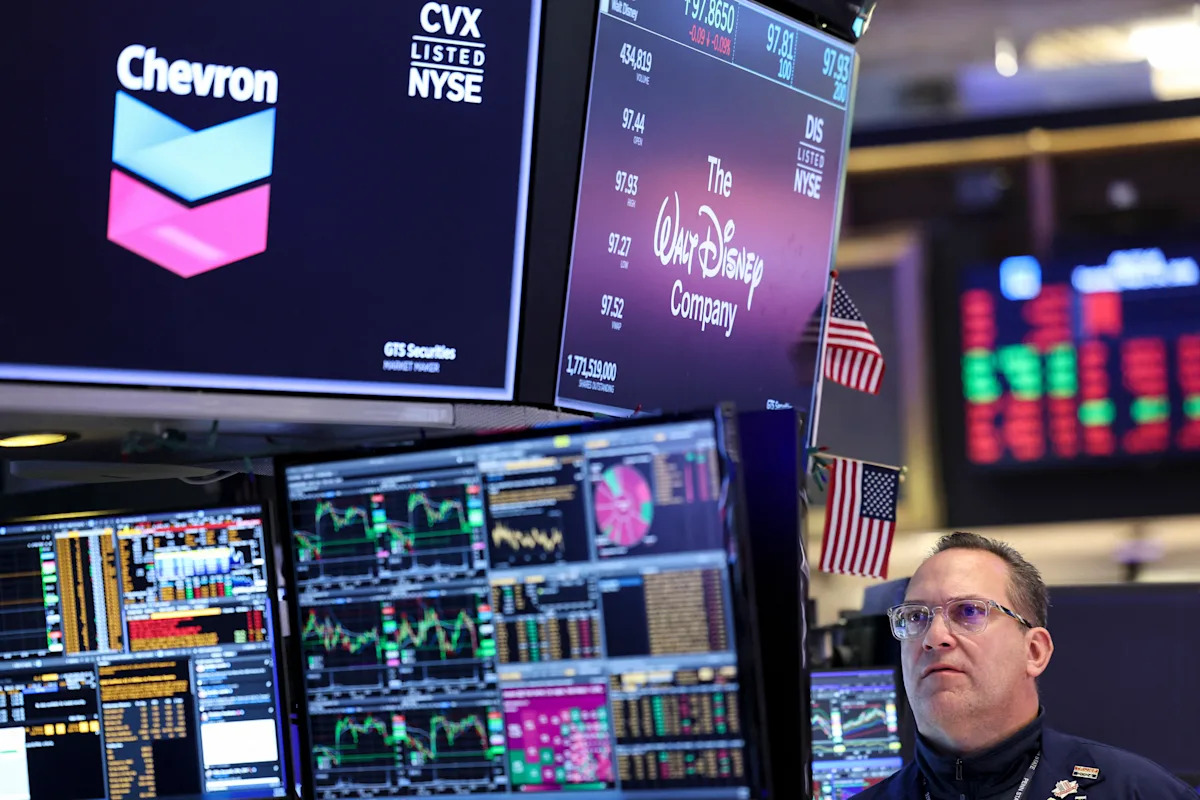
U.S. Stocks Navigate Complex Market Landscape Ahead of Earnings Season
Written by Emily J. Thompson, Senior Investment Analyst
Updated: 1 hour ago
0mins
Source: Yahoo Finance
- Compressed Valuations: The S&P 500 has retreated 9% from January highs, driven by surging oil prices, rising interest rates, and ongoing instability from the Iran war, with the P/E ratio dropping from 21x to 19x, even as analysts raised 2026 EPS forecasts by 3%.
- Investor Sentiment Shift: Goldman Sachs' U.S. Equity Sentiment Indicator has fallen to -0.9, the lowest since August 2025, with historical data indicating that readings below -1 often precede above-average returns; however, current market positioning is insufficient to trigger a rally without fundamental improvements.
- Solid Earnings Outlook: Despite macroeconomic headwinds, Goldman Sachs forecasts a 12% EPS growth for the S&P 500 in 2026, assuming current disruptions do not extend significantly, making the upcoming earnings season a critical test of this optimism.
- Policy Implications and Market Path: The market is focused on the Federal Reserve's response to stagflationary pressures from the Iran war, as corporate earnings grow, but high oil prices and persistent inflation complicate potential rate cuts, leading investors to favor companies with strong balance sheets in a prolonged high-rate environment.
Trade with 70% Backtested Accuracy
Stop guessing "Should I Buy GS?" and start using high-conviction signals backed by rigorous historical data.
Sign up today to access powerful investing tools and make smarter, data-driven decisions.
Analyst Views on GS
Wall Street analysts forecast GS stock price to rise
12 Analyst Rating
5 Buy
7 Hold
0 Sell
Moderate Buy
Current: 822.640

Low
604.00
Averages
951.45
High
1100
Current: 822.640
Low
604.00
Averages
951.45
High
1100
About GS
The Goldman Sachs Group, Inc. is a global financial institution that delivers a range of financial services to a large and diversified client base that includes corporations, financial institutions, governments and individuals. Its segments include Global Banking & Markets, Asset & Wealth Management and Platform Solutions. The Global Banking & Markets segment offers a range of services, including financing, advisory services, risk distribution, and hedging for its institutional and corporate clients. It facilitates client transactions and makes markets in fixed income, equity, currency and commodity products. The Asset & Wealth Management segment manages assets and offers investment products across all asset classes to a diverse set of clients. It also provides investing and wealth advisory solutions. The Platform Solutions segment includes consumer platforms, such as partnerships offering credit cards and point-of-sale financing, and transaction banking and other platform businesses.
About the author

Emily J. Thompson
Emily J. Thompson, a Chartered Financial Analyst (CFA) with 12 years in investment research, graduated with honors from the Wharton School. Specializing in industrial and technology stocks, she provides in-depth analysis for Intellectia’s earnings and market brief reports.

Anthropic Weighs IPO as Soon as October, Potentially Raising Over $60B

- IPO Consideration: Anthropic PBC is weighing an initial public offering as soon as October, with potential fundraising exceeding $60 billion, reflecting strong market confidence amid competition with OpenAI.
- Funding Background: Founded in 2021 by former OpenAI staff, the company was valued at $380 billion in its latest funding round, highlighting its immense potential in the AI sector and significant investor interest.
- Government Contract: Anthropic signed a $200 million contract with the U.S. Department of Defense in July, becoming the first lab to deploy its models on classified networks, further solidifying its position in the defense sector.
- Technology Partnerships: The company has established partnerships with tech giants like Google, Amazon, Microsoft, and Nvidia, which hold stakes in the AI startup and have provided specialized chips and technology worth tens of billions of dollars.
See More

U.S. Stocks Navigate Complex Market Landscape Ahead of Earnings Season

- Compressed Valuations: The S&P 500 has retreated 9% from January highs, driven by surging oil prices, rising interest rates, and ongoing instability from the Iran war, with the P/E ratio dropping from 21x to 19x, even as analysts raised 2026 EPS forecasts by 3%.
- Investor Sentiment Shift: Goldman Sachs' U.S. Equity Sentiment Indicator has fallen to -0.9, the lowest since August 2025, with historical data indicating that readings below -1 often precede above-average returns; however, current market positioning is insufficient to trigger a rally without fundamental improvements.
- Solid Earnings Outlook: Despite macroeconomic headwinds, Goldman Sachs forecasts a 12% EPS growth for the S&P 500 in 2026, assuming current disruptions do not extend significantly, making the upcoming earnings season a critical test of this optimism.
- Policy Implications and Market Path: The market is focused on the Federal Reserve's response to stagflationary pressures from the Iran war, as corporate earnings grow, but high oil prices and persistent inflation complicate potential rate cuts, leading investors to favor companies with strong balance sheets in a prolonged high-rate environment.
See More

CNBC Investing Club March Meeting Overview


- Energy Stocks Surge: Following the outbreak of war in Iran, energy stocks, particularly fertilizer manufacturers, have shown strong performance, indicating robust market demand that could drive profitability for related companies.
- AWS Growth Acceleration: Amazon's cloud unit AWS is no longer lagging behind Microsoft Azure, thanks to its partnership with Anthropic, with expectations for next quarter's margins to exceed market forecasts, boosting investor confidence.
- Cybersecurity Challenges: CrowdStrike has been affected by turmoil in the software market, but the CEO highlighted the positive impact of AI on cyberattacks, indicating long-term growth potential in the security sector, despite high stock prices.
- Healthcare Sector Risks: Eli Lilly faces pricing pressure from competitor Novo Nordisk, but the company is prepared to counter this by increasing volume, with the upcoming launch of its GLP-1 obesity drug expected to drive growth.
See More
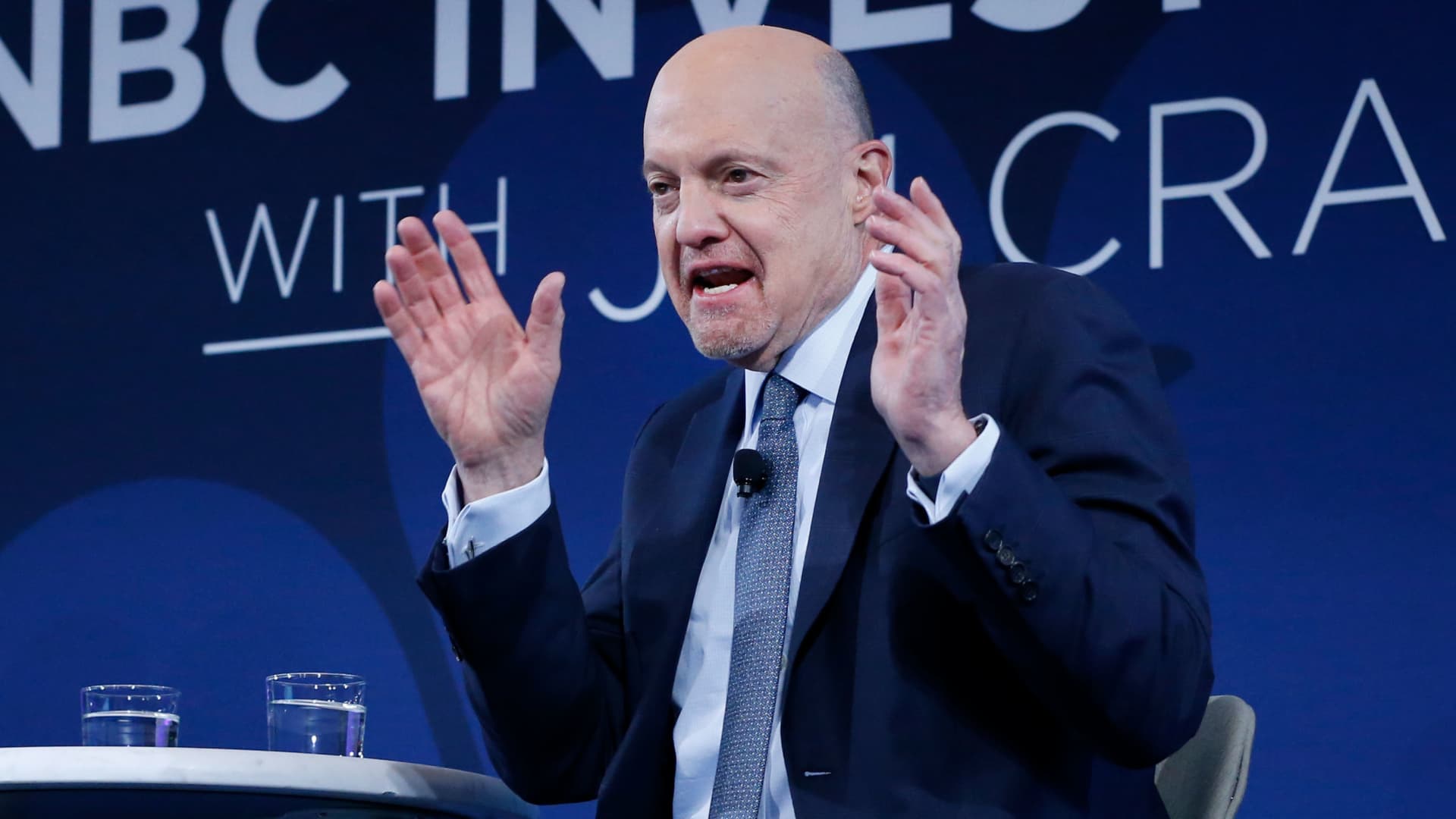
Investor Psychology and Market Volatility

- Investor Psychology Impact: The author reflects on trading experiences from 42 years ago, emphasizing how fear can lead investors to make poor decisions during market volatility, resulting in many failing to profit in the stock market, highlighting the profound influence of psychological factors on investment behavior.
- Tech Stock Volatility: Although the author missed an opportunity to pay off credit card debt due to negative coverage in a market magazine, he notes that tech stocks can rebound strongly after short-term downturns, demonstrating the resilience and long-term growth potential of the tech sector.
- Importance of Quality Companies: The author stresses that successful investing hinges on selecting companies with strong moats and excellent products, rather than merely focusing on their classification as tech stocks, as this strategy helps maintain stable returns amid market turbulence.
- Market Sentiment and Decision-Making: In the current market environment, the author warns investors against hastily exiting due to short-term fluctuations, encouraging more rational reasons for investment decisions to avoid making impulsive sell-offs driven by fear.
See More

Financial Stocks' Low Valuations May Benefit from Rate Changes


- Valuation Advantage: As of March 24, S&P 500 financial stocks have a forward P/E of 14, ranking in the 29th percentile of absolute P/E over the past decade, indicating relative cheapness in a high-valuation market, thus attracting investor interest.
- Interest Rate Outlook: The onset of the Iran war may lead the Federal Reserve to consider rate hikes before the end of 2026, which would directly boost net interest income for financial stocks, particularly for companies like Wells Fargo and MetLife.
- Market Dynamics Shift: With inflation expectations rising from 2.4% to 3.16%, the low P/E ratios of financial stocks may draw more investors, especially given the overall high valuations in the current market, making the financial sector's performance particularly significant.
- Investment Opportunities: Within the S&P 500, 30 financial stocks have forward P/E ratios below 10, with Wells Fargo and MetLife at 10 and 6.4 respectively, representing discounts of 10% and 23% to their average forward P/E ratios over the last five years, providing significant value opportunities for investors.
See More

Financial Stocks Present Bargains Amid High Market Valuations
- Valuation Advantage: The current P/E ratio of 14 for S&P 500 financial stocks ranks in the 29th percentile over the past decade, highlighting their relative cheapness in an otherwise expensive market, thus attracting investor interest.
- Changing Rate Outlook: The outbreak of the Iran war has shifted market expectations for interest rates, with the Federal Reserve potentially enacting rate hikes before the end of 2026, which would benefit financial stocks through increased net interest income.
- Key Financial Stocks: Among the 70 financial stocks in the S&P 500, 30 ended the March 24 trading session with a forward P/E ratio below 10, including Wells Fargo and MetLife, which show respective forward P/E ratios of 10 and 6.4, representing discounts that appeal to value investors.
- Market Environment Impact: Although financial stocks are typically highly cyclical, the current low P/E ratios combined with the potential for rising interest rates provide investors with opportunities to find value in a historically expensive market, potentially driving a recovery in the sector.
See More
Anthropic Weighs IPO as Soon as October, Potentially Raising Over $60B
- IPO Consideration: Anthropic PBC is weighing an initial public offering as soon as October, with potential fundraising exceeding $60 billion, reflecting strong market confidence amid competition with OpenAI.
- Funding Background: Founded in 2021 by former OpenAI staff, the company was valued at $380 billion in its latest funding round, highlighting its immense potential in the AI sector and significant investor interest.
- Government Contract: Anthropic signed a $200 million contract with the U.S. Department of Defense in July, becoming the first lab to deploy its models on classified networks, further solidifying its position in the defense sector.
- Technology Partnerships: The company has established partnerships with tech giants like Google, Amazon, Microsoft, and Nvidia, which hold stakes in the AI startup and have provided specialized chips and technology worth tens of billions of dollars.
See More
U.S. Stocks Navigate Complex Market Landscape Ahead of Earnings Season
- Compressed Valuations: The S&P 500 has retreated 9% from January highs, driven by surging oil prices, rising interest rates, and ongoing instability from the Iran war, with the P/E ratio dropping from 21x to 19x, even as analysts raised 2026 EPS forecasts by 3%.
- Investor Sentiment Shift: Goldman Sachs' U.S. Equity Sentiment Indicator has fallen to -0.9, the lowest since August 2025, with historical data indicating that readings below -1 often precede above-average returns; however, current market positioning is insufficient to trigger a rally without fundamental improvements.
- Solid Earnings Outlook: Despite macroeconomic headwinds, Goldman Sachs forecasts a 12% EPS growth for the S&P 500 in 2026, assuming current disruptions do not extend significantly, making the upcoming earnings season a critical test of this optimism.
- Policy Implications and Market Path: The market is focused on the Federal Reserve's response to stagflationary pressures from the Iran war, as corporate earnings grow, but high oil prices and persistent inflation complicate potential rate cuts, leading investors to favor companies with strong balance sheets in a prolonged high-rate environment.
See More
CNBC Investing Club March Meeting Overview
- Energy Stocks Surge: Following the outbreak of war in Iran, energy stocks, particularly fertilizer manufacturers, have shown strong performance, indicating robust market demand that could drive profitability for related companies.
- AWS Growth Acceleration: Amazon's cloud unit AWS is no longer lagging behind Microsoft Azure, thanks to its partnership with Anthropic, with expectations for next quarter's margins to exceed market forecasts, boosting investor confidence.
- Cybersecurity Challenges: CrowdStrike has been affected by turmoil in the software market, but the CEO highlighted the positive impact of AI on cyberattacks, indicating long-term growth potential in the security sector, despite high stock prices.
- Healthcare Sector Risks: Eli Lilly faces pricing pressure from competitor Novo Nordisk, but the company is prepared to counter this by increasing volume, with the upcoming launch of its GLP-1 obesity drug expected to drive growth.
See More
Investor Psychology and Market Volatility
- Investor Psychology Impact: The author reflects on trading experiences from 42 years ago, emphasizing how fear can lead investors to make poor decisions during market volatility, resulting in many failing to profit in the stock market, highlighting the profound influence of psychological factors on investment behavior.
- Tech Stock Volatility: Although the author missed an opportunity to pay off credit card debt due to negative coverage in a market magazine, he notes that tech stocks can rebound strongly after short-term downturns, demonstrating the resilience and long-term growth potential of the tech sector.
- Importance of Quality Companies: The author stresses that successful investing hinges on selecting companies with strong moats and excellent products, rather than merely focusing on their classification as tech stocks, as this strategy helps maintain stable returns amid market turbulence.
- Market Sentiment and Decision-Making: In the current market environment, the author warns investors against hastily exiting due to short-term fluctuations, encouraging more rational reasons for investment decisions to avoid making impulsive sell-offs driven by fear.
See More
Financial Stocks' Low Valuations May Benefit from Rate Changes
- Valuation Advantage: As of March 24, S&P 500 financial stocks have a forward P/E of 14, ranking in the 29th percentile of absolute P/E over the past decade, indicating relative cheapness in a high-valuation market, thus attracting investor interest.
- Interest Rate Outlook: The onset of the Iran war may lead the Federal Reserve to consider rate hikes before the end of 2026, which would directly boost net interest income for financial stocks, particularly for companies like Wells Fargo and MetLife.
- Market Dynamics Shift: With inflation expectations rising from 2.4% to 3.16%, the low P/E ratios of financial stocks may draw more investors, especially given the overall high valuations in the current market, making the financial sector's performance particularly significant.
- Investment Opportunities: Within the S&P 500, 30 financial stocks have forward P/E ratios below 10, with Wells Fargo and MetLife at 10 and 6.4 respectively, representing discounts of 10% and 23% to their average forward P/E ratios over the last five years, providing significant value opportunities for investors.
See More
Financial Stocks Present Bargains Amid High Market Valuations
- Valuation Advantage: The current P/E ratio of 14 for S&P 500 financial stocks ranks in the 29th percentile over the past decade, highlighting their relative cheapness in an otherwise expensive market, thus attracting investor interest.
- Changing Rate Outlook: The outbreak of the Iran war has shifted market expectations for interest rates, with the Federal Reserve potentially enacting rate hikes before the end of 2026, which would benefit financial stocks through increased net interest income.
- Key Financial Stocks: Among the 70 financial stocks in the S&P 500, 30 ended the March 24 trading session with a forward P/E ratio below 10, including Wells Fargo and MetLife, which show respective forward P/E ratios of 10 and 6.4, representing discounts that appeal to value investors.
- Market Environment Impact: Although financial stocks are typically highly cyclical, the current low P/E ratios combined with the potential for rising interest rates provide investors with opportunities to find value in a historically expensive market, potentially driving a recovery in the sector.
See More