U.S. Stock Futures Lower as Investors Focus on Fiscal Outlook


Stock futures are lower this morning as investors digest another wave of AI enthusiasm alongside mounting concerns about the U.S. fiscal outlook and the long-term direction of interest rates.The dominant macro story is increasingly shifting from short-term inflation toward structural concerns surrounding government debt and Treasury financing. The Congressional Budget Office updated projections this week showing U.S. deficits continuing to widen over the coming decade, and investors are becoming more sensitive to the amount of Treasury supply markets may need to absorb. That concern has contributed to upward pressure on long-duration yields even as oil prices have eased somewhat from recent highs.Investors remain heavily focused on hyperscaler spending, data-center expansion, and power-grid demand after last week's Nvidia earnings reinforced expectations for sustained AI infrastructure growth. Semiconductor names tied to AI servers, memory, networking, and cooling systems continue leading the market higher. At the same time, bond markets are sending a more cautious signal. The 10-year Treasury yield climbed back toward 4.6%, while the 30-year yield remains above 5%, reflecting investor concern that persistent deficits and strong nominal growth could keep rates elevated for years.Oil is less dominant than earlier this month, but energy markets remain sensitive to Middle East developments and shipping security around the Strait of Hormuz. Brent crude remains elevated relative to historical averages even after recent pullbacks, meaning energy prices are still contributing to inflation concerns beneath the surface.In pre-market trading, S&P 500 futures fell 0.02%, Nasdaq futures are flat and Dow futures fell 0.13%.Check out this morning's top movers from around Wall Street, compiled by The Fly.UP AFTER EARNINGS -Snowflakeup 37%Dollar Treeup 16%Kohl'sup 16%Best Buyup 10%Agilentup 10%Hormel Foodsup 6%Marvellup 4%DOWN AFTER EARNINGS -Photronicsdown 20%Burlington Storesdown 3%Build-A-Beardown 2%Salesforcedown 1%
Trade with 70% Backtested Accuracy
Analyst Views on DLTR

About DLTR
About the author


Tug-of-War Between Market Passion and Rigor


- Market Sentiment Analysis: Jim Cramer highlights the current stock market's struggle between passion and rigor, where many investors oscillate between emotional and rational decision-making, leading to increased volatility and impacting the effectiveness of investment strategies.
- Federal Reserve Policy Outlook: New Chairman Kevin Warsh is set to hold his first press conference on Wednesday, with widespread speculation on whether interest rates will need to be raised once or twice this year; Cramer believes rates should remain unchanged or prepare for cuts in response to declining oil prices and inflationary pressures.
- Economic Disparity: Cramer emphasizes the growing economic divide in the U.S., where the wealthy continue to accumulate wealth through stock appreciation while ordinary citizens struggle with high oil prices and inflation, exacerbating market uncertainty and complicating investment decisions.
- Investment Strategy Advice: Cramer advises investors to maintain a balance of passion and rigor in their portfolios, suggesting that this approach may yield better returns in a high-volatility market, particularly in the current economic climate where moderate speculation could lead to higher profits.

TJX Companies Hits New 52-Week High Amid Strong Performance

- Outstanding Stock Performance: TJX's stock has surged 35.8% over the past year, significantly outperforming the retail discount industry at 15.1% and the S&P 500 at 25.1%, indicating strong market performance and investor confidence.
- Robust Sales Growth: In Q1 of fiscal 2027, TJX reported a 6% increase in comparable sales, driven by higher customer transactions and larger basket sizes, demonstrating the effectiveness of its value-focused business model across all divisions.
- Global Expansion Strategy: With 5,262 stores worldwide and 48 new locations added in Q1, management remains optimistic about expansion opportunities in Europe and Australia, highlighting the company's substantial growth potential.
- Upward Earnings Forecast: The Zacks Consensus Estimate for earnings per share has been revised upward to $5.17 and $5.67 for fiscal years 2027 and 2028, respectively, reflecting market confidence in TJX's future profitability.

US Stock Market Turmoil and Corporate Outlook


- Strong Job Data: The May jobs report revealed an increase of 172,000 jobs, slightly down from the revised 179,000 but significantly above the expected 80,000, indicating robust economic recovery that may influence the Federal Reserve's monetary policy direction.
- Lululemon's Dim Outlook: The athletic apparel retailer cut its full-year guidance and provided a weak outlook for the current quarter, leading BTIG to downgrade its rating from buy to hold, resulting in an over 11% drop in premarket trading, reflecting market concerns about its future performance.
- CrowdStrike's Mixed Results: Despite reporting stronger-than-expected results and raising its full-year outlook, CrowdStrike's shares fell 4% as investors questioned why heightened attention to its AI model did not immediately translate into financial results, indicating cautious market sentiment regarding its growth potential.
- Chipotle's Valuation Opportunity: JPMorgan upgraded Chipotle from hold to buy, citing a “rare valuation opportunity” as it trades at levels not seen since 2021, although shares are down 24% year-to-date, analysts believe its quality growth merits attention.
The Importance of Market Capitalization for Investors


- Market Capitalization Concept: Market capitalization is a crucial data point for investors as it provides a true comparison of a company's value by factoring in total shares, preventing misconceptions that arise from comparing stock prices alone.
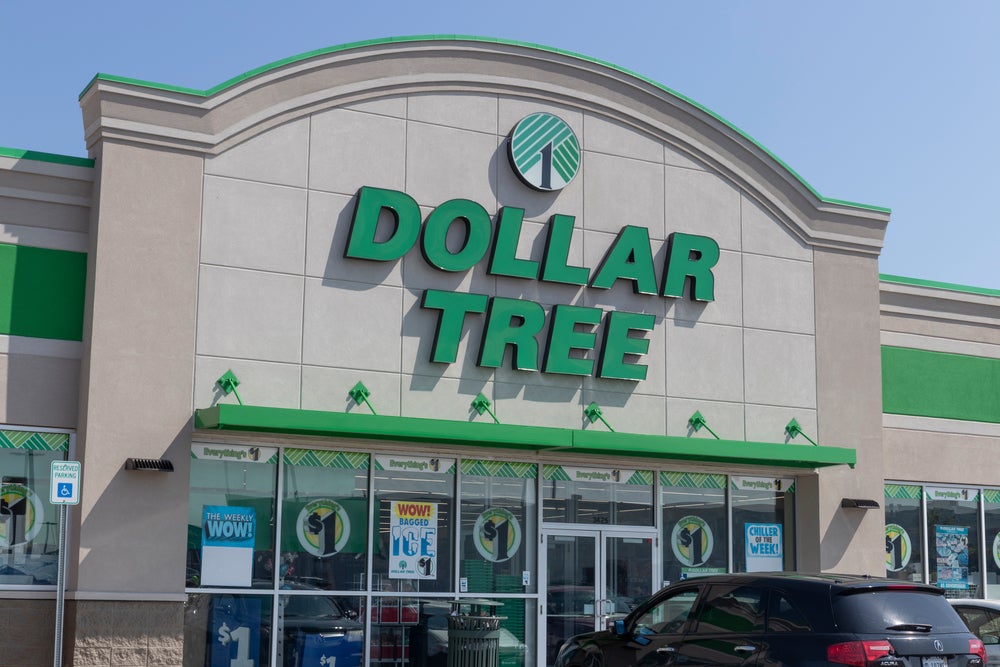
- Dollar Tree vs. Quest Diagnostics: Dollar Tree Inc (DLTR) has a market cap of $21.62 billion, compared to Quest Diagnostics, Inc. (DGX) at $21.44 billion, highlighting their relative sizes within the S&P 500.
- Impact on Investor Decisions: Market capitalization influences a company's size tier among peers, directly affecting which mutual funds and ETFs are willing to hold the stock, particularly as large-cap funds typically prefer companies valued over $10 billion.
- Market Performance Discrepancy: At Thursday's close, DLTR's stock fell approximately 2.9%, while DGX rose about 1.2%, reflecting differing investor sentiment and performance between the two companies.
Market Watch: Chip Stocks Decline and IPO Developments


- Chip Stock Decline: Broadcom's failure to raise guidance sufficiently led to a 15% drop in its stock, contributing to a lower open for the S&P 500, which is on track for its first down week in ten, reflecting growing investor concerns over tech stocks.
- CrowdStrike's Strong Quarter: Despite a nearly 10% drop in stock price, CrowdStrike reported a full-year guidance of 27.7% growth in net new annual recurring revenue, a 5.2 percentage point increase over prior guidance, indicating robust performance in the market, although the market reaction was tepid.
- Alphabet's Fundraising Plan: Alphabet plans to sell $85 billion in stock to fund its AI buildout to surpass Anthropic and OpenAI, a move that may prompt other tech giants like Microsoft and Amazon to follow suit, intensifying market fundraising pressures.
- Quantinuum's Successful IPO: Quantum computing company Quantinuum priced its IPO at $60 per share, raising nearly $1.7 billion and achieving a valuation of over $14 billion, demonstrating strong market interest in quantum technology despite the overall bearish market sentiment.

US Retailers Face Consumer Spending Pressure Amid Rising Gas Prices

- Changing Consumer Spending: While retailers like Dollar Tree and Walmart continue to see sales, consumer spending patterns are becoming more selective, prioritizing essentials and value-driven purchases, which is impacting overall retail performance as discretionary spending declines.
- Lower-Income Cutbacks: The CFO of Dollar General noted that core lower-income customers are cutting back on expenses, including food, while higher-income shoppers are increasingly turning to discount retailers, indicating a shift in consumer demographics and market pressures.
- Impact of Gas Prices on Spending: Analysts warn that if the national average gas price remains above $4.00 per gallon, discretionary spending could face increased pressure, particularly during the upcoming back-to-school and holiday shopping seasons, potentially affecting retailer revenues.
- K-Shaped Recovery: Despite strong spending from higher-income consumers on apparel and luxury beauty products, lower-income households are pulling back under inflationary pressures, highlighting a K-shaped recovery in U.S. consumer spending that retailers must navigate carefully.
Tug-of-War Between Market Passion and Rigor
- Market Sentiment Analysis: Jim Cramer highlights the current stock market's struggle between passion and rigor, where many investors oscillate between emotional and rational decision-making, leading to increased volatility and impacting the effectiveness of investment strategies.
- Federal Reserve Policy Outlook: New Chairman Kevin Warsh is set to hold his first press conference on Wednesday, with widespread speculation on whether interest rates will need to be raised once or twice this year; Cramer believes rates should remain unchanged or prepare for cuts in response to declining oil prices and inflationary pressures.
- Economic Disparity: Cramer emphasizes the growing economic divide in the U.S., where the wealthy continue to accumulate wealth through stock appreciation while ordinary citizens struggle with high oil prices and inflation, exacerbating market uncertainty and complicating investment decisions.
- Investment Strategy Advice: Cramer advises investors to maintain a balance of passion and rigor in their portfolios, suggesting that this approach may yield better returns in a high-volatility market, particularly in the current economic climate where moderate speculation could lead to higher profits.
TJX Companies Hits New 52-Week High Amid Strong Performance
- Outstanding Stock Performance: TJX's stock has surged 35.8% over the past year, significantly outperforming the retail discount industry at 15.1% and the S&P 500 at 25.1%, indicating strong market performance and investor confidence.
- Robust Sales Growth: In Q1 of fiscal 2027, TJX reported a 6% increase in comparable sales, driven by higher customer transactions and larger basket sizes, demonstrating the effectiveness of its value-focused business model across all divisions.
- Global Expansion Strategy: With 5,262 stores worldwide and 48 new locations added in Q1, management remains optimistic about expansion opportunities in Europe and Australia, highlighting the company's substantial growth potential.
- Upward Earnings Forecast: The Zacks Consensus Estimate for earnings per share has been revised upward to $5.17 and $5.67 for fiscal years 2027 and 2028, respectively, reflecting market confidence in TJX's future profitability.
US Stock Market Turmoil and Corporate Outlook
- Strong Job Data: The May jobs report revealed an increase of 172,000 jobs, slightly down from the revised 179,000 but significantly above the expected 80,000, indicating robust economic recovery that may influence the Federal Reserve's monetary policy direction.
- Lululemon's Dim Outlook: The athletic apparel retailer cut its full-year guidance and provided a weak outlook for the current quarter, leading BTIG to downgrade its rating from buy to hold, resulting in an over 11% drop in premarket trading, reflecting market concerns about its future performance.
- CrowdStrike's Mixed Results: Despite reporting stronger-than-expected results and raising its full-year outlook, CrowdStrike's shares fell 4% as investors questioned why heightened attention to its AI model did not immediately translate into financial results, indicating cautious market sentiment regarding its growth potential.
- Chipotle's Valuation Opportunity: JPMorgan upgraded Chipotle from hold to buy, citing a “rare valuation opportunity” as it trades at levels not seen since 2021, although shares are down 24% year-to-date, analysts believe its quality growth merits attention.
The Importance of Market Capitalization for Investors
- Market Capitalization Concept: Market capitalization is a crucial data point for investors as it provides a true comparison of a company's value by factoring in total shares, preventing misconceptions that arise from comparing stock prices alone.
- Dollar Tree vs. Quest Diagnostics: Dollar Tree Inc (DLTR) has a market cap of $21.62 billion, compared to Quest Diagnostics, Inc. (DGX) at $21.44 billion, highlighting their relative sizes within the S&P 500.
- Impact on Investor Decisions: Market capitalization influences a company's size tier among peers, directly affecting which mutual funds and ETFs are willing to hold the stock, particularly as large-cap funds typically prefer companies valued over $10 billion.
- Market Performance Discrepancy: At Thursday's close, DLTR's stock fell approximately 2.9%, while DGX rose about 1.2%, reflecting differing investor sentiment and performance between the two companies.
Market Watch: Chip Stocks Decline and IPO Developments
- Chip Stock Decline: Broadcom's failure to raise guidance sufficiently led to a 15% drop in its stock, contributing to a lower open for the S&P 500, which is on track for its first down week in ten, reflecting growing investor concerns over tech stocks.
- CrowdStrike's Strong Quarter: Despite a nearly 10% drop in stock price, CrowdStrike reported a full-year guidance of 27.7% growth in net new annual recurring revenue, a 5.2 percentage point increase over prior guidance, indicating robust performance in the market, although the market reaction was tepid.
- Alphabet's Fundraising Plan: Alphabet plans to sell $85 billion in stock to fund its AI buildout to surpass Anthropic and OpenAI, a move that may prompt other tech giants like Microsoft and Amazon to follow suit, intensifying market fundraising pressures.
- Quantinuum's Successful IPO: Quantum computing company Quantinuum priced its IPO at $60 per share, raising nearly $1.7 billion and achieving a valuation of over $14 billion, demonstrating strong market interest in quantum technology despite the overall bearish market sentiment.
US Retailers Face Consumer Spending Pressure Amid Rising Gas Prices
- Changing Consumer Spending: While retailers like Dollar Tree and Walmart continue to see sales, consumer spending patterns are becoming more selective, prioritizing essentials and value-driven purchases, which is impacting overall retail performance as discretionary spending declines.
- Lower-Income Cutbacks: The CFO of Dollar General noted that core lower-income customers are cutting back on expenses, including food, while higher-income shoppers are increasingly turning to discount retailers, indicating a shift in consumer demographics and market pressures.
- Impact of Gas Prices on Spending: Analysts warn that if the national average gas price remains above $4.00 per gallon, discretionary spending could face increased pressure, particularly during the upcoming back-to-school and holiday shopping seasons, potentially affecting retailer revenues.
- K-Shaped Recovery: Despite strong spending from higher-income consumers on apparel and luxury beauty products, lower-income households are pulling back under inflationary pressures, highlighting a K-shaped recovery in U.S. consumer spending that retailers must navigate carefully.