U.S. Military Deployment Dynamics in the Middle East
Written by Emily J. Thompson, Senior Investment Analyst
Updated: 1 hour ago
0mins
Source: seekingalpha
- Middle East Military Deployment: The deployment of U.S. troops, particularly the 31st and 11th Marine Expeditionary Units and the 82nd Airborne, aims to provide President Trump with more options regarding a potential ground invasion of Iran and control over Kharg Island, highlighting growing concerns about America's military presence worldwide.
- German Political Shift: The AfD, Germany's second-largest party, has called for the withdrawal of approximately 40,000 U.S. troops and nuclear weapons, emphasizing the need for a more independent foreign policy, reflecting a growing sentiment in Europe against U.S. military interventions and a reevaluation of national security.
- NATO Funding Model Changes: Reports indicate the White House is considering a
Trade with 70% Backtested Accuracy
Stop guessing "Should I Buy LMT?" and start using high-conviction signals backed by rigorous historical data.
Sign up today to access powerful investing tools and make smarter, data-driven decisions.
Analyst Views on LMT
Wall Street analysts forecast LMT stock price to fall
12 Analyst Rating
4 Buy
7 Hold
1 Sell
Hold
Current: 627.330

Low
430.00
Averages
535.50
High
605.00
Current: 627.330
Low
430.00
Averages
535.50
High
605.00
About LMT
Lockheed Martin Corporation is a global aerospace and defense company. The Company is engaged in the research, design, development, manufacture, integration and sustainment of advanced technology systems, products and services. Its segments include Aeronautics, Missiles and Fire Control (MFC), Rotary and Mission Systems (RMS) and Space. Aeronautics segment is engaged in the research, design, development, manufacture, integration, sustainment, support and upgrade of advanced military aircraft. MFC segment provides air and missile defense systems, manned and unmanned ground vehicles, energy management solutions, and others. RMS segment designs, manufactures, services and supports various military and commercial helicopters, surface ships, sea and land-based missile defense systems, and others. Its Space segment is engaged in the research and design, development, engineering and production of satellites, space transportation systems, and strategic, advanced strike, and defensive systems.
About the author

Emily J. Thompson
Emily J. Thompson, a Chartered Financial Analyst (CFA) with 12 years in investment research, graduated with honors from the Wharton School. Specializing in industrial and technology stocks, she provides in-depth analysis for Intellectia’s earnings and market brief reports.

Lockheed Martin's Optimistic Outlook for 2026

- Strong Sales Growth: Lockheed Martin reported a 6% sales growth in Q4 2025 and anticipates similar growth in 2026, indicating robust performance amid market volatility and uncertainty.
- Massive Backlog: The company has a backlog of $194 billion, reflecting strong market demand that is expected to support future revenue growth, particularly with the anticipated increase in defense spending.
- Stable Dividend Yield: Lockheed's dividend yield stands at 2.2%, appealing to investors seeking stable growth and income, even though the recent rise in stock price has made shares more expensive.
- Valuation Risks Emerging: Despite the optimistic outlook, the stock's P/E ratio nearing 30 and market capitalization increasing from $104 billion to $144 billion suggest potential overvaluation risks, necessitating careful evaluation by investors.
See More

NASA May Halt SLS Launches, Impacting Boeing Revenue

- Launch Plan Changes: NASA is revising its future lunar mission plans, potentially halting the use of SLS rockets in favor of smaller rockets to launch the Orion spacecraft, which could result in Boeing facing losses of tens of billions in revenue.
- Cost Efficiency Analysis: The new plan involves docking Orion with SpaceX's HLS in Earth orbit, reducing reliance on SLS, with Boeing's launch fee dropping from $3 billion to approximately $110 million, significantly diminishing Boeing's revenue potential from the Artemis project.
- Increased Market Competition: Should NASA no longer require Orion, SpaceX's Crew Dragon could take its place, further undermining Lockheed Martin's market position and potentially leading to the loss of contracts with NASA.
- Strategic Adjustment Motivation: Under the leadership of new NASA head Jared Isaacman, the agency aims to achieve sustainable lunar missions through cost reduction, a strategic shift that will negatively impact shareholders of Boeing and Lockheed Martin.
See More

U.S. Military Deployment Dynamics in the Middle East
- Middle East Military Deployment: The deployment of U.S. troops, particularly the 31st and 11th Marine Expeditionary Units and the 82nd Airborne, aims to provide President Trump with more options regarding a potential ground invasion of Iran and control over Kharg Island, highlighting growing concerns about America's military presence worldwide.
- German Political Shift: The AfD, Germany's second-largest party, has called for the withdrawal of approximately 40,000 U.S. troops and nuclear weapons, emphasizing the need for a more independent foreign policy, reflecting a growing sentiment in Europe against U.S. military interventions and a reevaluation of national security.
- NATO Funding Model Changes: Reports indicate the White House is considering a
See More
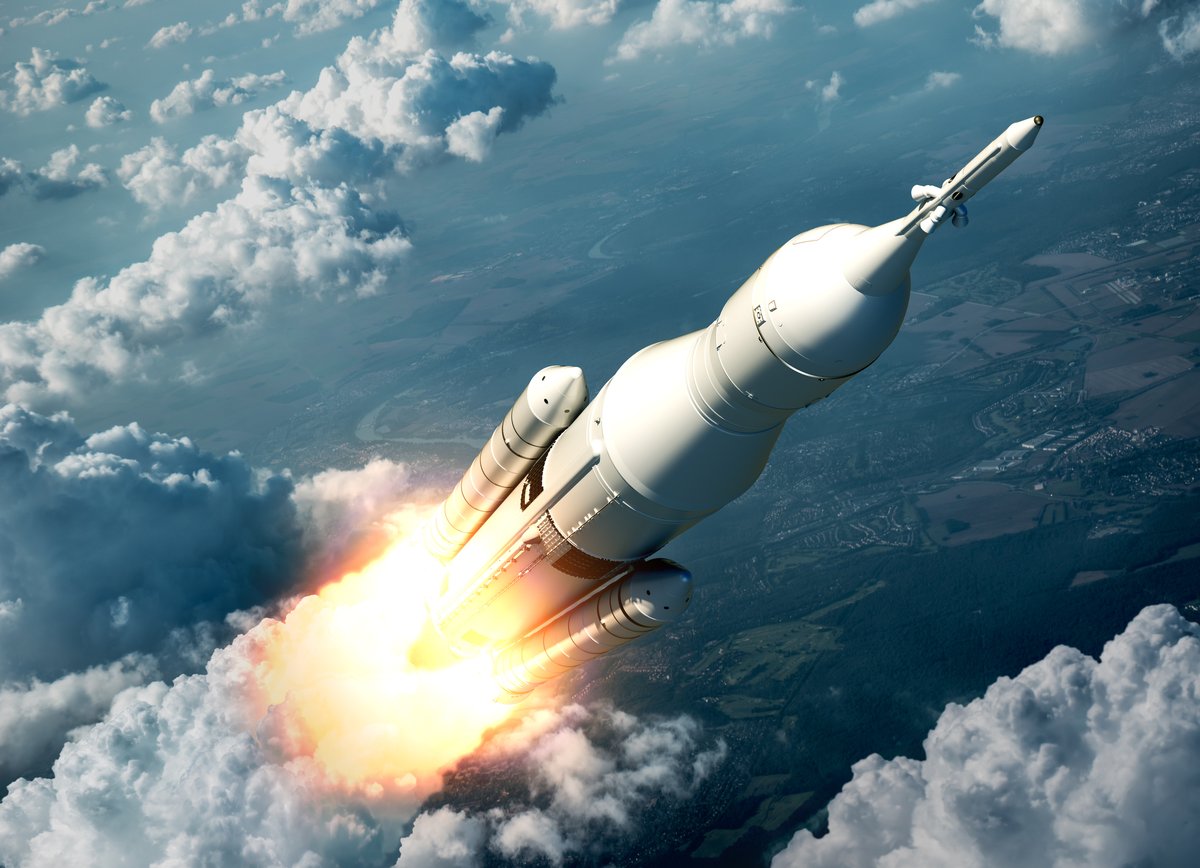
NASA's Moon Mission Plan Changes Impact Boeing's Revenue Prospects
- Moon Mission Plan Changes: NASA has decided to launch the Orion spacecraft atop a smaller rocket starting with Artemis VI, replacing Boeing's SLS, which will drastically reduce Boeing's revenue from approximately $3 billion per mission to about $110 million.
- Diminished Revenue Outlook for Boeing: Boeing initially expected to share in $82 billion from the Artemis project, but the new plan significantly cuts its revenue potential, potentially leading to substantial financial strain over the coming years.
- Increased Market Competition: As NASA seeks more economical solutions, companies like SpaceX and Blue Origin may capture a larger share of launch contracts, further undermining Boeing and Lockheed Martin's market positions.
- Technical Compatibility Challenges: The Orion spacecraft will require modifications to be compatible with the new rockets, increasing R&D costs and timelines, even as NASA's new leadership aims to lower costs to ensure the success of lunar missions.
See More
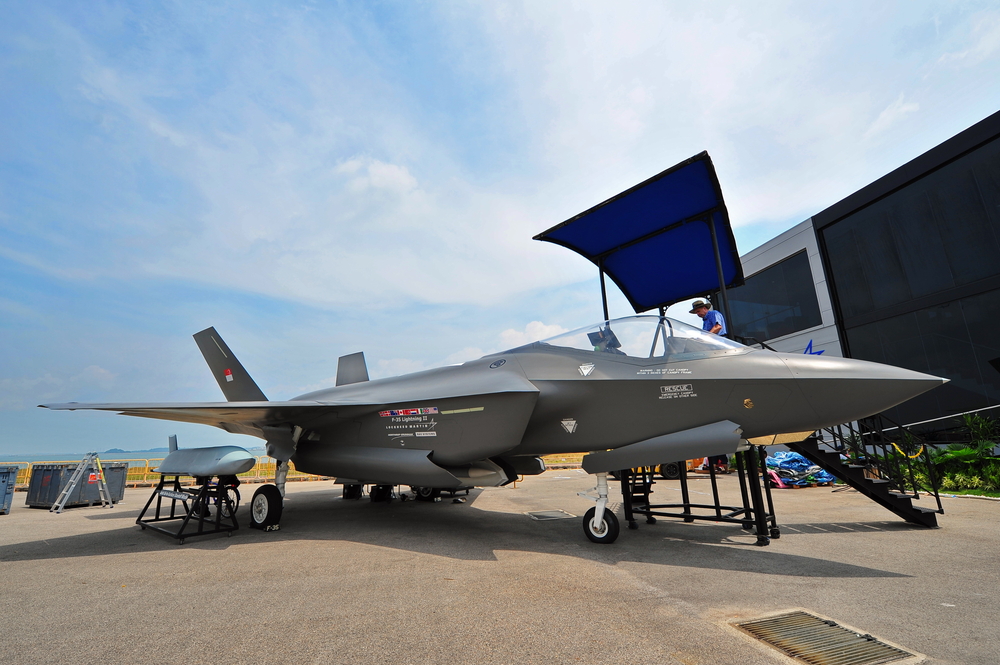
Lockheed Martin Corporation Stock Analysis
- Dividend Performance: Lockheed Martin has delivered dividends for 23 consecutive years, with a five-year growth rate of 36%, indicating the company's ability to provide stable long-term income supported by free cash flow, enhancing its appeal as a core investment.
- Financial Stability: Over the past decade, the company's revenue has grown from approximately $47 billion to $75 billion, with profits consistently ranging from $5 billion to $7 billion, and while debt levels are elevated, they remain stable, demonstrating financial strength without jeopardizing dividends.
- Valuation Analysis: With a current P/E ratio of around 30, above the 10-year average of 21.5, Lockheed Martin is not historically cheap; however, compared to peers, its valuation appears reasonable, reflecting market recognition of its quality and durability.
- Market Outlook: Although near-term price appreciation may be limited and the dividend yield slightly below historical averages, the company's long-term cash generation and policy-driven dividend growth make it an ideal choice for investors seeking stable income and exposure to the strategic aerospace and defense sector.
See More

Artemis II Astronauts Arrive in Florida for Historic Moon Mission
- Mission Readiness: Four astronauts arrived in Florida on Friday, preparing for the Artemis II mission, marking a significant milestone in humanity's return to lunar exploration.
- Launch Schedule: The astronauts are set to launch on April 1 aboard the Orion spacecraft, with the mission expected to last about 10 days, showcasing advancements in human spaceflight technology as they loop around the moon and return to Earth.
- Historic Achievements: This mission will see Victor Glover become the first Black astronaut to reach deep space, Christina Koch the first woman, and Jeremy Hansen the first Canadian astronaut, highlighting diversity and inclusion in space exploration.
- Significance of Artemis Program: Artemis II is a crucial step in the Artemis program, aimed at laying the groundwork for returning astronauts to the moon later this decade and establishing a sustained human presence there.
See More
Lockheed Martin's Optimistic Outlook for 2026
- Strong Sales Growth: Lockheed Martin reported a 6% sales growth in Q4 2025 and anticipates similar growth in 2026, indicating robust performance amid market volatility and uncertainty.
- Massive Backlog: The company has a backlog of $194 billion, reflecting strong market demand that is expected to support future revenue growth, particularly with the anticipated increase in defense spending.
- Stable Dividend Yield: Lockheed's dividend yield stands at 2.2%, appealing to investors seeking stable growth and income, even though the recent rise in stock price has made shares more expensive.
- Valuation Risks Emerging: Despite the optimistic outlook, the stock's P/E ratio nearing 30 and market capitalization increasing from $104 billion to $144 billion suggest potential overvaluation risks, necessitating careful evaluation by investors.
See More
NASA May Halt SLS Launches, Impacting Boeing Revenue
- Launch Plan Changes: NASA is revising its future lunar mission plans, potentially halting the use of SLS rockets in favor of smaller rockets to launch the Orion spacecraft, which could result in Boeing facing losses of tens of billions in revenue.
- Cost Efficiency Analysis: The new plan involves docking Orion with SpaceX's HLS in Earth orbit, reducing reliance on SLS, with Boeing's launch fee dropping from $3 billion to approximately $110 million, significantly diminishing Boeing's revenue potential from the Artemis project.
- Increased Market Competition: Should NASA no longer require Orion, SpaceX's Crew Dragon could take its place, further undermining Lockheed Martin's market position and potentially leading to the loss of contracts with NASA.
- Strategic Adjustment Motivation: Under the leadership of new NASA head Jared Isaacman, the agency aims to achieve sustainable lunar missions through cost reduction, a strategic shift that will negatively impact shareholders of Boeing and Lockheed Martin.
See More
U.S. Military Deployment Dynamics in the Middle East
- Middle East Military Deployment: The deployment of U.S. troops, particularly the 31st and 11th Marine Expeditionary Units and the 82nd Airborne, aims to provide President Trump with more options regarding a potential ground invasion of Iran and control over Kharg Island, highlighting growing concerns about America's military presence worldwide.
- German Political Shift: The AfD, Germany's second-largest party, has called for the withdrawal of approximately 40,000 U.S. troops and nuclear weapons, emphasizing the need for a more independent foreign policy, reflecting a growing sentiment in Europe against U.S. military interventions and a reevaluation of national security.
- NATO Funding Model Changes: Reports indicate the White House is considering a
See More
NASA's Moon Mission Plan Changes Impact Boeing's Revenue Prospects
- Moon Mission Plan Changes: NASA has decided to launch the Orion spacecraft atop a smaller rocket starting with Artemis VI, replacing Boeing's SLS, which will drastically reduce Boeing's revenue from approximately $3 billion per mission to about $110 million.
- Diminished Revenue Outlook for Boeing: Boeing initially expected to share in $82 billion from the Artemis project, but the new plan significantly cuts its revenue potential, potentially leading to substantial financial strain over the coming years.
- Increased Market Competition: As NASA seeks more economical solutions, companies like SpaceX and Blue Origin may capture a larger share of launch contracts, further undermining Boeing and Lockheed Martin's market positions.
- Technical Compatibility Challenges: The Orion spacecraft will require modifications to be compatible with the new rockets, increasing R&D costs and timelines, even as NASA's new leadership aims to lower costs to ensure the success of lunar missions.
See More
Lockheed Martin Corporation Stock Analysis
- Dividend Performance: Lockheed Martin has delivered dividends for 23 consecutive years, with a five-year growth rate of 36%, indicating the company's ability to provide stable long-term income supported by free cash flow, enhancing its appeal as a core investment.
- Financial Stability: Over the past decade, the company's revenue has grown from approximately $47 billion to $75 billion, with profits consistently ranging from $5 billion to $7 billion, and while debt levels are elevated, they remain stable, demonstrating financial strength without jeopardizing dividends.
- Valuation Analysis: With a current P/E ratio of around 30, above the 10-year average of 21.5, Lockheed Martin is not historically cheap; however, compared to peers, its valuation appears reasonable, reflecting market recognition of its quality and durability.
- Market Outlook: Although near-term price appreciation may be limited and the dividend yield slightly below historical averages, the company's long-term cash generation and policy-driven dividend growth make it an ideal choice for investors seeking stable income and exposure to the strategic aerospace and defense sector.
See More
Artemis II Astronauts Arrive in Florida for Historic Moon Mission
- Mission Readiness: Four astronauts arrived in Florida on Friday, preparing for the Artemis II mission, marking a significant milestone in humanity's return to lunar exploration.
- Launch Schedule: The astronauts are set to launch on April 1 aboard the Orion spacecraft, with the mission expected to last about 10 days, showcasing advancements in human spaceflight technology as they loop around the moon and return to Earth.
- Historic Achievements: This mission will see Victor Glover become the first Black astronaut to reach deep space, Christina Koch the first woman, and Jeremy Hansen the first Canadian astronaut, highlighting diversity and inclusion in space exploration.
- Significance of Artemis Program: Artemis II is a crucial step in the Artemis program, aimed at laying the groundwork for returning astronauts to the moon later this decade and establishing a sustained human presence there.
See More