U.S. Industrial Stocks Surge on Ceasefire Agreement
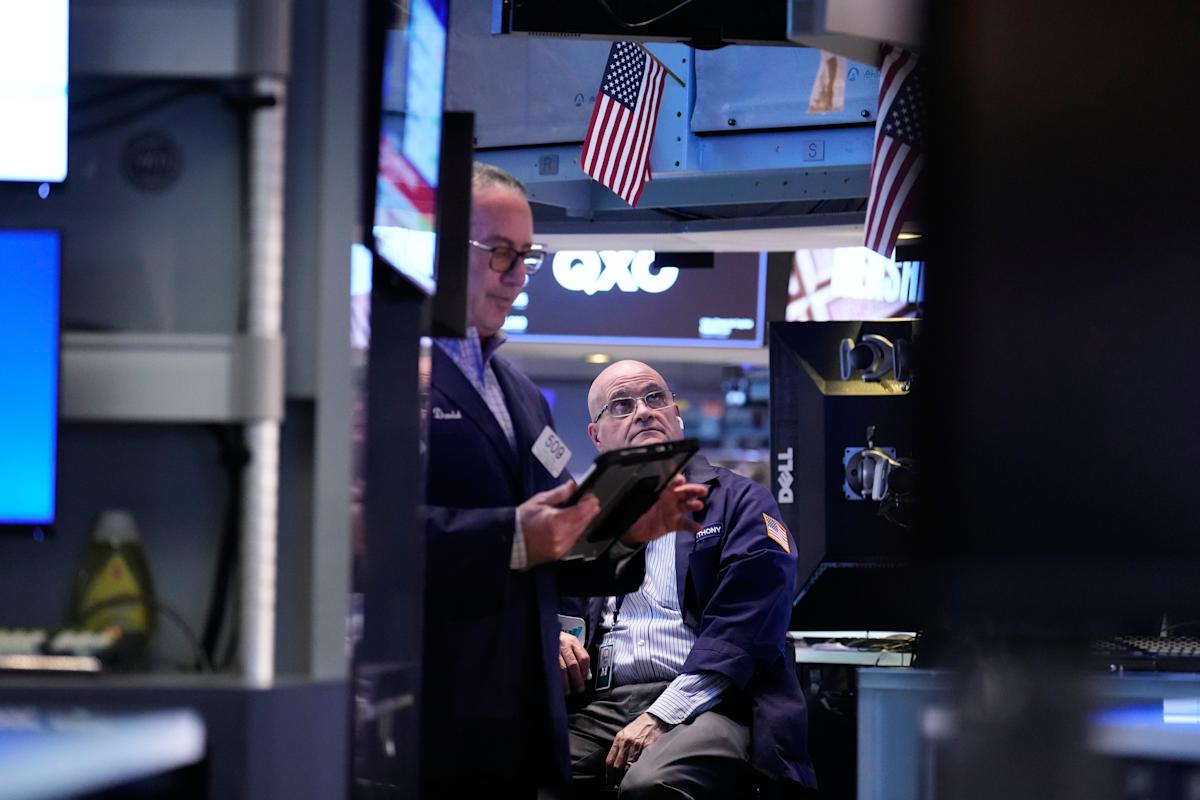
- Market Rally: Following a ceasefire agreement between the U.S. and Iran, investor sentiment improved, leading to a broad surge in U.S. industrial stocks, with many hitting 52-week highs, indicating a strong preference for infrastructure and defense-related sectors.
- Investment Theme Shift: Investors are rotating into companies benefiting from large-scale capital spending cycles, particularly in areas like AI-driven data centers, electrification, and domestic infrastructure, where demand is accelerating.
- Electrification and Infrastructure: Companies like MYR Group and MasTec are capitalizing on grid modernization and renewable energy integration, with policy support and rising electricity demand further driving their performance, showcasing long-term market potential.
- Defense and Energy Security: Firms such as BWX Technologies and Curtiss-Wright are benefiting from increased defense and energy security spending, and despite the ceasefire, investors are pricing in sustained high spending in these areas, boosting the performance of related companies.
Trade with 70% Backtested Accuracy
Analyst Views on CW

About CW
About the author


U.S. Industrial Stocks Surge on Ceasefire Agreement

- Market Rally: Following a ceasefire agreement between the U.S. and Iran, investor sentiment improved, leading to a broad surge in U.S. industrial stocks, with many hitting 52-week highs, indicating a strong preference for infrastructure and defense-related sectors.
- Investment Theme Shift: Investors are rotating into companies benefiting from large-scale capital spending cycles, particularly in areas like AI-driven data centers, electrification, and domestic infrastructure, where demand is accelerating.
- Electrification and Infrastructure: Companies like MYR Group and MasTec are capitalizing on grid modernization and renewable energy integration, with policy support and rising electricity demand further driving their performance, showcasing long-term market potential.
- Defense and Energy Security: Firms such as BWX Technologies and Curtiss-Wright are benefiting from increased defense and energy security spending, and despite the ceasefire, investors are pricing in sustained high spending in these areas, boosting the performance of related companies.
Market Cuts Gains Amid Iran War Hopes and Doubts


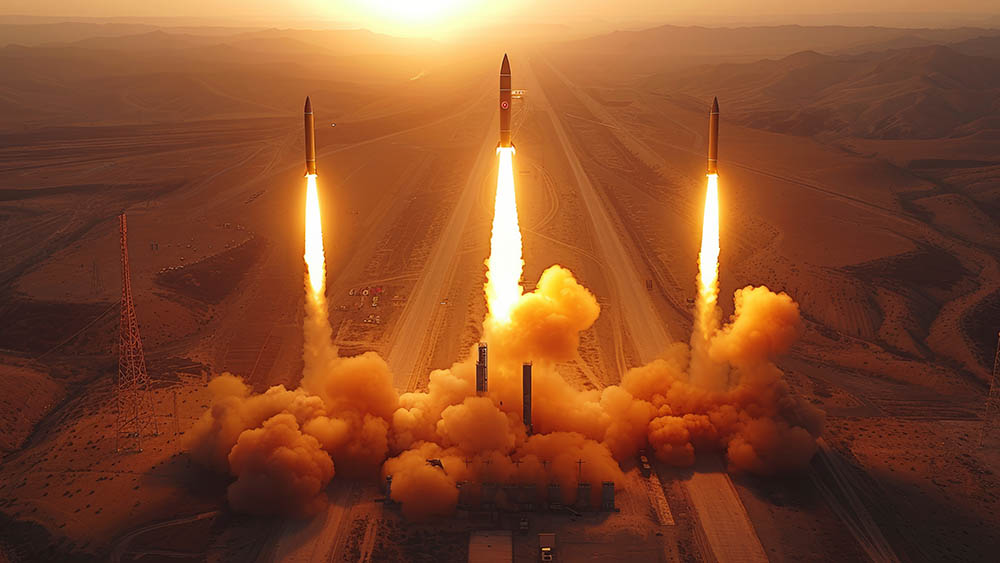
- Market Volatility: The stock market experienced a sharp decline in gains as hopes and doubts surrounding the Iran war intertwined, indicating a high level of uncertainty among investors that could lead to increased volatility in the short term.
- Karman Holdings Earnings: Karman Holdings reported earnings after the market close, and while specific financial data has yet to be disclosed, the market's reaction to its performance may be influenced by the overall market sentiment, potentially impacting its stock price.
- Investor Sentiment: The market's sensitivity to geopolitical risks has intensified, particularly as tensions in the Middle East could affect the global economy, prompting investors to closely monitor related developments to adjust their investment strategies.
- Future Outlook: With growing attention on the Iran situation, analysts anticipate more volatility in the short term, urging investors to carefully assess risks and consider diversifying their portfolios to mitigate potential losses.
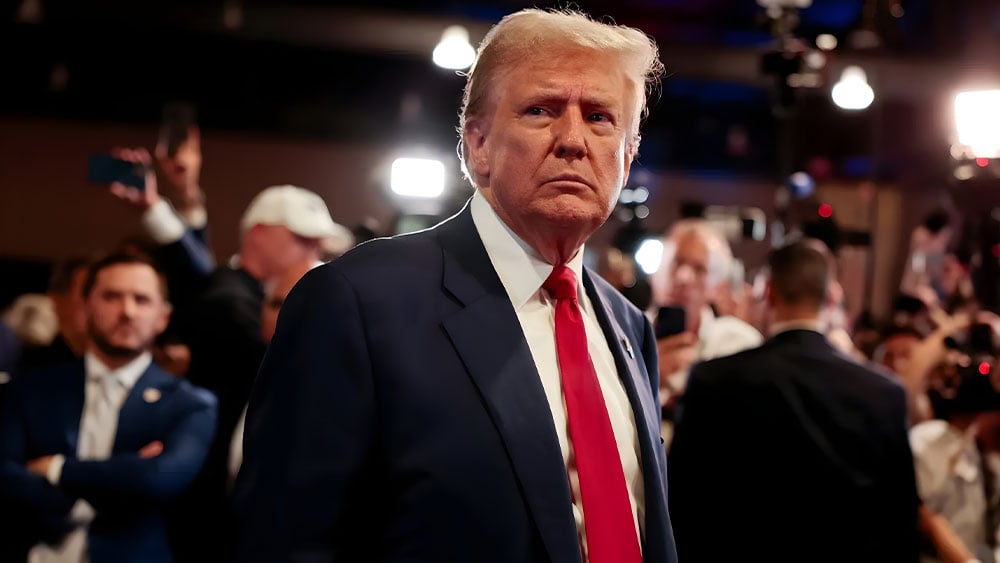
U.S. Sends Peace Plan to Iran, Oil Prices Drop


- Futures Rise: Futures prices increased as the U.S. reportedly sent a peace plan to Iran, reflecting market optimism about geopolitical stability, which could enhance investor confidence and drive stock market gains.
- Oil Prices Fall: Following the news of the peace plan, oil prices dropped, indicating a strengthened market expectation for future supply stability, which may alleviate inflationary pressures and impact energy-related stocks.
- Trump's Statement: President Trump remarked that Tehran is “talking sense,” a statement that could ease market concerns regarding the Middle East situation, thereby influencing investor decisions and market sentiment.
- Geopolitical Implications: The U.S. peace initiative could alter the power dynamics in the Middle East, and if successfully implemented, it would have profound effects on global energy markets and international relations, potentially attracting more foreign investment into related markets.

U.S. Space Force Budget Increased to $40 Billion


- Significant Budget Increase: The U.S. Space Force secured a nearly $14 billion budget boost for fiscal 2026, raising its total allocation to approximately $40 billion, which is more than double its initial independent budget of $15 billion in fiscal 2021, indicating a strong governmental commitment to space defense.
- Military Spending Proposal: The administration has proposed increasing total annual military spending to $1.5 trillion by fiscal 2027, with a specific focus on expanding the Golden Dome space-based defense architecture and satellite constellations, aimed at enhancing national security and technological superiority.
- Operational Expansion: Starfighters Space is expanding its operations at Midland International Air & Space Port, planning to double its fleet of F-104 aircraft and GE J-79 engines within 18 months, which will enhance its mission flexibility and responsiveness across the U.S. Southwest, solidifying its position in the aerospace testing sector.
- Economic Impact and Job Creation: AeroVironment plans to invest over $30 million in New Mexico to establish a vertically integrated manufacturing campus, expected to generate over $670 million in economic impact and create more than 450 high-wage jobs over the next decade, thereby strengthening the domestic defense industrial base.

Trump to Meet with Defense Executives Today; Potential Beneficiaries Among Weapons Firms.

- Trump's Meeting with Defense Executives: President Donald Trump is scheduled to meet with defense executives on Friday.
- Potential Increase in Weapons Spending: This meeting may lead to an increase in U.S. weapons spending.

Lockheed and 5 Other Defense Stocks Poised for Growth Regardless of War or Peace

Fund Performance: The iShares U.S. Aerospace & Defense ETF has increased by 12% this year, following a significant 47% rise in 2025.
Market Influences: The fund's growth has been driven by heightened expectations of global conflict, particularly concerning potential war in Iran.
Investor Sentiment: There is growing concern among investors about the implications of a potential shift towards peace, which could impact future gains.
Future Outlook: The current geopolitical climate continues to shape investor strategies and expectations regarding defense-related investments.
U.S. Industrial Stocks Surge on Ceasefire Agreement
- Market Rally: Following a ceasefire agreement between the U.S. and Iran, investor sentiment improved, leading to a broad surge in U.S. industrial stocks, with many hitting 52-week highs, indicating a strong preference for infrastructure and defense-related sectors.
- Investment Theme Shift: Investors are rotating into companies benefiting from large-scale capital spending cycles, particularly in areas like AI-driven data centers, electrification, and domestic infrastructure, where demand is accelerating.
- Electrification and Infrastructure: Companies like MYR Group and MasTec are capitalizing on grid modernization and renewable energy integration, with policy support and rising electricity demand further driving their performance, showcasing long-term market potential.
- Defense and Energy Security: Firms such as BWX Technologies and Curtiss-Wright are benefiting from increased defense and energy security spending, and despite the ceasefire, investors are pricing in sustained high spending in these areas, boosting the performance of related companies.
Market Cuts Gains Amid Iran War Hopes and Doubts
- Market Volatility: The stock market experienced a sharp decline in gains as hopes and doubts surrounding the Iran war intertwined, indicating a high level of uncertainty among investors that could lead to increased volatility in the short term.
- Karman Holdings Earnings: Karman Holdings reported earnings after the market close, and while specific financial data has yet to be disclosed, the market's reaction to its performance may be influenced by the overall market sentiment, potentially impacting its stock price.
- Investor Sentiment: The market's sensitivity to geopolitical risks has intensified, particularly as tensions in the Middle East could affect the global economy, prompting investors to closely monitor related developments to adjust their investment strategies.
- Future Outlook: With growing attention on the Iran situation, analysts anticipate more volatility in the short term, urging investors to carefully assess risks and consider diversifying their portfolios to mitigate potential losses.
U.S. Sends Peace Plan to Iran, Oil Prices Drop
- Futures Rise: Futures prices increased as the U.S. reportedly sent a peace plan to Iran, reflecting market optimism about geopolitical stability, which could enhance investor confidence and drive stock market gains.
- Oil Prices Fall: Following the news of the peace plan, oil prices dropped, indicating a strengthened market expectation for future supply stability, which may alleviate inflationary pressures and impact energy-related stocks.
- Trump's Statement: President Trump remarked that Tehran is “talking sense,” a statement that could ease market concerns regarding the Middle East situation, thereby influencing investor decisions and market sentiment.
- Geopolitical Implications: The U.S. peace initiative could alter the power dynamics in the Middle East, and if successfully implemented, it would have profound effects on global energy markets and international relations, potentially attracting more foreign investment into related markets.
U.S. Space Force Budget Increased to $40 Billion
- Significant Budget Increase: The U.S. Space Force secured a nearly $14 billion budget boost for fiscal 2026, raising its total allocation to approximately $40 billion, which is more than double its initial independent budget of $15 billion in fiscal 2021, indicating a strong governmental commitment to space defense.
- Military Spending Proposal: The administration has proposed increasing total annual military spending to $1.5 trillion by fiscal 2027, with a specific focus on expanding the Golden Dome space-based defense architecture and satellite constellations, aimed at enhancing national security and technological superiority.
- Operational Expansion: Starfighters Space is expanding its operations at Midland International Air & Space Port, planning to double its fleet of F-104 aircraft and GE J-79 engines within 18 months, which will enhance its mission flexibility and responsiveness across the U.S. Southwest, solidifying its position in the aerospace testing sector.
- Economic Impact and Job Creation: AeroVironment plans to invest over $30 million in New Mexico to establish a vertically integrated manufacturing campus, expected to generate over $670 million in economic impact and create more than 450 high-wage jobs over the next decade, thereby strengthening the domestic defense industrial base.
Trump to Meet with Defense Executives Today; Potential Beneficiaries Among Weapons Firms.
- Trump's Meeting with Defense Executives: President Donald Trump is scheduled to meet with defense executives on Friday.
- Potential Increase in Weapons Spending: This meeting may lead to an increase in U.S. weapons spending.
Lockheed and 5 Other Defense Stocks Poised for Growth Regardless of War or Peace
Fund Performance: The iShares U.S. Aerospace & Defense ETF has increased by 12% this year, following a significant 47% rise in 2025.
Market Influences: The fund's growth has been driven by heightened expectations of global conflict, particularly concerning potential war in Iran.
Investor Sentiment: There is growing concern among investors about the implications of a potential shift towards peace, which could impact future gains.
Future Outlook: The current geopolitical climate continues to shape investor strategies and expectations regarding defense-related investments.