U.S. Gas Prices Surge Above $4 Per Gallon Amid Supply Shock
Written by Emily J. Thompson, Senior Investment Analyst
Updated: Mar 31 2026
0mins

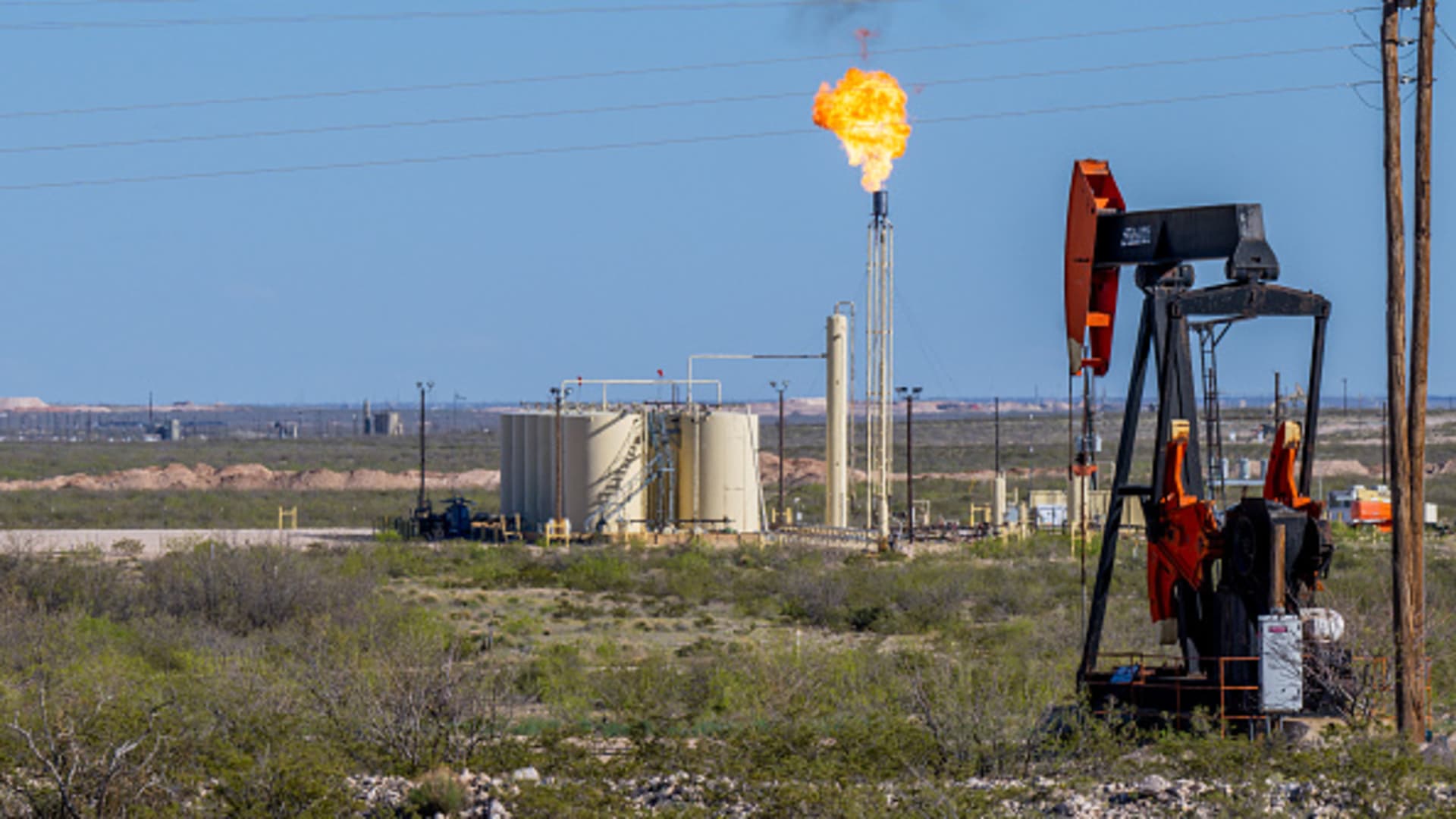
Source: CNBC
- Surge in Gas Prices: U.S. national average gasoline prices have surpassed $4 per gallon, reaching $4.018, the highest since August 2022, indicating the direct impact of the Middle East war-induced oil supply shock on household costs.
- Diesel Price Spike: Diesel prices crossed $5 per gallon on March 17, over 40% higher than pre-conflict levels, which will have broad implications for the U.S. economy, particularly as rising transportation costs may lead to increased consumer prices.
- Supply Chain Disruption: The sharp decline in tanker traffic through the Strait of Hormuz, which accounts for about 20% of global oil supplies, has led to the International Energy Agency declaring this the largest oil supply disruption in history, potentially causing further price increases.
- Government Response Measures: The U.S. plans to release 172 million barrels of oil from its Strategic Petroleum Reserve and temporarily lift restrictions on E15 gasoline sales to address the supply crisis; however, analysts warn that without further action, prices could reach a historic high of $5 per gallon.
Trade with 70% Backtested Accuracy
Stop guessing "Should I Buy OXY?" and start using high-conviction signals backed by rigorous historical data.
Sign up today to access powerful investing tools and make smarter, data-driven decisions.
Analyst Views on OXY
Wall Street analysts forecast OXY stock price to fall
16 Analyst Rating
4 Buy
9 Hold
3 Sell
Hold
Current: 48.810

Low
38.00
Averages
47.27
High
64.00
Current: 48.810
Low
38.00
Averages
47.27
High
64.00
About OXY
Occidental Petroleum Corporation is an international energy company with assets primarily in the United States, the Middle East and North Africa. The Company is an oil and gas producer in the United States, including a producer in the Permian and DJ basins, and the offshore Gulf of Mexico. It operates through two segments, which include oil and gas and midstream and marketing. The oil and gas segment explores for, develops and produces oil (which includes condensate), natural gas liquids (NGL) and natural gas. The midstream and marketing segment purchases, markets, gathers, processes, transports and stores oil (which includes condensate), NGL, natural gas, carbon dioxide (CO2) and power. It also optimizes its transportation and storage capacity and invests in entities that conduct similar activities. The midstream and marketing segment provides flow assurance and maximizes the value of its oil and gas.
About the author

Emily J. Thompson
Emily J. Thompson, a Chartered Financial Analyst (CFA) with 12 years in investment research, graduated with honors from the Wharton School. Specializing in industrial and technology stocks, she provides in-depth analysis for Intellectia’s earnings and market brief reports.

US Stocks Close Lower as Chipmakers Weigh on Market


- Market Decline: On Tuesday, the S&P 500 index fell by 0.45%, the Dow Jones Industrial Average dropped by 0.25%, and the Nasdaq 100 index decreased by 1.77%, indicating a broader market decline under pressure from a selloff in chipmakers, reflecting investor concerns over high valuations.
- Samsung's Earnings Disappointment: Despite Samsung Electronics reporting a 19-fold profit surge, its stock plummeted over 8% in South Korea, suggesting market skepticism regarding the future profitability of the semiconductor sector, which could impact investor confidence in related companies.
- Geopolitical Risks Heightened: Crude oil prices surged to a 1.5-week high due to attacks on shipping in the Strait of Hormuz, raising inflation expectations and pushing bond yields higher, with the 10-year T-note yield reaching a 3.5-week high of 4.54%, adding uncertainty to the market.
- Strength in Software Stocks: Despite the overall market pressure, strong performance in software stocks indicates a rotation of funds into other sectors, with companies like Workday seeing stock price increases of over 4%, providing some support for the market.
See More

Energy Transfer vs. Occidental: Investment Outlook

- Stability of Energy Transfer: Energy Transfer operates over 140,000 miles of pipelines in the U.S., making it one of the largest midstream companies in North America, and its business model provides insulation from oil price volatility, with distributions fully covered by adjusted distributable cash flow in recent years.
- Impact of Oil Prices: Occidental Petroleum relies heavily on its upstream business, where revenue is directly affected by oil price fluctuations; despite WTI crude oil prices dropping from $112.25 to about $69, it only needs prices to stay above $40-$45 to support capital expenditures and dividends.
- Valuation Discrepancies: Energy Transfer trades at a 7x adjusted EBITDA multiple, while Occidental trades at 4x, making Occidental appear cheaper; however, its lower forward yield of 2.3% poses greater risks if oil prices decline further.
- AI Market Potential: Energy Transfer could be revalued as a higher-growth AI infrastructure play due to surging natural gas demand, and its high forward yield of 6.9% makes it a more attractive investment in the current market environment.
See More
Investment Comparison: ConocoPhillips vs Occidental Petroleum

- ConocoPhillips Financial Performance: In FY 2025, ConocoPhillips generated nearly $58.9 billion in revenue, reflecting a year-over-year growth of approximately 7.5%, with a net income of $8 billion and a net margin of around 13.6%, indicating strong profitability and stable cash flow.
- Occidental Petroleum Transformation Strategy: Occidental Petroleum reported nearly $22 billion in revenue for FY 2025, down about 2% from the previous year, yet maintained a net income of $2.4 billion with a net margin of 11%, demonstrating its ability to remain profitable amid a shift towards low-carbon initiatives.
- Debt and Liquidity Analysis: ConocoPhillips boasts a debt-to-equity ratio of approximately 0.4 and a current ratio of 1.3, indicating robust financial health; in contrast, Occidental's debt-to-equity ratio stands at 0.7 with a current ratio of 0.9, suggesting a slight liquidity risk as short-term liabilities exceed short-term assets.
- Future Cash Flow Expectations: ConocoPhillips anticipates generating $7 billion in incremental free cash flow by 2029, including $1 billion annually from 2026 to 2028, reflecting its strong commitment to shareholder returns and appealing to income-focused investors.
See More
Comparing Investment Potential: ConocoPhillips vs Occidental Petroleum
- Financial Performance Comparison: ConocoPhillips generated nearly $58.9 billion in revenue for FY 2025, reflecting a 7.5% year-over-year growth, with a net income of $8 billion and a net margin of 13.6%, indicating strong profitability and stable cash flow.
- Debt and Liquidity Analysis: ConocoPhillips maintains a debt-to-equity ratio of 0.4 and a current ratio of 1.3, demonstrating good short-term debt servicing capability, while Occidental Petroleum's debt-to-equity ratio is 0.7 with a current ratio of 0.9, indicating higher short-term liability pressure.
- Strategic Shift and Investment Returns: Following the divestiture of OxyChem, Occidental Petroleum is pivoting towards low-carbon technologies, and despite a 2% revenue decline in FY 2025, it still reported a net income of nearly $2.4 billion, showcasing resilience during its transformation.
- Shareholder Return Policy: ConocoPhillips is committed to returning 45% of its cash flow to shareholders, expecting to generate $7 billion in incremental free cash flow by 2029, appealing to income-focused investors.
See More

ExxonMobil Raises Dividend for 43 Consecutive Years

- Dividend Growth: ExxonMobil has raised its dividend for 43 consecutive years, positioning itself to join the Dividend Kings club, with a current yield of 3%, reflecting its stability and attractiveness amid economic fluctuations.
- Diversified Business Model: The company operates over 16,000 miles of pipelines in North America, encompassing upstream, midstream, and downstream operations, effectively insulating it from oil price volatility, thereby ensuring sustained cash flow and profitability.
- Strong Profitability: The expected EPS for 2023 is projected to reach $11.71, a 75% increase from last year, which comfortably covers the forward dividend rate of $4.12 per share, showcasing the company's robust earnings capacity and dividend sustainability.
- Safe Investment Choice: Despite oil price fluctuations, ExxonMobil's midstream and downstream businesses can provide stable cash flow; with a current share price of $136 and a P/E ratio of 12, it presents an attractive investment opportunity and value.
See More

ExxonMobil Poised to Become a Dividend King
- Dividend Growth Potential: ExxonMobil has raised its dividend for 43 consecutive years and is on track to join the Dividend Kings within the next decade, with a current yield of 3%, which is likely to attract more income-focused investors.
- Diversified Business Advantage: With over 16,000 miles of pipelines in North America, ExxonMobil's upstream, midstream, and downstream operations provide resilience against oil price volatility, particularly benefiting from rising oil prices where upstream revenue growth outpaces expenses.
- Global Resource Allocation: Operating in over 56 countries, ExxonMobil sources most of its oil and gas from the U.S., but by expanding in the Permian Basin and increasing production in high-growth markets across Latin America, it effectively reduces dependence on the Middle East, enhancing its competitive position.
- Profitability and Cash Flow: The company is expected to achieve an EPS of $11.71 in 2023, a 75% increase from last year, while spending 92% of its free cash flow on dividends over the past 12 months, demonstrating strong profitability and cash flow management capabilities.
See More
US Stocks Close Lower as Chipmakers Weigh on Market
- Market Decline: On Tuesday, the S&P 500 index fell by 0.45%, the Dow Jones Industrial Average dropped by 0.25%, and the Nasdaq 100 index decreased by 1.77%, indicating a broader market decline under pressure from a selloff in chipmakers, reflecting investor concerns over high valuations.
- Samsung's Earnings Disappointment: Despite Samsung Electronics reporting a 19-fold profit surge, its stock plummeted over 8% in South Korea, suggesting market skepticism regarding the future profitability of the semiconductor sector, which could impact investor confidence in related companies.
- Geopolitical Risks Heightened: Crude oil prices surged to a 1.5-week high due to attacks on shipping in the Strait of Hormuz, raising inflation expectations and pushing bond yields higher, with the 10-year T-note yield reaching a 3.5-week high of 4.54%, adding uncertainty to the market.
- Strength in Software Stocks: Despite the overall market pressure, strong performance in software stocks indicates a rotation of funds into other sectors, with companies like Workday seeing stock price increases of over 4%, providing some support for the market.
See More
Energy Transfer vs. Occidental: Investment Outlook
- Stability of Energy Transfer: Energy Transfer operates over 140,000 miles of pipelines in the U.S., making it one of the largest midstream companies in North America, and its business model provides insulation from oil price volatility, with distributions fully covered by adjusted distributable cash flow in recent years.
- Impact of Oil Prices: Occidental Petroleum relies heavily on its upstream business, where revenue is directly affected by oil price fluctuations; despite WTI crude oil prices dropping from $112.25 to about $69, it only needs prices to stay above $40-$45 to support capital expenditures and dividends.
- Valuation Discrepancies: Energy Transfer trades at a 7x adjusted EBITDA multiple, while Occidental trades at 4x, making Occidental appear cheaper; however, its lower forward yield of 2.3% poses greater risks if oil prices decline further.
- AI Market Potential: Energy Transfer could be revalued as a higher-growth AI infrastructure play due to surging natural gas demand, and its high forward yield of 6.9% makes it a more attractive investment in the current market environment.
See More
Investment Comparison: ConocoPhillips vs Occidental Petroleum
- ConocoPhillips Financial Performance: In FY 2025, ConocoPhillips generated nearly $58.9 billion in revenue, reflecting a year-over-year growth of approximately 7.5%, with a net income of $8 billion and a net margin of around 13.6%, indicating strong profitability and stable cash flow.
- Occidental Petroleum Transformation Strategy: Occidental Petroleum reported nearly $22 billion in revenue for FY 2025, down about 2% from the previous year, yet maintained a net income of $2.4 billion with a net margin of 11%, demonstrating its ability to remain profitable amid a shift towards low-carbon initiatives.
- Debt and Liquidity Analysis: ConocoPhillips boasts a debt-to-equity ratio of approximately 0.4 and a current ratio of 1.3, indicating robust financial health; in contrast, Occidental's debt-to-equity ratio stands at 0.7 with a current ratio of 0.9, suggesting a slight liquidity risk as short-term liabilities exceed short-term assets.
- Future Cash Flow Expectations: ConocoPhillips anticipates generating $7 billion in incremental free cash flow by 2029, including $1 billion annually from 2026 to 2028, reflecting its strong commitment to shareholder returns and appealing to income-focused investors.
See More
Comparing Investment Potential: ConocoPhillips vs Occidental Petroleum
- Financial Performance Comparison: ConocoPhillips generated nearly $58.9 billion in revenue for FY 2025, reflecting a 7.5% year-over-year growth, with a net income of $8 billion and a net margin of 13.6%, indicating strong profitability and stable cash flow.
- Debt and Liquidity Analysis: ConocoPhillips maintains a debt-to-equity ratio of 0.4 and a current ratio of 1.3, demonstrating good short-term debt servicing capability, while Occidental Petroleum's debt-to-equity ratio is 0.7 with a current ratio of 0.9, indicating higher short-term liability pressure.
- Strategic Shift and Investment Returns: Following the divestiture of OxyChem, Occidental Petroleum is pivoting towards low-carbon technologies, and despite a 2% revenue decline in FY 2025, it still reported a net income of nearly $2.4 billion, showcasing resilience during its transformation.
- Shareholder Return Policy: ConocoPhillips is committed to returning 45% of its cash flow to shareholders, expecting to generate $7 billion in incremental free cash flow by 2029, appealing to income-focused investors.
See More
ExxonMobil Raises Dividend for 43 Consecutive Years
- Dividend Growth: ExxonMobil has raised its dividend for 43 consecutive years, positioning itself to join the Dividend Kings club, with a current yield of 3%, reflecting its stability and attractiveness amid economic fluctuations.
- Diversified Business Model: The company operates over 16,000 miles of pipelines in North America, encompassing upstream, midstream, and downstream operations, effectively insulating it from oil price volatility, thereby ensuring sustained cash flow and profitability.
- Strong Profitability: The expected EPS for 2023 is projected to reach $11.71, a 75% increase from last year, which comfortably covers the forward dividend rate of $4.12 per share, showcasing the company's robust earnings capacity and dividend sustainability.
- Safe Investment Choice: Despite oil price fluctuations, ExxonMobil's midstream and downstream businesses can provide stable cash flow; with a current share price of $136 and a P/E ratio of 12, it presents an attractive investment opportunity and value.
See More
ExxonMobil Poised to Become a Dividend King
- Dividend Growth Potential: ExxonMobil has raised its dividend for 43 consecutive years and is on track to join the Dividend Kings within the next decade, with a current yield of 3%, which is likely to attract more income-focused investors.
- Diversified Business Advantage: With over 16,000 miles of pipelines in North America, ExxonMobil's upstream, midstream, and downstream operations provide resilience against oil price volatility, particularly benefiting from rising oil prices where upstream revenue growth outpaces expenses.
- Global Resource Allocation: Operating in over 56 countries, ExxonMobil sources most of its oil and gas from the U.S., but by expanding in the Permian Basin and increasing production in high-growth markets across Latin America, it effectively reduces dependence on the Middle East, enhancing its competitive position.
- Profitability and Cash Flow: The company is expected to achieve an EPS of $11.71 in 2023, a 75% increase from last year, while spending 92% of its free cash flow on dividends over the past 12 months, demonstrating strong profitability and cash flow management capabilities.
See More