US Foods Holding: Thriving Amid Industry Pressure
Written by Emily J. Thompson, Senior Investment Analyst
Updated: Mar 08 2026
0mins
Should l Buy USFD?
Source: Yahoo Finance
- Significant Performance Growth: USFD achieved a 4.1% increase in net sales and an 11% growth in adjusted EBITDA in 2025, with adjusted diluted EPS soaring by 26.3%, demonstrating the company's robust growth momentum in a competitive food distribution market.
- Improved Free Cash Flow: The company reported approximately $960 million in free cash flow for 2025, a notable increase from $833 million in 2024, despite a roughly 20% rise in capital expenditures, indicating a strong cash flow position while continuing to invest in business expansion.
- Ongoing Acquisition Strategy: USFD signed an agreement to acquire Shetakis, and although the merger attempt with Performance Foods was unsuccessful, the company is still enhancing its market position by acquiring smaller competitors, showcasing its proactivity and flexibility in industry consolidation.
- Optimistic Future Growth Outlook: USFD expects a CAGR of 5% in net sales, 10% in adjusted EBITDA, and 20% in adjusted diluted EPS from 2025 to 2027, indicating strong growth potential in what is otherwise considered a slow industry.
Trade with 70% Backtested Accuracy
Stop guessing "Should I Buy USFD?" and start using high-conviction signals backed by rigorous historical data.
Sign up today to access powerful investing tools and make smarter, data-driven decisions.
Analyst Views on USFD
Wall Street analysts forecast USFD stock price to rise
8 Analyst Rating
8 Buy
0 Hold
0 Sell
Strong Buy
Current: 91.000

Low
85.00
Averages
91.00
High
95.00
Current: 91.000
Low
85.00
Averages
91.00
High
95.00
About USFD
US Foods Holding Corp. is a foodservice distributor. The Company provides its customers with a range of food offering and a comprehensive suite of e-commerce, technology and business solutions. The Company is primarily engaged in marketing, selling and distributing fresh, frozen and dry food and non-food products to foodservice customers throughout the United States. Its products include meat and seafood, dry grocery products, refrigerated and frozen grocery products, dairy, equipment disposables and supplies and beverage products. It serves customers including independently owned single and multi-unit restaurants, regional concepts, national restaurant chains, hospitals, nursing homes, hotels and motels, country clubs, government and military organizations, colleges and universities and retail locations. The Company operates a network of over 70 distribution facilities and a fleet of over 6,500 trucks, along with approximately 90 cash and carry locations.
About the author

Emily J. Thompson
Emily J. Thompson, a Chartered Financial Analyst (CFA) with 12 years in investment research, graduated with honors from the Wharton School. Specializing in industrial and technology stocks, she provides in-depth analysis for Intellectia’s earnings and market brief reports.

Mortgage Stocks Surge 30% After Ackman's Remarks

- Mortgage Stocks Rally: Shares of Fannie Mae and Freddie Mac surged over 30% on Monday after billionaire Bill Ackman labeled them as 'stupidly cheap' in a social media post, indicating strong market confidence in their future potential.
- Boston Scientific Downgrade: Boston Scientific's stock fell more than 9% after Raymond James downgraded it from strong buy to outperform, reflecting concerns over weakening trends in its key growth areas and leading investors to adopt a cautious stance on its future performance.
- Cybersecurity Gains: Palo Alto Networks saw its shares jump over 7% after CEO Nikesh Arora disclosed a $10 million stock purchase, demonstrating market confidence in the company's growth prospects amid rising demand for cybersecurity solutions.
- United Therapeutics Innovation: United Therapeutics' stock rose nearly 13%, reaching a 52-week high, following positive phase 3 clinical trial results for its main product Tyvaso, and its plan to seek priority FDA review to expand the drug's label, showcasing strategic advancements in lung disease treatment.
See More

Post Holdings Starts Fiscal 2026 Strongly with Surging EBITDA


- Strong Financial Performance: Post Holdings exceeded expectations with its first-quarter adjusted EBITDA for fiscal 2026, reflecting robust operational execution and efficiency, which is expected to drive overall annual growth.
- Foodservice Segment Strength: The company updated its normalized annual adjusted EBITDA run rate for the Foodservice segment to approximately $500 million, indicating a solid value proposition that helps clients reduce labor costs while supporting sustainable growth.
- Raised EBITDA Guidance: Benefiting from sustained momentum in Foodservice, the company raised its fiscal 2026 adjusted EBITDA guidance to $1.55 billion to $1.58 billion, up from the previous range of $1.50 billion to $1.54 billion, showcasing confidence in future growth.
- Relative Market Stability: Although Post Holdings shares have declined by 1.8% year-to-date, they have outperformed the industry’s overall decline of 3.7%, indicating the company's relative resilience and investor confidence in its performance.
See More
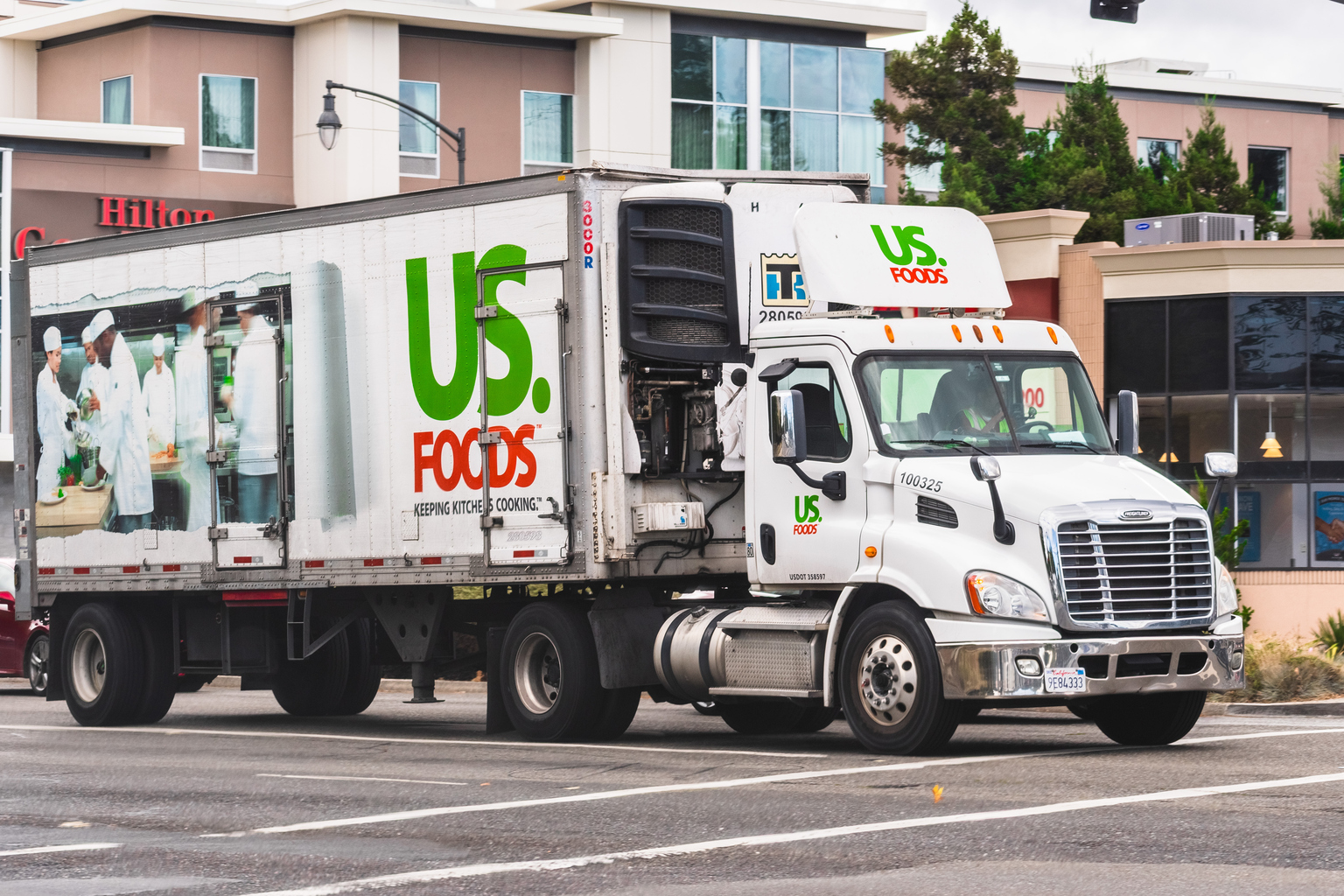
US Foods Secures $137.1 Million Contract

- Significant Contract Value: US Foods has secured a contract worth up to $137.1 million to supply a full range of food and beverage items, highlighting the company's critical role in the defense supply chain and expected to significantly boost its revenue and market share.
- Defined Contract Duration: The contract spans 322 days with no extension option, indicating that US Foods must efficiently fulfill the contract within the stipulated time to ensure timely delivery and maintain customer trust for future collaboration opportunities.
- Stable Funding Source: The funding for this contract comes from the fiscal 2026-2027 Defense Working Capital Funds, reflecting the government's confidence in US Foods while providing a stable revenue stream that enhances financial security.
- Optimistic Market Outlook: US Foods anticipates adjusted EBITDA growth of 9% to 13% in 2026, and combined with this contract, it is poised to further drive performance growth and enhance its competitiveness in the food service industry.
See More

US Foods Launches Spring 2026 Innovations to Boost Profits
- Product Launch: US Foods has introduced 19 exclusive brand products aimed at helping operators attract diners and boost profits, combining high quality with operational efficiencies to meet market demands for menu versatility.
- Market Research: A survey by US Foods revealed that over 60% of independent foodservice operators reported that Scoop products sell as well or better than other menu items, indicating a competitive edge in the market.
- Labor Savings: For instance, the Devonshire® Dubai-Style Chocolate Torte saves 120 minutes of labor per case, enabling operators to enhance product quality and consistency while managing costs effectively.
- Trend Alignment: The product development team at US Foods has leveraged global research to launch trend-aligned offerings, such as Korean-style fried chicken, which is projected to grow 58.2% on U.S. menus by 2029, providing operators with an opportunity to capture market share.
See More

Restaurant Stocks Face Inflation and Economic Volatility Challenges


- Industry Decline: The S&P 500 Hotels, Restaurants, and Leisure sector is down approximately 4% in 2026, while the broader benchmark index has fallen 1.8%, indicating the restaurant industry's struggles amid inflation and uneven economic growth.
- Fast-Food Chains Struggling: DoorDash's stock has plummeted over 27%, Chipotle is down nearly 12%, and Wendy's has lost 15% year-to-date, reflecting shifts in consumer spending habits and the impact of GLP-1 drugs on dining out.
- Impact of GLP-1 Drugs: Research indicates that households with GLP-1 users experienced an 8% short-term decline in food-away-from-home spending, which could significantly affect sales at quick-service and fast-casual restaurants, particularly among lower-income consumers.
- Labor Market Volatility: The unemployment rate rose slightly to 4.4% in February, correlating with weak restaurant demand, as fast-casual and quick-service restaurants reported stagnant or declining same-store sales, highlighting the sensitivity of younger consumers to labor market changes.
See More

Kalanick's Atoms Expands into Mining and Transportation


- Business Expansion: Kalanick's new venture, Atoms, has announced its expansion from food into mining and transportation after eight years of stealth operations, indicating a strong ambition for diversification that may attract increased investor interest.
- Technological Innovation: Atoms focuses on developing 'gainfully employed robots' aimed at enhancing efficiency in the mining and transportation sectors, a strategy that could potentially transform operational models within these industries.
- Market Positioning: Kalanick has outlined three business subcategories on the Atoms website, including Atoms Food, Atoms Mining, and Atoms Transport, indicating a strategic focus on food infrastructure and robotic transportation that may enhance competitive positioning in the market.
- Personal Resurgence: Kalanick's return to entrepreneurship after leaving Uber, stating 'I bled, but I did not perish,' not only showcases his resilience but may also inspire other entrepreneurs, thereby strengthening the brand's image.
See More
Mortgage Stocks Surge 30% After Ackman's Remarks
- Mortgage Stocks Rally: Shares of Fannie Mae and Freddie Mac surged over 30% on Monday after billionaire Bill Ackman labeled them as 'stupidly cheap' in a social media post, indicating strong market confidence in their future potential.
- Boston Scientific Downgrade: Boston Scientific's stock fell more than 9% after Raymond James downgraded it from strong buy to outperform, reflecting concerns over weakening trends in its key growth areas and leading investors to adopt a cautious stance on its future performance.
- Cybersecurity Gains: Palo Alto Networks saw its shares jump over 7% after CEO Nikesh Arora disclosed a $10 million stock purchase, demonstrating market confidence in the company's growth prospects amid rising demand for cybersecurity solutions.
- United Therapeutics Innovation: United Therapeutics' stock rose nearly 13%, reaching a 52-week high, following positive phase 3 clinical trial results for its main product Tyvaso, and its plan to seek priority FDA review to expand the drug's label, showcasing strategic advancements in lung disease treatment.
See More
Post Holdings Starts Fiscal 2026 Strongly with Surging EBITDA
- Strong Financial Performance: Post Holdings exceeded expectations with its first-quarter adjusted EBITDA for fiscal 2026, reflecting robust operational execution and efficiency, which is expected to drive overall annual growth.
- Foodservice Segment Strength: The company updated its normalized annual adjusted EBITDA run rate for the Foodservice segment to approximately $500 million, indicating a solid value proposition that helps clients reduce labor costs while supporting sustainable growth.
- Raised EBITDA Guidance: Benefiting from sustained momentum in Foodservice, the company raised its fiscal 2026 adjusted EBITDA guidance to $1.55 billion to $1.58 billion, up from the previous range of $1.50 billion to $1.54 billion, showcasing confidence in future growth.
- Relative Market Stability: Although Post Holdings shares have declined by 1.8% year-to-date, they have outperformed the industry’s overall decline of 3.7%, indicating the company's relative resilience and investor confidence in its performance.
See More
US Foods Secures $137.1 Million Contract
- Significant Contract Value: US Foods has secured a contract worth up to $137.1 million to supply a full range of food and beverage items, highlighting the company's critical role in the defense supply chain and expected to significantly boost its revenue and market share.
- Defined Contract Duration: The contract spans 322 days with no extension option, indicating that US Foods must efficiently fulfill the contract within the stipulated time to ensure timely delivery and maintain customer trust for future collaboration opportunities.
- Stable Funding Source: The funding for this contract comes from the fiscal 2026-2027 Defense Working Capital Funds, reflecting the government's confidence in US Foods while providing a stable revenue stream that enhances financial security.
- Optimistic Market Outlook: US Foods anticipates adjusted EBITDA growth of 9% to 13% in 2026, and combined with this contract, it is poised to further drive performance growth and enhance its competitiveness in the food service industry.
See More
US Foods Launches Spring 2026 Innovations to Boost Profits
- Product Launch: US Foods has introduced 19 exclusive brand products aimed at helping operators attract diners and boost profits, combining high quality with operational efficiencies to meet market demands for menu versatility.
- Market Research: A survey by US Foods revealed that over 60% of independent foodservice operators reported that Scoop products sell as well or better than other menu items, indicating a competitive edge in the market.
- Labor Savings: For instance, the Devonshire® Dubai-Style Chocolate Torte saves 120 minutes of labor per case, enabling operators to enhance product quality and consistency while managing costs effectively.
- Trend Alignment: The product development team at US Foods has leveraged global research to launch trend-aligned offerings, such as Korean-style fried chicken, which is projected to grow 58.2% on U.S. menus by 2029, providing operators with an opportunity to capture market share.
See More
Restaurant Stocks Face Inflation and Economic Volatility Challenges
- Industry Decline: The S&P 500 Hotels, Restaurants, and Leisure sector is down approximately 4% in 2026, while the broader benchmark index has fallen 1.8%, indicating the restaurant industry's struggles amid inflation and uneven economic growth.
- Fast-Food Chains Struggling: DoorDash's stock has plummeted over 27%, Chipotle is down nearly 12%, and Wendy's has lost 15% year-to-date, reflecting shifts in consumer spending habits and the impact of GLP-1 drugs on dining out.
- Impact of GLP-1 Drugs: Research indicates that households with GLP-1 users experienced an 8% short-term decline in food-away-from-home spending, which could significantly affect sales at quick-service and fast-casual restaurants, particularly among lower-income consumers.
- Labor Market Volatility: The unemployment rate rose slightly to 4.4% in February, correlating with weak restaurant demand, as fast-casual and quick-service restaurants reported stagnant or declining same-store sales, highlighting the sensitivity of younger consumers to labor market changes.
See More
Kalanick's Atoms Expands into Mining and Transportation
- Business Expansion: Kalanick's new venture, Atoms, has announced its expansion from food into mining and transportation after eight years of stealth operations, indicating a strong ambition for diversification that may attract increased investor interest.
- Technological Innovation: Atoms focuses on developing 'gainfully employed robots' aimed at enhancing efficiency in the mining and transportation sectors, a strategy that could potentially transform operational models within these industries.
- Market Positioning: Kalanick has outlined three business subcategories on the Atoms website, including Atoms Food, Atoms Mining, and Atoms Transport, indicating a strategic focus on food infrastructure and robotic transportation that may enhance competitive positioning in the market.
- Personal Resurgence: Kalanick's return to entrepreneurship after leaving Uber, stating 'I bled, but I did not perish,' not only showcases his resilience but may also inspire other entrepreneurs, thereby strengthening the brand's image.
See More