U.S. Equities Face Inflation and Yield Pressures Amid Earnings Season
Written by Emily J. Thompson, Senior Investment Analyst
Updated: 39 minutes ago
0mins

Source: Newsfilter
- Earnings Season Wrap-Up: With over 90% of S&P 500 companies reporting, first-quarter earnings are projected to rise over 28% year-over-year, but as earnings reports conclude, investors are shifting focus to the macroeconomic environment, which may lead to increased market volatility.
- Inflation Concerns Rise: The U.S. 10-year Treasury yield hit its highest level since January 2025 this week, while the 30-year yield reached its highest since 2007, with rapidly rising yields posing headwinds for stocks by pressuring valuations and increasing borrowing costs for consumers and businesses.
- Shifts in Fed Policy Expectations: Futures markets now anticipate a potential rate hike by the Federal Reserve in 2026, reflecting heightened inflation concerns, particularly amid the backdrop of the U.S.-Israeli war, as officials express growing worries about price spikes potentially necessitating policy changes.
- Retail Performance Focus: Upcoming earnings reports from retailers will be closely watched, especially as elevated gas prices may impact consumer spending, with Walmart's conservative sales and profit targets leading to a stock price decline, indicating market concerns over consumer confidence.
Trade with 70% Backtested Accuracy
Stop guessing "Should I Buy COST?" and start using high-conviction signals backed by rigorous historical data.
Sign up today to access powerful investing tools and make smarter, data-driven decisions.
Analyst Views on COST
Wall Street analysts forecast COST stock price to fall
24 Analyst Rating
19 Buy
4 Hold
1 Sell
Strong Buy
Current: 1074.010

Low
769.00
Averages
1061
High
1205
Current: 1074.010
Low
769.00
Averages
1061
High
1205
About COST
Costco Wholesale Corporation (Costco) operates membership warehouses and e-commerce sites that offer a selection of nationally branded and private-label products in a wide range of categories. The Company buys the majority of its merchandise directly from suppliers and route it to cross-docking consolidation points (depots) or directly to its warehouses. It operates 891 warehouses, including 614 in the United States and Puerto Rico, 108 in Canada, 40 in Mexico, 35 in Japan, 29 in the United Kingdom, 19 in Korea, 15 in Australia, 14 in Taiwan, seven in China, five in Spain, two in France, and one each in Iceland, New Zealand and Sweden. It also operates e-commerce sites in the United States, Canada, the United Kingdom, Mexico, Korea, Taiwan, Japan and Australia. The Company provides wide selection of merchandise, plus the convenience of specialty departments and exclusive member services.
About the author

Emily J. Thompson
Emily J. Thompson, a Chartered Financial Analyst (CFA) with 12 years in investment research, graduated with honors from the Wharton School. Specializing in industrial and technology stocks, she provides in-depth analysis for Intellectia’s earnings and market brief reports.
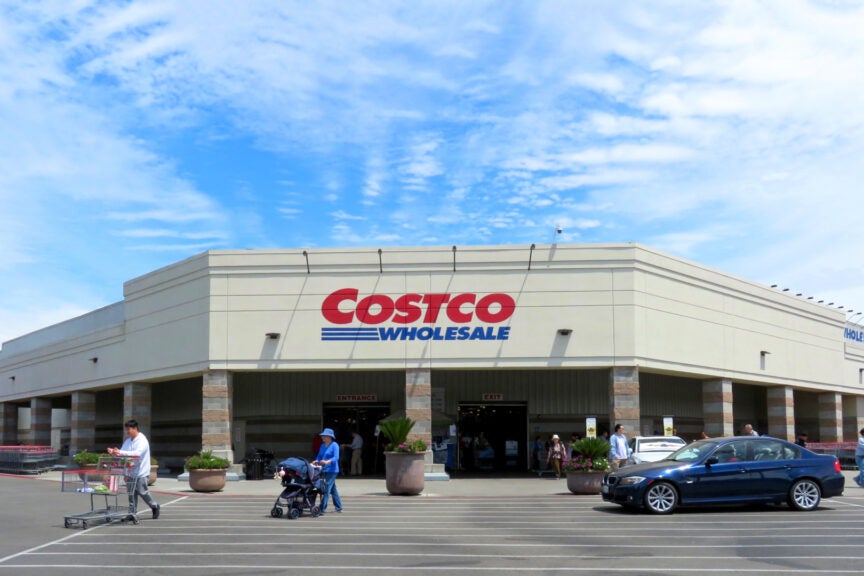
Costco Shares End Six-Session Gain
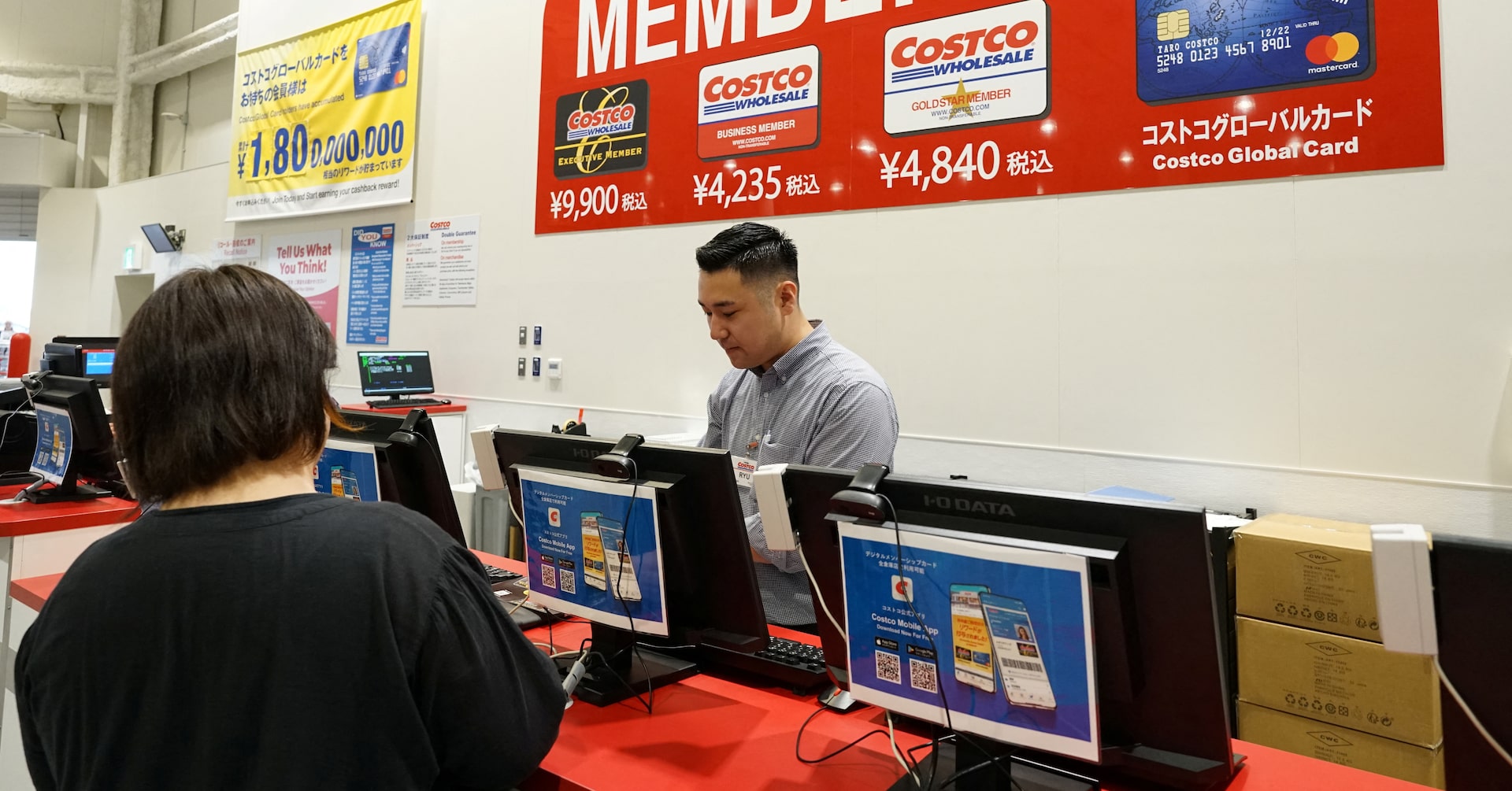
- Stock Fluctuation: Costco (COST) shares fell 1.3% to $1,080 on Friday after six consecutive days of gains, indicating market caution regarding its short-term performance.
- Year-to-Date Performance: So far this year, COST shares have risen over 25%, significantly outperforming the S&P 500 Index's 8% increase, highlighting its strong position in the retail sector.
- Analyst Ratings: According to Seeking Alpha's Quant Rating, COST holds a 3.4 Hold rating, receiving an A+ for profitability prospects but only a C for growth factors, indicating concerns about its growth potential.
- Market Expectations: Among 22 Wall Street analysts, 12 have rated the stock as Hold and 2 as Sell, reflecting a cautious outlook ahead of the upcoming Q3 earnings report.
See More
U.S. Equities Face Inflation and Yield Pressures Amid Earnings Season

- Earnings Season Wrap-Up: With over 90% of S&P 500 companies reporting, first-quarter earnings are projected to rise over 28% year-over-year, but as earnings reports conclude, investors are shifting focus to the macroeconomic environment, which may lead to increased market volatility.
- Inflation Concerns Rise: The U.S. 10-year Treasury yield hit its highest level since January 2025 this week, while the 30-year yield reached its highest since 2007, with rapidly rising yields posing headwinds for stocks by pressuring valuations and increasing borrowing costs for consumers and businesses.
- Shifts in Fed Policy Expectations: Futures markets now anticipate a potential rate hike by the Federal Reserve in 2026, reflecting heightened inflation concerns, particularly amid the backdrop of the U.S.-Israeli war, as officials express growing worries about price spikes potentially necessitating policy changes.
- Retail Performance Focus: Upcoming earnings reports from retailers will be closely watched, especially as elevated gas prices may impact consumer spending, with Walmart's conservative sales and profit targets leading to a stock price decline, indicating market concerns over consumer confidence.
See More
Global Markets Face Diplomatic Pressures and Inflation Challenges

- Market Turmoil Intensifies: As the Iran war enters its third month, global markets are experiencing increasing turmoil, particularly with 30-year borrowing costs in the U.S. Treasury market hitting their highest levels since 2007 this week, indicating investor concerns over inflationary shocks that could lead to increased government spending and exacerbate debt burdens.
- Turkish Political Uncertainty: Turkey's court effectively ousted main opposition leader Ozgur Ozel, causing a strong market reaction with stocks plunging and the lira hitting a fresh low, as the central bank was forced to sell billions in forex to mitigate economic pressures, highlighting the direct impact of political instability on the economy.
- Inflation Data Watch: The U.S. is set to release its personal consumption expenditures price index on Thursday, a key inflation gauge for the Fed, with recent measures showing high consumer and producer prices due to rising energy costs, which could influence future monetary policy decisions.
- Japanese Monetary Policy Outlook: The Bank of Japan may hike rates for the first time next month, with markets increasingly certain of this move; economists forecast Tokyo's core consumer price index to rise to 1.5%, although government subsidies have muddied the data, yet high oil prices and a weak yen will continue to elevate import costs.
See More

Pokémon Card Market Experiences Renaissance

- Price Surge: According to an index by Collectors, Pokémon card prices have skyrocketed by 1,350% since 2020, significantly outpacing traditional asset classes, attracting high-net-worth individuals and cryptocurrency investors, indicating robust market demand and investment potential.
- Market Hype: In 2023, The Pokémon Company continues to release new card sets, particularly special 30th-anniversary products, driving excitement and attracting a wave of young collectors and investors, creating a new collecting frenzy.
- Increased Speculation: Due to the scarcity of cards, many scalpers quickly buy up new releases and resell them at inflated prices, leading to market volatility and panic among consumers who feel compelled to purchase quickly to avoid missing out, further driving up prices.
- Collectors vs. Speculators: Despite the influx of speculators, many genuine collectors are still pursuing complete card sets, providing stability to the market and demonstrating the enduring appeal of collecting culture.
See More
Walmart Shares Drop Amid Consumer Spending Concerns


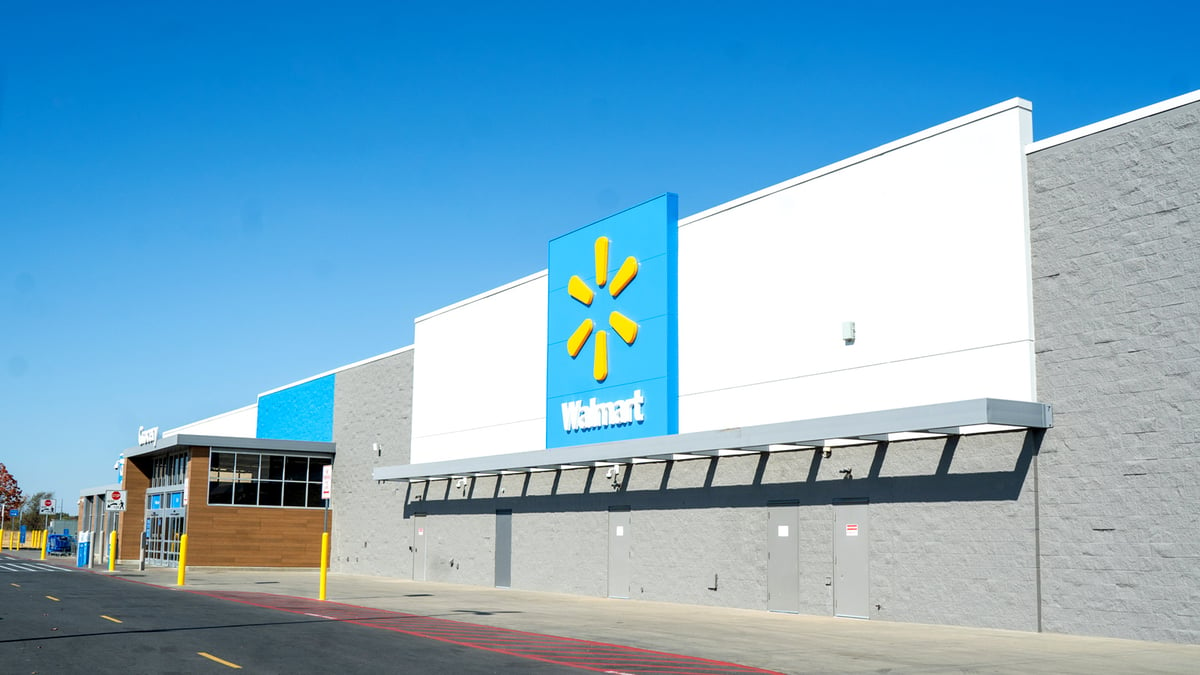
- Consumer Spending Decline: Walmart's stock fell 7.6% as the company reported signs of reduced consumer spending due to rising gas prices and the impact of the Iran war, indicating market concerns about economic conditions.
- Solid Financial Performance: Despite challenges, Walmart's Q1 revenue rose 7.3% to $177.8 billion, exceeding expectations, while adjusted EPS increased from $0.61 to $0.66, demonstrating strong performance in grocery and general merchandise.
- Cautious Future Outlook: Walmart maintained its full-year revenue growth guidance of 3.5%-4.5%, but its adjusted EPS forecast fell below consensus, reflecting management's cautious stance amid financial distress among lower-income consumers.
- Valuation Pressure: With a price-to-earnings ratio exceeding 40, significantly higher than the S&P 500 and peers, Walmart's valuation appears stretched, leading investors to consider waiting for a better entry point as growth expectations seem conservative.
See More

Walmart Beats Q1 Revenue Estimates Amid Consumer Caution
- Strong Performance: Walmart's Q1 revenue reached $177.8 billion, a 7.3% year-over-year increase that surpassed market expectations of $174.8 billion, demonstrating robust performance in grocery and general merchandise despite pressures from consumer spending slowdowns.
- Sales Growth Concerns: Comparable sales at Walmart U.S. stores rose 4.1%, yet management cautioned that financial distress among lower-income consumers is rising, with average gallons pumped per visit dropping below 10 for the first time since 2022, indicating potential challenges ahead.
- Cautious Outlook: Walmart maintained its full-year revenue growth guidance of 3.5%-4.5% and adjusted EPS forecast of $2.75-$2.85, which is below the consensus estimate of $2.92, reflecting a cautious stance regarding the future economic environment.
- Significant Stock Volatility: Despite solid results, Walmart's stock fell 7.6% post-report, highlighting market concerns over its stretched forward P/E ratio above 40, leading investors to feel uneasy about the valuation expansion in retail stocks, which may limit short-term investment returns.
See More
Costco Shares End Six-Session Gain
- Stock Fluctuation: Costco (COST) shares fell 1.3% to $1,080 on Friday after six consecutive days of gains, indicating market caution regarding its short-term performance.
- Year-to-Date Performance: So far this year, COST shares have risen over 25%, significantly outperforming the S&P 500 Index's 8% increase, highlighting its strong position in the retail sector.
- Analyst Ratings: According to Seeking Alpha's Quant Rating, COST holds a 3.4 Hold rating, receiving an A+ for profitability prospects but only a C for growth factors, indicating concerns about its growth potential.
- Market Expectations: Among 22 Wall Street analysts, 12 have rated the stock as Hold and 2 as Sell, reflecting a cautious outlook ahead of the upcoming Q3 earnings report.
See More
U.S. Equities Face Inflation and Yield Pressures Amid Earnings Season
- Earnings Season Wrap-Up: With over 90% of S&P 500 companies reporting, first-quarter earnings are projected to rise over 28% year-over-year, but as earnings reports conclude, investors are shifting focus to the macroeconomic environment, which may lead to increased market volatility.
- Inflation Concerns Rise: The U.S. 10-year Treasury yield hit its highest level since January 2025 this week, while the 30-year yield reached its highest since 2007, with rapidly rising yields posing headwinds for stocks by pressuring valuations and increasing borrowing costs for consumers and businesses.
- Shifts in Fed Policy Expectations: Futures markets now anticipate a potential rate hike by the Federal Reserve in 2026, reflecting heightened inflation concerns, particularly amid the backdrop of the U.S.-Israeli war, as officials express growing worries about price spikes potentially necessitating policy changes.
- Retail Performance Focus: Upcoming earnings reports from retailers will be closely watched, especially as elevated gas prices may impact consumer spending, with Walmart's conservative sales and profit targets leading to a stock price decline, indicating market concerns over consumer confidence.
See More
Global Markets Face Diplomatic Pressures and Inflation Challenges
- Market Turmoil Intensifies: As the Iran war enters its third month, global markets are experiencing increasing turmoil, particularly with 30-year borrowing costs in the U.S. Treasury market hitting their highest levels since 2007 this week, indicating investor concerns over inflationary shocks that could lead to increased government spending and exacerbate debt burdens.
- Turkish Political Uncertainty: Turkey's court effectively ousted main opposition leader Ozgur Ozel, causing a strong market reaction with stocks plunging and the lira hitting a fresh low, as the central bank was forced to sell billions in forex to mitigate economic pressures, highlighting the direct impact of political instability on the economy.
- Inflation Data Watch: The U.S. is set to release its personal consumption expenditures price index on Thursday, a key inflation gauge for the Fed, with recent measures showing high consumer and producer prices due to rising energy costs, which could influence future monetary policy decisions.
- Japanese Monetary Policy Outlook: The Bank of Japan may hike rates for the first time next month, with markets increasingly certain of this move; economists forecast Tokyo's core consumer price index to rise to 1.5%, although government subsidies have muddied the data, yet high oil prices and a weak yen will continue to elevate import costs.
See More
Pokémon Card Market Experiences Renaissance
- Price Surge: According to an index by Collectors, Pokémon card prices have skyrocketed by 1,350% since 2020, significantly outpacing traditional asset classes, attracting high-net-worth individuals and cryptocurrency investors, indicating robust market demand and investment potential.
- Market Hype: In 2023, The Pokémon Company continues to release new card sets, particularly special 30th-anniversary products, driving excitement and attracting a wave of young collectors and investors, creating a new collecting frenzy.
- Increased Speculation: Due to the scarcity of cards, many scalpers quickly buy up new releases and resell them at inflated prices, leading to market volatility and panic among consumers who feel compelled to purchase quickly to avoid missing out, further driving up prices.
- Collectors vs. Speculators: Despite the influx of speculators, many genuine collectors are still pursuing complete card sets, providing stability to the market and demonstrating the enduring appeal of collecting culture.
See More
Walmart Shares Drop Amid Consumer Spending Concerns
- Consumer Spending Decline: Walmart's stock fell 7.6% as the company reported signs of reduced consumer spending due to rising gas prices and the impact of the Iran war, indicating market concerns about economic conditions.
- Solid Financial Performance: Despite challenges, Walmart's Q1 revenue rose 7.3% to $177.8 billion, exceeding expectations, while adjusted EPS increased from $0.61 to $0.66, demonstrating strong performance in grocery and general merchandise.
- Cautious Future Outlook: Walmart maintained its full-year revenue growth guidance of 3.5%-4.5%, but its adjusted EPS forecast fell below consensus, reflecting management's cautious stance amid financial distress among lower-income consumers.
- Valuation Pressure: With a price-to-earnings ratio exceeding 40, significantly higher than the S&P 500 and peers, Walmart's valuation appears stretched, leading investors to consider waiting for a better entry point as growth expectations seem conservative.
See More
Walmart Beats Q1 Revenue Estimates Amid Consumer Caution
- Strong Performance: Walmart's Q1 revenue reached $177.8 billion, a 7.3% year-over-year increase that surpassed market expectations of $174.8 billion, demonstrating robust performance in grocery and general merchandise despite pressures from consumer spending slowdowns.
- Sales Growth Concerns: Comparable sales at Walmart U.S. stores rose 4.1%, yet management cautioned that financial distress among lower-income consumers is rising, with average gallons pumped per visit dropping below 10 for the first time since 2022, indicating potential challenges ahead.
- Cautious Outlook: Walmart maintained its full-year revenue growth guidance of 3.5%-4.5% and adjusted EPS forecast of $2.75-$2.85, which is below the consensus estimate of $2.92, reflecting a cautious stance regarding the future economic environment.
- Significant Stock Volatility: Despite solid results, Walmart's stock fell 7.6% post-report, highlighting market concerns over its stretched forward P/E ratio above 40, leading investors to feel uneasy about the valuation expansion in retail stocks, which may limit short-term investment returns.
See More