US Diplomat Urges Taiwan to Pass Defense Budget
Written by Emily J. Thompson, Senior Investment Analyst
Updated: 1 hour ago
0mins
Should l Buy LMT?
Source: Newsfilter
- Defense Budget Importance: US diplomat Raymond Greene stressed the necessity for Taiwan to pass a comprehensive defense budget to secure integrated air and missile defense systems and drones, which are in high global demand.
- Budget Proposal Stalled: Despite President Lai Ching-te's proposal for $40 billion in supplemental defense spending last year, discussions in parliament have stalled due to the Kuomintang's demand for more details, potentially delaying Taiwan's access to US weapons.
- International Signal: Greene noted that passing the budget would send a critical signal to the international community, ensuring Taiwan acquires the full range of defense capabilities it has requested, which is vital in the current global security landscape.
- Tensions in US-Taiwan Relations: Kuomintang Chairwoman Cheng Li-wun plans to visit the US, emphasizing that Taiwan should not have to choose between China and the US, yet concerns about potential conflict in the Taiwan Strait persist, highlighting the complexities of US-Taiwan relations.
Trade with 70% Backtested Accuracy
Stop guessing "Should I Buy LMT?" and start using high-conviction signals backed by rigorous historical data.
Sign up today to access powerful investing tools and make smarter, data-driven decisions.
Analyst Views on LMT
Wall Street analysts forecast LMT stock price to rise
12 Analyst Rating
4 Buy
7 Hold
1 Sell
Hold
Current: 529.790

Low
430.00
Averages
535.50
High
605.00
Current: 529.790
Low
430.00
Averages
535.50
High
605.00
About LMT
Lockheed Martin Corporation is a global aerospace and defense company. The Company is engaged in the research, design, development, manufacture, integration and sustainment of advanced technology systems, products and services. Its segments include Aeronautics, Missiles and Fire Control (MFC), Rotary and Mission Systems (RMS) and Space. Aeronautics segment is engaged in the research, design, development, manufacture, integration, sustainment, support and upgrade of advanced military aircraft. MFC segment provides air and missile defense systems, manned and unmanned ground vehicles, energy management solutions, and others. RMS segment designs, manufactures, services and supports various military and commercial helicopters, surface ships, sea and land-based missile defense systems, and others. Its Space segment is engaged in the research and design, development, engineering and production of satellites, space transportation systems, and strategic, advanced strike, and defensive systems.
About the author

Emily J. Thompson
Emily J. Thompson, a Chartered Financial Analyst (CFA) with 12 years in investment research, graduated with honors from the Wharton School. Specializing in industrial and technology stocks, she provides in-depth analysis for Intellectia’s earnings and market brief reports.
US Diplomat Urges Taiwan to Pass Defense Budget

- Defense Budget Importance: US diplomat Raymond Greene stressed the necessity for Taiwan to pass a comprehensive defense budget to secure integrated air and missile defense systems and drones, which are in high global demand.
- Budget Proposal Stalled: Despite President Lai Ching-te's proposal for $40 billion in supplemental defense spending last year, discussions in parliament have stalled due to the Kuomintang's demand for more details, potentially delaying Taiwan's access to US weapons.
- International Signal: Greene noted that passing the budget would send a critical signal to the international community, ensuring Taiwan acquires the full range of defense capabilities it has requested, which is vital in the current global security landscape.
- Tensions in US-Taiwan Relations: Kuomintang Chairwoman Cheng Li-wun plans to visit the US, emphasizing that Taiwan should not have to choose between China and the US, yet concerns about potential conflict in the Taiwan Strait persist, highlighting the complexities of US-Taiwan relations.
See More

Security Incident Disrupts White House Correspondents' Dinner
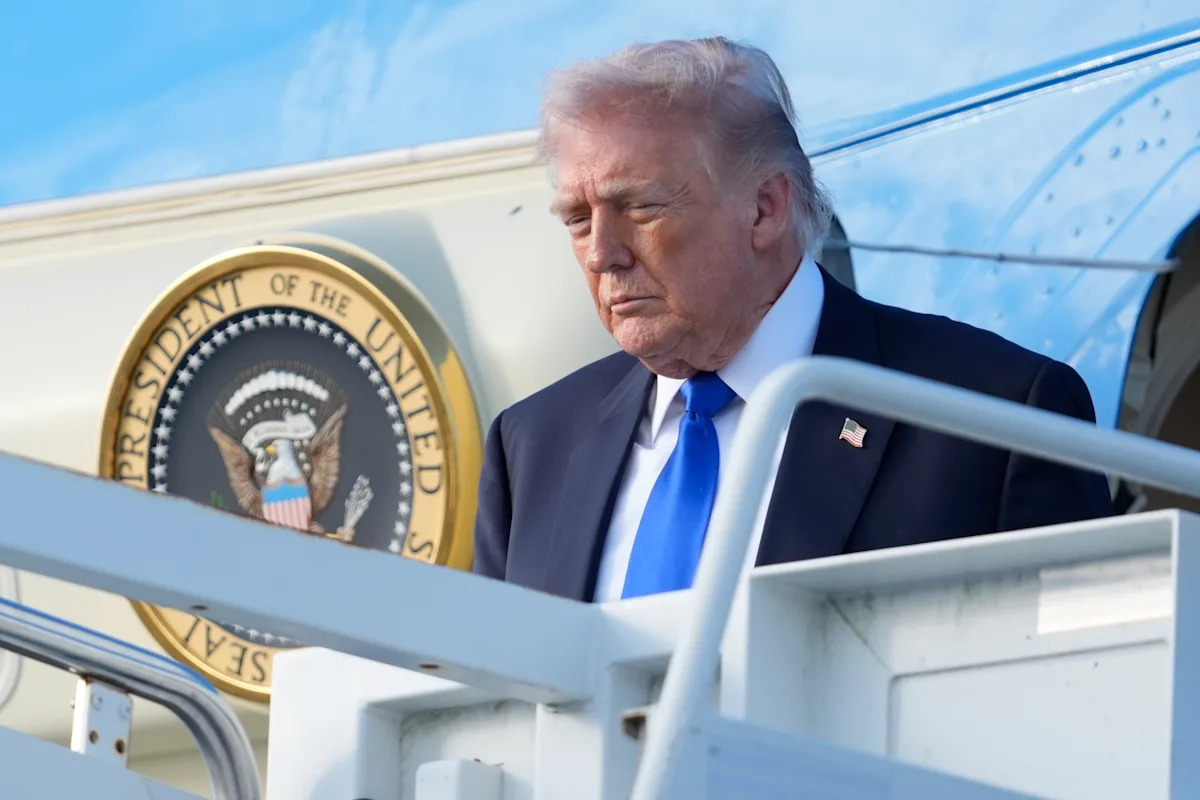
- Incident Overview: The White House Correspondents' Dinner was abruptly interrupted due to a security disruption, with President Trump praising the rapid response of federal security personnel who successfully managed the situation and ensured attendee safety.
- Emergency Evacuation: During the incident, Trump and other attendees were forced to take cover after a loud noise, with Secret Service swiftly escorting the President to a secure location, demonstrating effective security protocols in action.
- Political Tension Highlighted: This incident underscores the fragile political atmosphere currently enveloping Washington, as the White House has yet to provide specific details regarding the source of the disturbance, keeping markets on high alert for political uncertainty.
- Market Reaction Anticipation: Investors are expected to closely monitor official statements from the White House, as uncertainty surrounding political leadership and domestic stability often influences market sentiment, particularly in early Sunday trading.
See More
Lockheed Martin Misses Q1 Earnings Expectations Amid Defense Budget Changes
- Revenue and Profit Decline: Lockheed Martin reported Q1 2026 revenue of $18 billion, missing analyst expectations of $18.3 billion, with earnings per share at $6.44, below the forecast of $6.74, resulting in a nearly 5% drop in stock price during trading.
- Increased Capital Expenditures: The company's capital expenditures rose over 12% year-over-year to $511 million, pushing free cash flow into negative territory, while operating profit margin declined by 160 basis points to 11.7% and net profit margin fell by 110 basis points to 8.3%.
- Long-term Contracts Signed: Despite the poor short-term performance, Lockheed signed several long-term framework agreements with the U.S. government in Q1 to accelerate and scale munitions production, including advanced Patriot missiles and THAAD systems, with expected annual production increases of three to four times.
- Future Earnings Outlook: The company forecasts full-year 2026 earnings between $29.35 and $30.25 per share, representing a potential 37% growth compared to 2025, and with the recent stock sell-off, it is trading below 26 times earnings, making it attractive for long-term investors.
See More

Lockheed Martin's Disappointing Earnings but Optimistic Outlook
- Sales and Profit Decline: Lockheed Martin reported Q1 2026 sales of $18 billion, missing analyst expectations of $18.3 billion, with earnings per share at $6.44, below the forecast of $6.74, resulting in a nearly 5% drop in stock price.
- Increased Capital Expenditures: The company saw capital expenditures rise over 12% to $511 million, leading to negative free cash flow, while operating profit margin declined by 160 basis points to 11.7%, and net profit margin fell by 110 basis points to 8.3%.
- Production Expansion Plans: Despite flat sales, Lockheed signed several framework agreements with the U.S. government to accelerate and scale missile production, with annual production rates for certain missiles expected to grow three to four times, significantly boosting sales and profits in the coming years.
- Optimistic Earnings Forecast: Lockheed forecasts full-year 2026 earnings between $29.35 and $30.25 per share, representing a potential 37% growth compared to 2025 profits, although initial sales growth is projected at only 3% to 6%, indicating a promising long-term profitability outlook.
See More

Lockheed Martin Seizes 'Golden Opportunity' Amid Defense Spending Surge
- Surge in Defense Budget: The Trump administration's proposed $1.5 trillion defense budget, a $445 billion increase from last year, positions Lockheed Martin, which derives 73% of its revenue from federal contracts, to significantly benefit and solidify its revenue base.
- Shift to Commercial Model: Lockheed Martin is collaborating with the Pentagon to implement a more commercial-like contracting model for major weapons systems, introducing a 'recovery element' that ensures compensation even if production rates change, thereby reducing financial risk and encouraging capital investment.
- Significant Contract Growth: Since the onset of the Iran conflict, Lockheed Martin has secured multiple new contracts, including a $4.7 billion award for accelerating PAC-3 missile production and a $1.9 billion contract for C-130J maintenance, reflecting strong demand in the expanding defense market.
- Stable Financial Performance: In Q1 2026, Lockheed Martin reported sales of $18 billion and net earnings of $1.5 billion, reaffirming its full-year outlook despite missing profit expectations, demonstrating resilience and stability in a challenging environment.
See More
Semiconductor Stocks Overbought Amid Market Rally


- Semiconductor Surge: Semiconductor stocks emerged as a focal point for investors this week, with the S&P 500 and Nasdaq rising 0.55% and 1.50% respectively, pushing the market to new highs and reflecting strong optimism in the sector.
- Overbought Indicators: CNBC Pro's analysis identified stocks with a 14-day RSI above 70 as overbought, indicating potential pullback risks, particularly as the iShares Semiconductor ETF (SOXX) posted an 11.04% gain this week, showcasing robust enthusiasm for chipmakers.
- Earnings Drive: Texas Instruments reported first-quarter earnings that exceeded expectations, highlighting strong demand for its analog chips, which significantly boosted its stock price and reinforced market confidence in the semiconductor industry.
- Narrowing Market Leadership: Cameron Dawson, Chief Investment Officer at NewEdge Wealth, noted that market leadership is increasingly concentrated in the semiconductor sector, indicating a sustained rise in investor focus on this industry, which may impact the performance of other sectors.
See More
US Diplomat Urges Taiwan to Pass Defense Budget
- Defense Budget Importance: US diplomat Raymond Greene stressed the necessity for Taiwan to pass a comprehensive defense budget to secure integrated air and missile defense systems and drones, which are in high global demand.
- Budget Proposal Stalled: Despite President Lai Ching-te's proposal for $40 billion in supplemental defense spending last year, discussions in parliament have stalled due to the Kuomintang's demand for more details, potentially delaying Taiwan's access to US weapons.
- International Signal: Greene noted that passing the budget would send a critical signal to the international community, ensuring Taiwan acquires the full range of defense capabilities it has requested, which is vital in the current global security landscape.
- Tensions in US-Taiwan Relations: Kuomintang Chairwoman Cheng Li-wun plans to visit the US, emphasizing that Taiwan should not have to choose between China and the US, yet concerns about potential conflict in the Taiwan Strait persist, highlighting the complexities of US-Taiwan relations.
See More
Security Incident Disrupts White House Correspondents' Dinner
- Incident Overview: The White House Correspondents' Dinner was abruptly interrupted due to a security disruption, with President Trump praising the rapid response of federal security personnel who successfully managed the situation and ensured attendee safety.
- Emergency Evacuation: During the incident, Trump and other attendees were forced to take cover after a loud noise, with Secret Service swiftly escorting the President to a secure location, demonstrating effective security protocols in action.
- Political Tension Highlighted: This incident underscores the fragile political atmosphere currently enveloping Washington, as the White House has yet to provide specific details regarding the source of the disturbance, keeping markets on high alert for political uncertainty.
- Market Reaction Anticipation: Investors are expected to closely monitor official statements from the White House, as uncertainty surrounding political leadership and domestic stability often influences market sentiment, particularly in early Sunday trading.
See More
Lockheed Martin Misses Q1 Earnings Expectations Amid Defense Budget Changes
- Revenue and Profit Decline: Lockheed Martin reported Q1 2026 revenue of $18 billion, missing analyst expectations of $18.3 billion, with earnings per share at $6.44, below the forecast of $6.74, resulting in a nearly 5% drop in stock price during trading.
- Increased Capital Expenditures: The company's capital expenditures rose over 12% year-over-year to $511 million, pushing free cash flow into negative territory, while operating profit margin declined by 160 basis points to 11.7% and net profit margin fell by 110 basis points to 8.3%.
- Long-term Contracts Signed: Despite the poor short-term performance, Lockheed signed several long-term framework agreements with the U.S. government in Q1 to accelerate and scale munitions production, including advanced Patriot missiles and THAAD systems, with expected annual production increases of three to four times.
- Future Earnings Outlook: The company forecasts full-year 2026 earnings between $29.35 and $30.25 per share, representing a potential 37% growth compared to 2025, and with the recent stock sell-off, it is trading below 26 times earnings, making it attractive for long-term investors.
See More
Lockheed Martin's Disappointing Earnings but Optimistic Outlook
- Sales and Profit Decline: Lockheed Martin reported Q1 2026 sales of $18 billion, missing analyst expectations of $18.3 billion, with earnings per share at $6.44, below the forecast of $6.74, resulting in a nearly 5% drop in stock price.
- Increased Capital Expenditures: The company saw capital expenditures rise over 12% to $511 million, leading to negative free cash flow, while operating profit margin declined by 160 basis points to 11.7%, and net profit margin fell by 110 basis points to 8.3%.
- Production Expansion Plans: Despite flat sales, Lockheed signed several framework agreements with the U.S. government to accelerate and scale missile production, with annual production rates for certain missiles expected to grow three to four times, significantly boosting sales and profits in the coming years.
- Optimistic Earnings Forecast: Lockheed forecasts full-year 2026 earnings between $29.35 and $30.25 per share, representing a potential 37% growth compared to 2025 profits, although initial sales growth is projected at only 3% to 6%, indicating a promising long-term profitability outlook.
See More
Lockheed Martin Seizes 'Golden Opportunity' Amid Defense Spending Surge
- Surge in Defense Budget: The Trump administration's proposed $1.5 trillion defense budget, a $445 billion increase from last year, positions Lockheed Martin, which derives 73% of its revenue from federal contracts, to significantly benefit and solidify its revenue base.
- Shift to Commercial Model: Lockheed Martin is collaborating with the Pentagon to implement a more commercial-like contracting model for major weapons systems, introducing a 'recovery element' that ensures compensation even if production rates change, thereby reducing financial risk and encouraging capital investment.
- Significant Contract Growth: Since the onset of the Iran conflict, Lockheed Martin has secured multiple new contracts, including a $4.7 billion award for accelerating PAC-3 missile production and a $1.9 billion contract for C-130J maintenance, reflecting strong demand in the expanding defense market.
- Stable Financial Performance: In Q1 2026, Lockheed Martin reported sales of $18 billion and net earnings of $1.5 billion, reaffirming its full-year outlook despite missing profit expectations, demonstrating resilience and stability in a challenging environment.
See More
Semiconductor Stocks Overbought Amid Market Rally
- Semiconductor Surge: Semiconductor stocks emerged as a focal point for investors this week, with the S&P 500 and Nasdaq rising 0.55% and 1.50% respectively, pushing the market to new highs and reflecting strong optimism in the sector.
- Overbought Indicators: CNBC Pro's analysis identified stocks with a 14-day RSI above 70 as overbought, indicating potential pullback risks, particularly as the iShares Semiconductor ETF (SOXX) posted an 11.04% gain this week, showcasing robust enthusiasm for chipmakers.
- Earnings Drive: Texas Instruments reported first-quarter earnings that exceeded expectations, highlighting strong demand for its analog chips, which significantly boosted its stock price and reinforced market confidence in the semiconductor industry.
- Narrowing Market Leadership: Cameron Dawson, Chief Investment Officer at NewEdge Wealth, noted that market leadership is increasingly concentrated in the semiconductor sector, indicating a sustained rise in investor focus on this industry, which may impact the performance of other sectors.
See More