US December Core CPI Rises 2.6% YoY, Significant Food Price Increases
Written by Emily J. Thompson, Senior Investment Analyst
Updated: Jan 13 2026
0mins


Source: seekingalpha
- Core CPI Data: The US December core Consumer Price Index rose 2.6% year-over-year, slightly below economists' expectations, indicating persistent inflationary pressures that could influence future monetary policy decisions.
- Food Price Increases: Food prices rose 3.1% year-over-year in December, with dining out prices up 4.1% and at-home food prices up 2.4%, directly impacting consumer spending and corporate profits.
- Beef Price Surge: Beef prices soared, with uncooked ground beef up 15.5%, roasts up 17.5%, and steaks up 17.8%, reflecting a combination of supply shortages and strong demand, with this trend expected to last for several years.
- Coffee Price Rise: Coffee prices increased by 19.8% year-over-year in December, and despite tariff relief in November, it remains unclear when retail prices will decline, potentially affecting the profitability of several coffee chain companies.
Trade with 70% Backtested Accuracy
Stop guessing "Should I Buy ACI?" and start using high-conviction signals backed by rigorous historical data.
Sign up today to access powerful investing tools and make smarter, data-driven decisions.
Analyst Views on ACI
Wall Street analysts forecast ACI stock price to rise
16 Analyst Rating
10 Buy
5 Hold
1 Sell
Moderate Buy
Current: 15.920

Low
17.00
Averages
22.27
High
29.00
Current: 15.920
Low
17.00
Averages
22.27
High
29.00
About ACI
Albertsons Companies, Inc. is a food and drug retailer in the United States. The Company is engaged in the operation of food and drug retail stores that offer grocery products, general merchandise, health and beauty care products, pharmacy, fuel and other items and services in its stores or through digital channels. It operates approximately 2,244 retail stores with 405 associated fuel centers, 22 dedicated distribution centers, 19 manufacturing facilities and various digital platforms. The Company operates over 2,244 stores across 35 states and the District of Columbia under 22 banners, including Albertsons, Safeway, Vons, Pavilions, Randalls, Tom Thumb, Carrs, Jewel-Osco, ACME, Shaw's, Star Market, United Supermarkets, Market Street, Haggen, Kings Food Markets and Balducci's Food Lovers Market. Its own brands include Signature SELECT, O Organics, Open Nature, Signature Cafe, Lucerne, Waterfront BISTRO, among others.
About the author

Emily J. Thompson
Emily J. Thompson, a Chartered Financial Analyst (CFA) with 12 years in investment research, graduated with honors from the Wharton School. Specializing in industrial and technology stocks, she provides in-depth analysis for Intellectia’s earnings and market brief reports.
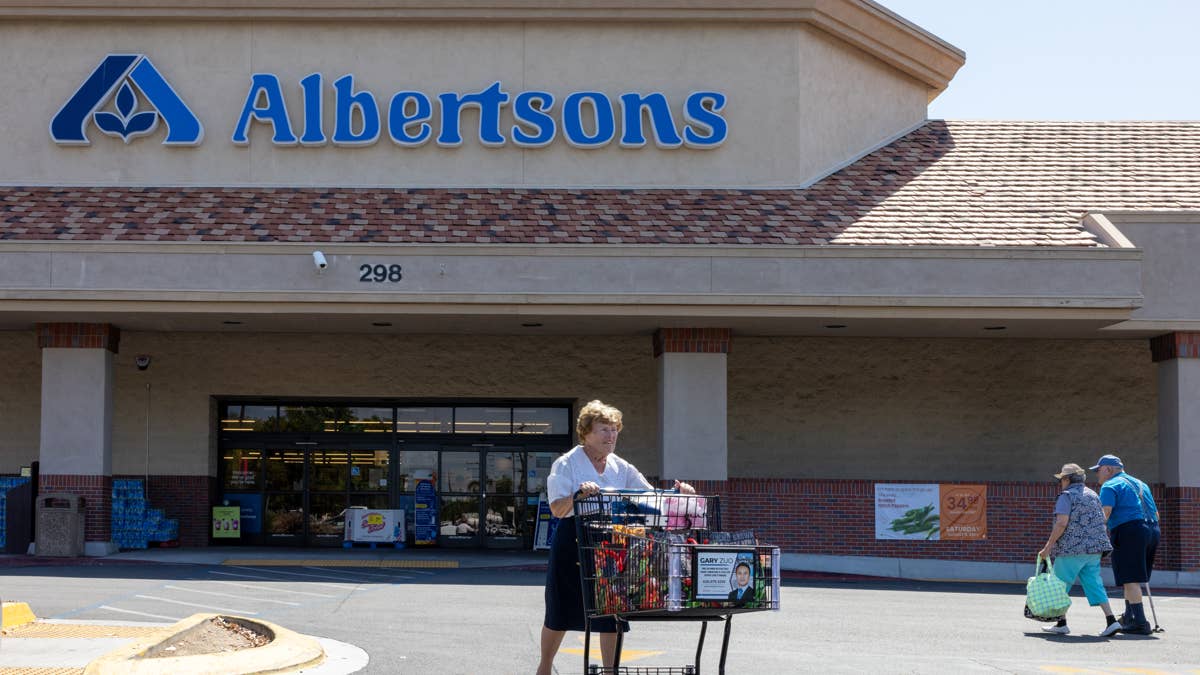
Albertsons Leverages AI to Reduce Food Waste


- Food Waste Issue: The USDA estimates that 30% to 40% of food is wasted annually in the U.S., resulting in an economic loss of approximately $161 billion, which significantly impacts consumer spending and poses financial challenges for retailers.
- AI Tool Implementation: Albertsons has launched an AI tool powered by Google Cloud that utilizes computer vision technology to enhance the quality inspection of fresh fruits and vegetables, with early results indicating improved consistency in product quality, particularly for perishable items.
- Operational Efficiency Gains: By comparing images against Albertsons' quality standards, the AI tool aids quality inspection teams in making more accurate assessments, thereby accelerating decision-making processes and enhancing operational efficiency and customer satisfaction, which strengthens the company's competitive position.
- Future Expansion Plans: Albertsons intends to expand the application of this AI tool to all berry products and eventually roll it out nationwide, aiming to continuously reduce food waste and improve overall product quality through technological innovation.
See More

Department Store Shares Decline 1.9% Amid Market Lag
- Market Weakness: On Thursday, department store shares collectively fell by approximately 1.9%, indicating a weak performance in the sector that could undermine investor confidence moving forward.
- Walmart's Decline: Walmart's stock dropped by about 7.8%, becoming the primary drag on the department store sector, suggesting that its performance may have fallen short of market expectations, which could adversely affect overall sales.
- PriceSmart's Slide: PriceSmart's shares decreased by around 4%, further intensifying the downward pressure on the department store sector, highlighting the potential impact of weak consumer spending on retailers.
- Uncertain Industry Outlook: With the widespread decline in department store stocks, investors should monitor upcoming economic data and consumer confidence indices to assess the recovery potential of the sector.
See More
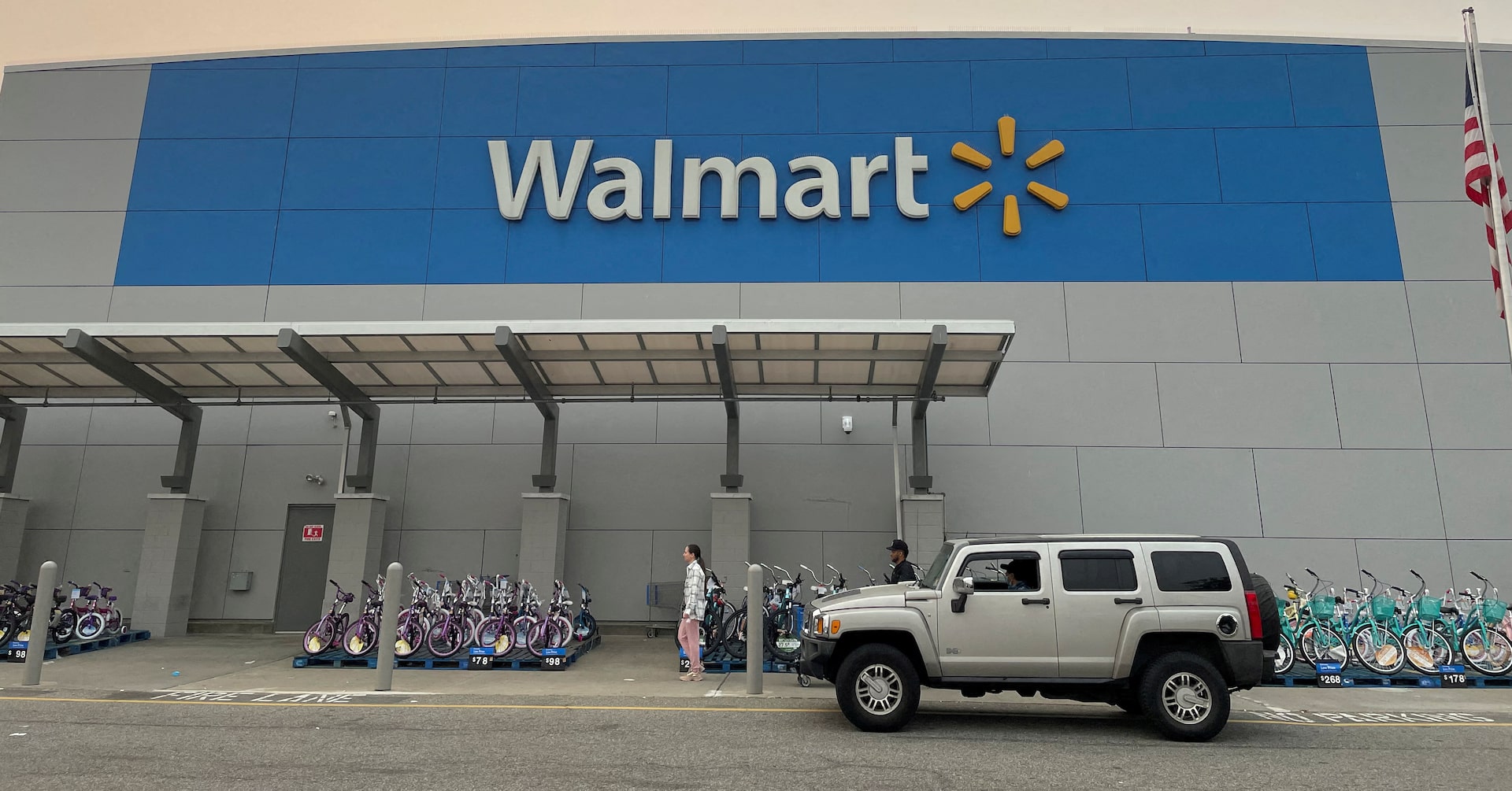
Walmart Thrives Amid Economic Challenges with Strategic Investments

- Significant Sales Growth: Walmart's sales increased by 4.7% to $174.95 billion in the fiscal year ending January 31, significantly outperforming competitors like Target, which saw a 1.7% decline, and Kroger, which remained flat, demonstrating Walmart's strong appeal during economic hardships.
- Stable Profit Margins: Despite tariff pressures, Walmart maintained an operating margin of 4.2%, attributed to its scale advantages and emerging high-margin revenue streams, such as advertising and membership fees, which accounted for 27% of operating profits, up from 9% in 2021.
- E-commerce Explosion: Walmart's online sales surged by 24% over the past year, rising from $121 billion to $150.4 billion, representing 21.3% of total sales, showcasing its robust performance in e-commerce, surpassing Amazon's 9% growth.
- Competitive Market Advantage: Walmart's 4,600 U.S. stores serve as distribution centers, giving it an edge in grocery sales over Amazon, particularly in cold chain distribution, enhancing market efficiency and customer satisfaction.
See More
Amazon Launches 30-Minute Ultra-Fast Delivery Service


- Service Expansion: Amazon's ultra-fast delivery service, Amazon Now, is now live in cities like Atlanta, Dallas-Fort Worth, Philadelphia, and Seattle, with plans to reach tens of millions of customers by year-end, significantly enhancing the company's competitive edge in the fast-moving consumer goods market.
- Pricing Structure: Prime members pay a delivery fee of $3.99, while non-members are charged $13.99, with additional fees for orders under $15, a pricing strategy designed to attract more users to join Prime, thereby increasing customer loyalty.
- Logistics Network Optimization: To achieve 30-minute delivery, Amazon has established smaller fulfillment centers close to customers, a strategy that not only improves delivery efficiency but also solidifies Amazon's market position in e-commerce.
- Positive Market Response: Since March 27, Amazon's stock has risen over 30%, reflecting investor confidence in its rapid delivery services, with analysts suggesting this will help Amazon capture a larger share of the $1.7 trillion offline grocery market.
See More
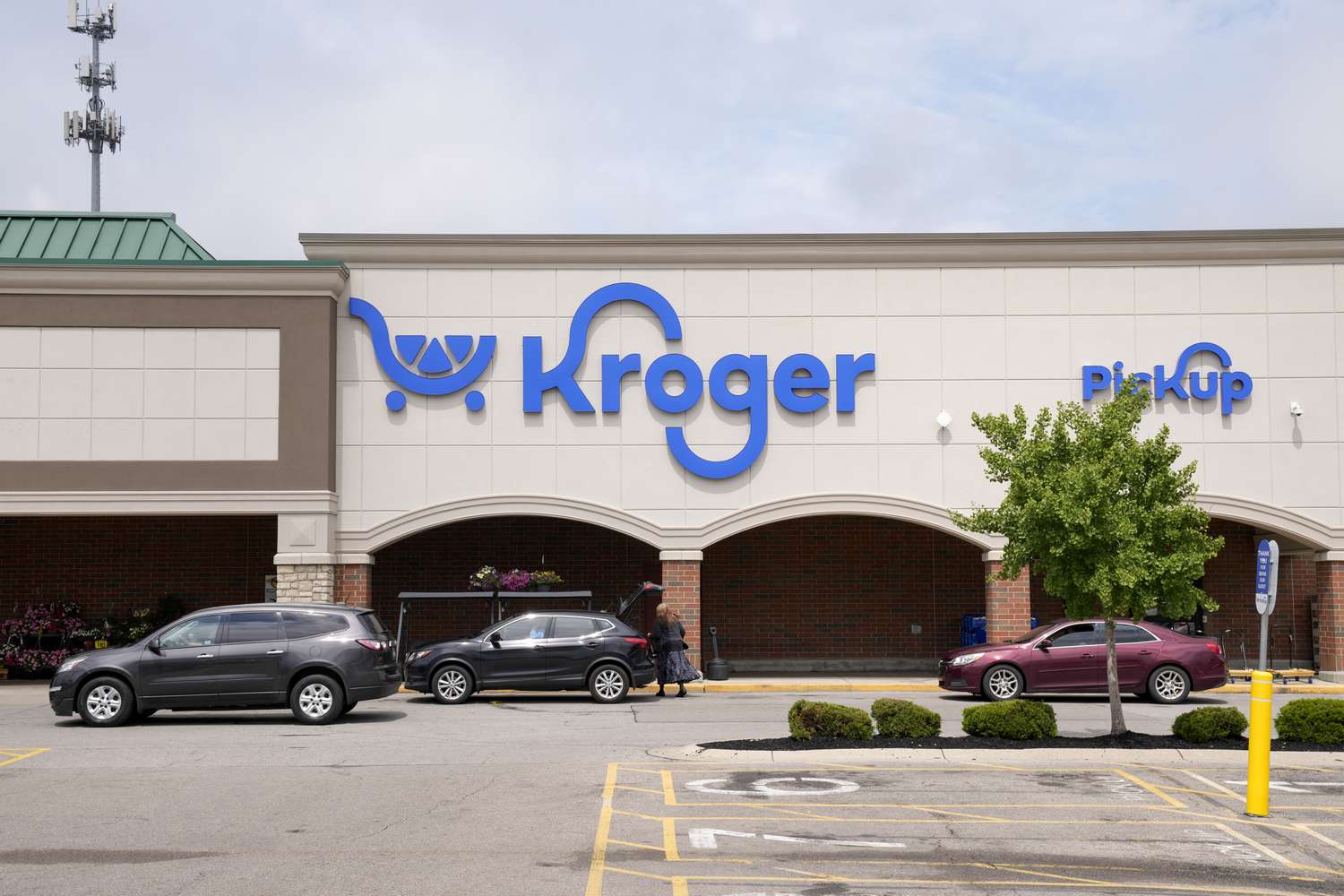
Albertsons Launches Intelligent Quality Control Tool Using Google Cloud
- Tool Launch: Albertsons Companies has introduced an Intelligent Quality Control tool that leverages Google Cloud's Gemini Enterprise platform to enhance quality inspection standards for fresh fruits and vegetables in distribution centers, ensuring customers receive consistently high-quality products.
- Increased Consistency: The AI-driven evaluations have significantly improved the consistency of quality ratings, reducing variability among different inspectors and shifts, which ensures a uniform standard and enhances customer satisfaction.
- Faster Decision-Making: The automated scoring system accelerates the inspection process, enabling distribution center teams to quickly deliver food to stores, ensuring customers consistently receive fresh, high-quality produce, thereby improving operational efficiency.
- Expanded Data Analysis: The new tool captures multiple quality metrics, providing valuable data for ongoing quality analysis and improvement, further driving the company's intelligent transformation in supply chain management.
See More
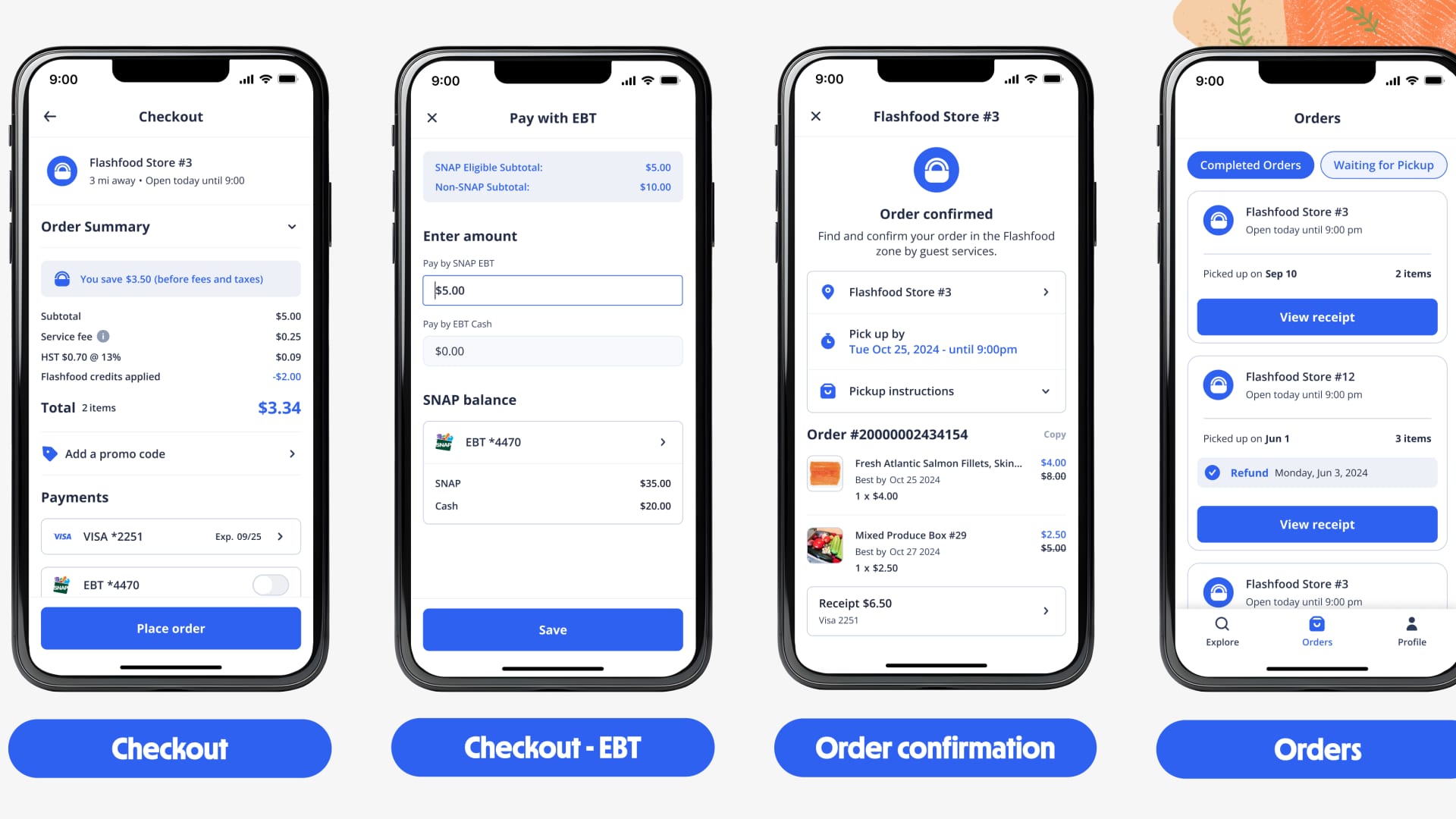
Kroger Leverages AI to Optimize Food Pricing

- AI-Driven Pricing Strategy: Kroger is utilizing AI to adjust pricing on perishable items, aiming to reduce the approximately 30% of food waste that translates to nearly $18.2 billion in losses annually, thereby enhancing profit margins and improving customer experience.
- Intensified Market Competition: With 89% of consumers seeking discounts, Kroger's Flashfood app aids grocers in dynamic pricing, expected to attract more customers and increase average shopping frequency by nearly four additional trips per month, further driving sales growth.
- Inventory Loss Reduction: Flashfood's partners have reduced shrink by an average of 27%, while also increasing customer traffic, indicating that targeted discount strategies can effectively boost sales and minimize food waste.
- Data-Driven Decision Making: Kroger leverages consumer behavior data generated by AI to optimize product pricing and inventory management, enhancing margins on fresh foods and bakery items, showcasing its leadership in data application.
See More
Albertsons Leverages AI to Reduce Food Waste
- Food Waste Issue: The USDA estimates that 30% to 40% of food is wasted annually in the U.S., resulting in an economic loss of approximately $161 billion, which significantly impacts consumer spending and poses financial challenges for retailers.
- AI Tool Implementation: Albertsons has launched an AI tool powered by Google Cloud that utilizes computer vision technology to enhance the quality inspection of fresh fruits and vegetables, with early results indicating improved consistency in product quality, particularly for perishable items.
- Operational Efficiency Gains: By comparing images against Albertsons' quality standards, the AI tool aids quality inspection teams in making more accurate assessments, thereby accelerating decision-making processes and enhancing operational efficiency and customer satisfaction, which strengthens the company's competitive position.
- Future Expansion Plans: Albertsons intends to expand the application of this AI tool to all berry products and eventually roll it out nationwide, aiming to continuously reduce food waste and improve overall product quality through technological innovation.
See More
Department Store Shares Decline 1.9% Amid Market Lag
- Market Weakness: On Thursday, department store shares collectively fell by approximately 1.9%, indicating a weak performance in the sector that could undermine investor confidence moving forward.
- Walmart's Decline: Walmart's stock dropped by about 7.8%, becoming the primary drag on the department store sector, suggesting that its performance may have fallen short of market expectations, which could adversely affect overall sales.
- PriceSmart's Slide: PriceSmart's shares decreased by around 4%, further intensifying the downward pressure on the department store sector, highlighting the potential impact of weak consumer spending on retailers.
- Uncertain Industry Outlook: With the widespread decline in department store stocks, investors should monitor upcoming economic data and consumer confidence indices to assess the recovery potential of the sector.
See More
Walmart Thrives Amid Economic Challenges with Strategic Investments
- Significant Sales Growth: Walmart's sales increased by 4.7% to $174.95 billion in the fiscal year ending January 31, significantly outperforming competitors like Target, which saw a 1.7% decline, and Kroger, which remained flat, demonstrating Walmart's strong appeal during economic hardships.
- Stable Profit Margins: Despite tariff pressures, Walmart maintained an operating margin of 4.2%, attributed to its scale advantages and emerging high-margin revenue streams, such as advertising and membership fees, which accounted for 27% of operating profits, up from 9% in 2021.
- E-commerce Explosion: Walmart's online sales surged by 24% over the past year, rising from $121 billion to $150.4 billion, representing 21.3% of total sales, showcasing its robust performance in e-commerce, surpassing Amazon's 9% growth.
- Competitive Market Advantage: Walmart's 4,600 U.S. stores serve as distribution centers, giving it an edge in grocery sales over Amazon, particularly in cold chain distribution, enhancing market efficiency and customer satisfaction.
See More
Amazon Launches 30-Minute Ultra-Fast Delivery Service
- Service Expansion: Amazon's ultra-fast delivery service, Amazon Now, is now live in cities like Atlanta, Dallas-Fort Worth, Philadelphia, and Seattle, with plans to reach tens of millions of customers by year-end, significantly enhancing the company's competitive edge in the fast-moving consumer goods market.
- Pricing Structure: Prime members pay a delivery fee of $3.99, while non-members are charged $13.99, with additional fees for orders under $15, a pricing strategy designed to attract more users to join Prime, thereby increasing customer loyalty.
- Logistics Network Optimization: To achieve 30-minute delivery, Amazon has established smaller fulfillment centers close to customers, a strategy that not only improves delivery efficiency but also solidifies Amazon's market position in e-commerce.
- Positive Market Response: Since March 27, Amazon's stock has risen over 30%, reflecting investor confidence in its rapid delivery services, with analysts suggesting this will help Amazon capture a larger share of the $1.7 trillion offline grocery market.
See More
Albertsons Launches Intelligent Quality Control Tool Using Google Cloud
- Tool Launch: Albertsons Companies has introduced an Intelligent Quality Control tool that leverages Google Cloud's Gemini Enterprise platform to enhance quality inspection standards for fresh fruits and vegetables in distribution centers, ensuring customers receive consistently high-quality products.
- Increased Consistency: The AI-driven evaluations have significantly improved the consistency of quality ratings, reducing variability among different inspectors and shifts, which ensures a uniform standard and enhances customer satisfaction.
- Faster Decision-Making: The automated scoring system accelerates the inspection process, enabling distribution center teams to quickly deliver food to stores, ensuring customers consistently receive fresh, high-quality produce, thereby improving operational efficiency.
- Expanded Data Analysis: The new tool captures multiple quality metrics, providing valuable data for ongoing quality analysis and improvement, further driving the company's intelligent transformation in supply chain management.
See More
Kroger Leverages AI to Optimize Food Pricing
- AI-Driven Pricing Strategy: Kroger is utilizing AI to adjust pricing on perishable items, aiming to reduce the approximately 30% of food waste that translates to nearly $18.2 billion in losses annually, thereby enhancing profit margins and improving customer experience.
- Intensified Market Competition: With 89% of consumers seeking discounts, Kroger's Flashfood app aids grocers in dynamic pricing, expected to attract more customers and increase average shopping frequency by nearly four additional trips per month, further driving sales growth.
- Inventory Loss Reduction: Flashfood's partners have reduced shrink by an average of 27%, while also increasing customer traffic, indicating that targeted discount strategies can effectively boost sales and minimize food waste.
- Data-Driven Decision Making: Kroger leverages consumer behavior data generated by AI to optimize product pricing and inventory management, enhancing margins on fresh foods and bakery items, showcasing its leadership in data application.
See More