Unveiling the iPhone Air: A Revolutionary New iPhone with Impressive Design
iPhone Air Features: Apple has launched the iPhone Air, the thinnest iPhone ever at 5.6mm, featuring a titanium design, a 6.5-inch Super Retina XDR display, and advanced camera systems including a 48MP Fusion Main camera and an 18MP Center Stage front camera, all while delivering remarkable all-day battery life.
Performance and Durability: Powered by the A19 Pro, N1, and C1X chips, the iPhone Air is the most power-efficient iPhone to date, with enhanced durability thanks to Ceramic Shield 2 and a titanium frame, making it resistant to scratches and cracks.
eSIM and iOS 26: The iPhone Air adopts an eSIM-only design for better security and flexibility, and it runs on iOS 26, which introduces new Apple Intelligence capabilities, including Live Translation and improved app experiences.
Pricing and Availability: The iPhone Air will be available for pre-order on September 12, starting at $999, with various storage options and colors, alongside a range of new accessories designed to complement its features.
Trade with 70% Backtested Accuracy
Analyst Views on AAPL

About AAPL
About the author


Apple's Stability Attracts Retiree Investors

- Business Stability: Apple's core business is more predictable than many tech peers, and despite a 4% year-to-date stock decline, it generates tens of billions in sales during economic downturns, reflecting strong customer loyalty and market demand.
- Diverse Revenue Streams: With over 2.5 billion active devices, Apple offers various subscription services including music and video streaming, which provide a growing source of recurring revenue, enhancing its cash flow stability and risk resilience.
- Product Line Expansion: By introducing lower-priced products like the MacBook Neo, Apple is actively expanding its user base, while plans for a competitive iPhone Fold could further increase market share, positioning the company for future growth.
- Dividend Growth Potential: Although Apple's dividend yield is only 0.4%, its 82.5% growth over the past decade and a conservative 15.6% cash payout ratio indicate the company has room for further increases, making it attractive for retirees seeking stable income.
Apple Achieves Record Recycled Materials Usage by 2025
- Recycled Materials Usage: Apple announced that by 2025, 30% of the materials used in its products will come from recycled sources, marking the highest level in the company's history and reflecting its ongoing commitment to environmental sustainability and innovation.
- Battery Material Recycling: The company now utilizes 100% recycled cobalt and rare earth elements in all its designed batteries, showcasing significant progress in emissions reduction within its supply chain, which enhances the environmental profile of its products.
- Plastic-Free Packaging: Apple has successfully eliminated plastic from its packaging, representing a crucial milestone in its sustainability goals, which strengthens consumer trust and loyalty towards the brand.
- Environmental Promotion: As part of its Earth Day celebration, Apple is incentivizing customers to recycle eligible products by offering a 10% discount, aiming to increase customer engagement and drive further product recycling, thereby supporting its environmental strategy.

Google's Gemini AI Connects with Personal Photos via Nano Banana Tool


- Personalized Image Generation: Google announced that its Gemini AI chatbot will allow users to connect personal photos via the Nano Banana tool, enabling requests for specific images, such as a “claymation image of me and my family enjoying our favorite activity,” which enhances user experience and product appeal.
- User Opt-In Requirement: Users must opt-in to the Personal Intelligence feature to connect Google apps with Gemini and Nano Banana, with this new functionality rolling out to paid subscribers in the coming days, likely boosting subscription service growth.
- Infrastructure Challenges: The popularity of Nano Banana led to infrastructure overload when users uploaded personal photos, forcing Google to impose temporary usage limits, highlighting the feature's demand and its impact on company resources.
- Privacy and Data Usage: While Gemini does not directly train its models on users' private photo libraries, it utilizes limited information, such as specific prompts in Gemini and the model's responses, indicating Google's efforts to balance user privacy with personalized service.

Google Launches Personalized Image Generation Tool
- Personalized Image Generation: Google's newly launched Nano Banana tool allows users to connect personal photos through the Gemini AI chatbot, enabling requests for specific images, such as a “claymation image of me and my family enjoying our favorite activity,” indicating a significant move towards personalization in Google's AI products.
- User Privacy Protection: Although the Gemini app does not directly train on users' private Google Photos library, it utilizes “limited info,” such as specific prompts in Gemini and the model's responses, ensuring user privacy is maintained while enhancing personalization.
- App Popularity: Since its launch last year, Nano Banana has gained immense popularity, propelling the Gemini app to the top of Apple's App Store, dethroning OpenAI's ChatGPT, which highlights the strong demand for personalized digital avatars among users.
- Challenges of Personalization: Google noted that as personalized image generation is a brand-new experience, Gemini might not always select the exact photo or detail users had in mind on the first try, reflecting the challenges faced in delivering personalized services effectively.
TSMC and ASML Report Strong Earnings but Stocks Decline


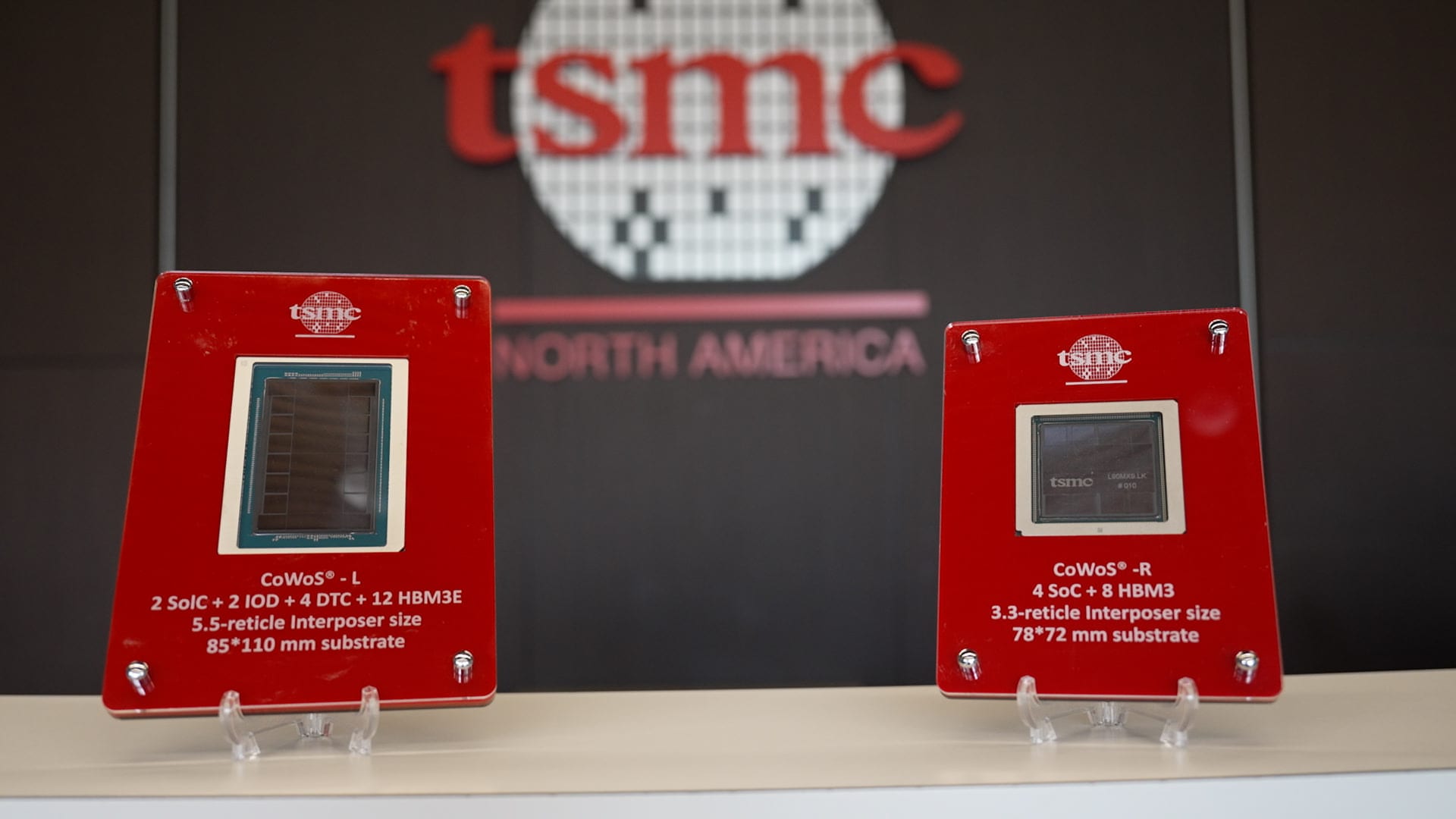
- Record Profits for TSMC: TSMC reported a 58% year-over-year profit increase in Q1, reaching a new high, indicating robust demand for AI chips; however, its stock fell about 2%, reflecting market caution regarding future expectations.
- Rising Revenue from High-Performance Computing: The high-performance computing segment accounted for 61% of TSMC's total revenue in Q1, up from 55% in the previous quarter, highlighting the company's strengthened position in the AI market, despite an 11% decline in smartphone revenue.
- ASML Delivery Expectations: ASML anticipates delivering 80 low numerical aperture EUV machines in 2027, a figure that fell short of market expectations for 90 units, leading to a 3% drop in stock price following the earnings report.
- Increased Capital Expenditure Plans: TSMC expects capital expenditures to reach $52-$56 billion in 2026, significantly up from $40.5 billion in 2025, demonstrating the company's commitment to expanding advanced chip manufacturing capacity, although the market remains cautious about achieving its targeted 30% annual growth.
TSMC and ASML Report Strong Earnings but Stocks Decline
- Strong TSMC Performance: TSMC reported a 58% year-over-year profit increase in Q1, reaching a record level driven by robust demand for AI chips, yet its stock fell about 2%, indicating market concerns over high expectations.
- Revenue Structure Shift: The high-performance computing segment accounted for 61% of TSMC's overall revenue in Q1, up from 55% in the previous quarter, despite an 11% decline in smartphone revenue, highlighting market demand diversity and challenges.
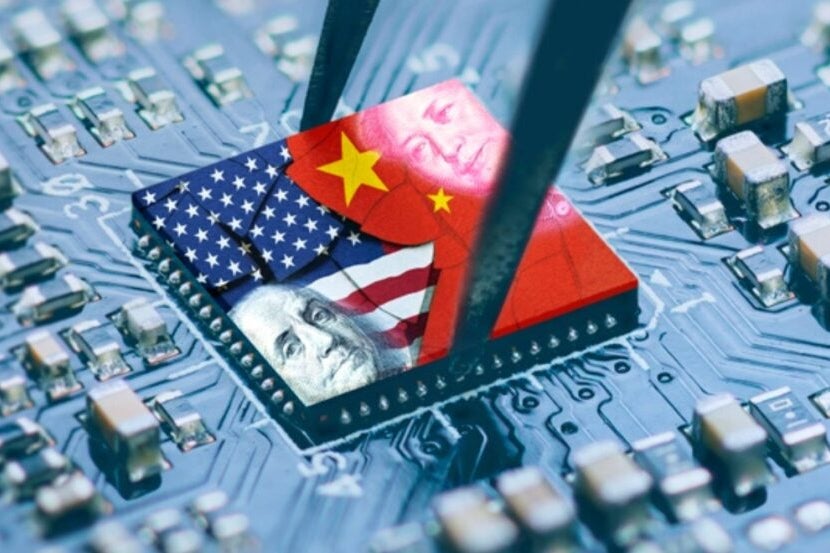
- Cautious ASML Outlook: ASML raised its forward guidance and reported strong Q1 results, but its stock declined due to concerns over shrinking sales to China, reflecting investor caution regarding future growth prospects.
- Capital Expenditure Plans: TSMC expects capital expenditures to reach $52-$56 billion in 2026, significantly up from $40.5 billion in 2025, indicating the company's commitment to expanding advanced chip manufacturing capabilities, but also raising concerns about its ability to scale capacity quickly.
Apple's Stability Attracts Retiree Investors
- Business Stability: Apple's core business is more predictable than many tech peers, and despite a 4% year-to-date stock decline, it generates tens of billions in sales during economic downturns, reflecting strong customer loyalty and market demand.
- Diverse Revenue Streams: With over 2.5 billion active devices, Apple offers various subscription services including music and video streaming, which provide a growing source of recurring revenue, enhancing its cash flow stability and risk resilience.
- Product Line Expansion: By introducing lower-priced products like the MacBook Neo, Apple is actively expanding its user base, while plans for a competitive iPhone Fold could further increase market share, positioning the company for future growth.
- Dividend Growth Potential: Although Apple's dividend yield is only 0.4%, its 82.5% growth over the past decade and a conservative 15.6% cash payout ratio indicate the company has room for further increases, making it attractive for retirees seeking stable income.
Apple Achieves Record Recycled Materials Usage by 2025
- Recycled Materials Usage: Apple announced that by 2025, 30% of the materials used in its products will come from recycled sources, marking the highest level in the company's history and reflecting its ongoing commitment to environmental sustainability and innovation.
- Battery Material Recycling: The company now utilizes 100% recycled cobalt and rare earth elements in all its designed batteries, showcasing significant progress in emissions reduction within its supply chain, which enhances the environmental profile of its products.
- Plastic-Free Packaging: Apple has successfully eliminated plastic from its packaging, representing a crucial milestone in its sustainability goals, which strengthens consumer trust and loyalty towards the brand.
- Environmental Promotion: As part of its Earth Day celebration, Apple is incentivizing customers to recycle eligible products by offering a 10% discount, aiming to increase customer engagement and drive further product recycling, thereby supporting its environmental strategy.
Google's Gemini AI Connects with Personal Photos via Nano Banana Tool
- Personalized Image Generation: Google announced that its Gemini AI chatbot will allow users to connect personal photos via the Nano Banana tool, enabling requests for specific images, such as a “claymation image of me and my family enjoying our favorite activity,” which enhances user experience and product appeal.
- User Opt-In Requirement: Users must opt-in to the Personal Intelligence feature to connect Google apps with Gemini and Nano Banana, with this new functionality rolling out to paid subscribers in the coming days, likely boosting subscription service growth.
- Infrastructure Challenges: The popularity of Nano Banana led to infrastructure overload when users uploaded personal photos, forcing Google to impose temporary usage limits, highlighting the feature's demand and its impact on company resources.
- Privacy and Data Usage: While Gemini does not directly train its models on users' private photo libraries, it utilizes limited information, such as specific prompts in Gemini and the model's responses, indicating Google's efforts to balance user privacy with personalized service.
Google Launches Personalized Image Generation Tool
- Personalized Image Generation: Google's newly launched Nano Banana tool allows users to connect personal photos through the Gemini AI chatbot, enabling requests for specific images, such as a “claymation image of me and my family enjoying our favorite activity,” indicating a significant move towards personalization in Google's AI products.
- User Privacy Protection: Although the Gemini app does not directly train on users' private Google Photos library, it utilizes “limited info,” such as specific prompts in Gemini and the model's responses, ensuring user privacy is maintained while enhancing personalization.
- App Popularity: Since its launch last year, Nano Banana has gained immense popularity, propelling the Gemini app to the top of Apple's App Store, dethroning OpenAI's ChatGPT, which highlights the strong demand for personalized digital avatars among users.
- Challenges of Personalization: Google noted that as personalized image generation is a brand-new experience, Gemini might not always select the exact photo or detail users had in mind on the first try, reflecting the challenges faced in delivering personalized services effectively.
TSMC and ASML Report Strong Earnings but Stocks Decline
- Record Profits for TSMC: TSMC reported a 58% year-over-year profit increase in Q1, reaching a new high, indicating robust demand for AI chips; however, its stock fell about 2%, reflecting market caution regarding future expectations.
- Rising Revenue from High-Performance Computing: The high-performance computing segment accounted for 61% of TSMC's total revenue in Q1, up from 55% in the previous quarter, highlighting the company's strengthened position in the AI market, despite an 11% decline in smartphone revenue.
- ASML Delivery Expectations: ASML anticipates delivering 80 low numerical aperture EUV machines in 2027, a figure that fell short of market expectations for 90 units, leading to a 3% drop in stock price following the earnings report.
- Increased Capital Expenditure Plans: TSMC expects capital expenditures to reach $52-$56 billion in 2026, significantly up from $40.5 billion in 2025, demonstrating the company's commitment to expanding advanced chip manufacturing capacity, although the market remains cautious about achieving its targeted 30% annual growth.
TSMC and ASML Report Strong Earnings but Stocks Decline
- Strong TSMC Performance: TSMC reported a 58% year-over-year profit increase in Q1, reaching a record level driven by robust demand for AI chips, yet its stock fell about 2%, indicating market concerns over high expectations.
- Revenue Structure Shift: The high-performance computing segment accounted for 61% of TSMC's overall revenue in Q1, up from 55% in the previous quarter, despite an 11% decline in smartphone revenue, highlighting market demand diversity and challenges.
- Cautious ASML Outlook: ASML raised its forward guidance and reported strong Q1 results, but its stock declined due to concerns over shrinking sales to China, reflecting investor caution regarding future growth prospects.
- Capital Expenditure Plans: TSMC expects capital expenditures to reach $52-$56 billion in 2026, significantly up from $40.5 billion in 2025, indicating the company's commitment to expanding advanced chip manufacturing capabilities, but also raising concerns about its ability to scale capacity quickly.