UK Government Allows Airlines to Consolidate Flights Amid Fuel Crisis
Written by Emily J. Thompson, Senior Investment Analyst
Updated: 1 hour ago
0mins
Should l Buy RYAAY?
Source: CNBC
- Flight Consolidation Policy: The UK government plans to temporarily allow airlines to consolidate passengers onto fewer flights during the summer holiday season to mitigate last-minute cancellations caused by rising jet fuel costs due to the Iran war.
- Surging Fuel Prices: Since the outbreak of the Middle Eastern conflict on February 28, jet fuel prices have surged to $179 per barrel, significantly higher than pre-war averages, creating acute logistical challenges for European airlines.
- Airlines' Strategic Adjustments: The government stated that airlines could consolidate schedules on routes with multiple flights on the same day and return some take-off and landing slots without penalty, enabling better planning and reducing passenger inconvenience from flight changes.
- Positive Industry Response: Despite the challenges, UK airlines continue to operate normally, with the CEO of Airlines UK confirming no current jet fuel supply issues, demonstrating the industry's resilience and adaptability in the face of rising costs.
Trade with 70% Backtested Accuracy
Stop guessing "Should I Buy RYAAY?" and start using high-conviction signals backed by rigorous historical data.
Sign up today to access powerful investing tools and make smarter, data-driven decisions.
Analyst Views on RYAAY
Wall Street analysts forecast RYAAY stock price to rise
0 Analyst Rating
0 Buy
0 Hold
0 Sell
Current: 54.650

Low
Averages
High
Current: 54.650
Low
Averages
High
About RYAAY
Ryanair Holdings PLC is the leading airline group by passenger numbers in Europe. The company employs a low-cost no-frills model to offer low fares to leisure customers on short-haul intra-European routes. In 2020, the most recent pre-pandemic fiscal year, the company carried 149 million passengers, utilizing a fleet of 467 Boeing 737 aircraft across its 1,800 routes. To keep costs low the company serves predominantly lower-cost secondary airports. The company generated sales of EUR 8.5 billion in fiscal 2020.
About the author

Emily J. Thompson
Emily J. Thompson, a Chartered Financial Analyst (CFA) with 12 years in investment research, graduated with honors from the Wharton School. Specializing in industrial and technology stocks, she provides in-depth analysis for Intellectia’s earnings and market brief reports.
UK Government Allows Airlines to Consolidate Flights Amid Fuel Crisis

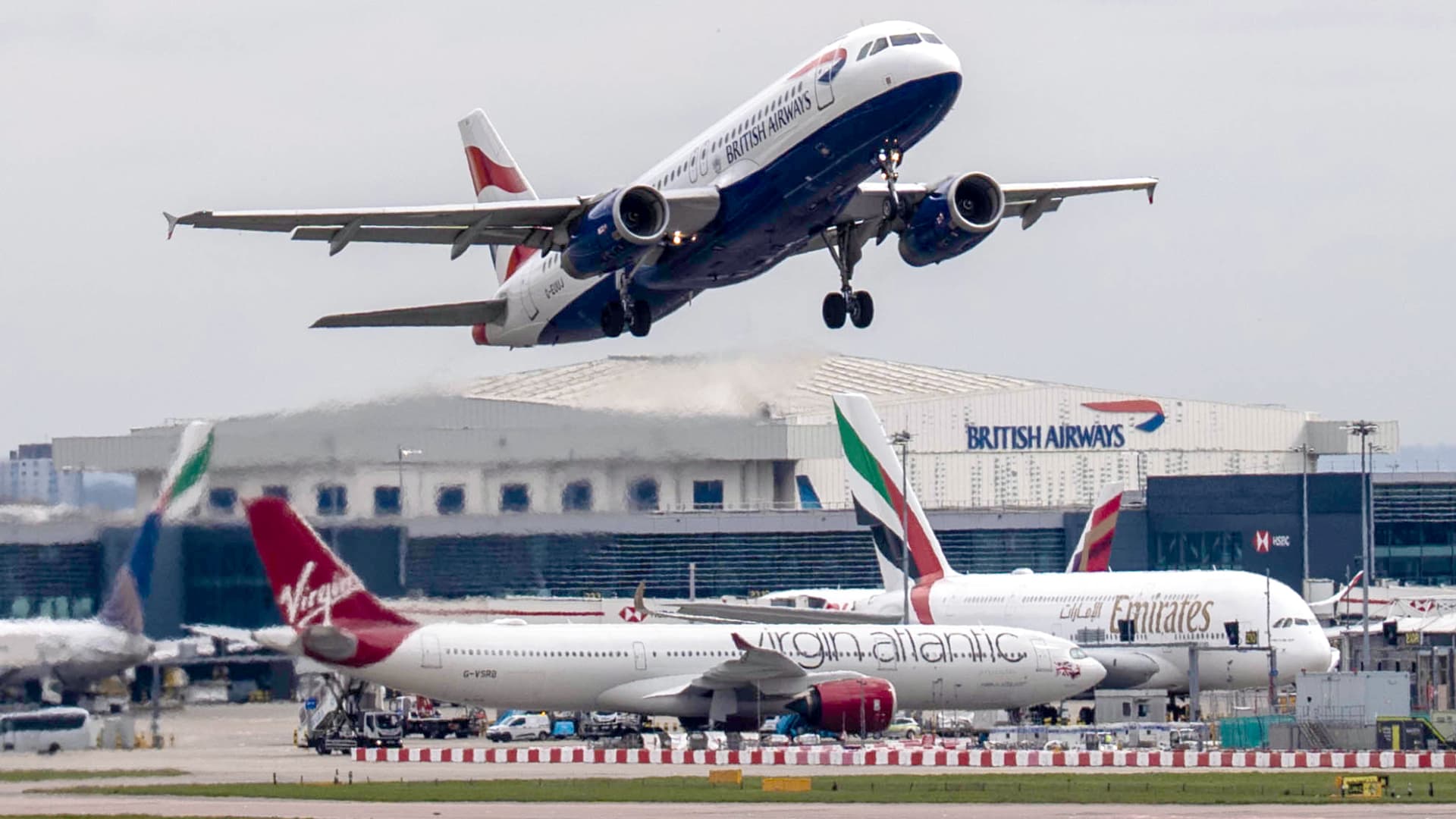
- Flight Consolidation Policy: The UK government plans to temporarily allow airlines to consolidate passengers onto fewer flights during the summer holiday season to mitigate last-minute cancellations caused by rising jet fuel costs due to the Iran war.
- Surging Fuel Prices: Since the outbreak of the Middle Eastern conflict on February 28, jet fuel prices have surged to $179 per barrel, significantly higher than pre-war averages, creating acute logistical challenges for European airlines.
- Airlines' Strategic Adjustments: The government stated that airlines could consolidate schedules on routes with multiple flights on the same day and return some take-off and landing slots without penalty, enabling better planning and reducing passenger inconvenience from flight changes.
- Positive Industry Response: Despite the challenges, UK airlines continue to operate normally, with the CEO of Airlines UK confirming no current jet fuel supply issues, demonstrating the industry's resilience and adaptability in the face of rising costs.
See More

German Stock Market Hit Hard by New COVID Variant Concerns


- Market Reaction: The German stock market has faced a significant blow due to concerns over a new COVID variant emerging in South Africa, leading to a sharp decline in major indices and reflecting investor anxiety about a potential resurgence of the pandemic.
- Holiday Impact: With most global stock markets closed for Labor Day, trading volumes have plummeted, particularly in Asia where markets in Hong Kong and the mainland remained shut, exacerbating market uncertainty.
- Economic Outlook: Despite the European Central Bank and Bank of England holding rates steady, expectations for future rate hikes have risen, with traders pricing in a 75% chance of an ECB hike in June, which could impact investor confidence moving forward.
- Industry Dynamics: In the U.S., Apple has issued a better-than-expected revenue forecast, showcasing strong sales and earnings, which may positively influence global markets, particularly in the tech sector.
See More
Market Volatility Amidst Surging Oil Prices
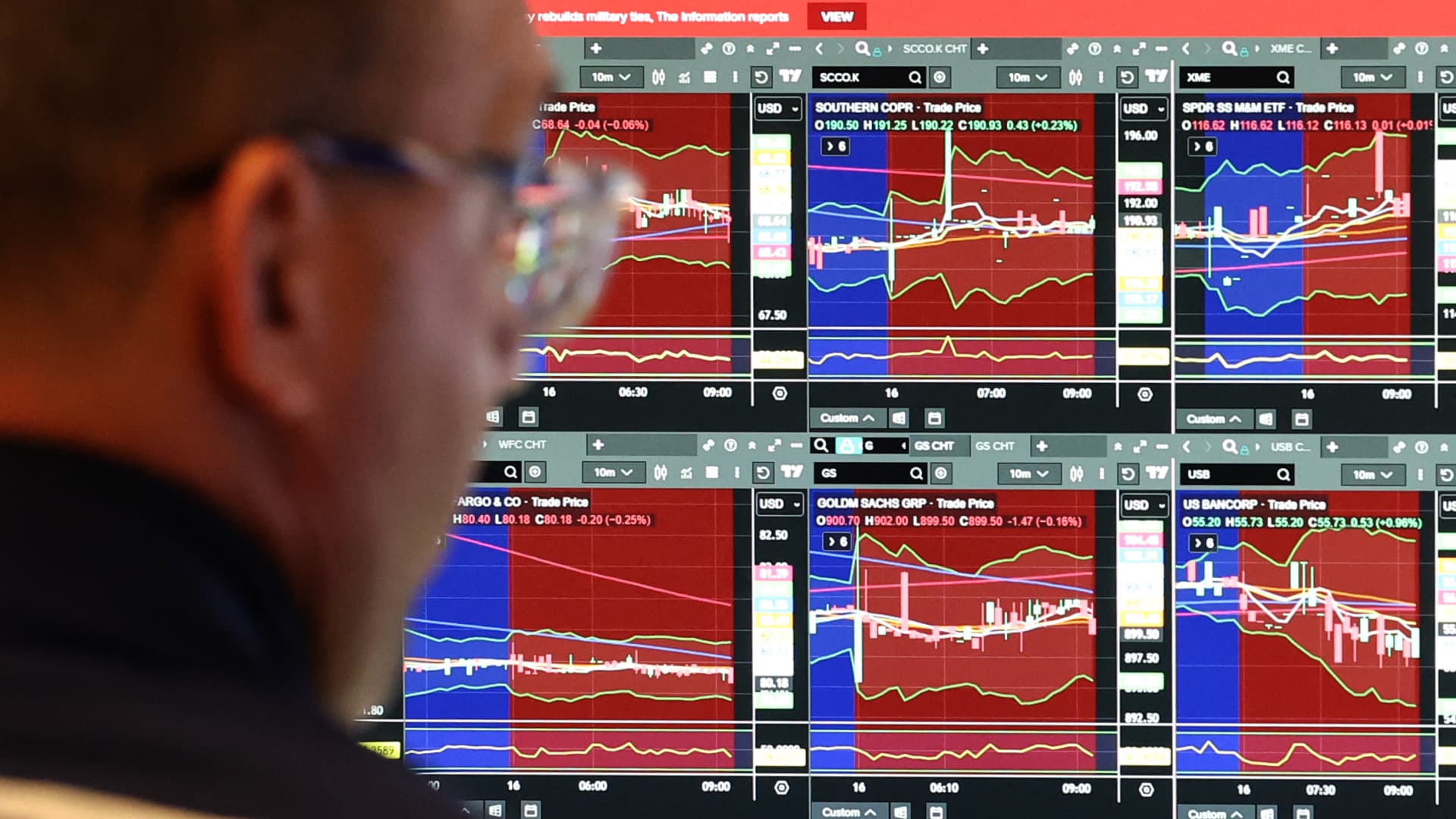
- Surging Oil Prices: Brent crude has reached wartime highs, raising investor concerns about the potential resumption of armed conflict, which could negatively impact global economic recovery and market stability.
- Market Decline: Asian markets are down across the board, with futures indicating similar losses in the U.S. and Europe, despite the S&P 500 being on track for its best month since 2020, highlighting market fragility amidst volatility.
- Central Bank Policies: The Bank of England and European Central Bank are set to announce interest rate decisions today, with economists predicting both will hold rates steady at 3.75% and 2% respectively, in response to inflationary pressures and uncertainty.
- Corporate Earnings: Major banks including Standard Chartered, BNP Paribas, and Societe Generale have all exceeded profit expectations, demonstrating resilience in the financial sector that may provide support for the broader market.
See More
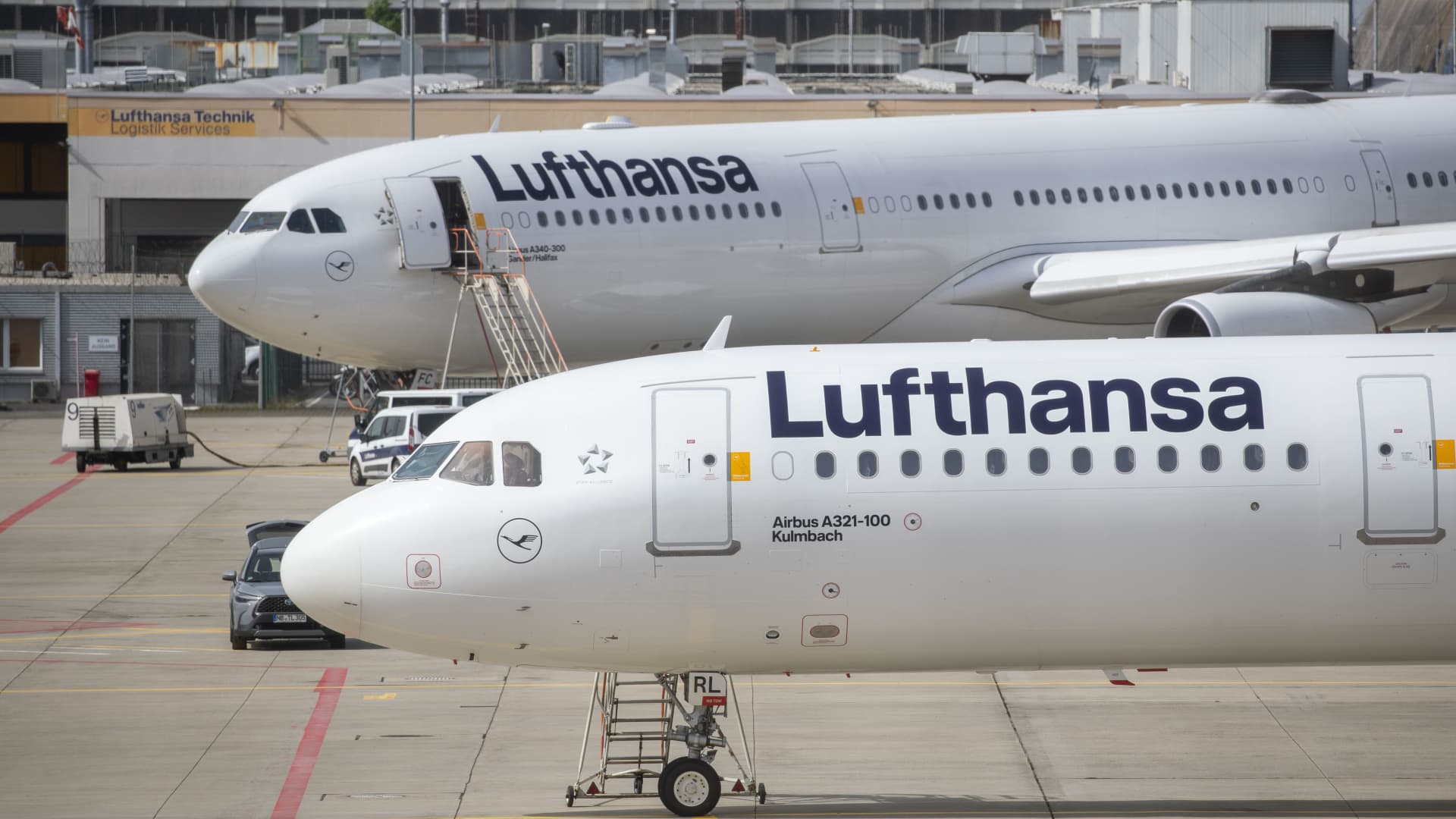
Europe's Airline Industry Faces Jet Fuel Supply Crisis

- Fuel Supply Crisis: The ongoing conflict in the Middle East has severely disrupted Europe's daily jet fuel demand of approximately 1.6 million barrels, with imports from the region, which typically account for two-thirds of supply, nearly halted, forcing airlines to compete fiercely for every cargo and driving prices higher.
- U.S. as a Key Supplier: U.S. jet fuel exports soared to a record 442,000 barrels per day in early April, about 200,000 barrels above the five-year average, while Europe’s imports from the U.S. have surged to 200,000 barrels daily, still leaving a 53% shortfall from Middle Eastern supplies.
- Airlines' Response Strategies: Lufthansa has canceled around 20,000 flights to save over 40,000 metric tons of jet fuel and expects to maintain a
See More
UAE's OPEC Exit Sends Shockwaves Through Markets
- UAE Exits OPEC: The UAE announced its exit from OPEC effective May 1, with the Energy Minister stating a desire for more freedom to achieve a capacity goal of 5 million barrels per day by 2027, a move that could prompt other members to follow suit and weaken OPEC's influence.
- Muted Market Reaction: Despite the significant news of the UAE's departure, oil prices remain stable, and both Asian stocks and European futures show relatively muted performance, indicating a cautious market response to the announcement.
- Strong European Banking Performance: UBS reported a first-quarter profit of $3 billion, exceeding expectations, while Santander's profit surged by 60%, and Deutsche Bank also beat bottom-line forecasts, highlighting a robust recovery in the European banking sector.
- Airline Industry Crisis Warning: Ryanair's CEO warned that European airlines could face bankruptcy if jet fuel prices do not decline, reflecting the industry's concerns over rising operational costs.
See More
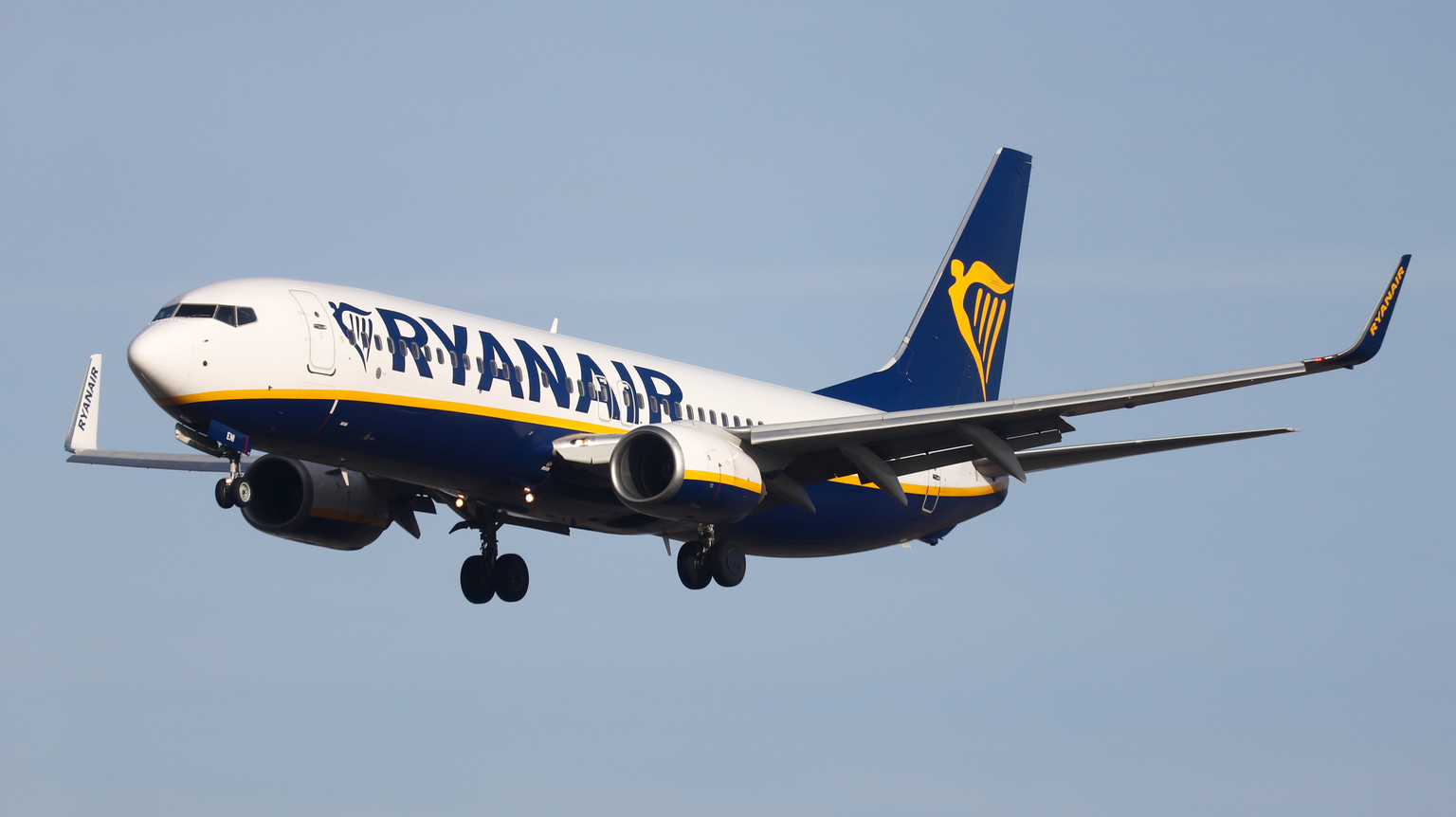
Ryanair CEO Less Concerned About Jet Fuel Shortages Amid U.S.-Iran Conflict
- Reduced Fuel Supply Concerns: Ryanair CEO Michael O'Leary expressed at a conference in Norway that his worries about potential jet fuel shortages in Europe have diminished due to the U.S.-Iran conflict, with oil companies indicating low risk of supply disruptions until June, reflecting a recovery in market confidence.
- Increased Production Alleviates Pressure: O'Leary noted that rising oil production from regions such as Norway, the U.S., and North Africa is compensating for shipment disruptions from the Persian Gulf, which helps stabilize the market and reduce the likelihood of fuel price volatility.
- Ticket Price Increase Expectations: Despite the reduced supply risks, O'Leary warned that airline ticket prices may still rise this summer due to ongoing uncertainties surrounding the conflict, which could impact consumer travel costs and potentially suppress demand.
- Market Confidence Recovery: Ryanair's optimistic outlook reflects the airline industry's confidence in future fuel supply, as companies actively adjust strategies to navigate market changes despite geopolitical risks.
See More
UK Government Allows Airlines to Consolidate Flights Amid Fuel Crisis
- Flight Consolidation Policy: The UK government plans to temporarily allow airlines to consolidate passengers onto fewer flights during the summer holiday season to mitigate last-minute cancellations caused by rising jet fuel costs due to the Iran war.
- Surging Fuel Prices: Since the outbreak of the Middle Eastern conflict on February 28, jet fuel prices have surged to $179 per barrel, significantly higher than pre-war averages, creating acute logistical challenges for European airlines.
- Airlines' Strategic Adjustments: The government stated that airlines could consolidate schedules on routes with multiple flights on the same day and return some take-off and landing slots without penalty, enabling better planning and reducing passenger inconvenience from flight changes.
- Positive Industry Response: Despite the challenges, UK airlines continue to operate normally, with the CEO of Airlines UK confirming no current jet fuel supply issues, demonstrating the industry's resilience and adaptability in the face of rising costs.
See More
German Stock Market Hit Hard by New COVID Variant Concerns
- Market Reaction: The German stock market has faced a significant blow due to concerns over a new COVID variant emerging in South Africa, leading to a sharp decline in major indices and reflecting investor anxiety about a potential resurgence of the pandemic.
- Holiday Impact: With most global stock markets closed for Labor Day, trading volumes have plummeted, particularly in Asia where markets in Hong Kong and the mainland remained shut, exacerbating market uncertainty.
- Economic Outlook: Despite the European Central Bank and Bank of England holding rates steady, expectations for future rate hikes have risen, with traders pricing in a 75% chance of an ECB hike in June, which could impact investor confidence moving forward.
- Industry Dynamics: In the U.S., Apple has issued a better-than-expected revenue forecast, showcasing strong sales and earnings, which may positively influence global markets, particularly in the tech sector.
See More
Market Volatility Amidst Surging Oil Prices
- Surging Oil Prices: Brent crude has reached wartime highs, raising investor concerns about the potential resumption of armed conflict, which could negatively impact global economic recovery and market stability.
- Market Decline: Asian markets are down across the board, with futures indicating similar losses in the U.S. and Europe, despite the S&P 500 being on track for its best month since 2020, highlighting market fragility amidst volatility.
- Central Bank Policies: The Bank of England and European Central Bank are set to announce interest rate decisions today, with economists predicting both will hold rates steady at 3.75% and 2% respectively, in response to inflationary pressures and uncertainty.
- Corporate Earnings: Major banks including Standard Chartered, BNP Paribas, and Societe Generale have all exceeded profit expectations, demonstrating resilience in the financial sector that may provide support for the broader market.
See More
Europe's Airline Industry Faces Jet Fuel Supply Crisis
- Fuel Supply Crisis: The ongoing conflict in the Middle East has severely disrupted Europe's daily jet fuel demand of approximately 1.6 million barrels, with imports from the region, which typically account for two-thirds of supply, nearly halted, forcing airlines to compete fiercely for every cargo and driving prices higher.
- U.S. as a Key Supplier: U.S. jet fuel exports soared to a record 442,000 barrels per day in early April, about 200,000 barrels above the five-year average, while Europe’s imports from the U.S. have surged to 200,000 barrels daily, still leaving a 53% shortfall from Middle Eastern supplies.
- Airlines' Response Strategies: Lufthansa has canceled around 20,000 flights to save over 40,000 metric tons of jet fuel and expects to maintain a
See More
UAE's OPEC Exit Sends Shockwaves Through Markets
- UAE Exits OPEC: The UAE announced its exit from OPEC effective May 1, with the Energy Minister stating a desire for more freedom to achieve a capacity goal of 5 million barrels per day by 2027, a move that could prompt other members to follow suit and weaken OPEC's influence.
- Muted Market Reaction: Despite the significant news of the UAE's departure, oil prices remain stable, and both Asian stocks and European futures show relatively muted performance, indicating a cautious market response to the announcement.
- Strong European Banking Performance: UBS reported a first-quarter profit of $3 billion, exceeding expectations, while Santander's profit surged by 60%, and Deutsche Bank also beat bottom-line forecasts, highlighting a robust recovery in the European banking sector.
- Airline Industry Crisis Warning: Ryanair's CEO warned that European airlines could face bankruptcy if jet fuel prices do not decline, reflecting the industry's concerns over rising operational costs.
See More
Ryanair CEO Less Concerned About Jet Fuel Shortages Amid U.S.-Iran Conflict
- Reduced Fuel Supply Concerns: Ryanair CEO Michael O'Leary expressed at a conference in Norway that his worries about potential jet fuel shortages in Europe have diminished due to the U.S.-Iran conflict, with oil companies indicating low risk of supply disruptions until June, reflecting a recovery in market confidence.
- Increased Production Alleviates Pressure: O'Leary noted that rising oil production from regions such as Norway, the U.S., and North Africa is compensating for shipment disruptions from the Persian Gulf, which helps stabilize the market and reduce the likelihood of fuel price volatility.
- Ticket Price Increase Expectations: Despite the reduced supply risks, O'Leary warned that airline ticket prices may still rise this summer due to ongoing uncertainties surrounding the conflict, which could impact consumer travel costs and potentially suppress demand.
- Market Confidence Recovery: Ryanair's optimistic outlook reflects the airline industry's confidence in future fuel supply, as companies actively adjust strategies to navigate market changes despite geopolitical risks.
See More