Vertical Aerospace Faces Funding Pressure and Market Challenges
Written by Emily J. Thompson, Senior Investment Analyst
Updated: May 03 2026
0mins

Source: Fool
- Stock Volatility: Vertical Aerospace's share price closed at $4.31 the day before Trump's reelection, surged to $15.50 due to market enthusiasm, but has since declined, indicating investor concerns about its future viability.
- Industry Support: Despite the Trump administration's commitment to bolster the U.S. drone industry, Vertical Aerospace, being a UK-based company, has not benefited significantly, highlighting its disadvantage in the international market.
- Certification Progress: The VX4 electric vertical takeoff and landing aircraft successfully completed a flight test in the UK, with expectations to achieve certification in both the UK and EU by 2028, although more tests are required to ensure compliance.
- Financial Condition: The company currently holds $314 million in cash but is burning $112 million annually, and has recently announced an additional $300 million in debt, which could dilute existing shareholders by up to 50% if converted to common stock.
Trade with 70% Backtested Accuracy
Stop guessing "Should I Buy EVTL?" and start using high-conviction signals backed by rigorous historical data.
Sign up today to access powerful investing tools and make smarter, data-driven decisions.
Analyst Views on EVTL
Wall Street analysts forecast EVTL stock price to rise
5 Analyst Rating
5 Buy
0 Hold
0 Sell
Strong Buy
Current: 2.810

Low
11.00
Averages
12.33
High
15.00
Current: 2.810
Low
11.00
Averages
12.33
High
15.00
About EVTL
Vertical Aerospace Ltd. is a United Kingdom-based global aerospace and technology company, focused on electric aviation. The Company is focused on designing, manufacturing, and selling a zero-operating emission Electric Vertical Take-Off and Landing (eVTOL) aircraft for use in the advanced air mobility market. It is developing, and is progressing towards the certification of, its eVTOL, the VX4, which has undergone the first stages of its flight test campaign. Its VX4 is a piloted, four-passenger eVTOL aircraft, with zero operating emissions and traveling distances of up to 100 miles and achieving cruise speeds of 150 miles per hour. It is also developing a hybrid-electric variant, offering increased range and mission flexibility to meet the evolving needs of the advanced air mobility market. It aims to sell globally certified eVTOL aircraft to a variety of customers, as well as providing both original equipment manufacturers (OEM) sales and aftermarket services to its customers.
About the author

Emily J. Thompson
Emily J. Thompson, a Chartered Financial Analyst (CFA) with 12 years in investment research, graduated with honors from the Wharton School. Specializing in industrial and technology stocks, she provides in-depth analysis for Intellectia’s earnings and market brief reports.
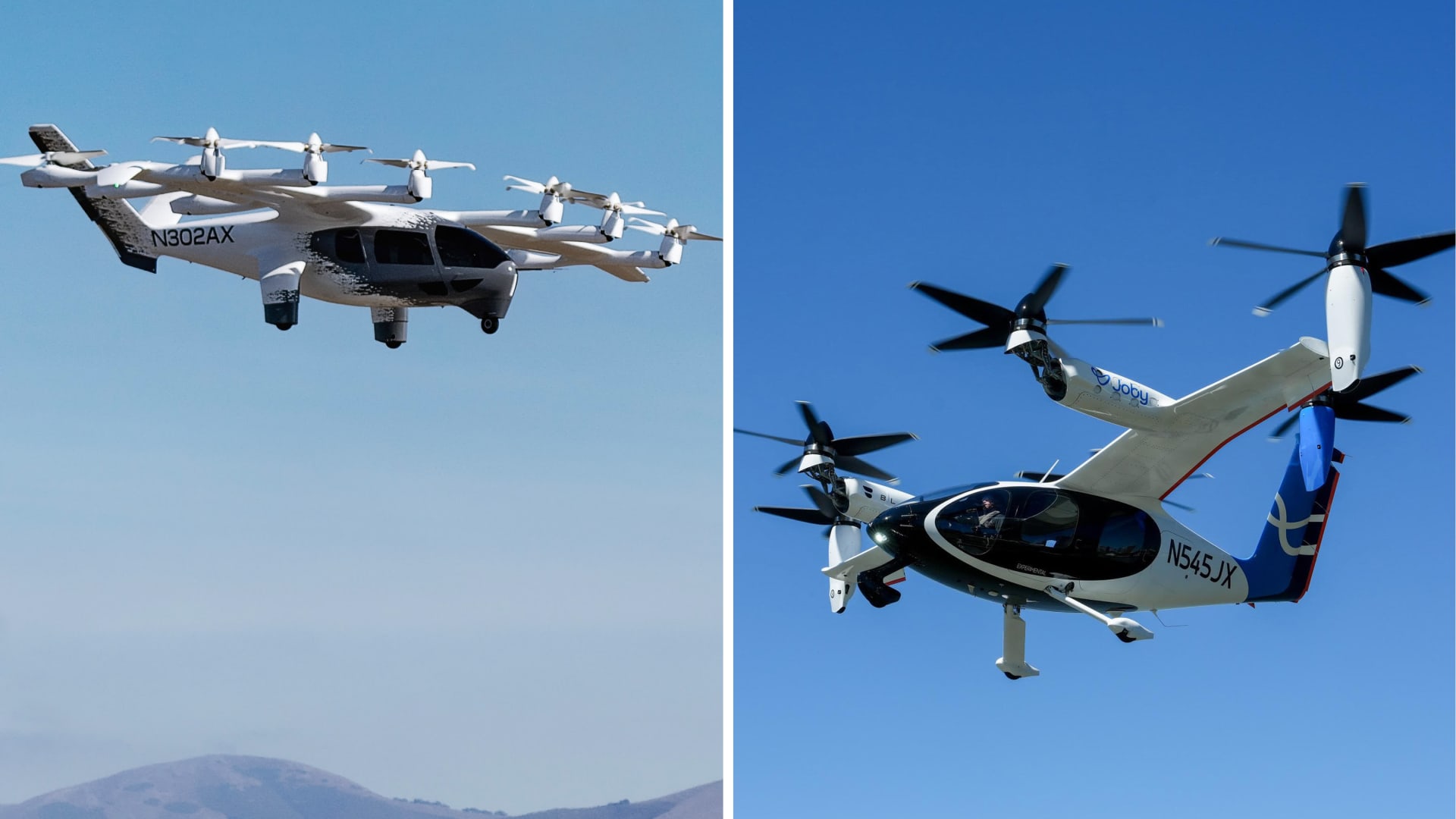
Legal Battles Hinder U.S. eVTOL Industry Progress
- Legal Disputes Impact Development: Joby Aviation's lawsuit against Archer for corporate espionage has led to declining investor confidence in the eVTOL sector, with Archer's stock down 9% this year and losing over a third of its value, indicating the negative impact of legal issues on market sentiment.
- Certification Delays: Despite the Trump administration's eVTOL Integration Pilot Program aimed at accelerating industry growth, ongoing legal battles threaten to prolong certification timelines and increase costs, as warned by H2 Advisors' Mike Hirschberg, which could hinder overall industry progress.
- Intensifying Market Competition: Archer's patent infringement lawsuit against Vertical Aerospace is ongoing, with Vertical claiming the lawsuit is
See More

eVTOL Industry Faces Legal Challenges Amid Certification Delays
- Escalating Legal Disputes: Legal battles among Joby, Archer, and Vertical are intensifying, potentially derailing their certification processes and investor confidence, leading to decreased interest in the electric vertical takeoff and landing (eVTOL) market.
- Stock Price Declines: Archer's stock has dropped 9% this year, losing over a third of its value in the past year, while Vertical has plummeted nearly 58%, and Joby's stock has fallen nearly 7% this year after a 60% surge, indicating a lack of market confidence in the sector.
- Certification Delays: Despite support from Trump's eVTOL Integration Pilot Program, certification timelines are being pushed back due to legal disputes, increasing costs and potentially impacting the overall development of the industry.
- Uncertain Industry Outlook: As multiple eVTOL manufacturers face legal challenges, industry experts warn investors to prepare for a long-term investment, emphasizing that product quality matters more than certification timelines, suggesting that future market competition will be more intense.
See More
Hyundai WIA to Supply Lightweight Landing Gear for Valo Aircraft
- Strategic Partnership: Hyundai WIA has entered a long-term partnership with Vertical Aerospace to supply a bespoke landing gear system for the Valo electric vertical take-off and landing aircraft, further strengthening Vertical's supplier ecosystem as it advances toward certification and scaled production.
- Technical Support and Design: Hyundai WIA will take full responsibility for the design and production of the Valo landing gear, with Stirling Dynamics as a key design partner, leveraging over 30 years of experience in certified aircraft programs to ensure high safety standards and performance.
- Supply Chain Integration: This agreement marks a significant step for Vertical in securing key suppliers across major aircraft systems, including Honeywell and Aciturri, thereby establishing a world-class aerospace supply chain that lays the groundwork for future scaled production.
- Market Outlook and Orders: Vertical Aerospace has secured approximately 1,500 pre-orders for Valo, with customers across four continents, including American Airlines and Japan Airlines, indicating strong demand and growth potential in the advanced air mobility market.
See More
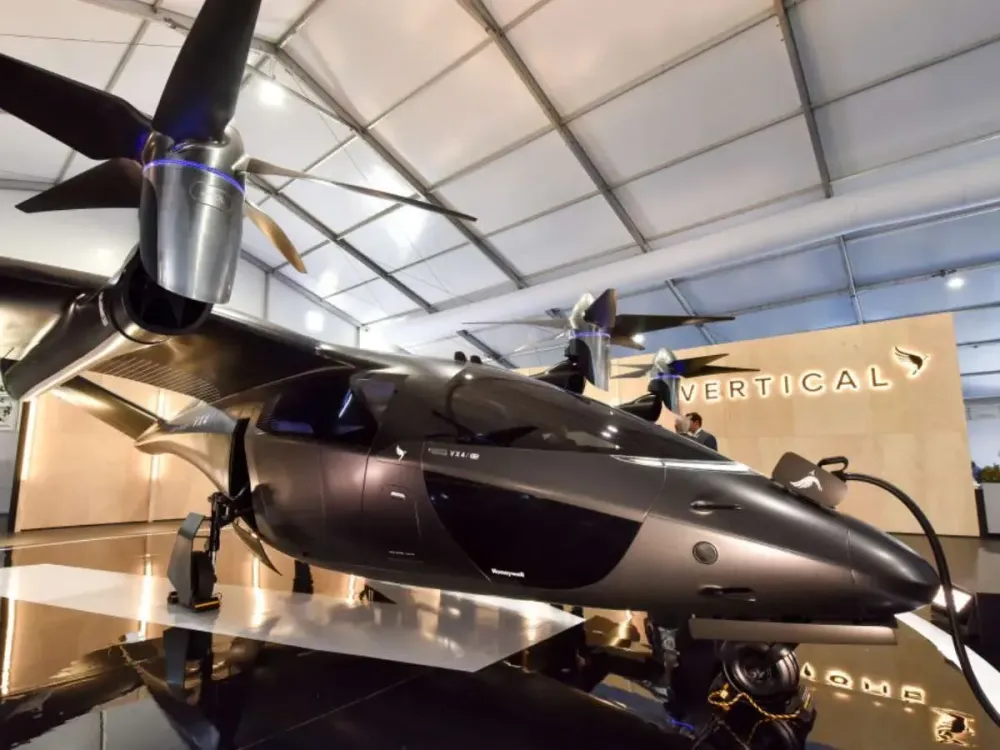
Vertical Aerospace Advances Hybrid Propulsion System Testing
- Hybrid System Integration Testing: Vertical Aerospace has commenced integration testing for its next-generation hybrid propulsion system while producing its first all-electric Valo battery on the updated assembly line, marking a significant advancement in its hybrid program.
- Range Ambitions: The company aims to achieve a range of up to 1,000 miles with its hybrid variant, a tenfold increase from its all-electric aircraft, while also planning to boost payload capacity to 1,100 kilograms, enhancing its competitive edge in both civil and defense applications.
- HYPER Engine Ground Testing: The company has initiated ground testing for its next-generation hybrid-electric propulsion system at its Flight Test Centre in Cotswold Airport, representing a major milestone after over two years of development focused on integrating sustainable aviation fuel-compatible gas turbines.
- Battery Production Milestone: Vertical has successfully produced its first proprietary battery at the upgraded Vertical Energy Centre assembly line, which will undergo rigorous testing to support aircraft certification, despite the stock having declined over 58% this year.
See More
Vertical Aerospace Begins Testing Next-Gen Hybrid-Electric System
- Hybrid-Electric System Testing: Vertical Aerospace has commenced testing its next-generation hybrid-electric propulsion system at its Flight Test Centre in Cotswold Airport, marking a significant milestone after over two years of development, which is expected to enhance its competitiveness in both civil and defense applications.
- Battery Production Milestone: The company has produced its first all-electric Valo battery on an upgraded assembly line at the Vertical Energy Centre, with the new 15,000 sq ft facility utilizing automated aerospace-grade manufacturing processes aimed at improving efficiency and consistency while supporting future certification and production scaling.
- Technology Integration and Partnerships: Vertical Aerospace is collaborating with several partners to develop a sustainable aviation fuel-compatible gas turbine, which will be integrated into a prototype hybrid-electric Valo aircraft, significantly enhancing range and payload capacity while improving market adaptability for future variants.
- Market Outlook and Pre-Orders: Vertical Aerospace has secured approximately 1,500 pre-orders for Valo, with customers across four continents including American Airlines and Japan Airlines, indicating strong market demand for its electric vertical take-off and landing aircraft, further solidifying its leadership position in the advanced air mobility sector.
See More

Archer Aviation Stock Continues to Decline Amid Liquidity Concerns


- Stock Decline: Archer Aviation's stock closed at $5.92 on Monday, down 2.15%, reflecting investor concerns over liquidity and execution risks, resulting in a 41% decline since its IPO.
- Surge in Trading Volume: The trading volume reached 56.2 million shares, approximately 78% above the three-month average of 31.6 million shares, indicating increased market attention but potentially exacerbating price volatility.
- Cash Burn Risk: Despite exceeding analyst expectations in last week's Q1 results, Archer's staggering $700 million annual cash burn raises investor concerns, with current liquidity at $1.8 billion and an urgent need for FAA certification.
- Regulatory Progress: This month, Archer completed the third of four FAA certification phases, bringing it closer to launching commercial operations in the U.S., yet the ability to conduct test flights and secure regulatory approval will be crucial for any stock price recovery.
See More
Legal Battles Hinder U.S. eVTOL Industry Progress
- Legal Disputes Impact Development: Joby Aviation's lawsuit against Archer for corporate espionage has led to declining investor confidence in the eVTOL sector, with Archer's stock down 9% this year and losing over a third of its value, indicating the negative impact of legal issues on market sentiment.
- Certification Delays: Despite the Trump administration's eVTOL Integration Pilot Program aimed at accelerating industry growth, ongoing legal battles threaten to prolong certification timelines and increase costs, as warned by H2 Advisors' Mike Hirschberg, which could hinder overall industry progress.
- Intensifying Market Competition: Archer's patent infringement lawsuit against Vertical Aerospace is ongoing, with Vertical claiming the lawsuit is
See More
eVTOL Industry Faces Legal Challenges Amid Certification Delays
- Escalating Legal Disputes: Legal battles among Joby, Archer, and Vertical are intensifying, potentially derailing their certification processes and investor confidence, leading to decreased interest in the electric vertical takeoff and landing (eVTOL) market.
- Stock Price Declines: Archer's stock has dropped 9% this year, losing over a third of its value in the past year, while Vertical has plummeted nearly 58%, and Joby's stock has fallen nearly 7% this year after a 60% surge, indicating a lack of market confidence in the sector.
- Certification Delays: Despite support from Trump's eVTOL Integration Pilot Program, certification timelines are being pushed back due to legal disputes, increasing costs and potentially impacting the overall development of the industry.
- Uncertain Industry Outlook: As multiple eVTOL manufacturers face legal challenges, industry experts warn investors to prepare for a long-term investment, emphasizing that product quality matters more than certification timelines, suggesting that future market competition will be more intense.
See More
Hyundai WIA to Supply Lightweight Landing Gear for Valo Aircraft
- Strategic Partnership: Hyundai WIA has entered a long-term partnership with Vertical Aerospace to supply a bespoke landing gear system for the Valo electric vertical take-off and landing aircraft, further strengthening Vertical's supplier ecosystem as it advances toward certification and scaled production.
- Technical Support and Design: Hyundai WIA will take full responsibility for the design and production of the Valo landing gear, with Stirling Dynamics as a key design partner, leveraging over 30 years of experience in certified aircraft programs to ensure high safety standards and performance.
- Supply Chain Integration: This agreement marks a significant step for Vertical in securing key suppliers across major aircraft systems, including Honeywell and Aciturri, thereby establishing a world-class aerospace supply chain that lays the groundwork for future scaled production.
- Market Outlook and Orders: Vertical Aerospace has secured approximately 1,500 pre-orders for Valo, with customers across four continents, including American Airlines and Japan Airlines, indicating strong demand and growth potential in the advanced air mobility market.
See More
Vertical Aerospace Advances Hybrid Propulsion System Testing
- Hybrid System Integration Testing: Vertical Aerospace has commenced integration testing for its next-generation hybrid propulsion system while producing its first all-electric Valo battery on the updated assembly line, marking a significant advancement in its hybrid program.
- Range Ambitions: The company aims to achieve a range of up to 1,000 miles with its hybrid variant, a tenfold increase from its all-electric aircraft, while also planning to boost payload capacity to 1,100 kilograms, enhancing its competitive edge in both civil and defense applications.
- HYPER Engine Ground Testing: The company has initiated ground testing for its next-generation hybrid-electric propulsion system at its Flight Test Centre in Cotswold Airport, representing a major milestone after over two years of development focused on integrating sustainable aviation fuel-compatible gas turbines.
- Battery Production Milestone: Vertical has successfully produced its first proprietary battery at the upgraded Vertical Energy Centre assembly line, which will undergo rigorous testing to support aircraft certification, despite the stock having declined over 58% this year.
See More
Vertical Aerospace Begins Testing Next-Gen Hybrid-Electric System
- Hybrid-Electric System Testing: Vertical Aerospace has commenced testing its next-generation hybrid-electric propulsion system at its Flight Test Centre in Cotswold Airport, marking a significant milestone after over two years of development, which is expected to enhance its competitiveness in both civil and defense applications.
- Battery Production Milestone: The company has produced its first all-electric Valo battery on an upgraded assembly line at the Vertical Energy Centre, with the new 15,000 sq ft facility utilizing automated aerospace-grade manufacturing processes aimed at improving efficiency and consistency while supporting future certification and production scaling.
- Technology Integration and Partnerships: Vertical Aerospace is collaborating with several partners to develop a sustainable aviation fuel-compatible gas turbine, which will be integrated into a prototype hybrid-electric Valo aircraft, significantly enhancing range and payload capacity while improving market adaptability for future variants.
- Market Outlook and Pre-Orders: Vertical Aerospace has secured approximately 1,500 pre-orders for Valo, with customers across four continents including American Airlines and Japan Airlines, indicating strong market demand for its electric vertical take-off and landing aircraft, further solidifying its leadership position in the advanced air mobility sector.
See More
Archer Aviation Stock Continues to Decline Amid Liquidity Concerns
- Stock Decline: Archer Aviation's stock closed at $5.92 on Monday, down 2.15%, reflecting investor concerns over liquidity and execution risks, resulting in a 41% decline since its IPO.
- Surge in Trading Volume: The trading volume reached 56.2 million shares, approximately 78% above the three-month average of 31.6 million shares, indicating increased market attention but potentially exacerbating price volatility.
- Cash Burn Risk: Despite exceeding analyst expectations in last week's Q1 results, Archer's staggering $700 million annual cash burn raises investor concerns, with current liquidity at $1.8 billion and an urgent need for FAA certification.
- Regulatory Progress: This month, Archer completed the third of four FAA certification phases, bringing it closer to launching commercial operations in the U.S., yet the ability to conduct test flights and secure regulatory approval will be crucial for any stock price recovery.
See More