UGG Brand Revives Fluff Yeah Line for Spring Campaign
Written by Emily J. Thompson, Senior Investment Analyst
Updated: Mar 23 2026
0mins
Should l Buy DECK?
Source: seekingalpha
- Limited Release Event: UGG is hosting a two-day pop-up in Venice Beach to promote the limited release of the Fluff Yeah line, aiming to attract consumer attention and enhance brand visibility.
- Product Design Features: The Fluff Yeah line combines the comfort of slippers with the open design of sandals, featuring a plush sheepskin upper, sheepskin insole, and sheepskin-wrapped midsole, ensuring versatility for indoor and outdoor wear to meet diverse consumer needs.
- Sustained Market Demand: Despite the discontinuation of the Fluff Yeah line in 2022, analyst Janine Stichter noted that consumer search interest remains strong, indicating ongoing demand for the style and potential revival opportunities for the brand.
- Positive Sales Trends: UGG's credit card data showed a positive inflection in December and has continued to improve year-to-date, demonstrating the brand's enhanced direct-to-consumer sales capabilities during the spring selling season, even as Deckers' stock has declined by 3.1% year-to-date.
Trade with 70% Backtested Accuracy
Stop guessing "Should I Buy DECK?" and start using high-conviction signals backed by rigorous historical data.
Sign up today to access powerful investing tools and make smarter, data-driven decisions.
Analyst Views on DECK
Wall Street analysts forecast DECK stock price to rise
20 Analyst Rating
8 Buy
9 Hold
3 Sell
Hold
Current: 100.090

Low
90.00
Averages
124.00
High
161.00
Current: 100.090
Low
90.00
Averages
124.00
High
161.00
About DECK
Deckers Outdoor Corporation designs, markets, and distributes footwear, apparel, and accessories developed for both everyday casual lifestyle use and high-performance activities. Its segments include UGG brand, HOKA brand and Other brands. The UGG brand segment provides premium footwear, apparel and accessories. The HOKA brand segment’s products include running, trail, hiking, fitness, and lifestyle footwear offerings, as well as select apparel and accessories. Its Other brands segment consists of Teva brand, AHNU brand, and Koolaburra brand. Its Teva brand includes a variety of footwear options, from classic sandals and shoes to boots. The Koolaburra brand is a casual footwear fashion line that uses plush materials. Its AHNU brand’s footwear products fuse high-performance technology for everyday wear. Its portfolio of brands includes UGG, HOKA, Teva, and AHNU. It sells its products through domestic and international retailers and international distributors in its wholesale channel.
About the author

Emily J. Thompson
Emily J. Thompson, a Chartered Financial Analyst (CFA) with 12 years in investment research, graduated with honors from the Wharton School. Specializing in industrial and technology stocks, she provides in-depth analysis for Intellectia’s earnings and market brief reports.
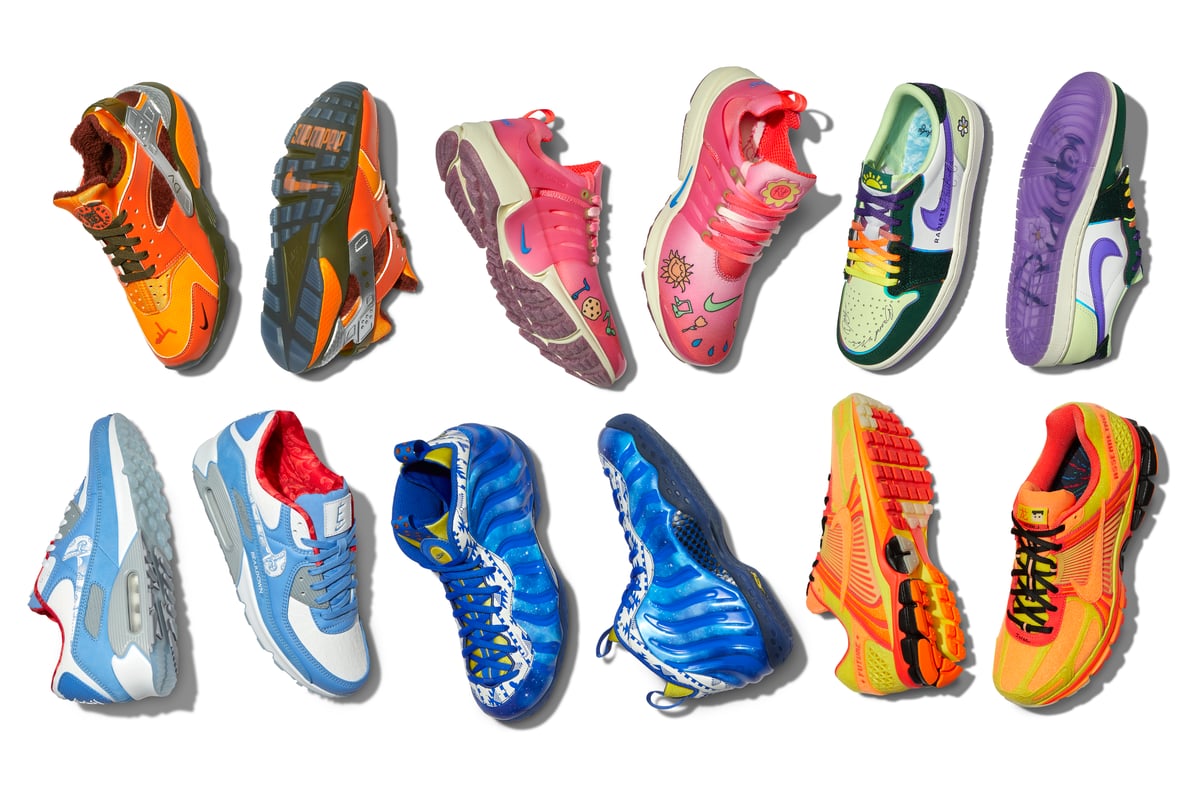
Nike's Earnings Fall Short of Expectations, Stock Plummets


- Earnings Performance: Nike's Q3 revenue remained flat at $11.28 billion, down 3% in constant currency, slightly exceeding the market expectation of $11.23 billion; however, the overall performance failed to boost market confidence, leading to a 9% drop in after-hours trading, hovering near an eight-year low.
- Gross Margin Decline: Gross margin fell by 130 basis points to 40.2%, primarily due to tariffs in North America, while selling, general, and administrative expenses rose 2% to $3.98 billion, resulting in a 23% decline in operating income to $635 million, reflecting pressure on the company's cost control efforts.
- Inventory Clearance Strategy: Management indicated that efforts to clear excess inventory of classic styles are expected to reduce revenue by over $4 billion, with this strategy causing a five-point headwind on revenue in the quarter, highlighting the lengthy road ahead for Nike's turnaround.
- Cautious Future Outlook: Management forecasts a revenue decline of 2%-4% in Q4, with growth in North America but continued declines in China and Converse, casting a dim overall outlook; investors should monitor the target for gross margin recovery in Q2 FY2027, as failure to achieve this may significantly impact Nike's turnaround plans.
See More

Nike Reports Flat Revenue and Declining Profits Amidst Tariff Pressures
- Flat Financial Performance: Nike reported revenue of $11.28 billion, down 3% in constant currency, slightly above the market expectation of $11.23 billion; however, the overall performance failed to excite investors, leading to a 9% drop in after-hours trading, hovering near an eight-year low.
- Declining Gross Margin: Gross margin fell by 130 basis points to 40.2%, primarily due to tariff impacts in North America, while selling, general, and administrative expenses rose 2% to $3.98 billion, resulting in a 23% decline in operating income to $635 million, reflecting challenges in cost management.
- Inventory Clearance Strategy: Management indicated that efforts to clear excess inventory of classic styles negatively impacted revenue by five percentage points this quarter, with expectations of reducing over $4 billion in revenue from classic footwear franchises, highlighting difficulties in Nike's turnaround process.
- Cautious Future Outlook: Nike anticipates a revenue decline of 2%-4% in the fourth quarter; while North America shows growth, ongoing declines in China and Converse cast a shadow on the overall outlook, with management projecting a return to gross margin growth only by Q2 2027, disappointing investors.
See More

Nike's Dividend Yield Surpasses 3%, Attracting Attention
- Dividend Yield Increase: Nike's current dividend yield stands at 3.2%, primarily driven by a decline in stock price post-pandemic rather than dividend hikes, indicating the company's resilience in adversity.
- Profit Decline Pressure: Nike's stock has plummeted 71% from its all-time high in 2021 and continues to slide due to global economic turmoil and rising oil prices, with profits expected to fall further, impacting investor confidence.
- Management Change and Strategic Shift: New CEO Elliott Hill has been working to rectify the missteps of former CEO John Donahoe for the past 18 months, and despite macroeconomic challenges, Nike has achieved modest growth in its running category, suggesting potential recovery.
- Future Outlook and Market Reaction: Analysts expect Nike's Q3 revenue to decline by 0.4% to $11.2 billion, with earnings per share dropping from $0.54 to $0.28; however, this low bar may provide an opportunity for rebound, with investor focus on future guidance and commentary.
See More

Nike Stock Decline Offers Dividend Opportunities Amid Market Turmoil
- Stock Price Impact: Nike (NKE) has seen its stock price plummet 71% from its all-time high in 2021, with its dividend yield rising to 3.2% primarily due to this decline rather than dividend increases, which poses potential risks for investors amid market volatility.
- Management Changes: CEO Elliott Hill has been working to rectify the mistakes of former CEO John Donahoe for the past year and a half, particularly by rebuilding relationships with key retail partners after an overemphasis on digital and direct-to-consumer strategies.
- Financial Outlook Challenges: While Nike has returned to growth in its running category and achieved modest revenue growth over the last two quarters, profits are expected to continue declining due to pressures from inventory clearance and investments in innovation.
- Market Reaction Expectations: Nike is set to report its third-quarter earnings on March 31, with analysts forecasting a 0.4% revenue decline to $11.2 billion; despite these disappointing figures, they provide a low bar for the company, and investor focus will likely be on future guidance and commentary.
See More
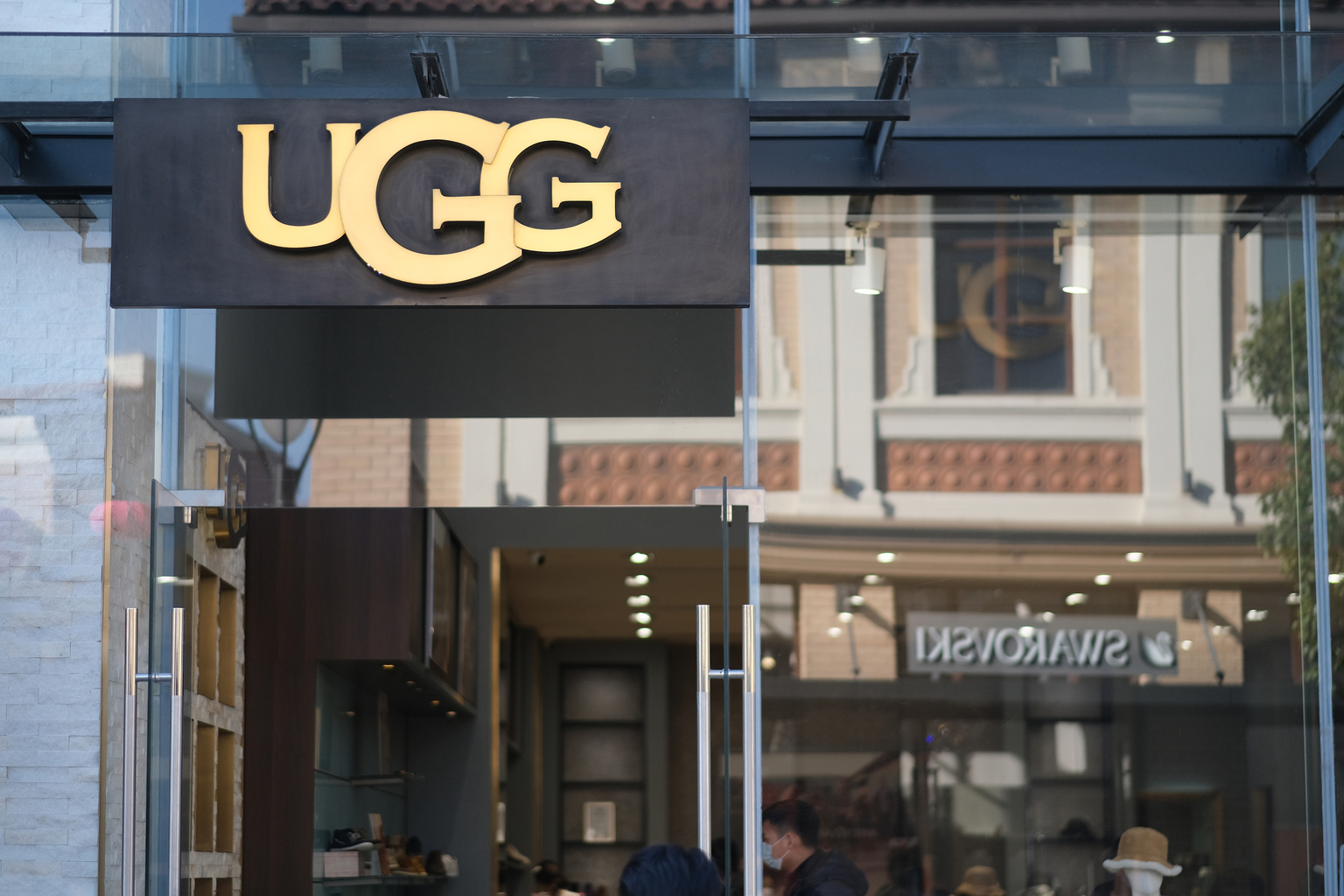
UGG Brand Revives Fluff Yeah Line for Spring Campaign
- Limited Release Event: UGG is hosting a two-day pop-up in Venice Beach to promote the limited release of the Fluff Yeah line, aiming to attract consumer attention and enhance brand visibility.
- Product Design Features: The Fluff Yeah line combines the comfort of slippers with the open design of sandals, featuring a plush sheepskin upper, sheepskin insole, and sheepskin-wrapped midsole, ensuring versatility for indoor and outdoor wear to meet diverse consumer needs.
- Sustained Market Demand: Despite the discontinuation of the Fluff Yeah line in 2022, analyst Janine Stichter noted that consumer search interest remains strong, indicating ongoing demand for the style and potential revival opportunities for the brand.
- Positive Sales Trends: UGG's credit card data showed a positive inflection in December and has continued to improve year-to-date, demonstrating the brand's enhanced direct-to-consumer sales capabilities during the spring selling season, even as Deckers' stock has declined by 3.1% year-to-date.
See More

TJX and Deckers: Potential Stock Analysis

- Strong Performance by TJX: TJX Companies has established dominance in the retail and home goods sectors, with its stock doubling over the past five years and achieving an average annual return of nearly 18.5%, alongside a dividend yield exceeding 1%, indicating stability and appeal across economic cycles.
- Significant Sales Growth: TJX's latest earnings report revealed a 5% year-over-year increase in comparable sales, significantly surpassing expectations, which indicates that consumers are shopping more frequently and purchasing more products from its brands, thereby enhancing the company's market competitiveness.
- Potential Rebound for Deckers Outdoor: Despite a 17% decline in stock price over the past 12 months, Deckers Outdoor has achieved an impressive 84% gain over the last five years, reflecting solid fundamentals, particularly with high international demand for its HOKA and UGG brands.
- Attractive Valuation: With a trailing P/E ratio of 14.2, Deckers' stock is trading well below its five-year average of 23.4 and at its lowest value in four years, suggesting that the stock may be undervalued and worth a closer look by investors.
See More
Nike's Earnings Fall Short of Expectations, Stock Plummets
- Earnings Performance: Nike's Q3 revenue remained flat at $11.28 billion, down 3% in constant currency, slightly exceeding the market expectation of $11.23 billion; however, the overall performance failed to boost market confidence, leading to a 9% drop in after-hours trading, hovering near an eight-year low.
- Gross Margin Decline: Gross margin fell by 130 basis points to 40.2%, primarily due to tariffs in North America, while selling, general, and administrative expenses rose 2% to $3.98 billion, resulting in a 23% decline in operating income to $635 million, reflecting pressure on the company's cost control efforts.
- Inventory Clearance Strategy: Management indicated that efforts to clear excess inventory of classic styles are expected to reduce revenue by over $4 billion, with this strategy causing a five-point headwind on revenue in the quarter, highlighting the lengthy road ahead for Nike's turnaround.
- Cautious Future Outlook: Management forecasts a revenue decline of 2%-4% in Q4, with growth in North America but continued declines in China and Converse, casting a dim overall outlook; investors should monitor the target for gross margin recovery in Q2 FY2027, as failure to achieve this may significantly impact Nike's turnaround plans.
See More
Nike Reports Flat Revenue and Declining Profits Amidst Tariff Pressures
- Flat Financial Performance: Nike reported revenue of $11.28 billion, down 3% in constant currency, slightly above the market expectation of $11.23 billion; however, the overall performance failed to excite investors, leading to a 9% drop in after-hours trading, hovering near an eight-year low.
- Declining Gross Margin: Gross margin fell by 130 basis points to 40.2%, primarily due to tariff impacts in North America, while selling, general, and administrative expenses rose 2% to $3.98 billion, resulting in a 23% decline in operating income to $635 million, reflecting challenges in cost management.
- Inventory Clearance Strategy: Management indicated that efforts to clear excess inventory of classic styles negatively impacted revenue by five percentage points this quarter, with expectations of reducing over $4 billion in revenue from classic footwear franchises, highlighting difficulties in Nike's turnaround process.
- Cautious Future Outlook: Nike anticipates a revenue decline of 2%-4% in the fourth quarter; while North America shows growth, ongoing declines in China and Converse cast a shadow on the overall outlook, with management projecting a return to gross margin growth only by Q2 2027, disappointing investors.
See More
Nike's Dividend Yield Surpasses 3%, Attracting Attention
- Dividend Yield Increase: Nike's current dividend yield stands at 3.2%, primarily driven by a decline in stock price post-pandemic rather than dividend hikes, indicating the company's resilience in adversity.
- Profit Decline Pressure: Nike's stock has plummeted 71% from its all-time high in 2021 and continues to slide due to global economic turmoil and rising oil prices, with profits expected to fall further, impacting investor confidence.
- Management Change and Strategic Shift: New CEO Elliott Hill has been working to rectify the missteps of former CEO John Donahoe for the past 18 months, and despite macroeconomic challenges, Nike has achieved modest growth in its running category, suggesting potential recovery.
- Future Outlook and Market Reaction: Analysts expect Nike's Q3 revenue to decline by 0.4% to $11.2 billion, with earnings per share dropping from $0.54 to $0.28; however, this low bar may provide an opportunity for rebound, with investor focus on future guidance and commentary.
See More
Nike Stock Decline Offers Dividend Opportunities Amid Market Turmoil
- Stock Price Impact: Nike (NKE) has seen its stock price plummet 71% from its all-time high in 2021, with its dividend yield rising to 3.2% primarily due to this decline rather than dividend increases, which poses potential risks for investors amid market volatility.
- Management Changes: CEO Elliott Hill has been working to rectify the mistakes of former CEO John Donahoe for the past year and a half, particularly by rebuilding relationships with key retail partners after an overemphasis on digital and direct-to-consumer strategies.
- Financial Outlook Challenges: While Nike has returned to growth in its running category and achieved modest revenue growth over the last two quarters, profits are expected to continue declining due to pressures from inventory clearance and investments in innovation.
- Market Reaction Expectations: Nike is set to report its third-quarter earnings on March 31, with analysts forecasting a 0.4% revenue decline to $11.2 billion; despite these disappointing figures, they provide a low bar for the company, and investor focus will likely be on future guidance and commentary.
See More
UGG Brand Revives Fluff Yeah Line for Spring Campaign
- Limited Release Event: UGG is hosting a two-day pop-up in Venice Beach to promote the limited release of the Fluff Yeah line, aiming to attract consumer attention and enhance brand visibility.
- Product Design Features: The Fluff Yeah line combines the comfort of slippers with the open design of sandals, featuring a plush sheepskin upper, sheepskin insole, and sheepskin-wrapped midsole, ensuring versatility for indoor and outdoor wear to meet diverse consumer needs.
- Sustained Market Demand: Despite the discontinuation of the Fluff Yeah line in 2022, analyst Janine Stichter noted that consumer search interest remains strong, indicating ongoing demand for the style and potential revival opportunities for the brand.
- Positive Sales Trends: UGG's credit card data showed a positive inflection in December and has continued to improve year-to-date, demonstrating the brand's enhanced direct-to-consumer sales capabilities during the spring selling season, even as Deckers' stock has declined by 3.1% year-to-date.
See More
TJX and Deckers: Potential Stock Analysis
- Strong Performance by TJX: TJX Companies has established dominance in the retail and home goods sectors, with its stock doubling over the past five years and achieving an average annual return of nearly 18.5%, alongside a dividend yield exceeding 1%, indicating stability and appeal across economic cycles.
- Significant Sales Growth: TJX's latest earnings report revealed a 5% year-over-year increase in comparable sales, significantly surpassing expectations, which indicates that consumers are shopping more frequently and purchasing more products from its brands, thereby enhancing the company's market competitiveness.
- Potential Rebound for Deckers Outdoor: Despite a 17% decline in stock price over the past 12 months, Deckers Outdoor has achieved an impressive 84% gain over the last five years, reflecting solid fundamentals, particularly with high international demand for its HOKA and UGG brands.
- Attractive Valuation: With a trailing P/E ratio of 14.2, Deckers' stock is trading well below its five-year average of 23.4 and at its lowest value in four years, suggesting that the stock may be undervalued and worth a closer look by investors.
See More