UBS Upgrades Ford to Buy Rating, Sees Strong EPS Growth Potential
- Earnings Growth Potential: UBS analyst Joseph Spak and his team project Ford's earnings per share (EPS) could exceed $2 by 2027, with a credible path towards $3 thereafter, indicating that the company's earnings power is undervalued by the market due to its product portfolio and EV strategy.
- Positive Market Reaction: Ford's shares rose 4.4% in the first half hour of trading on Tuesday, reflecting a positive market response to UBS's upgrade, which may attract more investor interest in the company's growth prospects.
- Underestimated Cost Pressures: Despite recent concerns over rising gasoline and aluminum prices, UBS believes these factors have been overstated regarding their impact on Ford's 2026 performance, as the company has hedged against aluminum price increases, showcasing its cost management strengths.
- Optimistic Future Outlook: UBS notes that the market is currently pricing Ford's 2027 EPS at $1.73, which is 16% below their forecast, indicating that investors are not fully recognizing Ford's ability to overcome short-term headwinds expected to dissipate in the coming months and its long-term earnings potential.
Trade with 70% Backtested Accuracy
Analyst Views on F

About F
About the author


Microsoft and Stellantis Forge Strategic AI Partnership


- Strategic Partnership: Microsoft and Stellantis have established a five-year strategic partnership aimed at co-developing AI and cybersecurity tools, with plans to launch over 100 AI initiatives, significantly enhancing technological competitiveness in the automotive sector.
- Cloud Migration: Stellantis is shifting its primary tech focus to Microsoft's Azure cloud platform, aiming for a 60% reduction in its physical data center footprint by 2029, which will streamline operations through modernized infrastructure.
- Digital Security Enhancement: The partnership integrates AI-driven analytics across manufacturing sites and connected vehicles to counter emerging cyber threats, thereby protecting the privacy of millions of drivers and enhancing brand trust.
- Positive Market Reaction: Microsoft's stock has surged 10% over the past three days, marking its strongest short-term rally since 2020, with analysts suggesting this indicates growing market confidence in AI integration.

U.S. Stock Futures Rise, Four Key Stocks to Watch


- Ford's New Organization: Ford Motor Company has announced the creation of a new end-to-end organization called Product Creation and Industrialization, which combines its advanced technology and global industrial teams, aiming to scale next-generation vehicles and software while targeting an 8% adjusted EBIT margin by 2029.
- Boeing's Hiring Surge: Boeing is ramping up hiring at its fastest pace since 2024, bringing on approximately 100 to 140 factory workers each week, reflecting strong demand linked to expanded assembly lines and upcoming aircraft programs, with its Pacific Northwest workforce now exceeding 34,000.
- Eli Lilly's Label Expansion: Eli Lilly plans to seek a label expansion for its newly approved weight loss pill, Foundayo, in Q2, based on successful results from its Phase 3 ACHIEVE-4 trial, which evaluated Foundayo against insulin glargine in adults with type 2 diabetes.
- PepsiCo's Improved Results: PepsiCo's stock rose 0.69% as its convenient food segment showed improved results in Q1, following a commitment last December to lower some prices, highlighting effective execution of its global brand restaging and innovation initiatives.
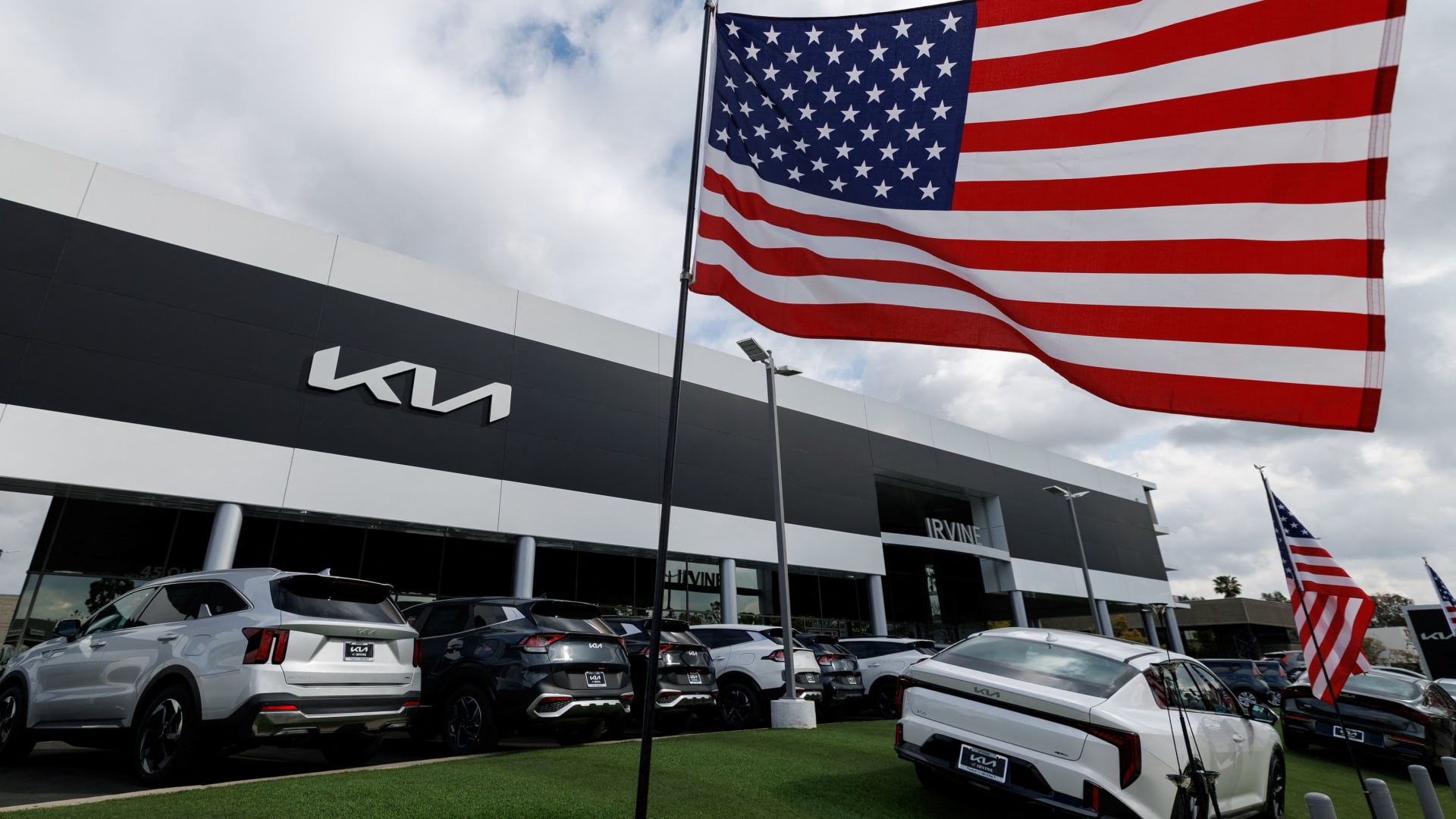
U.S. Automakers Reassess Sedan Market Amid Affordability Concerns


- Market Resilience: Despite American automakers largely abandoning sedans, Japanese, Korean, and German brands continue to sell hundreds of thousands of smaller passenger vehicles annually in the U.S., indicating resilience and potential recovery in the sedan market.
- Affordability Appeal: With the average vehicle price nearing $50,000, compact sedans starting around $22,000 are becoming attractive to buyers, as evidenced by Kia's K4 and Forte selling 140,514 units last year, exceeding expectations and highlighting strong consumer demand for affordable options.
- Young Consumer Preferences: Many Gen Z and younger Millennials feel pressured by high SUV payments, leading them to seek more affordable sedan alternatives, underscoring the importance of sedans in attracting a new generation of buyers.
- Industry Investment Confidence: Although sedan market share has dropped from 40% in 2015 to 15% in 2026, automakers continue to invest in sedans, reflecting their confidence in this segment and its potential for future growth.

Ford and GM Explore Expansion into Military Production

- Military Production Talks: Ford and General Motors are reportedly in discussions with U.S. defense officials to expand into weapons and military vehicle production, addressing munitions shortages due to the wars in Ukraine and Iran, which could provide new revenue streams for both companies.
- Historical Precedent: This initiative echoes the wartime pivot of Detroit automakers during World War II, where Ford produced nearly 278,000 military vehicles, highlighting its potential and capability in the defense sector.
- Mixed Market Reactions: Despite facing sales pressures, with Ford's stock down 2% and GM's down 4% year-to-date, market sentiment for GM remains optimistic, as analysts upgraded its rating to 'Buy'.
- Analyst Perspectives: Deutsche Bank raised GM's price target from $83 to $90, viewing the current market pullback as an attractive entry point, while Goldman Sachs expressed caution, expecting both automakers to report softer-than-expected first-quarter results.

GE Aerospace and Oshkosh, a Vehicle and Machinery Manufacturer, Participated in Discussions with Defense Officials - WSJ

Involvement of Companies: GEAEROSPACE and the vehicle and machinery maker OSHKOSH were among the companies participating in discussions with defense officials.
Focus of Talks: The talks centered around collaboration and potential partnerships in the aerospace and defense sectors.
US Defense Officials Engage in Talks with Leading Executives, Including GM's Mary Barra and Ford's Jim Farley - WSJ
Senior US Defense Officials' Discussions: Senior officials from the US Department of Defense have engaged in discussions with top executives from major automotive companies, including Mary Barra of General Motors and Jim Farley of Ford Motor Company.
Focus on Collaboration: The discussions likely center around potential collaborations between the defense sector and the automotive industry, particularly in areas such as technology and manufacturing.
Microsoft and Stellantis Forge Strategic AI Partnership
- Strategic Partnership: Microsoft and Stellantis have established a five-year strategic partnership aimed at co-developing AI and cybersecurity tools, with plans to launch over 100 AI initiatives, significantly enhancing technological competitiveness in the automotive sector.
- Cloud Migration: Stellantis is shifting its primary tech focus to Microsoft's Azure cloud platform, aiming for a 60% reduction in its physical data center footprint by 2029, which will streamline operations through modernized infrastructure.
- Digital Security Enhancement: The partnership integrates AI-driven analytics across manufacturing sites and connected vehicles to counter emerging cyber threats, thereby protecting the privacy of millions of drivers and enhancing brand trust.
- Positive Market Reaction: Microsoft's stock has surged 10% over the past three days, marking its strongest short-term rally since 2020, with analysts suggesting this indicates growing market confidence in AI integration.
U.S. Stock Futures Rise, Four Key Stocks to Watch
- Ford's New Organization: Ford Motor Company has announced the creation of a new end-to-end organization called Product Creation and Industrialization, which combines its advanced technology and global industrial teams, aiming to scale next-generation vehicles and software while targeting an 8% adjusted EBIT margin by 2029.
- Boeing's Hiring Surge: Boeing is ramping up hiring at its fastest pace since 2024, bringing on approximately 100 to 140 factory workers each week, reflecting strong demand linked to expanded assembly lines and upcoming aircraft programs, with its Pacific Northwest workforce now exceeding 34,000.
- Eli Lilly's Label Expansion: Eli Lilly plans to seek a label expansion for its newly approved weight loss pill, Foundayo, in Q2, based on successful results from its Phase 3 ACHIEVE-4 trial, which evaluated Foundayo against insulin glargine in adults with type 2 diabetes.
- PepsiCo's Improved Results: PepsiCo's stock rose 0.69% as its convenient food segment showed improved results in Q1, following a commitment last December to lower some prices, highlighting effective execution of its global brand restaging and innovation initiatives.
U.S. Automakers Reassess Sedan Market Amid Affordability Concerns
- Market Resilience: Despite American automakers largely abandoning sedans, Japanese, Korean, and German brands continue to sell hundreds of thousands of smaller passenger vehicles annually in the U.S., indicating resilience and potential recovery in the sedan market.
- Affordability Appeal: With the average vehicle price nearing $50,000, compact sedans starting around $22,000 are becoming attractive to buyers, as evidenced by Kia's K4 and Forte selling 140,514 units last year, exceeding expectations and highlighting strong consumer demand for affordable options.
- Young Consumer Preferences: Many Gen Z and younger Millennials feel pressured by high SUV payments, leading them to seek more affordable sedan alternatives, underscoring the importance of sedans in attracting a new generation of buyers.
- Industry Investment Confidence: Although sedan market share has dropped from 40% in 2015 to 15% in 2026, automakers continue to invest in sedans, reflecting their confidence in this segment and its potential for future growth.
Ford and GM Explore Expansion into Military Production
- Military Production Talks: Ford and General Motors are reportedly in discussions with U.S. defense officials to expand into weapons and military vehicle production, addressing munitions shortages due to the wars in Ukraine and Iran, which could provide new revenue streams for both companies.
- Historical Precedent: This initiative echoes the wartime pivot of Detroit automakers during World War II, where Ford produced nearly 278,000 military vehicles, highlighting its potential and capability in the defense sector.
- Mixed Market Reactions: Despite facing sales pressures, with Ford's stock down 2% and GM's down 4% year-to-date, market sentiment for GM remains optimistic, as analysts upgraded its rating to 'Buy'.
- Analyst Perspectives: Deutsche Bank raised GM's price target from $83 to $90, viewing the current market pullback as an attractive entry point, while Goldman Sachs expressed caution, expecting both automakers to report softer-than-expected first-quarter results.
GE Aerospace and Oshkosh, a Vehicle and Machinery Manufacturer, Participated in Discussions with Defense Officials - WSJ
Involvement of Companies: GEAEROSPACE and the vehicle and machinery maker OSHKOSH were among the companies participating in discussions with defense officials.
Focus of Talks: The talks centered around collaboration and potential partnerships in the aerospace and defense sectors.
US Defense Officials Engage in Talks with Leading Executives, Including GM's Mary Barra and Ford's Jim Farley - WSJ
Senior US Defense Officials' Discussions: Senior officials from the US Department of Defense have engaged in discussions with top executives from major automotive companies, including Mary Barra of General Motors and Jim Farley of Ford Motor Company.
Focus on Collaboration: The discussions likely center around potential collaborations between the defense sector and the automotive industry, particularly in areas such as technology and manufacturing.